A prototype tells you things a screen never will. It shows whether the snap fit snaps, whether the bracket flexes, whether the housing really clears the board. CNCプロトタイプ加工 gives you that answer in real metal or plastic, cut straight from your model, usually in days. We run this process every week, so this guide sticks to what matters when you’re ordering: how the work flows, what drives the price, which materials suit which job and where people trip up.
How a Design Becomes a Part
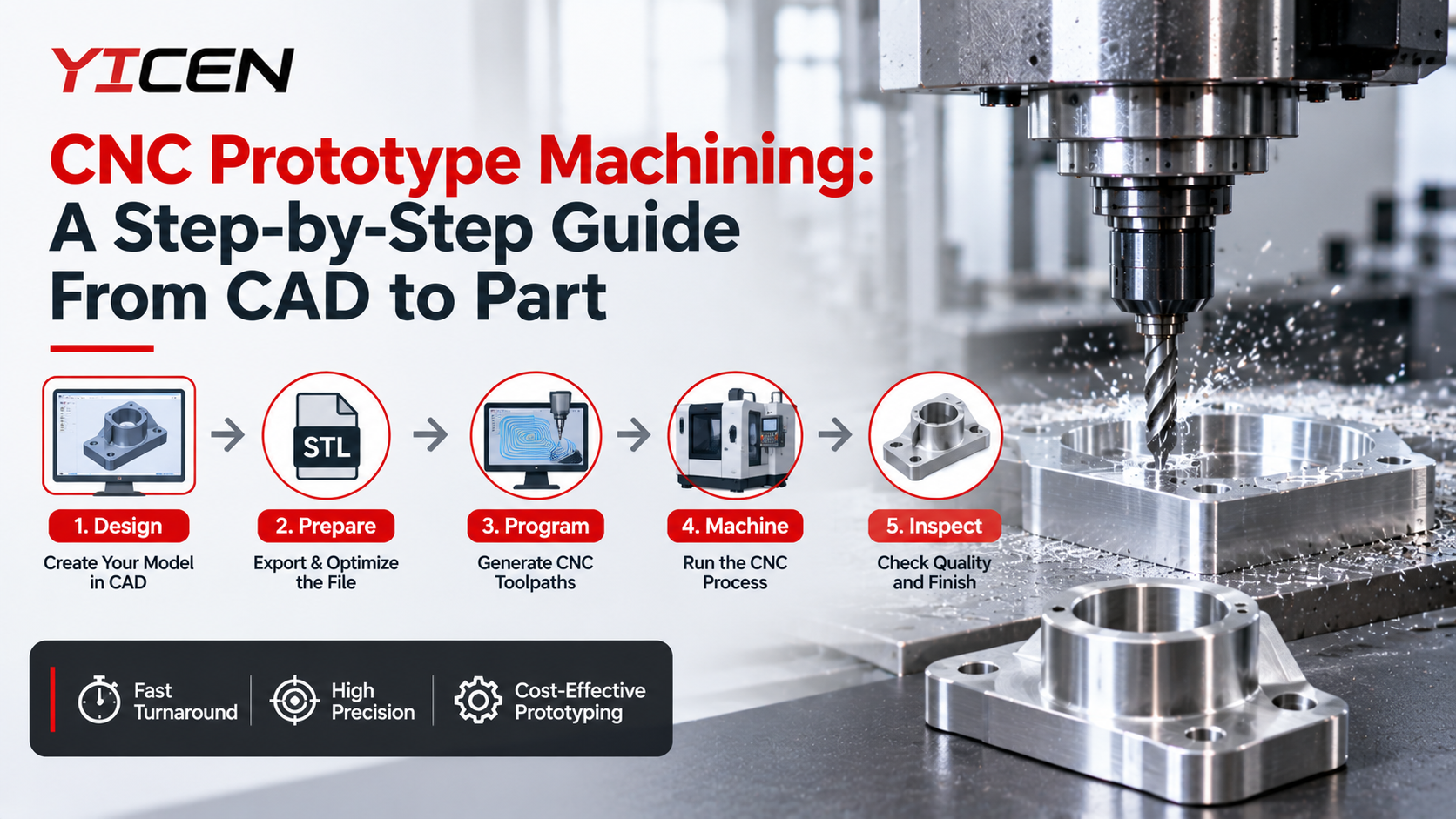
The path from CAD to part looks simple from the outside. Inside the shop, it has a few distinct steps.
You send a 3D model and a drawing. An engineer checks the geometry, looks for thin walls, deep pockets and tight internal corners, and flags anything that will cost more than it should. Then the CAD to CAM workflow begins. A programmer loads your model, picks tools, sets cutting strategies and generates toolpaths. The machine runs those paths, an operator measures the first piece, and the rest follow.
That whole CNC machining process rewards a clean handoff. A tidy STEP file, a clear note about critical features and a stated quantity save more time than any shortcut on the machine.
Why CNC Prototyping Beats Guesswork
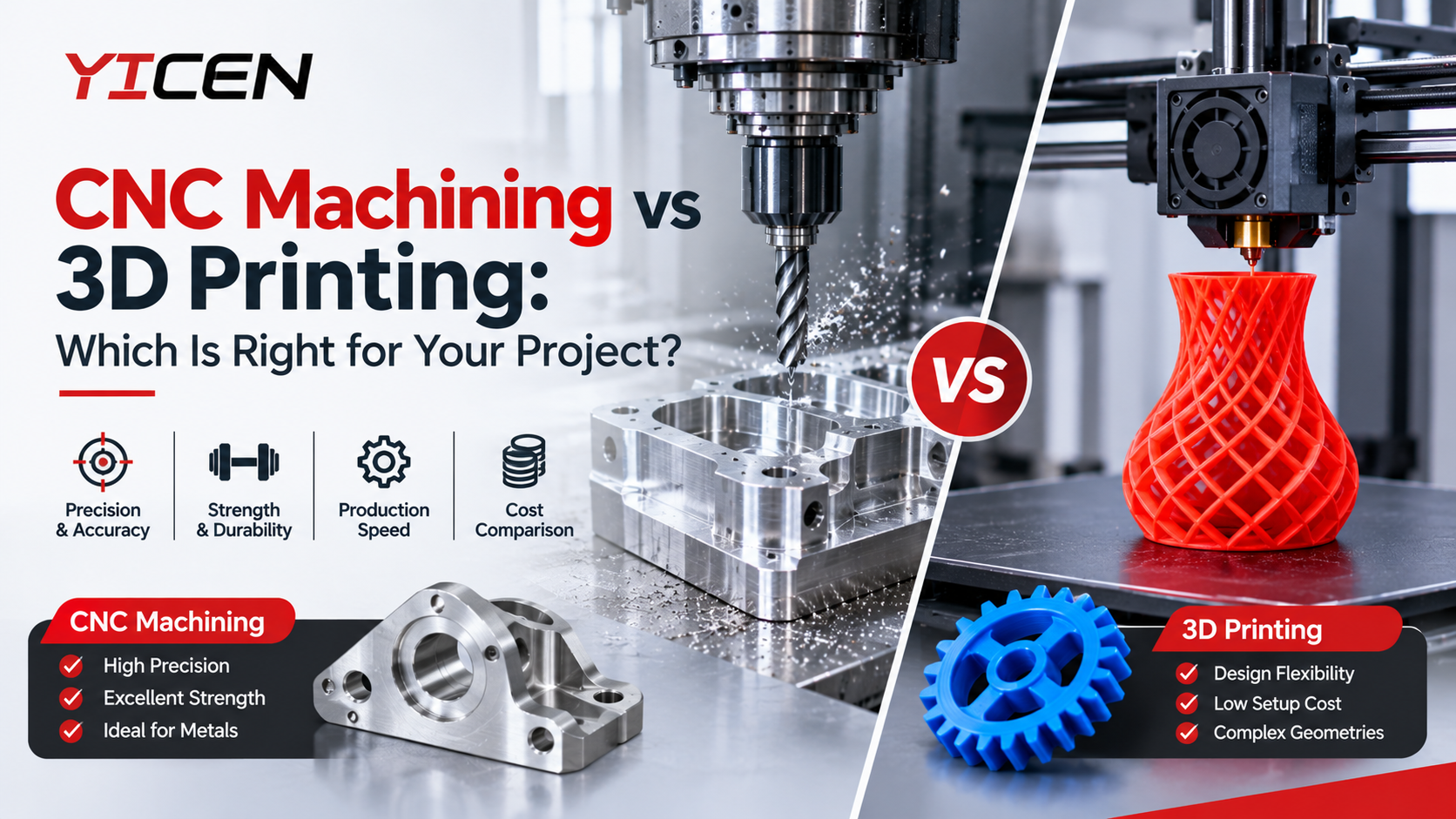
Plenty of teams still lean on renders and printed models for early checks. Those have a place. But CNC prototyping gives you parts in the same material, with the same surface and nearly the same tolerances as production. That matters when you’re testing strength, heat, fit or sealing.
Machined parts also avoid the layer lines and warping that other methods can bring. If your design moves toward production, the data you collect from a machined sample carries over directly. For a broader look at fast-turn options, see our ラピッドプロトタイピング service. Rapid prototype machining sits at the quick end of that range: one to a handful of parts, built fast, so you can change the design before it costs real money.
What Affects CNC Prototype Machining Cost
Price confuses people because two parts that look alike can cost very different amounts. Four things move the number most.
Machine time. Deep pockets, small tools and long cycles add hours. Simple shapes cost less.
Setups. Every time we flip or re-clamp the part, we add labor. A part that needs five setups costs more than one that needs two.
Your CNC prototype cost drops fast when you design with the machine in mind. Use generous inside radii. Avoid tolerances you don’t need. Keep walls thick enough to stay stable. Our guide on CNC加工コストを削減する方法 walks through these changes with examples.
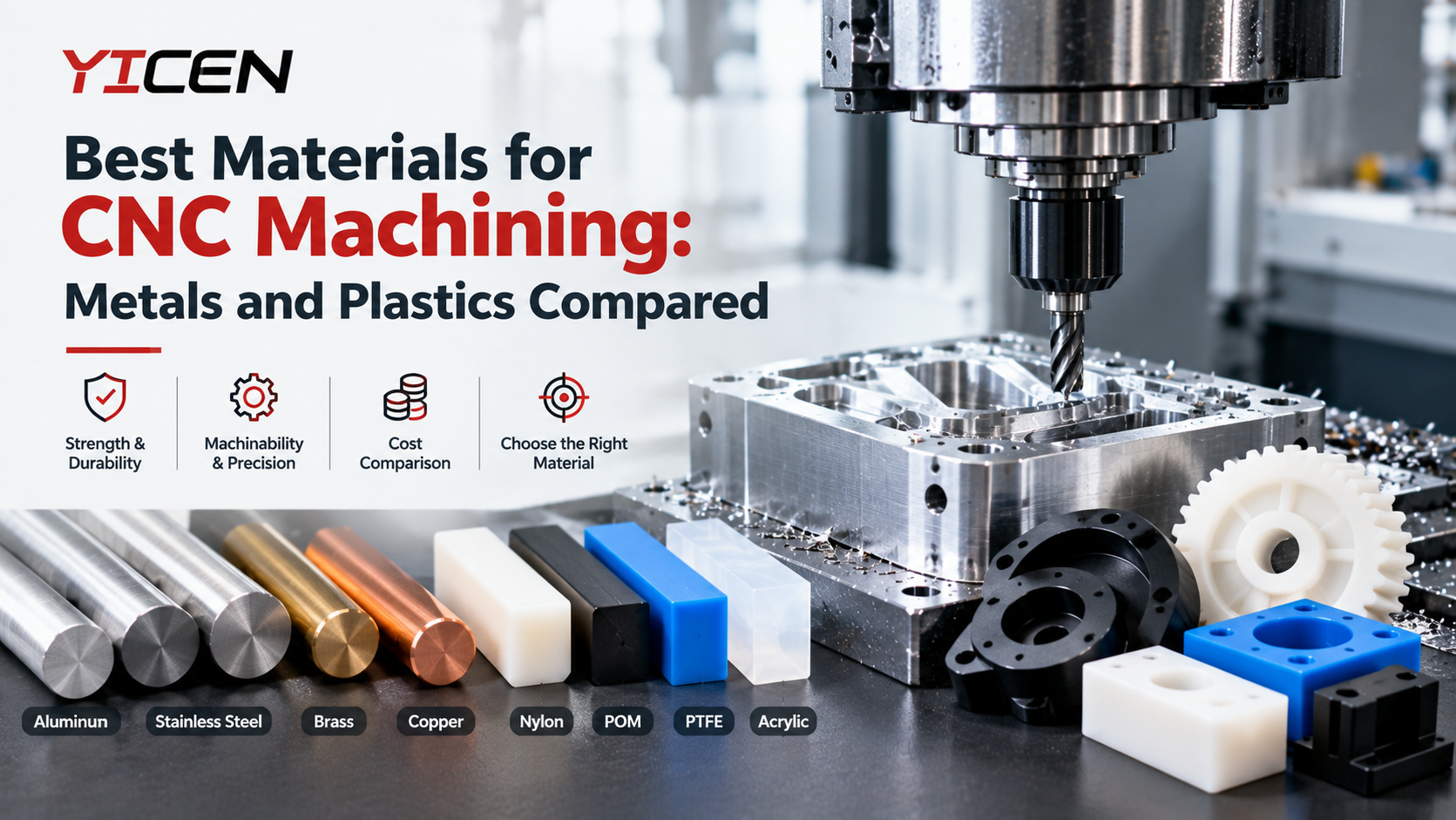
Which Prototype Machining Materials Work Best
Choosing from the available prototype machining materials depends on what the test needs to prove.
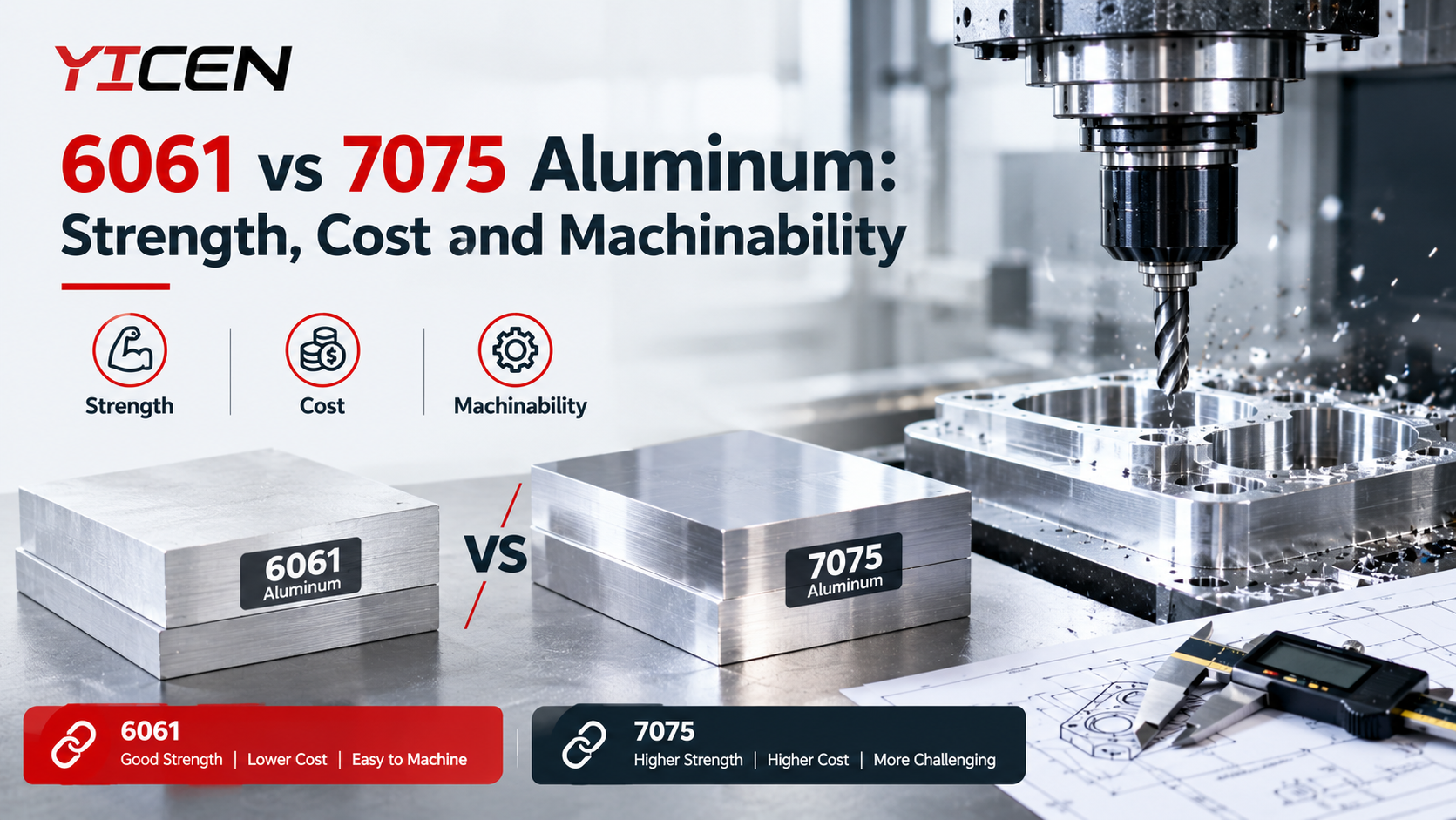
- Aluminum 6061 and 7075. Fast to cut, light and affordable. A good default for housings, brackets and fixtures.
- Stainless steel. Strong and corrosion resistant, but slower to machine.
- Brass and copper. Great for electrical parts and fittings.
- Titanium. Strong and light, used for aerospace and medical work, with a higher price.
- Plastics such as POM, nylon, ABS and PEEK. Useful for insulators, gears, enclosures and wear parts.
If you’re unsure, pick the material closest to what the final product will use. A part made from the wrong alloy can pass a test that the real one would fail.
What Tolerances Can You Expect
CNC machining tolerances depend on the part size, material and feature type. As a rough guide, standard work holds around ±0.005 inch (±0.13 mm), and many features can reach ±0.001 inch (±0.025 mm) when the drawing calls for it. Tighter than that is possible, but it adds time and inspection.
Here’s a tip we repeat often. Put tight tolerances only on features that need them, such as bearing seats or mating surfaces. Leave everything else at the general limit. It keeps your CNC machined prototypes accurate where it counts and affordable everywhere else.
Where Laser Cutting and Waterjet Fit
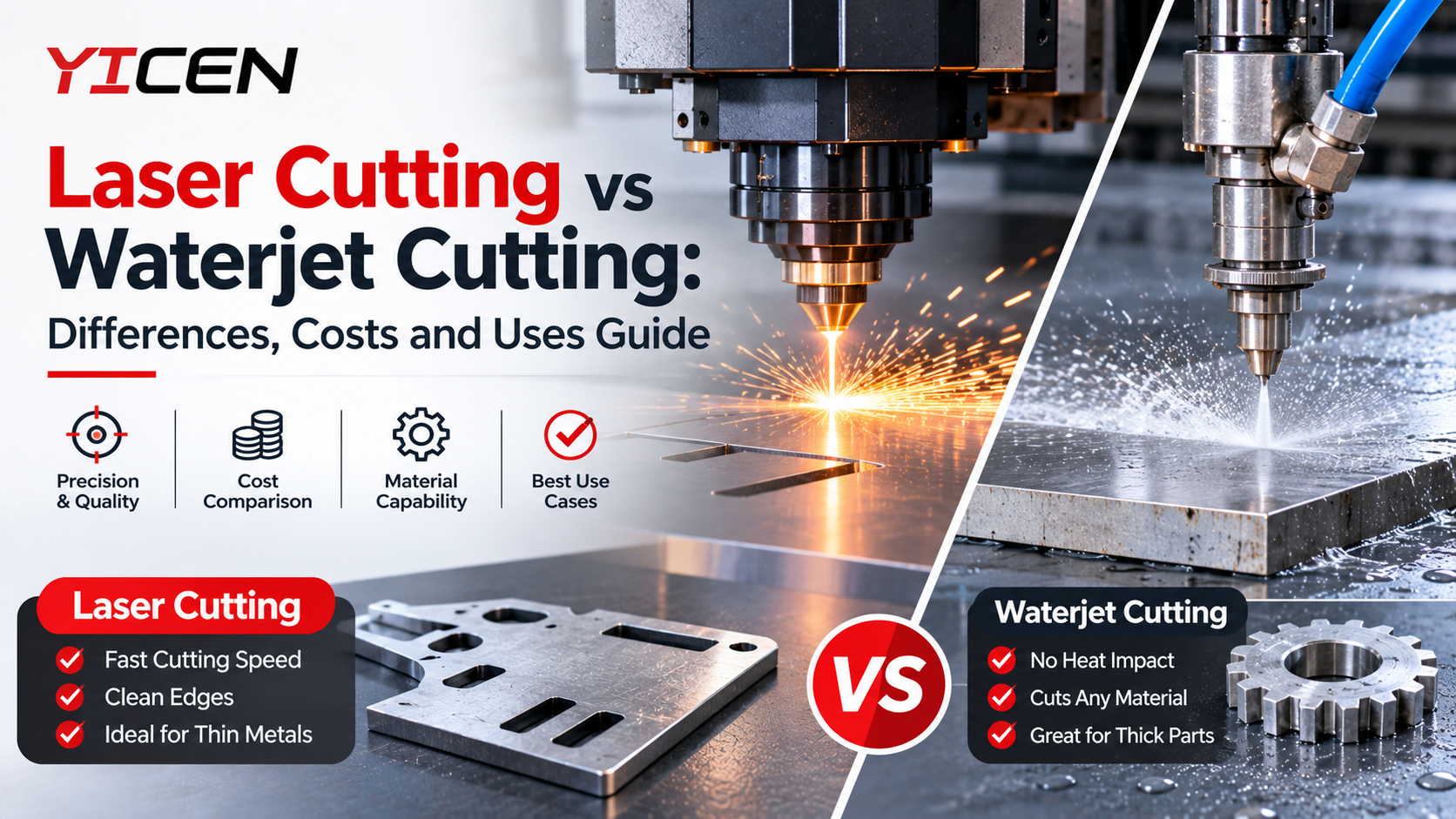
Since flat parts come up a lot, a quick note on the alternatives. Laser cutting is fast and precise on thin sheet metal, and it leaves a clean edge. Waterjet cuts almost any material, including thick stone, glass and composites, without adding heat. Both are great for profiles.
Neither one makes pockets, threads, bores or 3D surfaces. That’s where milling and turning take over. Many projects combine them: cut the blank by laser or waterjet, then finish the critical features on a CNC machine.
How to Choose a Shop for Prototype Work
Not every shop suits prototypes. Look for quick quoting, honest feedback on your design and the ability to scale. Quality checks matter too. Ask whether you’ll get an inspection report and how the shop handles design changes midstream.
Prototype CNC machining services should also feel easy to work with. You want an engineer who answers questions, not a portal that swallows files. If you’d like to know who’s behind your parts, read about our company and see how we work.
What Happens After the Prototype
A good prototype often leads to a second round, then a pilot run, then production. Because the same CNC process carries through, you can keep material, fixtures and programs consistent as quantities grow. For low-volume runs between prototype and full production, our small batch precision machining bridges the gap without tooling costs. And when you’re ready to scale, our CNC加工サービス cover repeat orders with stable quality.
Ready to test your design? Upload your CAD file and drawing, and contact our team for a clear quote on CNC prototype machining. We’ll review the model, point out cost savings and tell you the lead time before you commit.
よくある質問
How long does CNC prototyping machining take?
Simple parts often ship in 3 to 7 days. Complex geometry, tight tolerances or special finishes can stretch that to two weeks. Clear files and quick approvals shorten the timeline.
How much does a CNC machined prototype cost?
Most prototypes run from under a hundred dollars for simple parts to several hundred for complex ones. Material, machine time, setups and tolerances drive the price. A quote based on your actual CAD file is the only reliable number.
Can I move from a CNC prototype to mass production?
Yes. The same CNC machining process scales from one part to thousands, and many customers keep their material and programs the same. For very large volumes, a shop may suggest casting or molding to lower the unit price.
What files do I need for CNC prototype machining?
A 3D model in STEP or IGES format works best, along with a PDF drawing that marks critical dimensions, material and finish. Including quantity and target date speeds up the quote.
Is aluminum the best material for a first prototype?
Often, yes. It cuts fast, costs less and handles most functional tests. Switch to steel, titanium or plastic when the test needs those specific properties.