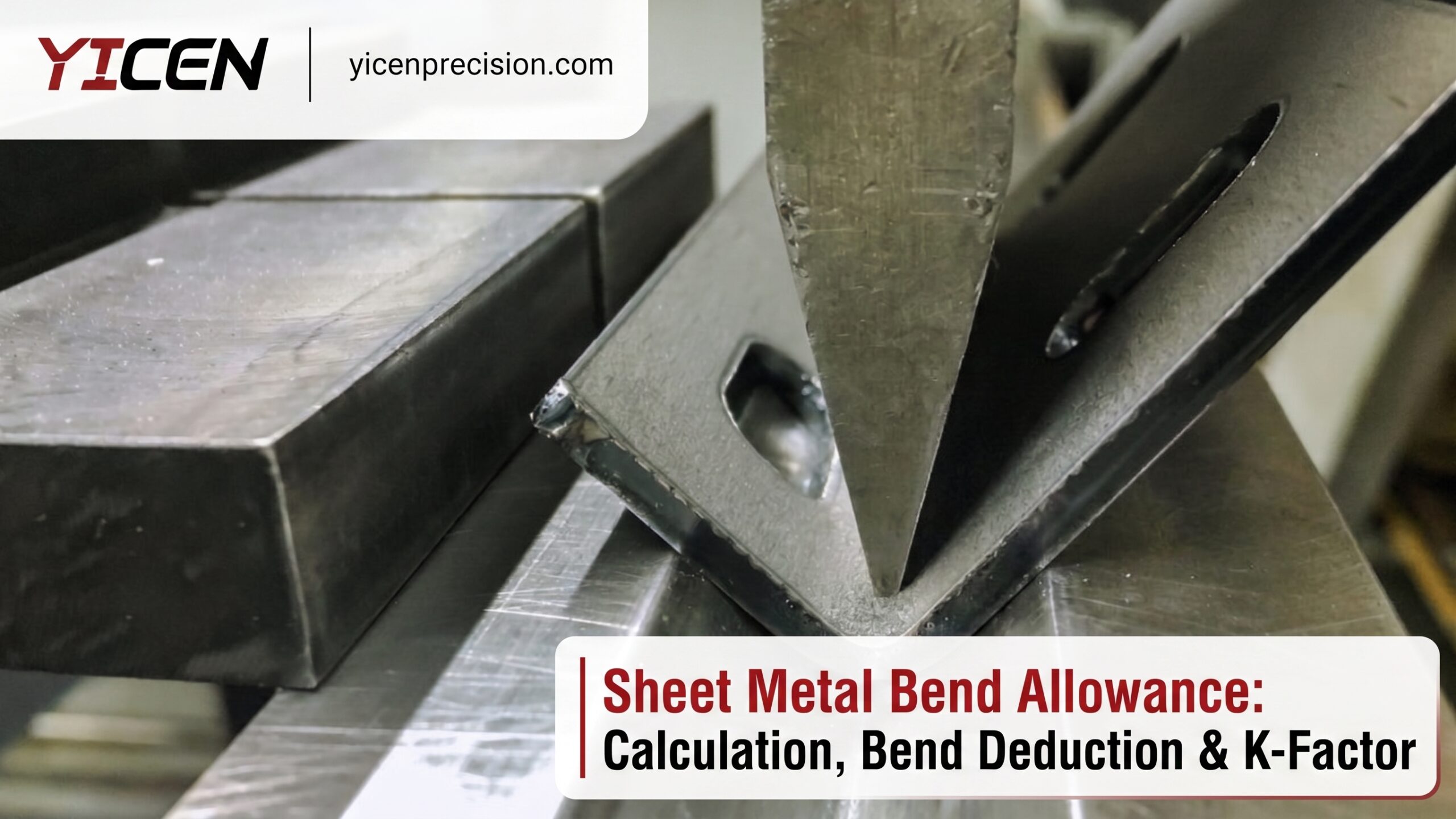
Was ist die Biegezugabe bei Blechen und warum ist sie bei der Fertigung wichtig? Wie berechnen Hersteller die Biegezugabe für Blechteile? Was ist der Unterschied zwischen Biegezugabe und Biegeabzug bei Blechen? Wie wirkt sich der K-Faktor beim Biegen von Blechen auf die Endmaße eines Bauteils aus?
Die Biegezulage bei Blechen ist die berechnete Materialmenge, die sich während eines Biegevorgangs ausdehnt. Sie bestimmt die genaue Größe des Abwickelmaßes, das vor der Umformung eines Blechteils benötigt wird. Durch die Berücksichtigung von Biegewinkel, Materialdicke, Biegeradius und K-Faktor können Hersteller die Endmaße eines gebogenen Teils genau vorhersagen und kostspielige Fertigungsfehler vermeiden.
Eine genaue Berechnung der Biegezugabe ist unerlässlich, da sich durch die Verformung des Metalls die Gesamtlänge des fertigen Bauteils ändert. Professionelle Blechbearbeiter verwenden präzise Formeln und technische Daten, um sicherzustellen, dass Blechteile nach dem Biegen den Konstruktionsvorgaben entsprechen.
Was ist die Biegezugabe bei Blechen?
Unter Biegezugabe bei Blechen versteht man die zusätzliche Materiallänge, die im Bereich der Neutralachse einer Blechbiegung erforderlich ist. Beim Biegen eines flachen Blechs wird die Außenseite gedehnt, während die Innenseite zusammengedrückt wird. Die Neutralachse bleibt dabei relativ unverändert, und die Länge entlang dieser Achse bestimmt die tatsächliche Biegezugabe.
Einfach ausgedrückt hilft die Biegezugabe Ingenieuren dabei, zu berechnen, wie viel flaches Blech vor dem Biegen benötigt wird, damit das endgültige Formteil den vorgesehenen Abmessungen entspricht.
Für Hersteller von Präzisionsbauteilen sind genaue Berechnungen ein wesentlicher Bestandteil der professionellen Arbeit Dienstleistungen im Bereich der Blechbearbeitung.
Warum die Biegezugabe in der Blechbearbeitung wichtig ist
Falsche Berechnungen der Biegezugabe können zu erheblichen Produktionsproblemen führen. Ein kleiner Rechenfehler kann zu falschen Teiledimensionen, einer schlechten Passform, Materialverschwendung und zusätzlichem Bearbeitungsaufwand führen.
Eine genaue Biegezulage bietet Herstellern folgende Vorteile:
- Verbesserung der Maßgenauigkeit
- Materialverschwendung reduzieren
- Einheitliche Teile herstellen
- Anpassungen nach dem Prinzip „Versuch und Irrtum“ auf ein Minimum reduzieren
- Die Produktionseffizienz steigern
In Branchen wie der Luft- und Raumfahrt, der Automobilindustrie, der Elektronik und dem Industrieausrüstungsbau ist Präzisionsbiegen unerlässlich, da für Bauteile oft enge Toleranzen erforderlich sind.
Die Berechnung der Biegezugabe verstehen
Die Berechnung des Biegezulags ermittelt die durch die Biegung verbrauchte Materialmenge. Die üblicherweise verwendete Formel lautet:
BA = (π / 180) × Biegewinkel × (Innenradius + K-Faktor × Materialdicke)
Wo:
- BA = Biegezugabe
- Biegewinkel = Winkel der Biegung in Grad
- Innenradius = Radius innerhalb der Kurve
- K-Faktor = Lage der neutralen Achse
- Materialstärke = Dicke des Blechs
Die Genauigkeit dieser Berechnung hängt von der Wahl des richtigen K-Faktors und dem Verständnis des Materialverhaltens beim Biegen ab.
Wichtige Faktoren, die die Biegezugabe bei Blechen beeinflussen
Mehrere Variablen beeinflussen den endgültigen Wert der Biegezugabe.
Material Dicke
Dickere Werkstoffe erfordern in der Regel andere Berechnungen, da sie beim Biegen unterschiedlich stark gedehnt werden. Auch Aluminium, Edelstahl und Baustahl verhalten sich aufgrund ihrer spezifischen mechanischen Eigenschaften unterschiedlich.
Biegeradius
Der Innenbiegeradius beeinflusst, wie stark sich das Material dehnt. Ein größerer Radius führt in der Regel zu einer glatteren Biegung und verschiebt die Lage der neutralen Achse.
Biegewinkel
Der Biegewinkel wirkt sich direkt auf die benötigte Materialmenge aus. Für eine 90-Grad-Biegung und eine 45-Grad-Biegung sind unterschiedliche Aufmaßberechnungen erforderlich.
K-Faktor
Der K-Faktor gibt die Lage der neutralen Achse innerhalb der Materialdicke an. Er ist einer der wichtigsten Werte bei Berechnungen zum Biegen von Blechen.
Was ist der K-Faktor beim Biegen von Blechen?
Der K-Faktor beim Biegen von Blechen ist das Verhältnis zwischen der Lage der neutralen Achse und der Materialdicke.
Die Formel lautet:
K-Faktor = Abstand zur neutralen Achse ÷ Materialdicke
Die Neutralachse ist der Bereich innerhalb des Blechs, der sich beim Biegen weder dehnt noch zusammenpresst.
Ein niedrigerer K-Faktor bedeutet, dass die Neutralaxe näher an der Innenfläche liegt, während ein höherer K-Faktor darauf hindeutet, dass sie näher an der Mitte oder am äußeren Bereich des Materials liegt.
Die typischen K-Faktor-Werte variieren in Abhängigkeit von:
- Art des Materials
- Biegeverfahren
- Werkzeugbau
- Biegeradius
- Herstellungsprozess
| Biegeverfahren | Typischer K-Faktor-Bereich | Gemeinsames Bewerbungsformular |
| Luftbändigen | 0.30 – 0.50 | Allgemeine Fertigung |
| Biegen am unteren Ende | 0.35 – 0.45 | Teile mit höherer Genauigkeit |
| Münzprägung | 0.40 – 0.50 | Präzisionsumformung |
| Sonderwerkzeuge | Hängt von den Tests ab | Spezialkomponenten |
Erläuterung des Abzugs für Blechbiegungen
Der Biegeabzug bei Blechen ist eine weitere Methode zur Berechnung der Abmessungen der Abwicklungszeichnung. Während der Biegezuschlag den durch die Biegung hinzukommenden Materialaufwand berücksichtigt, bestimmt der Biegeabzug den Betrag, der von den Gesamtabmessungen der Flansche abgezogen wird.
Die Beziehung lautet:
Biegeabzug = Gesamtlänge der Flansche – Länge der Abwicklung
Sowohl Biegezugabe als auch Biegeabzug werden von Ingenieuren und Fertigungsfachleuten je nach ihrem bevorzugten Konstruktionsablauf verwendet.
Viele CAD-Programme berechnen diese Werte automatisch, doch das Verständnis der zugrunde liegenden Prinzipien hilft Ingenieuren dabei, Konstruktionen zu überprüfen und Probleme bei der Fertigung zu vermeiden.
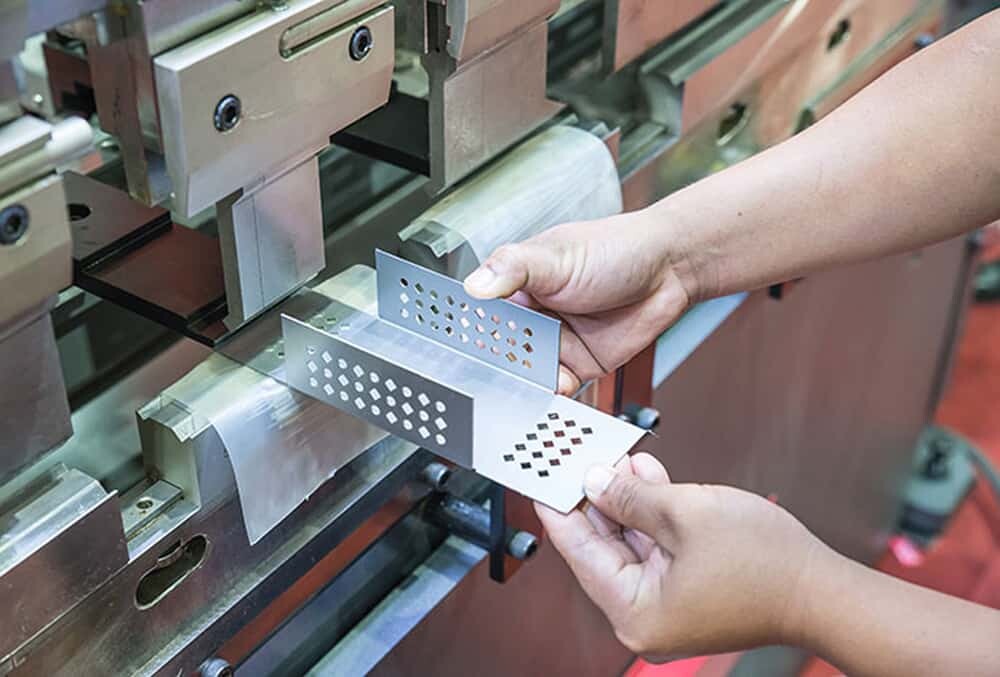
Unterschied zwischen Biegezugabe und Biegeabzug
Obwohl diese Begriffe eng miteinander verbunden sind, dienen sie unterschiedlichen Zwecken.
| Merkmal | Biegezugabe | Biegeabzug |
| Zweck | Berechnet das zusätzliche Biegematerial | Berechnet das aus den Flanschabmessungen entfernte Material |
| Verwendungszweck | Entwicklung von Schnittmustern | Abschließende Maßanpassung |
| Formel basierend auf | Biegeradius, Winkel, Dicke, K-Faktor | Außenabmessungen und Biegezugabe |
| Häufige Nutzer | Ingenieure und CAD-Konstrukteure | Fertigungsbetriebe und Produktionsteams |
Das Verständnis beider Konzepte ermöglicht es Herstellern, vor dem Schneiden und Umformen von Blechen präzise Abwicklungen zu erstellen.
Wie die CNC-Technologie die Präzision beim Biegen von Blechen verbessert
In der modernen Fertigung werden technische Berechnungen mit hochmodernen CNC-Anlagen kombiniert, um gleichbleibende Ergebnisse zu erzielen.
CNC-Abkantpressen verwenden programmierte Parameter wie beispielsweise:
- Dicke des Materials
- Biegewinkel
- Werkzeugauswahl
- Position des Hinteranschlags
- Biegeabfolge
Dadurch werden manuelle Fehler reduziert und die Wiederholgenauigkeit verbessert.
Für Unternehmen, die komplexe Fertigungslösungen benötigen und dabei präzise Berechnungen mit CNC-Bearbeitungsdienstleistungen kann umfassende Unterstützung bei der Präzisionsfertigung bieten.
Häufige Fehler bei der Berechnung des Biegezugabesatzes
Selbst erfahrene Hersteller können Probleme bekommen, wenn die Berechnungen fehlerhaft sind.
Zu den häufigsten Fehlern gehören:
Verwendung falscher K-Faktor-Werte
Je nach Werkstoff und Biegeverfahren kann ein unterschiedlicher K-Faktor erforderlich sein. Die Verwendung von Standardwerten ohne Überprüfung kann zu Maßfehlern führen.
Material-Eigenschaften ignorieren
Verschiedene Metalle verhalten sich bei der Umformung unterschiedlich. Aluminium, Edelstahl und Stahl erfordern unter Umständen unterschiedliche Einstellungen.
Falsche Wahl des Biegeradius
Ein falscher Radius kann die Lage der neutralen Achse verändern und die Endmaße beeinflussen.
Keine Prüfung von Prototypenteilen
Vor der Serienfertigung helfen Prototypentests dabei, Berechnungen zu überprüfen und kostspielige Fehler zu vermeiden.
Hersteller verwenden häufig CNC-Prototypenfertigung um Entwürfe zu validieren, bevor sie in die Produktion gehen.
Praktisches Beispiel für die Berechnung der Biegezugabe
Angenommen, ein Blechteil weist Folgendes auf:
- Biegewinkel: 90 Grad
- Materialstärke: 2 mm
- Innenradius: 3 mm
- K-Faktor: 0,4
Unter Verwendung der Formel:
BA = (π / 180) × 90 × (3 + 0,4 × 2)
BA = 1,5708 × (3 + 0,8)
BA = 1,5708 × 3,8
BA ≈ 5,97 mm
Das bedeutet, dass für den Biegebereich etwa 5,97 mm Material benötigt werden.
Der genaue Wert kann je nach der tatsächlichen Maschinenkonfiguration, der Werkzeugausstattung und dem Materialverhalten variieren.
Optimierung der Blechkonstruktion für bessere Biegeergebnisse
Konstruktionsaspekte können die Fertigungseffizienz erheblich verbessern.
Ingenieure sollten Folgendes berücksichtigen:
- Geeigneter Biegeradius
- Richtige Materialauswahl
- Korrekter Abstand zwischen den Biegungen
- Realistische Toleranzen
- Fertigungsbeschränkungen
Eine frühzeitige Konstruktionsoptimierung verringert Produktionsprobleme und verbessert die Qualität des Endprodukts.
Für Projekte, bei denen Unterstützung bei der Konstruktion und Beratung bei der Fertigung benötigt wird, professionelle Maßgeschneiderte Fertigungsdienstleistungen kann dabei helfen, Konzepte in serienreife Komponenten umzusetzen.
Abschließende Überlegungen
Die Biegezugabe bei Blechen ist ein grundlegendes Konzept in der Präzisionsfertigung, da sie bestimmt, wie genau sich flaches Material in ein fertiges, gebogenes Bauteil umwandeln lässt.
Das Verständnis der Berechnung der Biegezugabe, des Biegeabzugs bei Blechen und des K-Faktors beim Blechbiegen ermöglicht es Ingenieuren und Herstellern, präzise Bauteile zu fertigen und gleichzeitig Ausschuss und Produktionsfehler zu reduzieren.
Mit präzisen Berechnungen, modernster CNC-Ausrüstung und bewährten Fertigungsverfahren können Unternehmen zuverlässige Blechteile für eine Vielzahl von Branchen herstellen.
Häufig gestellte Fragen
Was ist eine Biegezugabe bei Blechen?
Die Biegezugabe bei Blechen ist die Materialmenge, die hinzugefügt wird, um die Dehnung beim Biegen auszugleichen. Sie hilft Herstellern dabei, die richtige Größe des Abwicklungsmusters zu berechnen, bevor ein Blechteil geformt wird.
Wie wird die Biegezugabe berechnet?
Die Biegezugabe wird anhand des Biegewinkels, des Innenradius, der Materialdicke und des K-Faktors berechnet. Die Formel dient zur Abschätzung der Materiallänge entlang der Neutralachse während des Biegevorgangs.
Was ist der Unterschied zwischen Biegezugabe und Biegeabzug?
Die Biegezugabe berechnet das durch eine Biegung hinzugefügte Material, während der Biegeabzug die Menge berechnet, die von den Flanschabmessungen abgezogen wird. Beide Methoden tragen zur Erstellung präziser Abwicklungen bei.
Warum ist der K-Faktor beim Biegen von Blechen wichtig?
Der K-Faktor bestimmt die Lage der neutralen Achse im Werkstoff. Ein korrekter K-Faktor verbessert die Biegeberechnungen und gewährleistet genaue Endmaße.
Können CNC-Maschinen die Genauigkeit beim Biegen von Blechen verbessern?
Ja, CNC-gesteuerte Biegeanlagen verbessern die Wiederholgenauigkeit durch die Steuerung von Winkeln, Positionierung, Werkzeugen und Produktionsparametern. Dies hilft Herstellern dabei, gleichbleibende Ergebnisse zu erzielen.
Verfasst vom Yicen Precision Engineering-Team. Zusammen verfügen wir über mehr als zehn Jahre Erfahrung in den Bereichen Toleranzkontrolle und Qualitätssicherung sowie in der Bearbeitung von Präzisionsteilen für Kunden aus der Automobil-, Medizin- und Halbleiterbranche. Yicen Precision betreibt in Shenzhen mehr als 300 Maschinen, ist nach ISO 9001:2015, ISO 13485, ISO 14001 und IATF 16949 zertifiziert und führt Prüfungen mit Koordinatenmessgeräten (CMM) und Röntgenfluoreszenzspektrometern (XRF) durch. Entdecken Sie unser Hochpräzise CNC-Bearbeitung oder Wenden Sie sich an unsere Ingenieure.