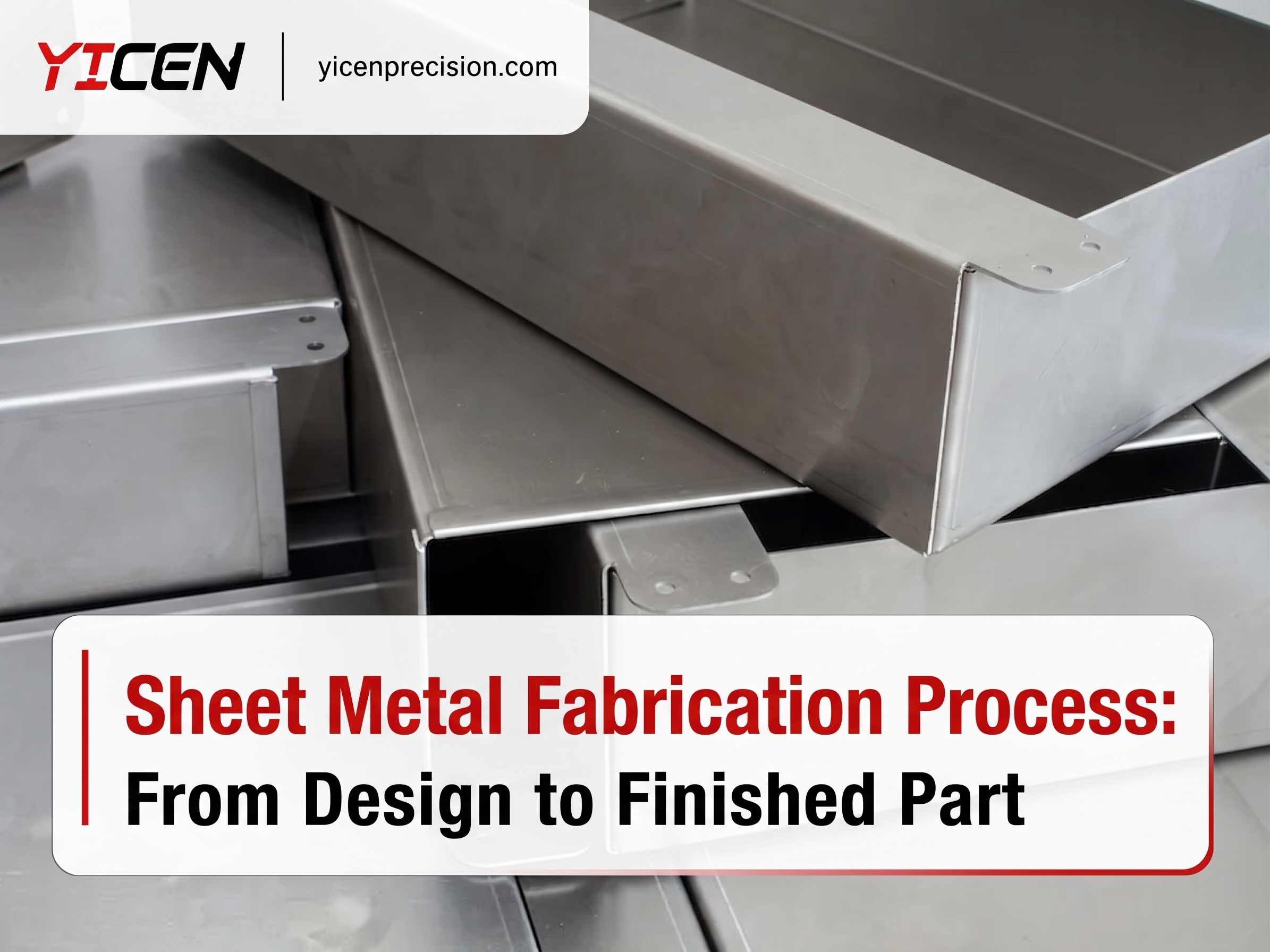
Wie verwandelt der Blechbearbeitungsprozess ein flaches Blech in ein präzises Fertigteil? Was sind die wichtigsten Schritte der Blechbearbeitung bei der Fertigung? Wie verbessert der Blechumformungsprozess die Festigkeit, Genauigkeit und Funktionalität der Teile? Was geschieht von der ersten Konstruktionsphase bis zur Auslieferung des Endprodukts?
Der Blechbearbeitungsprozess ist ein umfassender Fertigungsablauf, bei dem flache Metallbleche durch Konstruktion, Schneiden, Biegen, Umformen, Fügen, Endbearbeitung und Prüfung in funktionsfähige Bauteile umgewandelt werden. Der Prozess vereint modernste Maschinen, ingenieurtechnisches Know-how und Methoden der Qualitätskontrolle, um präzise Bauteile für Branchen wie die Luft- und Raumfahrt, die Automobilindustrie, die Elektronik, die Medizintechnik und den Maschinenbau herzustellen.
Von der Bewertung der CAD-Konstruktion bis zur Endfertigung spielt jede Phase des Blechfertigungsprozesses eine wichtige Rolle bei der Gewährleistung von Langlebigkeit, Maßgenauigkeit und Kosteneffizienz.
Einblick in den Prozess der Blechbearbeitung
Die Blechbearbeitung ist ein Fertigungsverfahren, bei dem Bleche durch Materialabtrag, kontrollierte Krafteinwirkung oder das Zusammenfügen mehrerer Bauteile zu bestimmten Teilen geformt werden. Im Gegensatz zu herkömmlichen Fertigungsverfahren, bei denen mit massiven Blöcken begonnen wird, werden bei der Blechbearbeitung dünne Metallwerkstoffe wie Aluminium, Edelstahl, Kohlenstoffstahl und Kupfer verwendet.
Moderne Hersteller nutzen fortschrittliche Technologien wie Laserschneiden, CNC-Biegen, Stanzen, Schweißen und Oberflächenbearbeitung, um komplexe Bauteile in gleichbleibender Qualität herzustellen. Unternehmen wie Yicen Precision bieten maßgeschneiderte Lösungen für die Blechbearbeitung von Prototypen und Serienbauteilen an, darunter Schneide-, Umform- und Endbearbeitungsvorgänge.
Der Erfolg eines Blechfertigungsprozesses hängt von einer sorgfältigen Planung, präzisen Konstruktionszeichnungen, der Auswahl geeigneter Werkstoffe und den richtigen Fertigungsverfahren ab.
Die wichtigsten Schritte der Blechbearbeitung
Der gesamte Fertigungsablauf umfasst mehrere wichtige Phasen. Jeder Schritt wirkt sich auf die endgültige Qualität, die Kosten und die Leistungsfähigkeit des gefertigten Bauteils aus.
| Bühne | Beschreibung | Zweck |
| Konstruktion und Entwicklung | Erstellung und Überprüfung von CAD-Modellen und technischen Zeichnungen | Gewährleistet die Herstellbarkeit und Genauigkeit |
| Auswahl des Materials | Auswahl geeigneter Metalle und Wandstärken | Bietet die erforderliche Festigkeit und Leistungsfähigkeit |
| Schneiden | Laserschneiden, Wasserstrahlschneiden oder Stanzen | Erstellt präzise Profile und Formen |
| Formung | Biegen und Formen von Blechen | Erzeugt die erforderlichen Geometrien |
| Beitritt | Schweißen, Befestigen oder Einsetzen von Beschlägen | Kombiniert mehrere Komponenten |
| Fertigstellung | Beschichtung, Polieren oder Oberflächenbehandlung | Verbessert das Erscheinungsbild und die Haltbarkeit |
| Inspektion | Maß- und Qualitätsprüfungen | Bestätigt, dass die Spezifikationen erfüllt sind |
Schritt 1: Entwurf und CAD-Vorbereitung
Der Prozess der Blechbearbeitung beginnt mit der Produktkonstruktion. Ingenieure erstellen detaillierte CAD-Modelle, in denen Abmessungen, Biegungen, Bohrungen, Ausschnitte und Materialanforderungen festgelegt werden.
In dieser Phase prüfen die Hersteller, ob die Konstruktion für die Fertigung geeignet ist. Dabei werden Faktoren wie Biegeradius, Materialstärke, Lochanordnung und Fertigungstoleranzen überprüft, um Produktionsprobleme zu vermeiden.
Die Konstruktionsoptimierung ist von entscheidender Bedeutung, da eine fertigungsgerechte Konstruktion Materialverschwendung reduzieren, die Produktionszeit verkürzen und die Gesamtkosten senken kann.
Bei Projekten, die komplexe Präzisionsbauteile erfordern, kann die CNC-Bearbeitung auch mit der Blechbearbeitung kombiniert werden. Mehr über Ansätze in der Präzisionsfertigung erfahren Sie in unserem CNC-Bearbeitungsdienstleistungen.
Schritt 2: Materialauswahl
Die Wahl des richtigen Materials ist einer der wichtigsten Schritte bei der Blechbearbeitung. Verschiedene Metalle weisen unterschiedliche Eigenschaften hinsichtlich Festigkeit, Korrosionsbeständigkeit, Gewicht und Flexibilität auf.
Zu den gängigen Materialien gehören:
| Material | Wichtige Eigenschaften | Gemeinsame Anwendungen |
| Aluminium | Leicht und korrosionsbeständig | Elektronikgehäuse, Bauteile für die Luft- und Raumfahrt |
| Rostfreier Stahl | Robust und korrosionsbeständig | Medizinische Geräte, Industriekomponenten |
| Kohlenstoffstahl | Langlebig und kostengünstig | Rahmen, Halterungen, Maschinenteile |
| Kupfer | Hervorragende elektrische Leitfähigkeit | Elektrische Bauteile |
Auch die Materialstärke wirkt sich auf den Umformprozess aus. Dünnere Bleche lassen sich leichter biegen, während für dickere Materialien unter Umständen spezielle Anlagen und eine höhere Umformkraft erforderlich sind.
Schritt 3: Blechschneiden
Nach der Auswahl des Materials besteht der nächste Schritt darin, die Platte in die gewünschte Form zu schneiden. Moderne Fertigungsanlagen setzen je nach Projektanforderungen verschiedene Schneidverfahren ein.
Das Laserschneiden ist weit verbreitet, da es eine hohe Genauigkeit, saubere Schnittkanten und eine hervorragende Wiederholgenauigkeit bietet. Das Wasserstrahlschneiden ist eine weitere Option für Materialien, bei denen die Wärmeeinwirkung so gering wie möglich gehalten werden muss.
In der Schneidphase wird das Grundprofil des Bauteils hergestellt, bevor es zu den Umform- und Montagevorgängen weitergeleitet wird.
Schritt 4: Blechumformungsverfahren
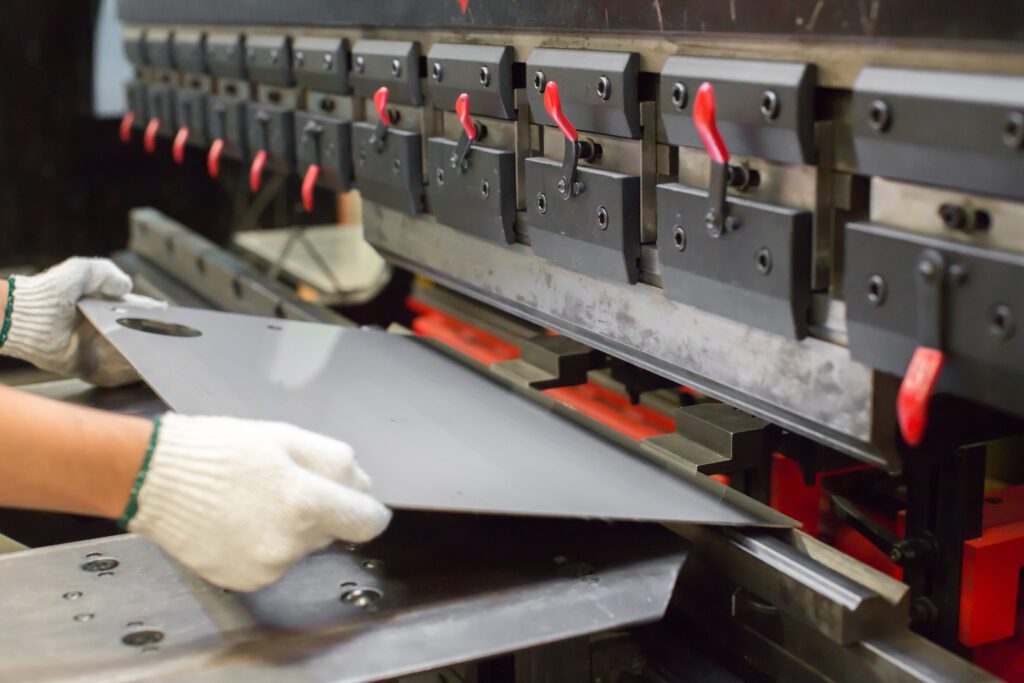
Beim Blechumformungsprozess wird die Form flacher Metallbleche verändert, ohne dass dabei nennenswertes Material abgetragen wird. In diesem Schritt entstehen Biegungen, Winkel, Rundungen und komplexe Geometrien, die für das Endbauteil erforderlich sind.
Zu den gängigen Umformverfahren gehören:
- Abkanten mit der Abkantpresse
- Profilieren
- Stanzformen
- Tiefziehen
Präzisionsbiegen erfordert genaue Berechnungen, da Faktoren wie die Elastizität des Materials, die Biegezugabe und die Rückfederung die Endmaße beeinflussen können.
Ein ordnungsgemäß gesteuerter Umformprozess gewährleistet, dass die Teile ihre Festigkeit behalten und gleichzeitig die geforderten Konstruktionsspezifikationen erfüllen.
Schritt 5: Verbindung und Montage
Nach dem Schneiden und Umformen müssen unter Umständen verschiedene Bauteile miteinander verbunden werden. Die Fügeverfahren hängen von der Anwendung, der Materialart und der erforderlichen Festigkeit ab.
Zu den gängigen Verbindungstechniken zählen Schweißen, Nieten, Schrauben und das Einsetzen von Befestigungselementen. Das Schweißen wird häufig für dauerhafte Verbindungen verwendet, während mechanische Befestigungen eine einfachere Wartung und einen leichteren Austausch ermöglichen.
Hersteller können zudem weitere Arbeitsschritte wie Montage, Oberflächenbehandlung oder Endbearbeitung integrieren, um komplette, einsatzbereite Komponenten zu liefern.
Wenn Sie über die Fertigung hinaus weitere Unterstützung im Bereich der Fertigung benötigen, informieren Sie sich über unsere Montageleistungen.
Schritt 6: Oberflächenbearbeitung
Die Oberflächenveredelung verbessert sowohl das Aussehen als auch die Leistungsfähigkeit von Fertigungsteilen. Je nach Anforderung können Hersteller Beschichtungen, Polieren, Eloxieren, Elektropolieren oder Pulverbeschichten anwenden.
Die Oberflächenbehandlung schützt Bauteile vor Korrosion, verbessert die Verschleißfestigkeit und sorgt für das gewünschte Erscheinungsbild.
Branchen mit strengen Anforderungen, wie beispielsweise die Medizin- und Luft- und Raumfahrtindustrie, verlangen häufig dokumentierte Veredelungs- und Prüfprozesse.
Schritt 7: Qualitätsprüfung und endgültige Auslieferung
Die Qualitätsprüfung ist der letzte Schritt im Fertigungsprozess von Blechteilen. Die Hersteller überprüfen vor der Auslieferung die Maße, die Oberflächenqualität, die Materialspezifikationen und die allgemeine Funktionsfähigkeit.
Zu den Prüfverfahren können Messgeräte, Maßprotokolle und Qualitätsunterlagen gehören.
Ein zuverlässiges Prüfsystem reduziert Fehler und stellt sicher, dass jedes gefertigte Bauteil den Kundenerwartungen entspricht.
Vorteile einer professionellen Blechbearbeitung
Die professionelle Blechbearbeitung bietet Unternehmen, die Prototypen entwickeln oder große Serien produzieren, zahlreiche Vorteile.
Das Verfahren bietet eine hervorragende Konstruktionsflexibilität, da Hersteller sowohl einfache Halterungen als auch komplexe Gehäuse und Strukturbauteile fertigen können. Es ermöglicht zudem eine skalierbare Produktion, sodass Unternehmen den Übergang von der Prototypenentwicklung zur Serienfertigung in größeren Stückzahlen vollziehen können.
Ein weiterer Vorteil ist die Kosteneffizienz. Optimierte Konstruktionen, automatisierte Schneidetechnologien und reproduzierbare Umformprozesse reduzieren den Ausschuss und erhöhen die Produktionsgeschwindigkeit.
Unternehmen, die sowohl gefertigte als auch bearbeitete Teile benötigen, können die Fertigung mit anderen Fertigungsverfahren kombinieren. Unsere Präzisionsfertigungsdienstleistungen unterschiedliche Produktionsanforderungen abdecken, von Prototypen bis hin zu maßgeschneiderten Industriekomponenten.
Häufige Anwendungsbereiche der Blechbearbeitung
Blechbauteile kommen in vielen Branchen zum Einsatz, da sie Festigkeit, Langlebigkeit und ein geringes Gewicht vereinen.
Zu den typischen Anwendungsbereichen gehören:
- Schaltkästen
- Maschinenabdeckungen
- Halterungen für die Automobilindustrie
- Luft- und Raumfahrtkonstruktionen
- Gehäuse für medizinische Geräte
- Industrierahmen
- Komponenten von Konsumgütern
Da Produktdesigns immer ausgefeilter werden, verbessern die Hersteller ihre Fertigungsverfahren kontinuierlich durch Automatisierung, digitales Engineering und fortschrittliche Prüftechnologien.
Blechbearbeitung im Vergleich zu anderen Fertigungsverfahren
Die Blechbearbeitung wird häufig mit der CNC-Bearbeitung und der additiven Fertigung verglichen. Je nach Projektanforderungen bietet jedes Verfahren unterschiedliche Vorteile.
| Herstellungsverfahren | Am besten für | Hauptvorteil |
| Herstellung von Blechen | Dünne Metallteile und Gehäuse | Leichte und kostengünstige Fertigung |
| CNC-Bearbeitung | Komplexe feste Bestandteile | Hohe Präzision und enge Toleranzen |
| 3D-Druck | Schnelle Prototypen | Schnelle Designvalidierung |
Die Wahl des richtigen Verfahrens hängt von Faktoren wie Werkstoff, Geometrie, Produktionsvolumen, Budget und den geforderten Leistungsmerkmalen ab.
Für Unternehmen, die verschiedene Fertigungsoptionen vergleichen, bietet unser Artikel zum Thema Präzision und Anwendungsbereiche der CNC-Bearbeitung bietet zusätzliche technische Hinweise.
So optimieren Sie den Fertigungsprozess in der Blechbearbeitung
Hersteller können ihre Effizienz steigern, indem sie sich auf Konstruktionsoptimierung, Automatisierung und Qualitätsmanagement konzentrieren.
Eine frühzeitige Zusammenarbeit zwischen Ingenieuren und Fertigungsspezialisten trägt dazu bei, potenzielle Produktionsprobleme bereits vor Beginn der Fertigung zu erkennen. Die Verwendung standardisierter Konstruktionen, die Auswahl geeigneter Werkstoffe und die Reduzierung unnötiger Arbeitsschritte können ebenfalls die Kosteneffizienz verbessern.
Moderne Fertigungsanlagen verbinden digitale Arbeitsabläufe mit fundiertem ingenieurtechnischem Fachwissen, um sowohl bei Prototypen als auch bei Serienaufträgen zuverlässige Ergebnisse zu erzielen.
Abschließende Überlegungen
Der Blechbearbeitungsprozess ist ein sorgfältig gesteuerter Ablauf, bei dem rohe Bleche in präzise Fertigteile verwandelt werden. Von der CAD-Konstruktion und der Materialauswahl bis hin zum Schneiden, Umformen, Veredeln und Prüfen trägt jeder Schritt zur Produktqualität bei.
Das Verständnis der einzelnen Schritte in der Blechbearbeitung hilft Unternehmen dabei, den richtigen Fertigungsansatz zu wählen, Produktionsprobleme zu verringern und zuverlässige Ergebnisse zu erzielen.
Mit modernster Ausrüstung, technischem Fachwissen und qualitätsorientierten Fertigungsmethoden können professionelle Fertigungspartner alles abdecken – von schnellen Prototypen bis hin zu groß angelegten Fertigungsprojekten.
Häufig gestellte Fragen
Was sind die wichtigsten Schritte im Blechbearbeitungsprozess?
Zu den wichtigsten Schritten zählen die Konstruktionsvorbereitung, die Materialauswahl, das Schneiden, das Umformen, das Fügen, die Endbearbeitung und die Prüfung. Jede dieser Phasen trägt dazu bei, präzise und langlebige Metallbauteile herzustellen.
Welche Werkstoffe werden üblicherweise in der Blechbearbeitung verwendet?
Zu den gängigen Werkstoffen zählen Aluminium, Edelstahl, Kohlenstoffstahl und Kupfer. Die beste Wahl hängt von den Anforderungen an die Festigkeit, die Korrosionsbeständigkeit, Gewichtsbeschränkungen und den Anwendungsanforderungen ab.
Was ist der Unterschied zwischen Blechumformung und Blechbearbeitung?
Bei der Blechumformung geht es darum, die Form von Blechen durch Biegen oder Pressen zu verändern. Die Blechbearbeitung umfasst den gesamten Prozess, einschließlich Schneiden, Umformen, Fügen, Endbearbeitung und Prüfung.
Wie lange dauert der Blechbearbeitungsprozess?
Die Produktionszeit hängt von der Komplexität der Teile, der Materialverfügbarkeit, den Anforderungen an die Oberflächenbearbeitung und der Stückzahl ab. Einfache Prototypen lassen sich unter Umständen bereits in wenigen Tagen fertigen, während größere Produktionsprojekte einen höheren Planungsaufwand erfordern.
Kann die Blechbearbeitung maßgeschneiderte Konstruktionen realisieren?
Ja, die Blechbearbeitung eignet sich hervorragend für Sonderanfertigungen. Ingenieure können einzigartige Konstruktionen auf der Grundlage spezifischer Abmessungen, Werkstoffe und Leistungsanforderungen entwerfen.
Verfasst vom Yicen Precision Engineering-Team. Zusammen verfügen wir über mehr als zehn Jahre Erfahrung in den Bereichen Toleranzkontrolle und Qualitätssicherung sowie in der Bearbeitung von Präzisionsteilen für Kunden aus der Automobil-, Medizin- und Halbleiterbranche. Yicen Precision betreibt in Shenzhen mehr als 300 Maschinen, ist nach ISO 9001:2015, ISO 13485, ISO 14001 und IATF 16949 zertifiziert und führt Prüfungen mit Koordinatenmessgeräten (CMM) und Röntgenfluoreszenzspektrometern (XRF) durch. Entdecken Sie unser Hochpräzise CNC-Bearbeitung oder Wenden Sie sich an unsere Ingenieure.