




L'ANS est le meilleur choix pour créer prototypes très détaillés, pièces cosmétiqueset les modèles qui requièrent surfaces lisses et une résolution fine, en particulier lorsque qualité esthétique est une priorité.
Notre Services d'impression 3D par stéréolithographie (SLA) livrer tolérances serrées de ±0,001″ (±0,025 mm), en garantissant une précision exceptionnelle et finitions de surface lisses pour les prototypes et les pièces de production. Avec une large gamme de matériauxGrâce à notre gamme de résines, y compris les résines haute température et translucides, nous fournissons des solutions personnalisées adaptées à vos besoins. ISO 9001:2015 et AS9100D garantissent des normes de qualité supérieure et des résultats fiables.
ISO 9001:2015 | AS9100D | ISO 13485 | Conformité ITAR
Le moteur de devis instantané de Yicenprecision est couvert par les brevets U.S. Pat. 11,086,292, 11,347,201, 11,693,388, 11,698,623, 12,099,341, et 12,189,361. Autres brevets en cours.
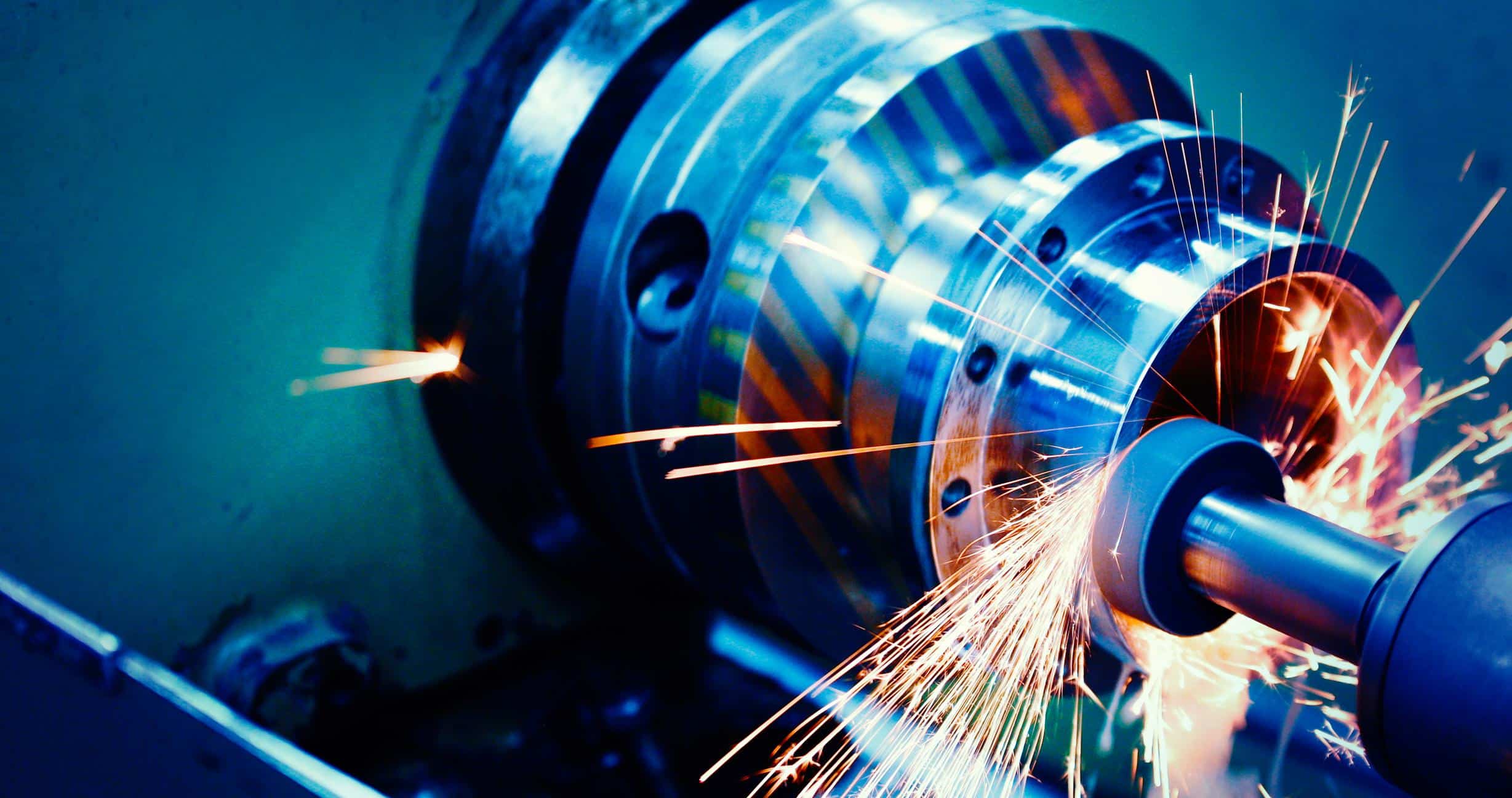
Stéréolithographie (SLA) est un fabrication additive à base de résine processus au cours duquel un Le laser UV polymérise le photopolymère liquide couche par couche, en créant des pièces très détaillées et de qualité cosmétique. Cette technologie est parfaite pour produire des pièces avec des finitions de surface exceptionnelles et des tolérances serrées, idéales pour les industries qui nécessitent précision et résolution fine à la fois pour les prototypes et les séries de production.
Utilise un photopolymère liquide qui se solidifie couche par couche sous l'effet de la lumière UV.
Le laser durcit la résine pour former des pièces précises avec une grande exactitude.
Parfait pour produire des détails fins et des finitions lisses, tant pour les prototypes que pour les produits finis.
Notre Stéréolithographie (SLA) Les services d'impression 3D offrent une tolérances dimensionnelles, à partir de standard à haute résolution afin de garantir la précision de vos pièces. Vous trouverez ci-dessous les tolérances, niveaux de résolutionet tailles de construction disponibles pour répondre aux divers besoins de vos projets.
|
Caractéristique de l'ANS |
Détails |
|
Tolérances dimensionnelles typiques |
±0,1 mm (standard), ±0,05 mm (haut), ±0,025 mm (micro) |
|
Niveaux de résolution |
Normal, Haut, Micro (pour les pièces détaillées et fines) |
|
Limites de taille des éléments |
Taille minimale de l'élément : 0,2 mm, idéal pour les géométries détaillées |
|
Lignes directrices relatives à l'épaisseur des parois |
Épaisseur minimale de la paroi : 0,5 mm pour les pièces à haute résistance |
|
Contraintes liées à la taille des pièces |
Dimensions maximales de la construction : 290 x 290 x 300 mm (dimensions personnalisées disponibles) |
Notre Stéréolithographie (SLA) Les services d'impression 3D offrent un large éventail de résines pour diverses applications, de la standard de type ABS résines pour matériaux d'ingénierie de spécialité. Que vous ayez besoin de prototypes très détaillés, composants transparentsou pièces de haute performanceNous fournissons des matériaux durables et précis pour répondre aux besoins de votre projet.
|
Type de matériau |
Description |
Applications |
Options de finition |
|
Résines standard et similaires à l'ABS |
Résines courantes idéales pour les prototypes et les pièces générales. |
Prototypes, produits de consommation, modèles visuels |
Polissage, peinture |
|
ABS-like White |
Matériau durable, à usage général, avec une bonne résistance aux chocs. |
Automobile, aérospatiale, produits de consommation |
Anodisation, revêtement par poudre |
|
Gris semblable à l'ABS |
Bon équilibre entre robustesse et résistance pour les pièces fonctionnelles. |
Pièces structurelles, prototypes fonctionnels |
Peinture, polissage |
|
ABS noir |
Résistance élevée et résistance aux chocs pour les pièces d'utilisation finale. |
Pièces fonctionnelles, applications industrielles |
Polissage, revêtement par poudre |
|
Résines translucides / claires |
Idéal pour les pièces claires, avec de bonnes propriétés optiques. |
Modèles optiques, dispositifs médicaux, écrans |
Polissage, peinture |
|
Résines d'ingénierie et de spécialité |
Résines de haute performance pour des applications spécialisées. |
Aérospatiale, médecine, automobile |
Revêtement, polissage, peinture |
|
Résines haute température |
Résiste aux températures élevées, utilisé pour les pièces exigeantes. |
Aérospatiale, automobile, industrie |
Revêtement, Polissage |
|
Résines de type PP |
Imite le polypropylène pour des pièces flexibles et durables. |
Conteneurs, boîtiers, pièces industrielles |
Peinture, revêtement par poudre |
|
Résines de type PC |
Offre une résistance aux chocs et une clarté optique. |
Pièces transparentes, composants électriques |
Anodisation, revêtement |
|
Résines remplies de céramique |
Renforcé pour une grande résistance dans les environnements extrêmes. |
Automobile, aérospatiale, composants pour poids lourds |
Polissage, revêtement |
|
Résines flexibles / siliconées |
Souple, il est idéal pour les applications de type caoutchouc. |
Joints d'étanchéité, dispositifs portables |
Bardage, revêtement par poudre |
Pour garantir des performances et une imprimabilité optimales, nos Stéréolithographie (SLA) Les services d'impression 3D requièrent une attention particulière aux directives de conception. Ces recommandations permettent de minimiser les défauts d'impression et d'améliorer la précision et la qualité globales de la pièce finale. Que vous travailliez sur des prototypes ou des pièces de série, ces conseils de conception rationaliseront le processus d'impression et garantiront des résultats précis.
|
Paramètres de conception |
Recommandation |
|
Épaisseur minimale de la paroi |
0,5 mm pour des caractéristiques fines et une résolution plus élevée ; 1,5 mm pour les pièces structurelles afin d'en assurer la stabilité. Les parois minces peuvent entraîner des déformations lors de l'impression ou du post-traitement. |
|
Limites de taille des éléments |
0,2 mm est la taille minimale pour les éléments fins tels que les épingles ou les détails ; les éléments plus petits risquent de ne pas être précis ou de ne pas s'imprimer correctement. |
|
Diamètre du trou |
0,5 mm est le diamètre minimum des trous, mais des diamètres plus importants (2mm+) sont recommandés pour améliorer le flux des matériaux et l'intégrité structurelle. |
|
Considérations relatives au placement de l'aide |
Les structures de support doivent être placées stratégiquement sur les surplombs ou les géométries complexes afin d'éviter toute défaillance de l'impression. Essayez de minimiser les matériaux de support pour réduire le traitement ultérieur. |
|
Orientation pour la qualité de surface |
Pour obtenir la meilleure finition de surface, placez la pièce avec la plus grande surface plane parallèle à la plaque de construction. Cela permet de réduire les lignes de couche et d'améliorer la qualité esthétique de la pièce. |
|
Surplombs et angles |
Éviter les surplombs supérieurs à 45°. Si des surplombs sont nécessaires, veillez à ce que le support soit placé de manière adéquate afin d'éviter tout affaissement ou toute déformation pendant l'impression. |
|
Rapport d'aspect |
Pour les pièces ayant un rapport hauteur/largeur élevé, il faut envisager d'ajouter des supports ou d'ajuster l'orientation afin d'éviter les faiblesses structurelles. |
|
Texte et détails |
Pour le texte ou les détails fins, un taille de police minimale de 3 mm est recommandée pour garantir la lisibilité et la clarté de la pièce finie. |
|
Prototypage et production |
Utiliser des parois plus fines et une résolution plus élevée pour prototypesmais pour pièces de productionLes parois sont plus épaisses et les matériaux plus durables pour une plus grande solidité. |
Notre Services d'impression 3D par stéréolithographie (SLA) offrent une variété de options de finition de surface pour améliorer l'aspect et la fonctionnalité de vos pièces. Que vous soyez à la recherche d'un aspect lisse et poli ou revêtements fonctionnelsNous proposons des finitions qui répondent à vos besoins spécifiques, tant pour les l'attrait esthétique et la durabilité.
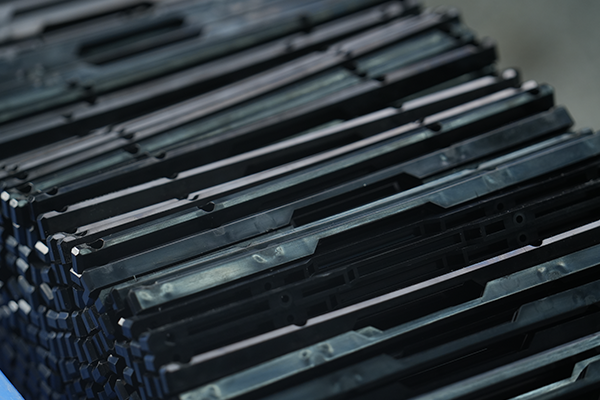
|
Finition la plus rapide avec des lignes de couche visibles, idéale pour les prototypes fonctionnels. |
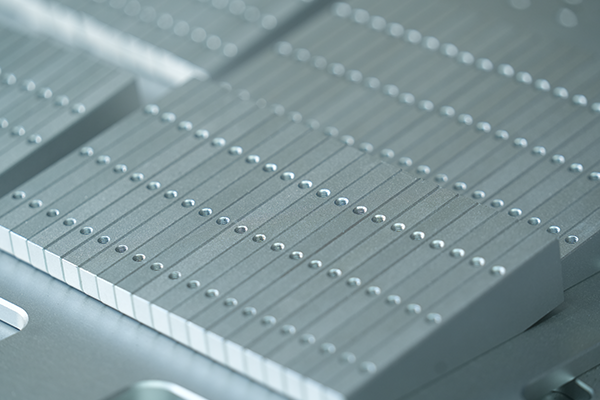
Finition lisse après l'enlèvement du support, laissant de légères traces d'outils.
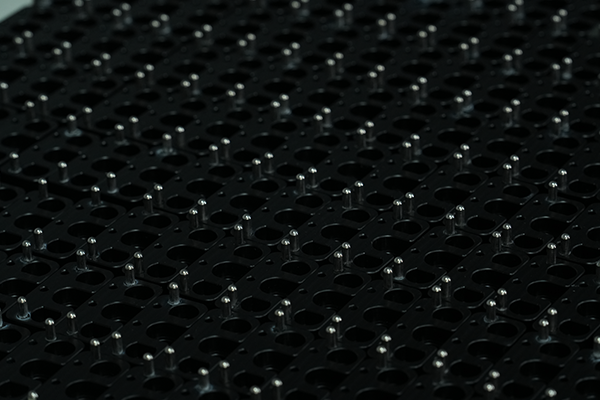
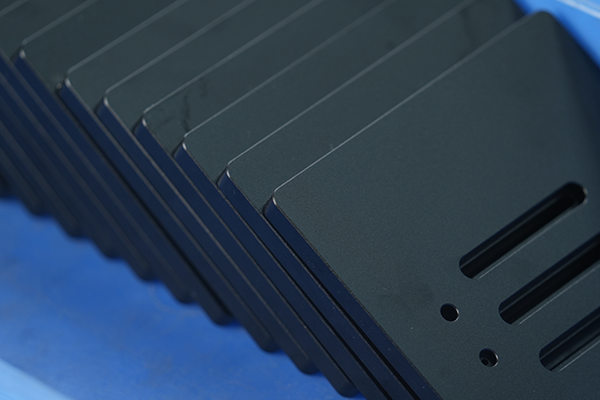
Une texture de surface mate et uniforme créée par le sablage, réduisant les imperfections.
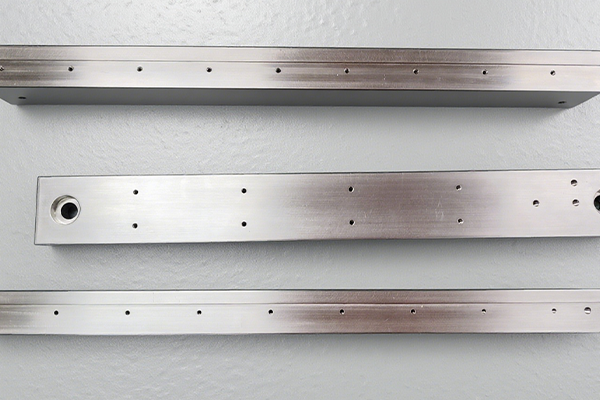
Finition très brillante obtenue par polissage, idéale pour les pièces d'exposition.
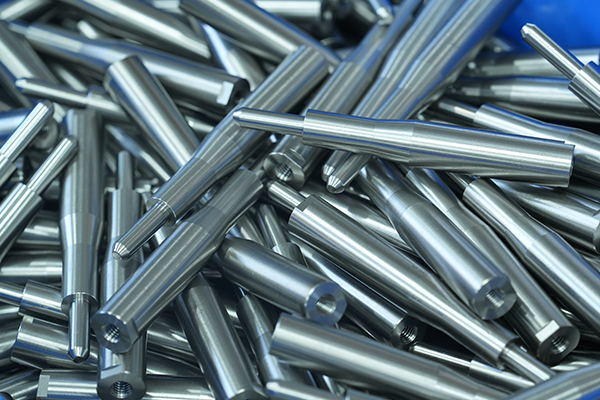
Des revêtements personnalisés comme la peinture pour un aspect et une protection éclatants et sur mesure.
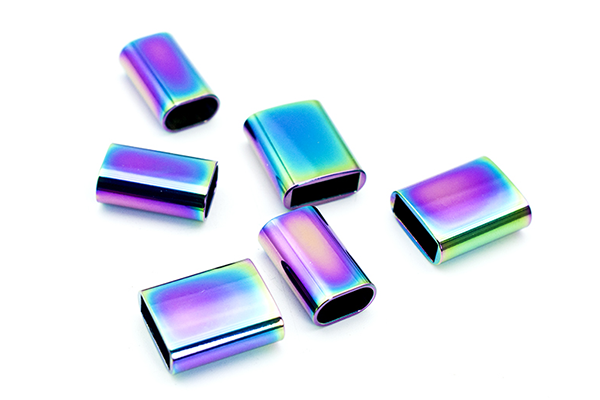
Couche protectrice et brillante, améliorant l'esthétique avec une durabilité supplémentaire.
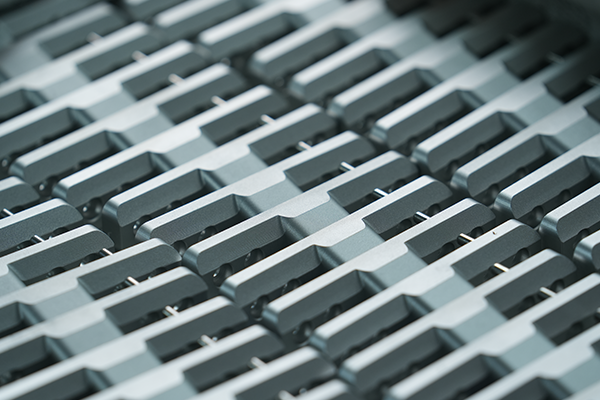
Ajoute une texture unique pour des besoins esthétiques ou fonctionnels spécifiques.
Finition lisse et mate par sablage, parfaite pour améliorer l'esthétique et la durabilité.
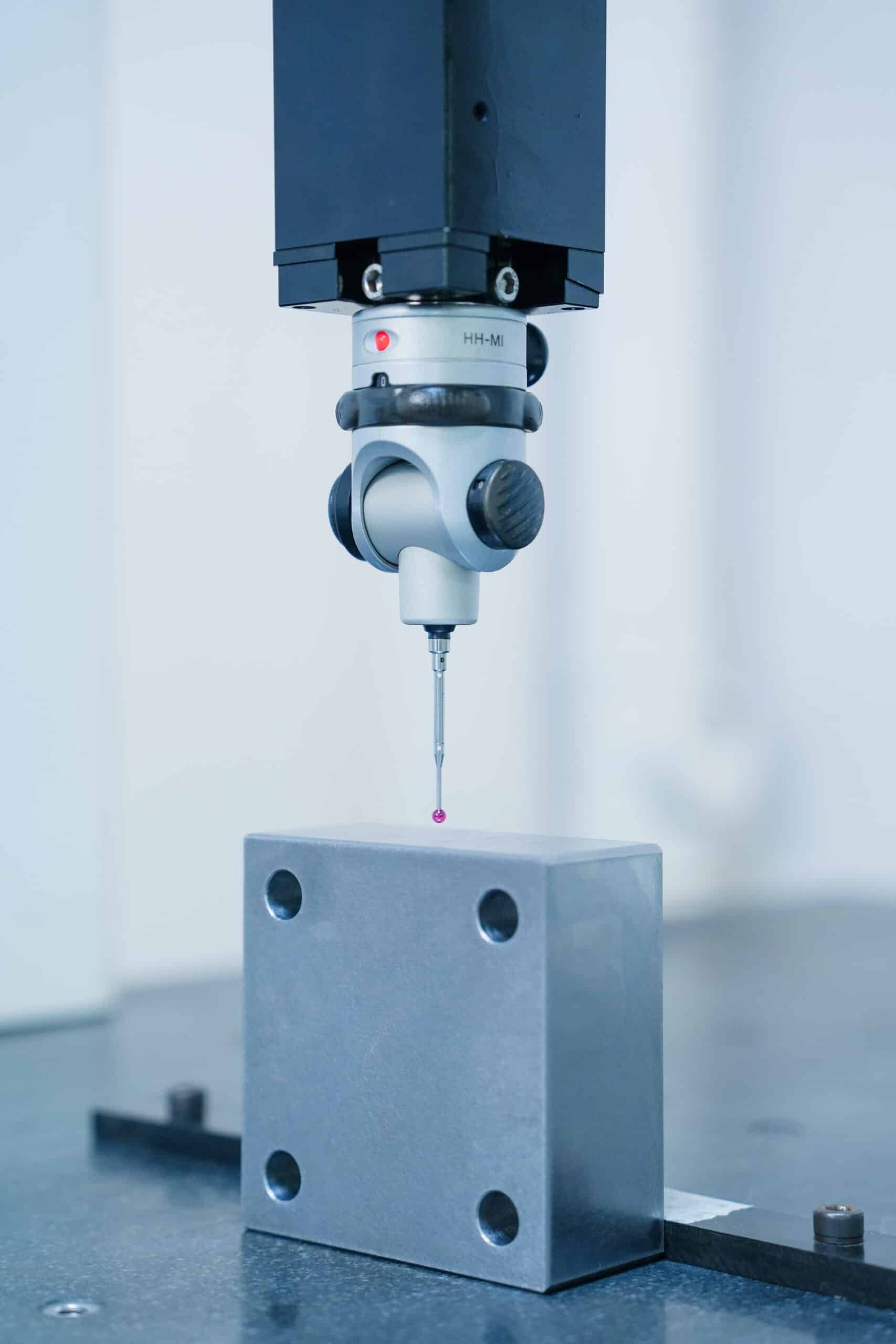
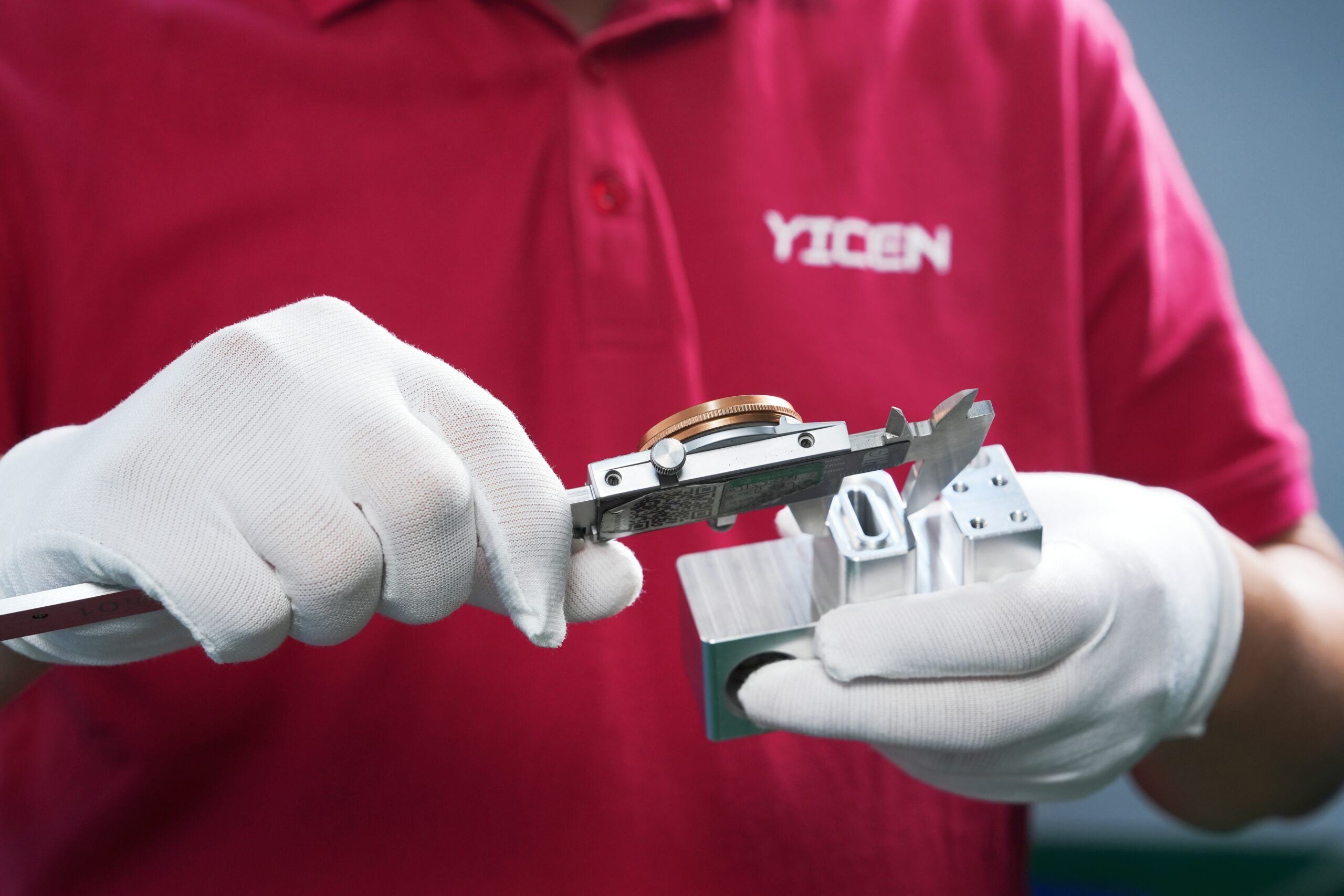
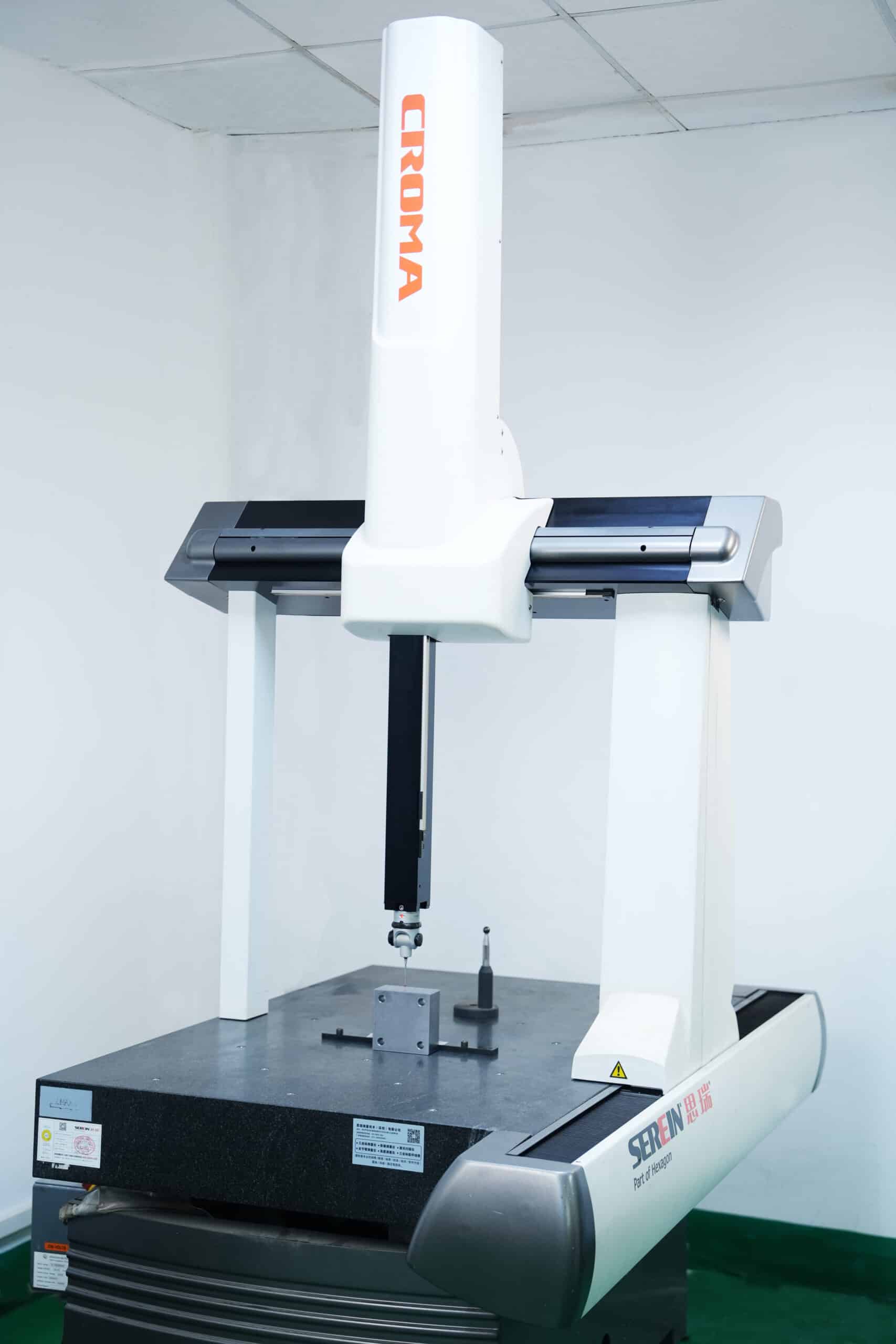
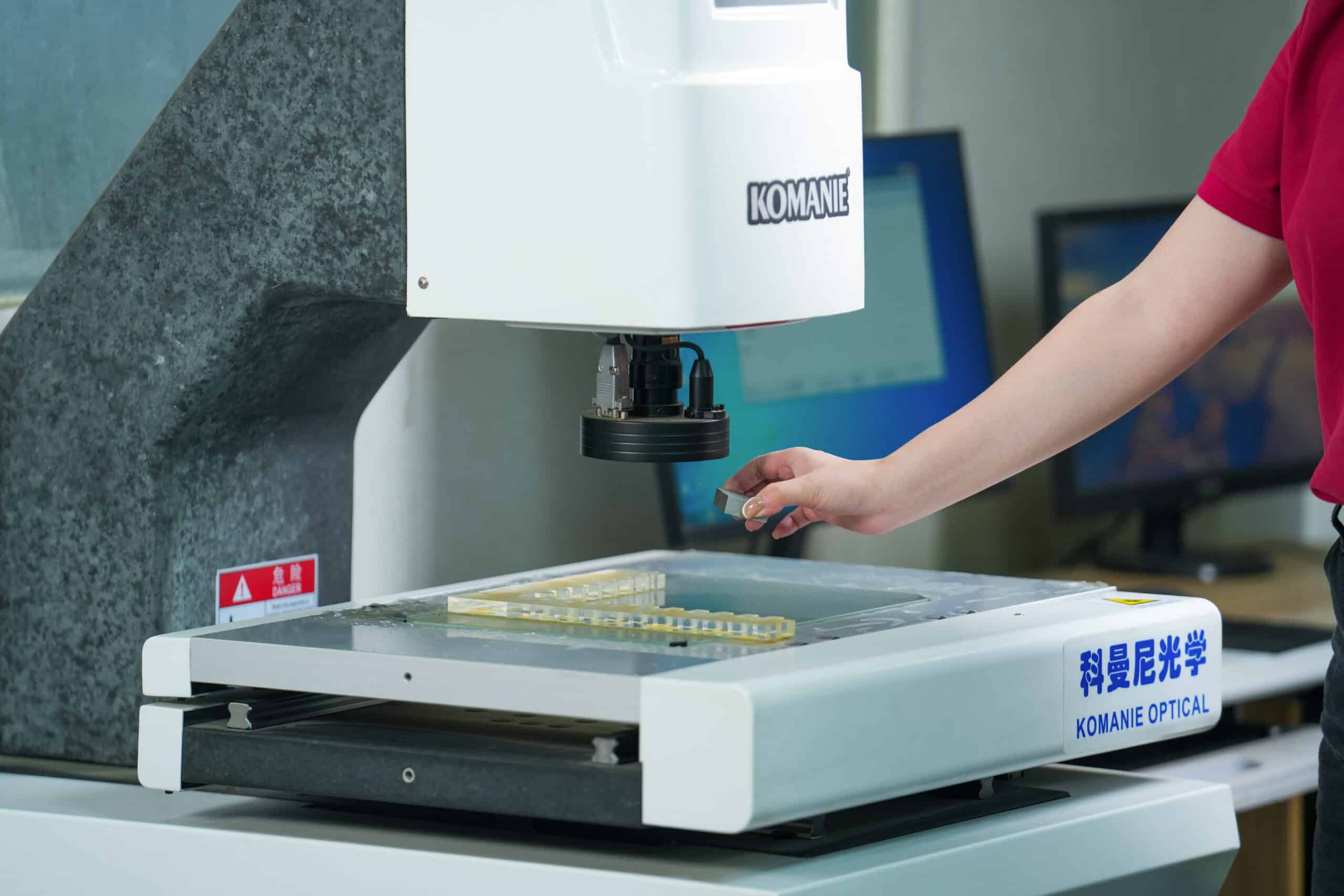
Au Précision Yicennous nous assurons que chaque Stéréolithographie (SLA) Les pièces imprimées en 3D répondent aux normes de qualité les plus élevées grâce à un processus d'inspection approfondi. Notre équipe d'experts utilise une variété d'outils et de techniques avancés pour vérifier l'exactitude et l'intégrité de chaque pièce, de inspections visuelles à préciser vérification dimensionnelle et contrôles de la qualité de la surface.
Chaque pièce fait l'objet d'un contrôle visuel complet afin d'identifier les éventuels défauts et de s'assurer que les pièces répondent aux exigences esthétiques et fonctionnelles.
Nous utilisons des outils avancés tels que des machines à mesurer tridimensionnelles (MMT) et des micromètres numériques pour vérifier les dimensions des pièces avec précision et garantir qu'elles respectent des tolérances strictes.
La qualité de la finition de la surface des pièces est vérifiée, ce qui garantit une douceur, une texture et une consistance conformes aux normes définies en matière d'aspect cosmétique et de fonctionnalité.
Tous nos processus sont conformes aux normes internationales telles que ISO 9001:2015 et AS9100DNous nous efforçons de garantir la fiabilité et la transparence de toutes les pièces que nous produisons. Confiance Précision Yicen pour vos besoins d'impression 3D SLA avec une qualité et une cohérence garanties.
Pour commencer, téléchargez facilement vos fichiers CAO via notre plateforme en ligne sécurisée.
Choisissez votre matériau, votre finition, vos tolérances et le délai de livraison souhaité pour répondre aux besoins de votre projet.
Recevez un devis en temps réel sur la base de votre conception et des spécifications sélectionnées, sans délai.
Vos pièces sont fabriquées par des partenaires de confiance, soumises à un contrôle de qualité et livrées à votre porte dans les délais impartis.
Au Précision YicenNous sommes spécialisés dans la fourniture de Impression 3D SLA à haute résolution services avec des délais d'exécution rapides et finitions de qualité cosmétique. Notre équipe d'experts assure une sélection précise des matériaux et fournit une soutien à l'ingénierie pour vos projets, tout en maintenant Qualité certifiée ISO.
Nous fournissons Stéréolithographie (SLA) Impression 3D avec une résolution exceptionnelle, garantissant des détails complexes et des caractéristiques fines dans chaque pièce.
Avec une large gamme de résines disponibles, y compris de qualité technique et matériaux de qualité cosmétiqueNous proposons des solutions sur mesure pour tous les projets.
Nos impressions SLA atteignent finitions lisses et brillantes idéal pour les applications fonctionnelles et visuelles, garantissant un aspect professionnel.
De prototypage à productionEn outre, nous offrons des délais d'exécution rapides, ce qui garantit la livraison de vos pièces dans les délais prévus sans compromettre la qualité.
Notre équipe d'experts fournit des services complets soutien à l'ingénieriequi vous guide dans la conception, la sélection des matériaux et l'optimisation de l'impression.
Nous adhérons à ISO 9001:2015 et AS9100D et de veiller à l'application des normes une précision constante et la qualité dans chaque pièce que nous produisons.
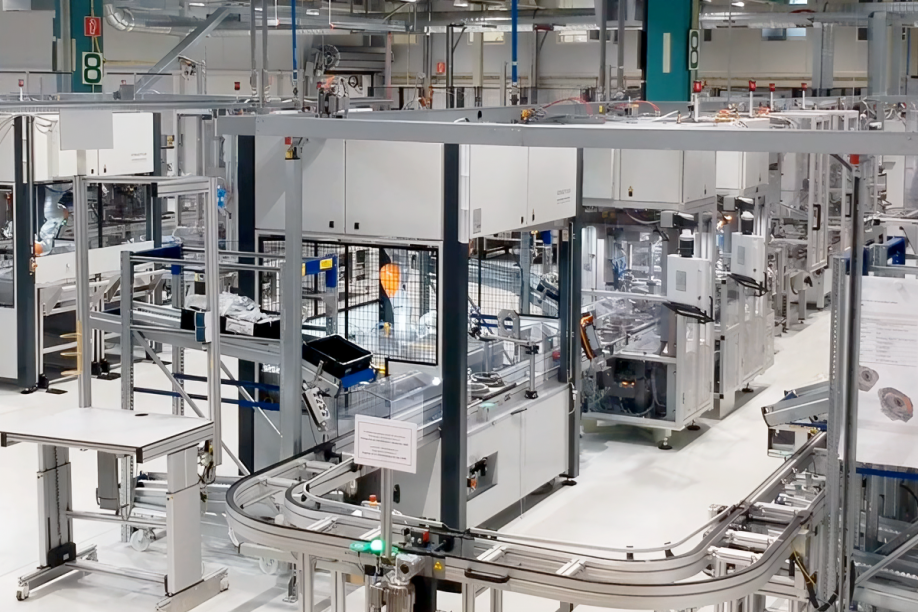
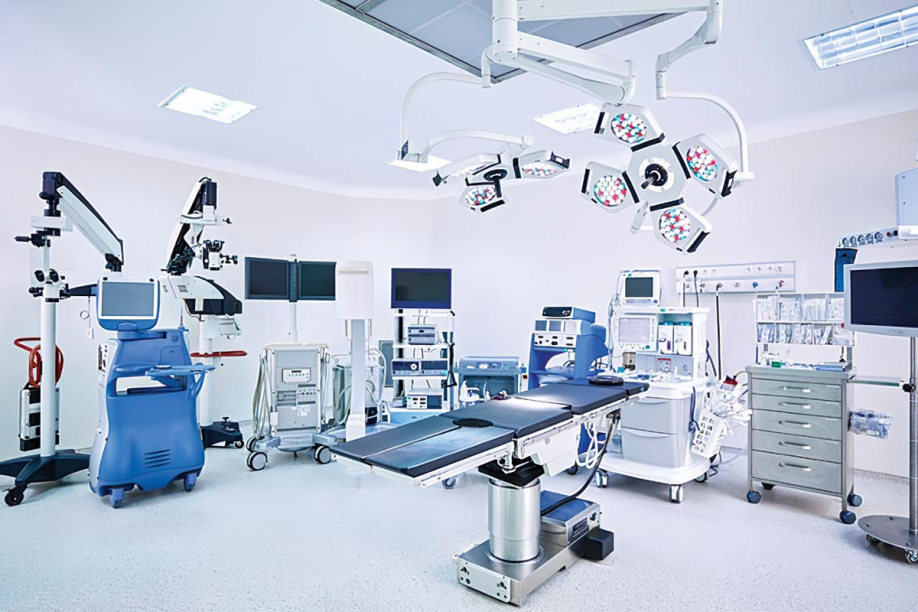
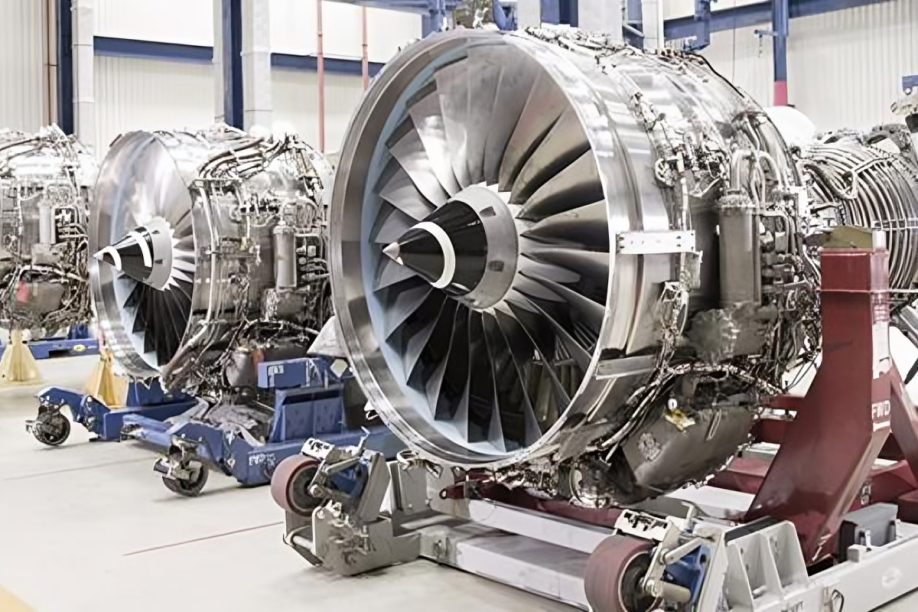
Yicen Precision est au service d'un large éventail d'industries, couvrant l'aérospatiale, l'automobile, l'électronique, le médical et bien d'autres encore. Nous sommes spécialisés dans la fourniture de pièces fiables et de haute qualité, conçues pour répondre aux défis techniques uniques de chaque industrie.
Avantages
L'impression 3D SLA offre plusieurs avantages clés, ce qui en fait le choix privilégié pour les pièces de précision et les prototypes fonctionnels dans diverses industries.
Applications
L'impression 3D par stéréolithographie (SLA) est largement utilisée dans diverses industries pour produire des pièces et des composants de haute précision, offrant des capacités exceptionnelles pour les prototypes et la production finale.
Nous sommes spécialisés dans la transformation de vos idées en composants fonctionnels de haute qualité, avec une rapidité et une précision inégalées. Grâce à une technologie de pointe et à un savoir-faire expert, nous créons des pièces qui répondent aux spécifications les plus complexes.
Quand le SLA est-il le meilleur choix pour l'impression 3D ?
L'ANS est le meilleur choix pour créer prototypes très détaillés, pièces cosmétiqueset les modèles qui requièrent surfaces lisses et une résolution fine, en particulier lorsque qualité esthétique est une priorité.
Quelle est la qualité de l'état de surface des pièces imprimées en SLA ?
Les pièces SLA sont réputées pour leur finition lisse de la surface avec un minimum de lignes de couche, ce qui les rend idéales pour applications cosmétiques et les pièces qui nécessitent un aspect poli et raffiné.
Quels sont les délais typiques de l'impression 3D SLA ?
Délais typiques pour Impression 3D SLA s'échelonnent de 1 à 3 jours pour les prototypes, et jusqu'à 1 semaine pour les séries de production, en fonction de la complexité et du volume des pièces.
L'ALS peut-elle imprimer des pièces transparentes ?
Oui, l'ALS peut imprimer pièces claires en utilisant translucide ou résines transparentesIl est donc idéal pour des applications telles que modèles optiques, dispositifs médicauxou essais d'écoulement des fluides.
Quel est le matériel disponible pour l'ALS ?
L'ALS utilise différents résines, y compris De type ABS, clair/translucide, haute températureet résines flexiblespermettant une personnalisation pour différentes applications, de prototypes à pièces d'utilisation finale.
 French
  English
  Spanish
  Japanese
  German
  Portuguese