...
  1. Accueil
  2. "
  3. Indústria
  4. "
  5. Indústria automóvel
  6. "
  7. Differential Cases CNC Machining for…

Catheters and Tubing CNC Machining for Medical Devices Industry

Yicen Precision manufactures precision catheter components and tubing parts with micro-tolerances to ±0.0002″ and biocompatible material compatibility. Our ISO 13485-certified facility produces catheter hubs, connectors, guidewire components, and tubing fittings that ensure safe fluid delivery and minimally invasive access. Trust our micro-machining expertise for critical catheter components—request your precision manufacturing quote today.

catheters and tubing cnc machining for medical devices industry

Machining services Solutions for Medical Device Production

 At Machining services, we understand the critical importance of precision and safety in medical device manufacturing. Our CNC machining services are ideal for producing high-quality, reliable components for devices used in diagnostics, surgical tools, implants, and more. With a focus on tight tolerances, biocompatible materials, and regulatory compliance, we ensure every part meets the rigorous standards of the healthcare industry. Whether you’re working on prototypes or full production runs, we provide machining solutions that help advance patient care and medical technology.

catheters and tubing cnc machining for medical devices industry (1)

Solutions for Catheters and Tubing CNC Machining Medical Devices

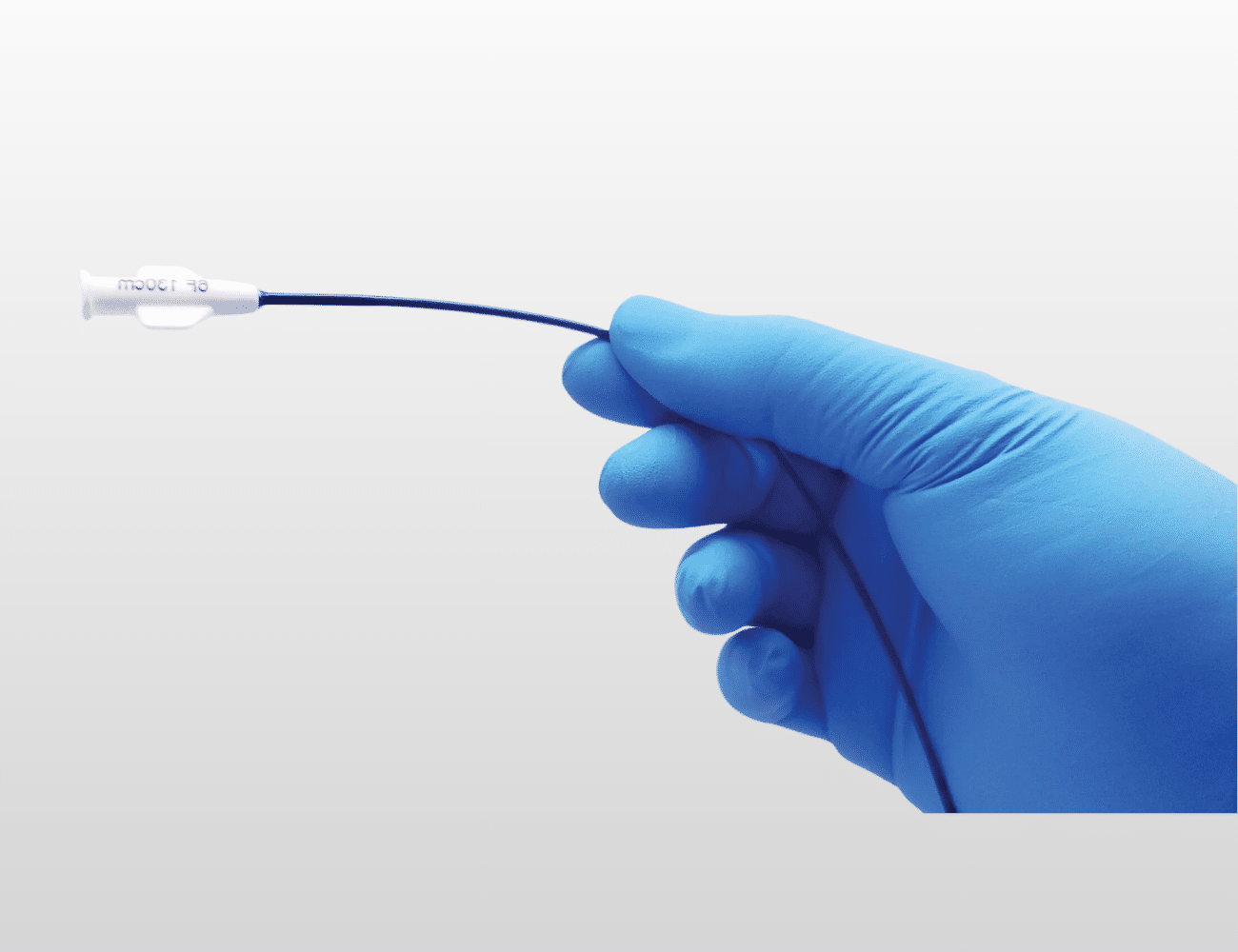
Catheter and tubing components enable life-saving minimally invasive procedures, requiring exceptional precision and smooth surfaces for safe vascular navigation and reliable fluid delivery. Yicen Precision specializes in catheters and tubing CNC machining, manufacturing catheter hubs, luer connectors, guidewire tips, introducer sheaths, valve bodies, tubing adapters, and manifold components. Our advanced 5-axis milling centers and precision multi-axis lathes with micro-tooling capabilities produce the intricate geometries, thin walls, and fine threads essential for catheter system functionality and patient safety.

We excel in machining catheters and tubing components from biocompatible materials including medical-grade stainless steel (304, 316L), titanium alloys, PEEK polymers, medical-grade plastics (polycarbonate, nylon), and specialized alloys like nitinol for shape-memory applications. Every catheters and tubing CNC machining project adheres to ISO 13485, FDA 21 CFR Part 820, ISO 10993 biocompatibility standards, and USP Class VI requirements. Our precision micro-machining, ultra-smooth surface finishing, and comprehensive dimensional inspection ensure fluid flow efficiency and repeatability from prototype development through high-volume production for cardiovascular, surgical, and diagnostic catheter manufacturers worldwide.

CNC Parts We Deliver for Medical Devices

Surgical Instruments and Tools
Implantable Components
Medical Equipment Housings
Diagnostic Device Parts
Custom Connectors and Mounts
Orthopedic Components
Catheters and Tubing
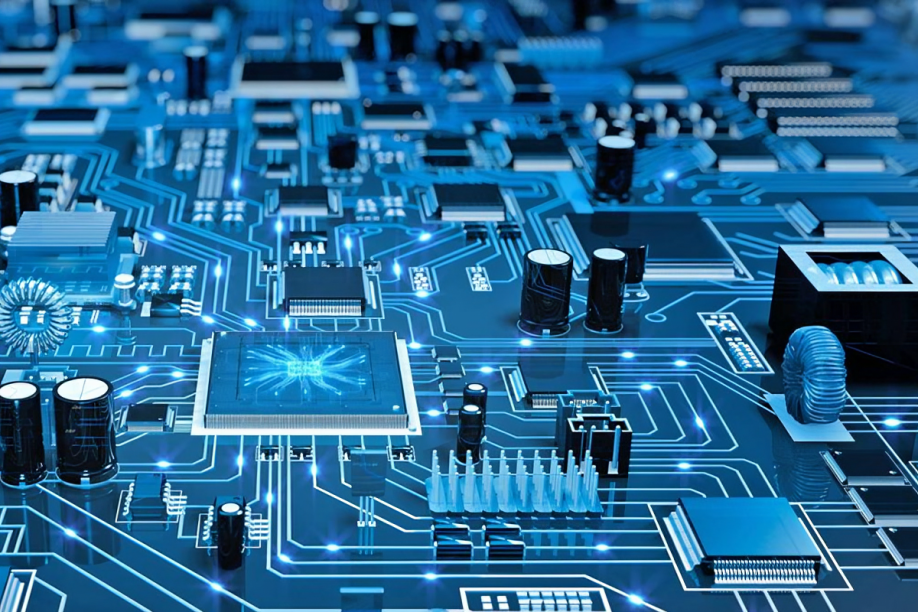
Enclosures for Medical Electronics
Drug Delivery System Components
Prototipagem

CNC Parts We Deliver for Medical Devices

 We provide precision-machined components for medical devices, ensuring compliance with strict quality standards and supporting innovation in healthcare technology.


Surgical Instruments and Tools
Implantable Components
Medical Equipment Housings
Diagnostic Device Parts
Custom Connectors and Mounts
Orthopedic Components
Catheters and Tubing
Enclosures for Medical Electronics
Drug Delivery System Components
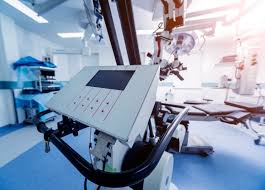
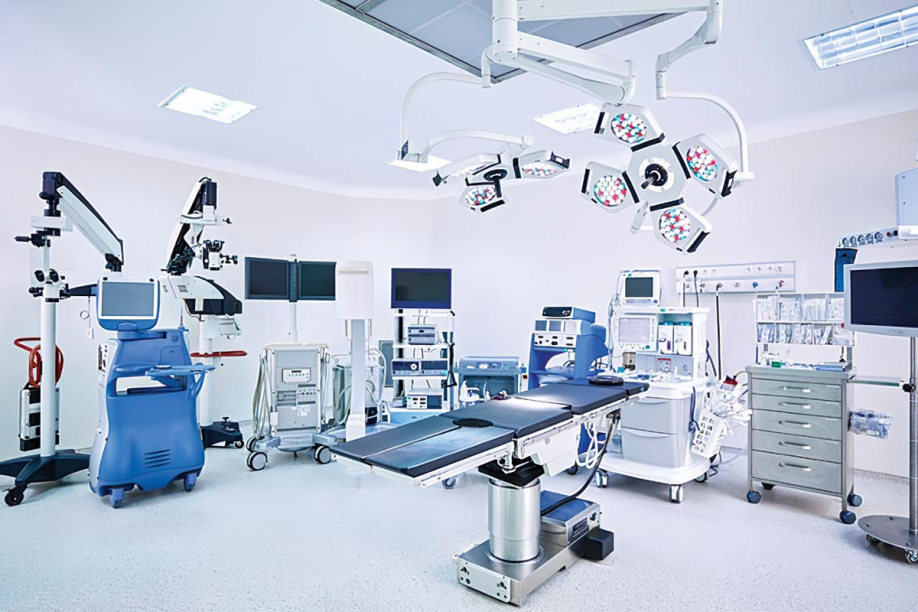
Advanced Medical Equipment
Innovative Medical Technology
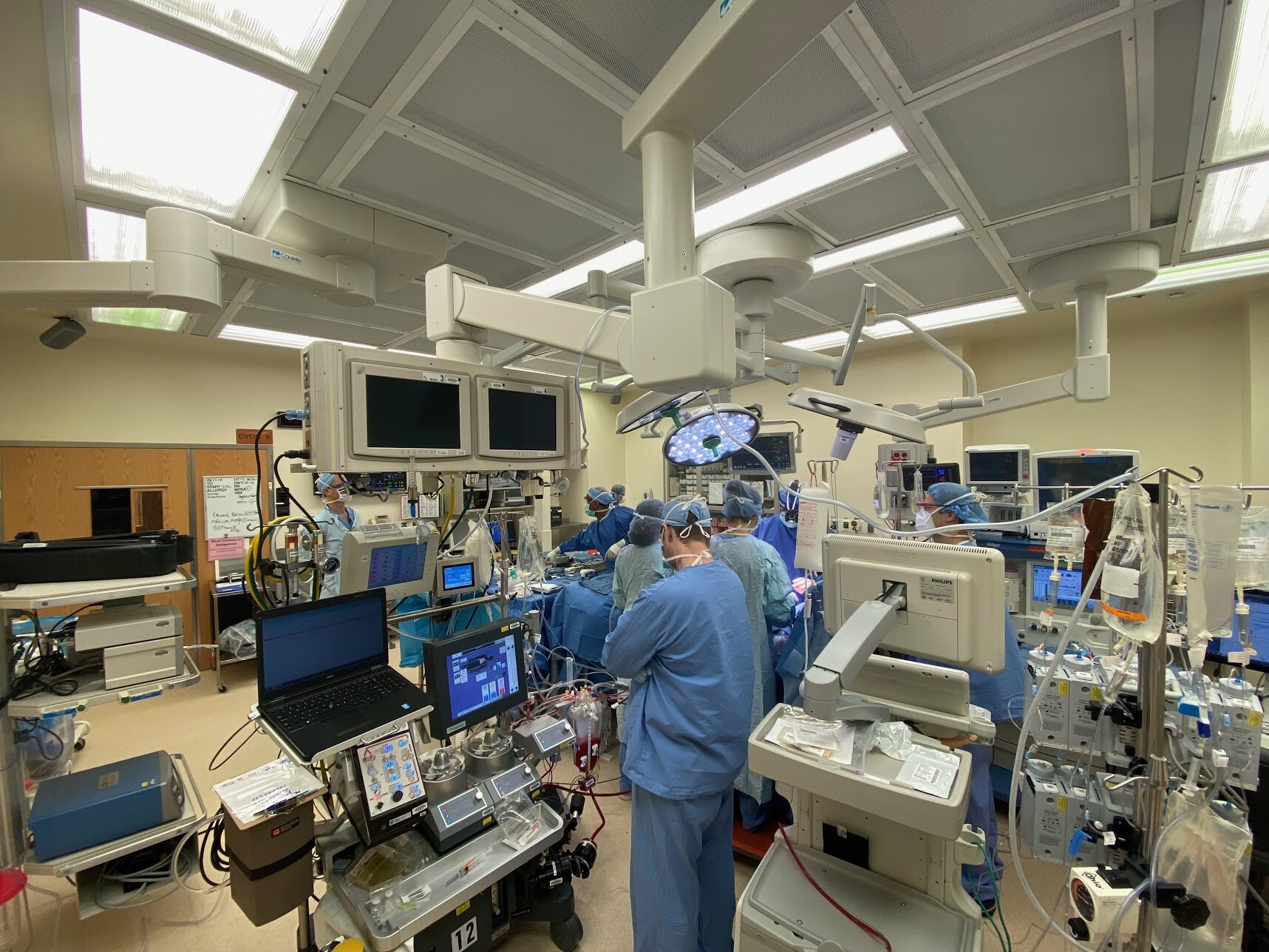
Surgical Team in Operation
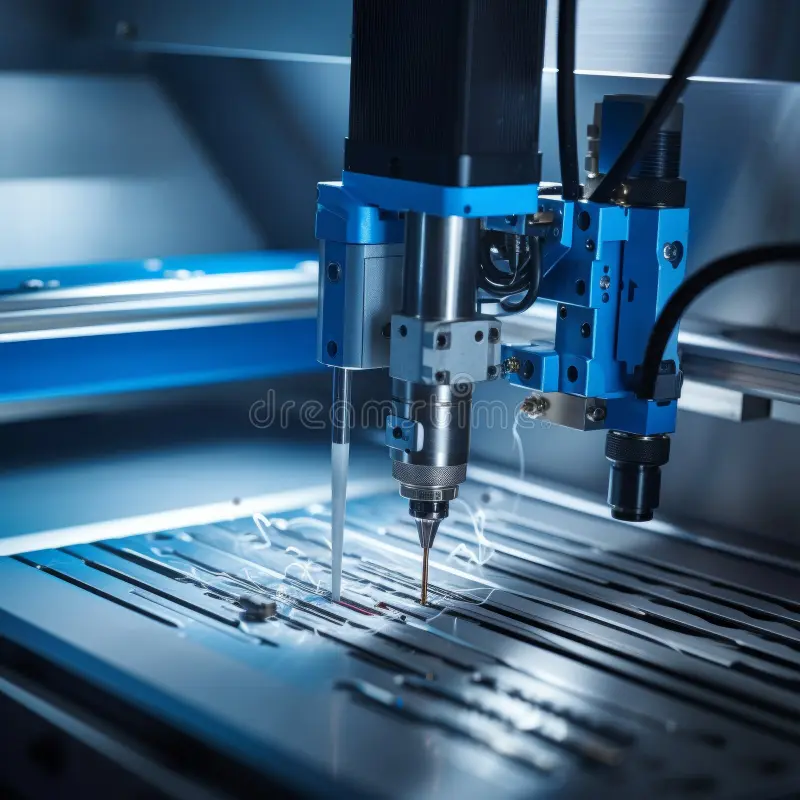
Precision CNC Machining

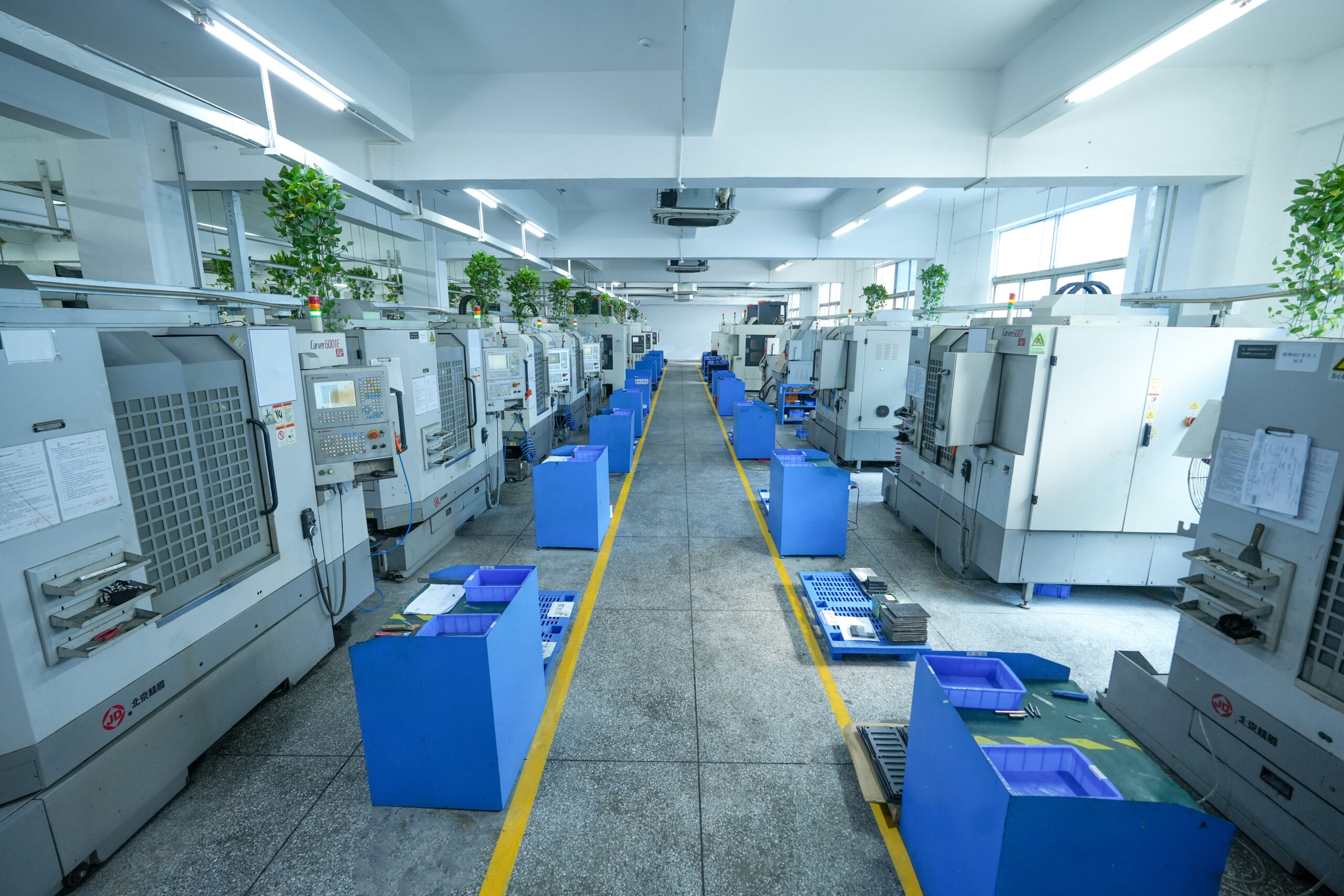
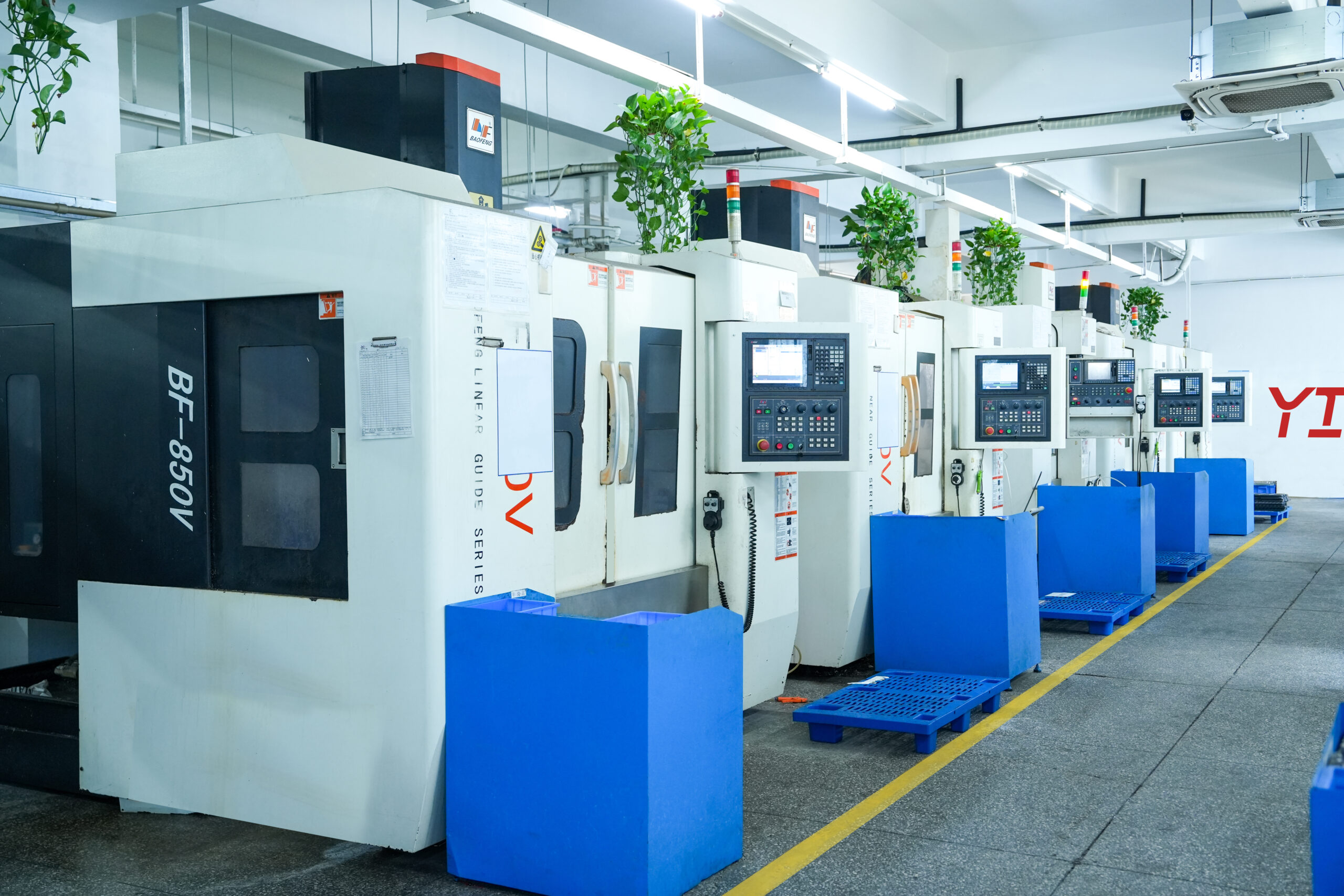
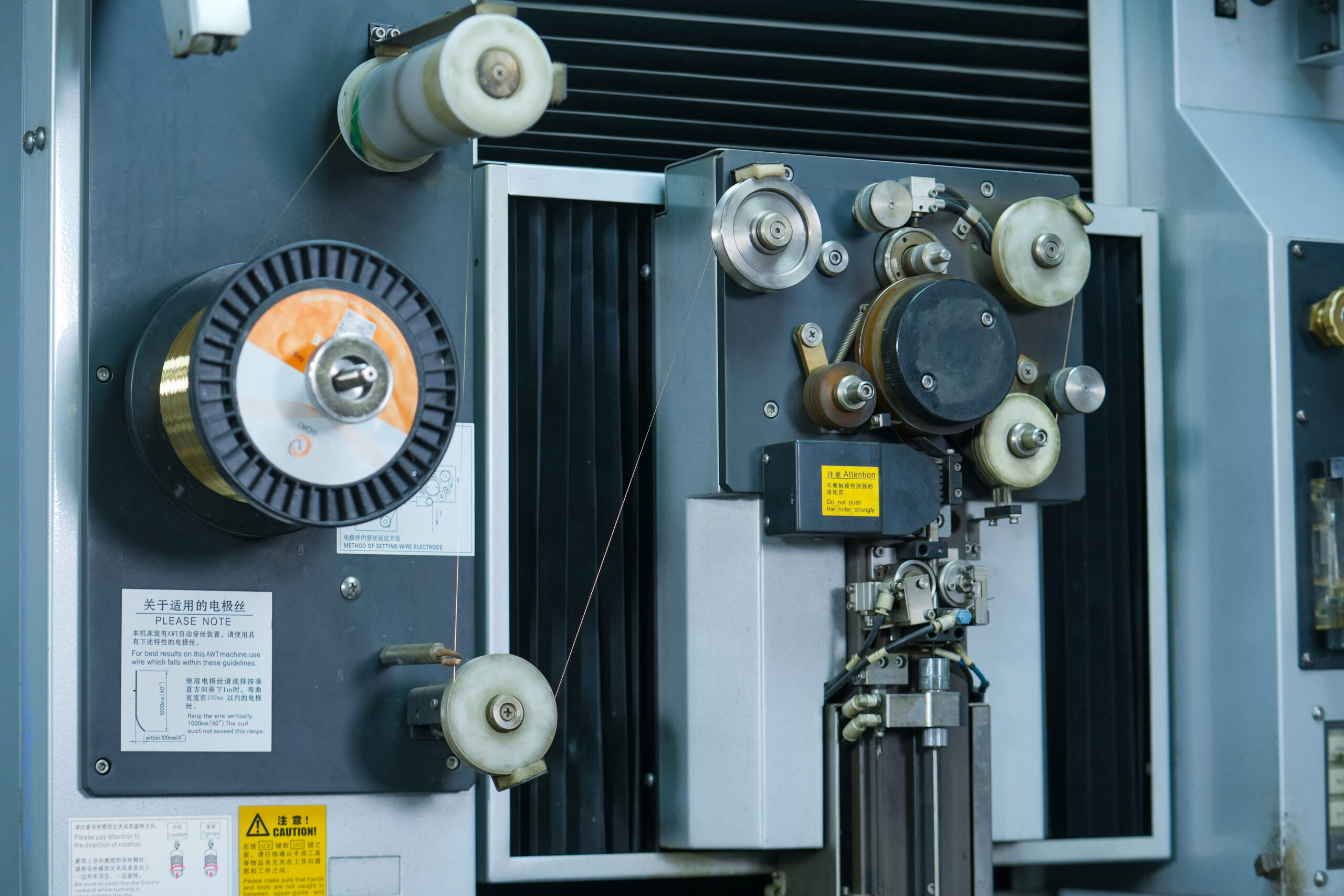
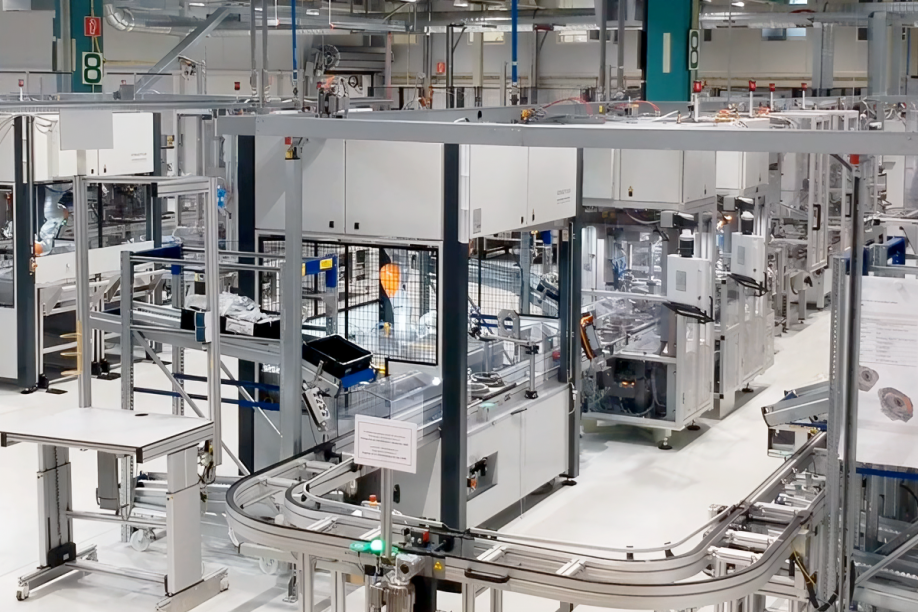
Instalações de última geração

Equipado com a mais recente tecnologia e maquinaria avançada para garantir um fabrico preciso e de alta qualidade.
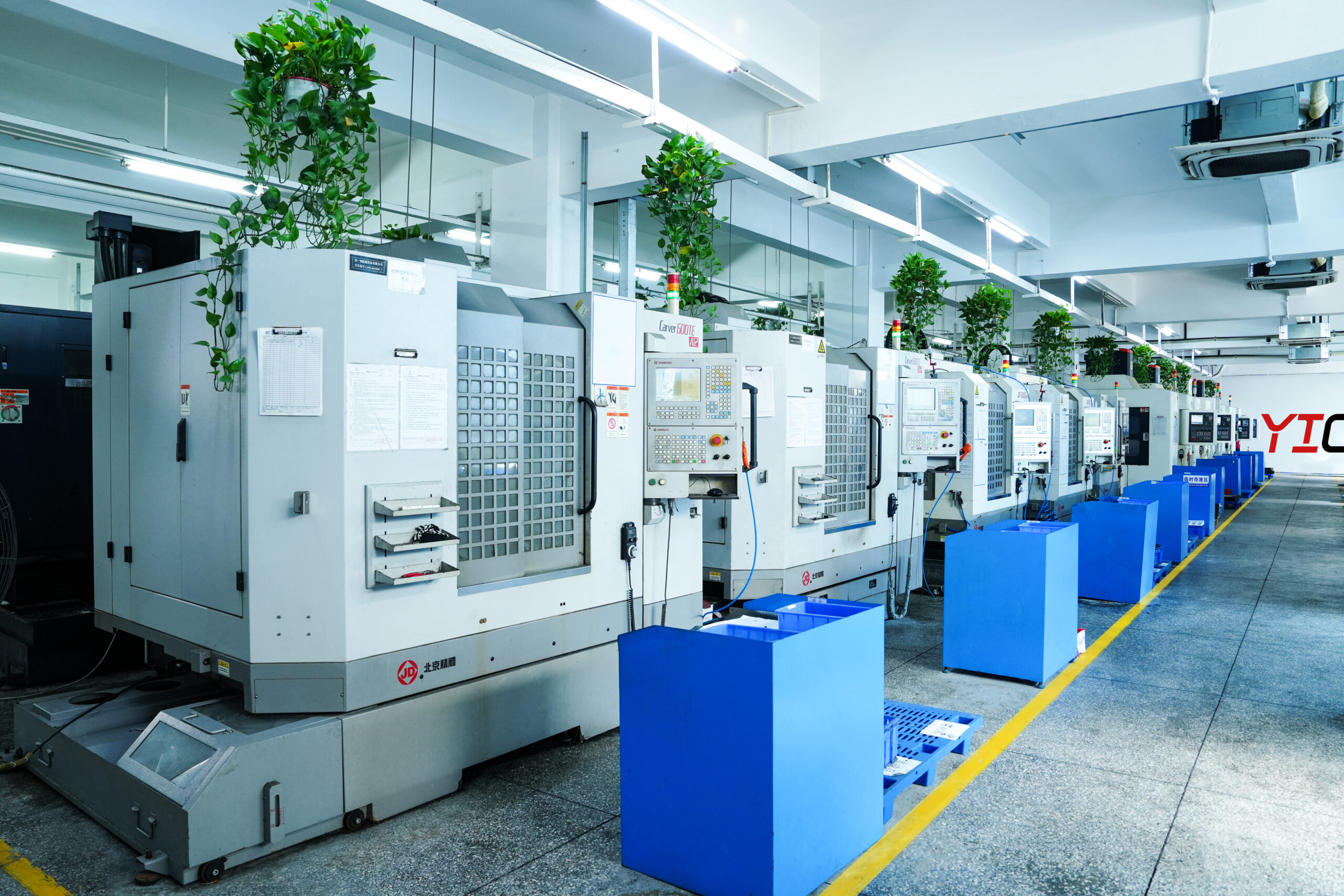
Centro de maquinação de precisão

Fabrico CNC de alta precisão com tecnologia avançada e eficiência inigualável.

Differential Cases CNC Machining
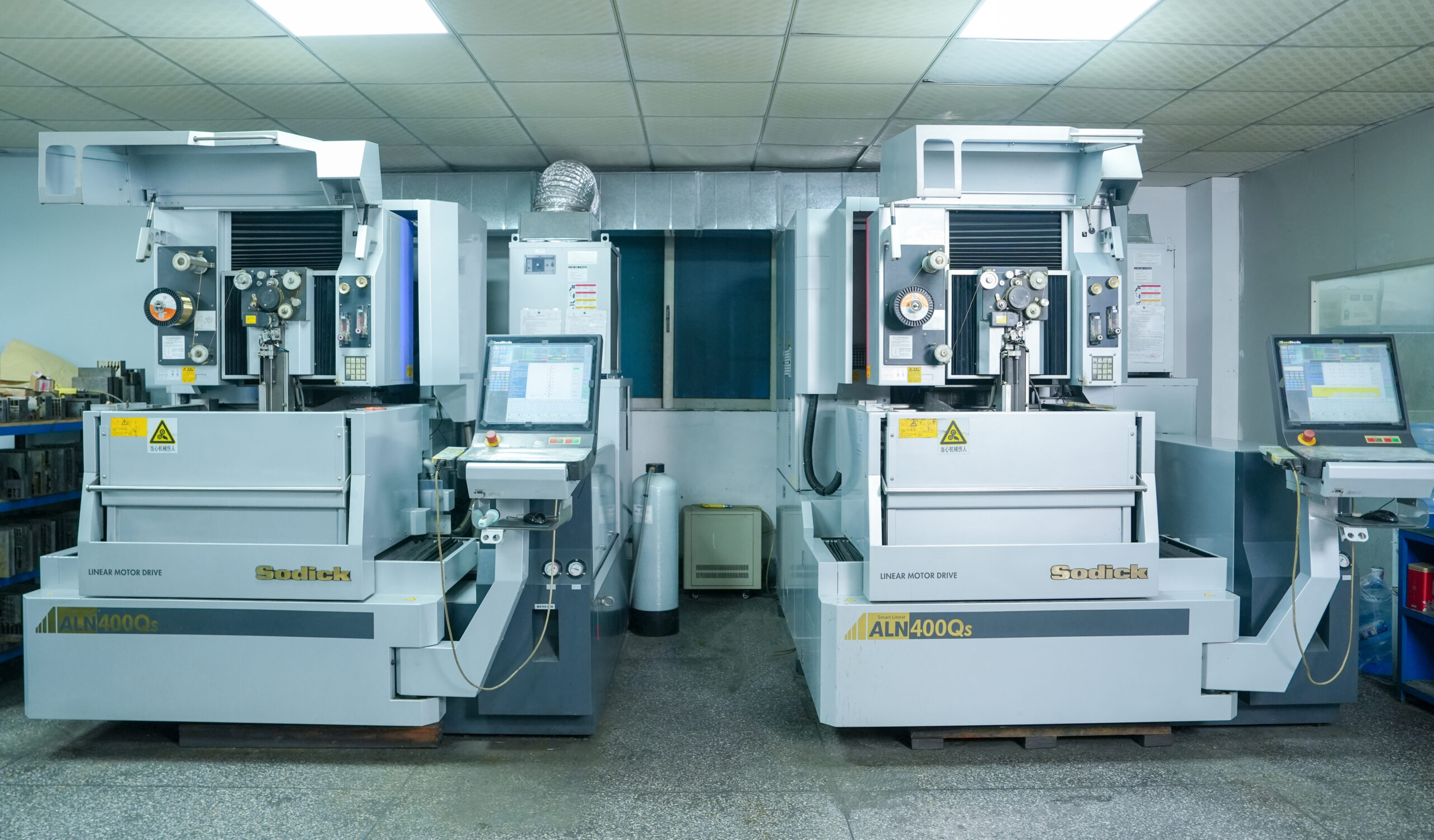
Oficina de produção CNC

Produção CNC optimizada utilizando máquinas de última geração para uma qualidade consistente.

Differential Cases CNC Machining
Centro de fabrico CNC avançado

Fabrico e montagem especializados de componentes CNC complexos sob o mesmo teto.

Differential Cases CNC Machining
Instalação de maquinação automatizada

Operações CNC totalmente automatizadas que permitem uma maquinação rápida, precisa e fiável.

Differential Cases CNC Machining
Oficina CNC de alto desempenho

Optimizado para fornecer peças CNC de qualidade superior com velocidade e precisão.

Differential Cases CNC Machining
Instalação de produção CNC integrada

Fabrico CNC de ponta a ponta com fluxos de trabalho contínuos e resultados superiores.

Differential Cases CNC Machining

Materials for Medical Device

We offer metal alloys and high-performance plastics for medical device parts, ensuring durability, safety, and compliance for prototyping and production needs.

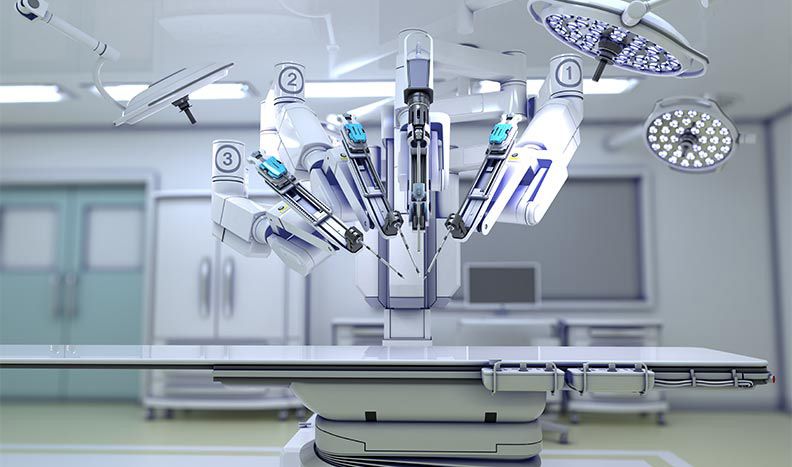
Robotic Surgical System

Alumínio: 5052, 6061-T6, 7075-T6, 2024-T351
Titanium: Grade 1, Grade 2, Grade 5
Brass & Copper Alloys: C360, Copper C110, C101
Thermoplastics: PC, ABS, PLA, PEEK, Ultem 1010, PA 12
Commodity polymers: HDPE, UHMW-PE , Garolite G-10, FR4

Surface Finishes for Medical Device

Our surface finishes, including anodizing and electroplating, enhance corrosion resistance, biocompatibility, and wear resistance for medical device components.

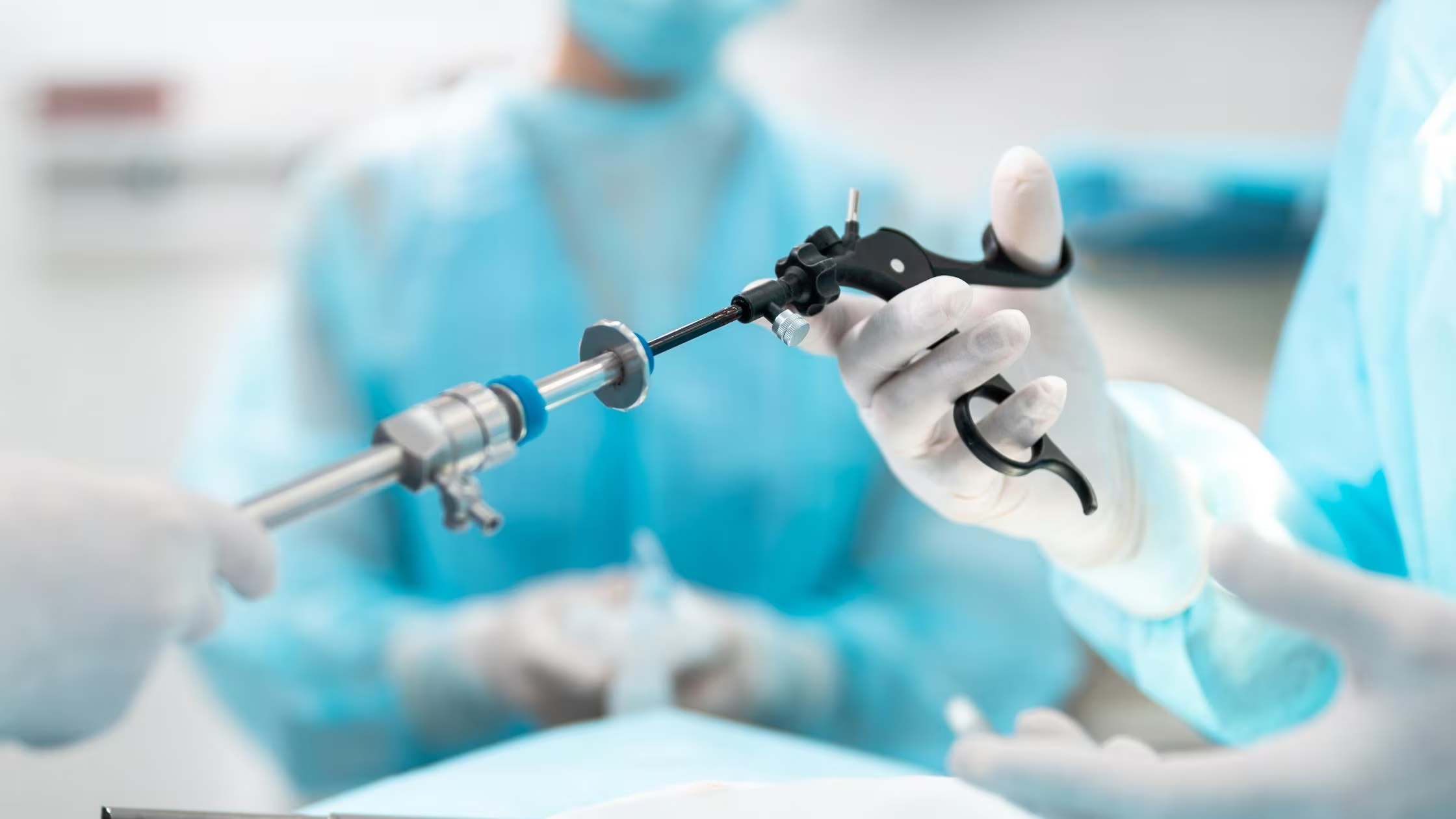
Surgical Tool in Use

Anodização
Como maquinado
Explosão Bred
Óxido preto
Electropolimento
Niquelagem electrolítica
Revestimento de conversão de cromato
Maquinação fina
Revestimento em pó
Polimento
Maquinação suave

Indústrias que servimos

A Yicen Precision serve um vasto espetro de indústrias, abrangendo a indústria aeroespacial, automóvel, eletrónica, médica e muito mais. Somos especializados no fornecimento de peças fiáveis e de alta qualidade, concebidas para responder aos desafios de engenharia únicos de cada indústria.

O que dizem os clientes

Veja porque é que os clientes confiam na Yicen Precision para a maquinagem CNC. Os nossos testemunhos destacam a satisfação com a precisão, a qualidade, a entrega atempada e o apoio dedicado, fomentando parcerias duradouras em todos os sectores a nível mundial.

Ligar-se a nós

Transformar conceitos em peças de precisão

Somos especialistas em converter as suas ideias em componentes funcionais de alta qualidade, com uma velocidade e precisão sem paralelo. Com tecnologia avançada e perícia artesanal, criamos peças que cumprem as especificações mais complexas.

Entre em contacto connosco!
Resposta rápida garantida no prazo de 12 horas
🔐 Todos os carregamentos são seguros e confidenciais

Detailed Information About Catheters and Tubing

A. What Are Catheters and Tubing Components?

Catheters and tubing components are precision-engineered medical devices designed for minimally invasive access to the vascular system, body cavities, and organs for diagnostic or therapeutic purposes. These critical components include catheter hubs and handles, luer lock and luer slip connectors, Y-connectors and manifolds, guidewire components and tips, introducer sheath valves, hemostasis valves, stopcock assemblies, tubing adapters and fittings, and balloon inflation devices. Used in interventional cardiology, radiology, urology, neurology, and surgical procedures, these components must provide secure connections, smooth fluid flow, atraumatic vessel navigation, and reliable sealing. Precision CNC machining delivers the dimensional accuracy, internal surface smoothness, and tight tolerances required for leak-free performance, minimal pressure drop, and safe patient outcomes during critical procedures.

B. Key Technical Requirements

Catheters and tubing CNC machining demands micro-tolerances of ±0.0002″ to ±0.0005″ to ensure proper luer taper fit (6% taper per ISO 594), secure sealing interfaces, and precise internal diameter control for fluid flow calculations. Material specifications require biocompatible, corrosion-resistant materials that withstand sterilization cycles and chemical exposure—typically 316L stainless steel for reusable components, PEEK for structural strength and chemical resistance, or medical-grade plastics for single-use disposable catheters. Surface finish requirements are exceptionally stringent, with Ra 4-16 microinch for internal lumens minimizing turbulence, thrombosis risk, and pressure drop, while external surfaces require Ra 8-32 microinch for smooth tissue contact and atraumatic insertion.

Components must maintain dimensional stability during autoclaving (121-134°C) or ethylene oxide sterilization, provide leak-free sealing under physiological pressures (up to 1200 psi for angioplasty), and demonstrate zero particulate generation that could cause embolic complications. Thread accuracy for luer connections must meet ISO 594-1/594-2 standards with proper engagement and torque resistance. Wall thickness uniformity (±0.0005″), concentricity of internal bores (±0.001″ TIR), and smooth transitions between diameters prevent flow disruption, stress concentrations, and catheter kinking during navigation through tortuous anatomy.

C. Manufacturing Challenges & Solutions

Machining catheter and tubing components presents significant challenges including producing micro-scale features without burrs that could cause thrombosis, achieving ultra-smooth internal surfaces in deep small-diameter bores, and maintaining thin-wall integrity without deflection or chatter. Luer taper accuracy requires precise angular control (±0.1°) over short distances, while valve components demand leak-free sealing surfaces with flatness within 0.0002″. Threading micro-components without tool breakage and maintaining concentricity on slender guidewire tips require specialized micro-machining strategies.

Yicen Precision overcomes these manufacturing challenges through ultra-precision 5-axis CNC machining with high-speed spindles (up to 40,000 RPM) for micro-tooling, specialized carbide and diamond-coated tools for superior surface finishes, and advanced CAM programming with optimized chip evacuation strategies for deep internal features. Our Swiss-style CNC lathes with guide bushings provide exceptional support for slender components, minimizing deflection during machining operations. For internal surface finishing, we employ precision honing, electropolishing, and specialized polishing techniques achieving Ra 4-8 microinch in complex geometries.

Quality control measures include coordinate measuring machine (CMM) inspection with micro-touch probes, optical measurement systems for luer taper verification, surface roughness analysis using stylus profilometry, and functional testing including leak testing under pressure, flow rate verification, and connection torque testing. We perform dimensional validation on thread gauges per ISO 594 standards and conduct visual inspection under magnification for burr detection. Material certifications include biocompatibility documentation (ISO 10993, USP Class VI) and chemical composition verification. Learn more about our micro-machining capabilities for your catheter component requirements.

D. Applications & Use Cases

Precision-machined catheter and tubing components enable life-saving minimally invasive procedures across multiple medical specialties:

  • Cardiovascular Interventions: Angioplasty catheter hubs, guide catheter connectors, PTCA balloon inflation devices, and hemostasis valve assemblies
  • Diagnostic Catheters: Pressure monitoring line connectors, contrast injection manifolds, thermodilution catheter components, and diagnostic guide catheter hubs
  • Vascular Access: Central venous catheter hubs, introducer sheath valves, arterial line connectors, and dialysis catheter components
  • Urological Devices: Foley catheter connectors, drainage bag adapters, ureteroscopy instrument channels, and cystoscopy irrigation fittings
  • Neurological Catheters: External ventricular drain connectors, intracranial pressure monitoring fittings, and spinal catheter adapters
  • Surgical Drainage: Chest tube connectors, surgical drain adapters, wound drainage fittings, and suction catheter components
  • Drug Delivery Systems: Infusion catheter hubs, port access needles, epidural catheter connectors, and programmable pump tubing fittings

E. Why Choose Yicen Precision for Catheters and Tubing Components?

Yicen Precision delivers specialized expertise in catheters and tubing CNC machining with ISO 13485 certification and comprehensive understanding of ISO 594 luer connector standards and FDA catheter regulations. Our rapid prototyping services provide functional catheter components in 5-7 days, enabling accelerated design validation, flow testing, and clinical evaluation preparation. We offer scalable production from R&D prototype quantities through validated high-volume manufacturing with statistical process control ensuring dimensional consistency critical for catheter system performance.

Our engineering team provides Design for Manufacturability (DFM) consultation optimized for catheter functionality, including fluid dynamics analysis for lumen design, material selection guidance based on biocompatibility and sterilization requirements, and connection interface optimization for secure, leak-free assembly. We coordinate value-added services including electropolishing for ultra-smooth internal surfaces and enhanced corrosion resistance, laser marking for traceability and regulatory labeling, ultrasonic cleaning for particulate-free delivery, and sterilization validation support.

Complete material traceability includes biocompatibility certifications (ISO 10993 testing documentation, USP Class VI validation), material test reports with chemical composition analysis, dimensional inspection reports with luer taper verification data, and certificates of conformance supporting regulatory submissions. We maintain cost-effective catheters and tubing components manufacturing through optimized micro-machining strategies, efficient setup procedures for small components, and streamlined inspection protocols—delivering precision catheter components that ensure patient safety and procedural success without premium pricing. Request your detailed technical consultation and manufacturing quote for precision catheter and tubing components today.
Ideias e artigos

Explorar Serviços de maquinagem para obter informações especializadas sobre maquinagem CNC, tendências da indústria, sugestões de fabrico e actualizações tecnológicas - concebidas para o manter informado, inspirado e na vanguarda da engenharia de precisão.

Perguntas mais frequentes

Catheters and Tubing

  • Do you provide ISO 594 compliant luer connector machining?

    Yes, we specialize in manufacturing luer connectors meeting ISO 594-1 (luer slip) and ISO 594-2 (luer lock) international standards. Our precision CNC machining maintains the critical 6% taper angle (±0.1°) over the specified length, proper thread dimensions for luer lock fittings (thread gauges verified), and dimensional tolerances ensuring secure connection and leak-free performance up to 1200 psi. We perform functional testing including connection pull-off force, torque resistance for luer locks, and leak testing under pressure. Our inspection reports include taper angle verification using optical comparators and dimensional analysis confirming ISO 594 compliance for regulatory documentation. 

  • Which materials are best for CNC machining catheter components?

    Material selection depends on the specific catheter application and sterilization method. 316L stainless steel provides excellent biocompatibility, corrosion resistance, and strength for reusable catheter hubs and connectors. PEEK offers superior chemical resistance, radiolucency, and strength for structural components requiring sterilization compatibility. Medical-grade polycarbonate and nylon work well for disposable single-use components. Titanium provides MRI compatibility and biocompatibility for specialized applications. Nitinol (nickel-titanium) enables shape-memory and superelastic properties for guidewire components. All materials include complete biocompatibility documentation (ISO 10993, USP Class VI) and material certifications with traceability required for regulatory compliance. 

  • How do you achieve ultra-smooth internal surfaces required for catheter lumens?

    Ultra-smooth internal surfaces are critical for minimizing thrombosis risk, reducing pressure drop, and ensuring smooth guidewire navigation. We achieve Ra 4-16 microinch internal finishes through multiple specialized processes including precision boring with diamond-coated tooling, internal honing for cylindrical bores, electropolishing that removes surface irregularities and enhances corrosion resistance, and specialized abrasive flow polishing for complex internal geometries. Surface finish is verified using stylus profilometry and optical measurement. For deep small-diameter bores (down to 0.020″ ID), we employ specialized tooling strategies and high-pressure coolant systems ensuring chip evacuation and preventing surface damage.
     

  • What tolerances can you achieve for catheter and tubing component machining?

    For catheter and tubing components, we routinely achieve micro-tolerances of ±0.0002″ to ±0.0005″ on critical dimensions including luer taper angles (6% ±0.1°), internal diameter control, and wall thickness uniformity. For luer connectors, we maintain ISO 594-1/594-2 compliance with proper taper fit ensuring secure, leak-free connections. Concentricity of internal bores is held to ±0.001″ TIR (Total Indicator Reading), critical for smooth guidewire passage and fluid flow. Our Swiss-style CNC lathes with guide bushing support, high-speed spindles, and climate-controlled manufacturing (±0.5°C) ensure consistent dimensional accuracy across production runs, essential for catheter system reliability and patient safety.
     

pt_PTPortuguese
Entre em contacto connosco!
Resposta rápida garantida no prazo de 12 horas
🔐 Todos os carregamentos são seguros e confidenciais