A. What Are Medical Equipment Housings?
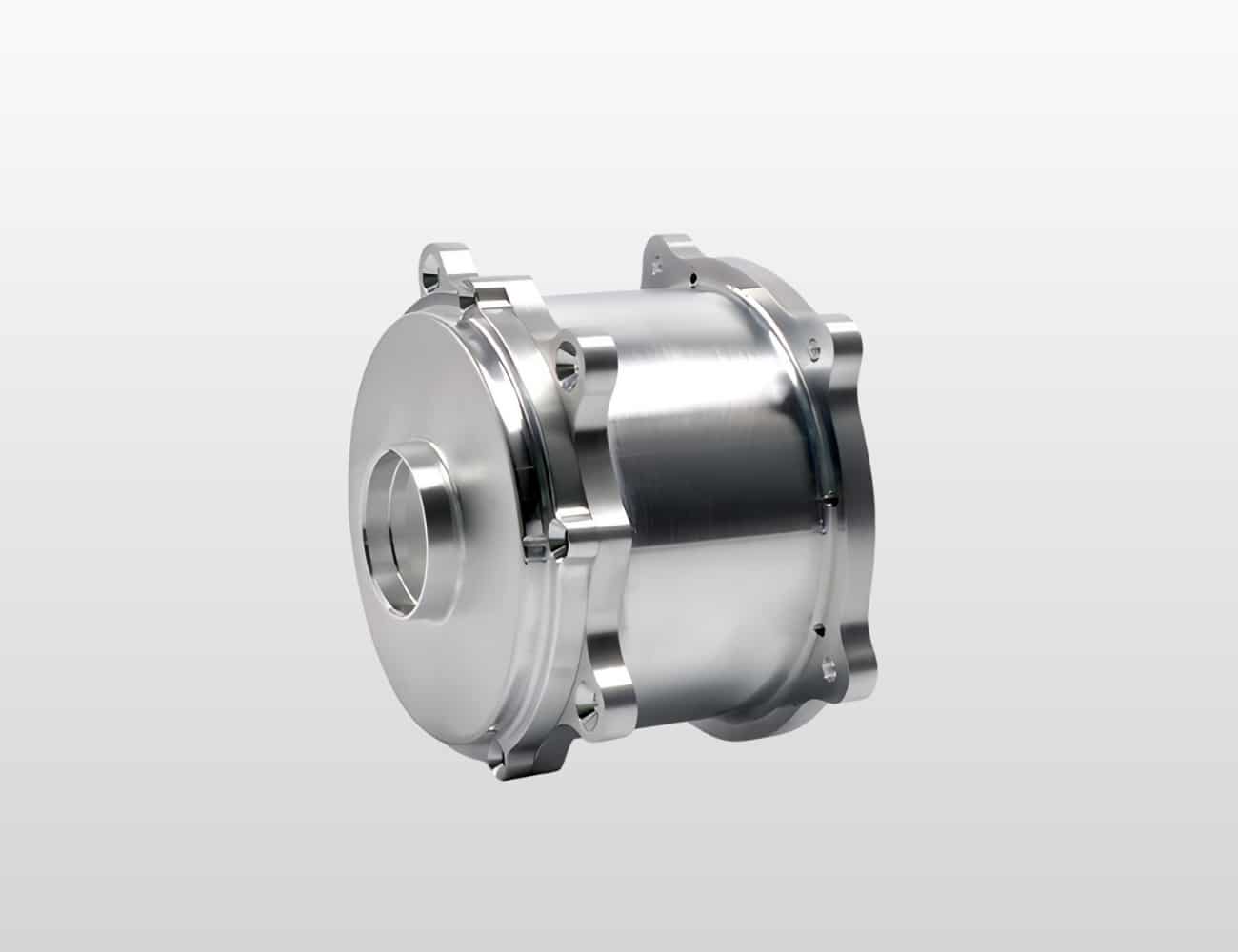
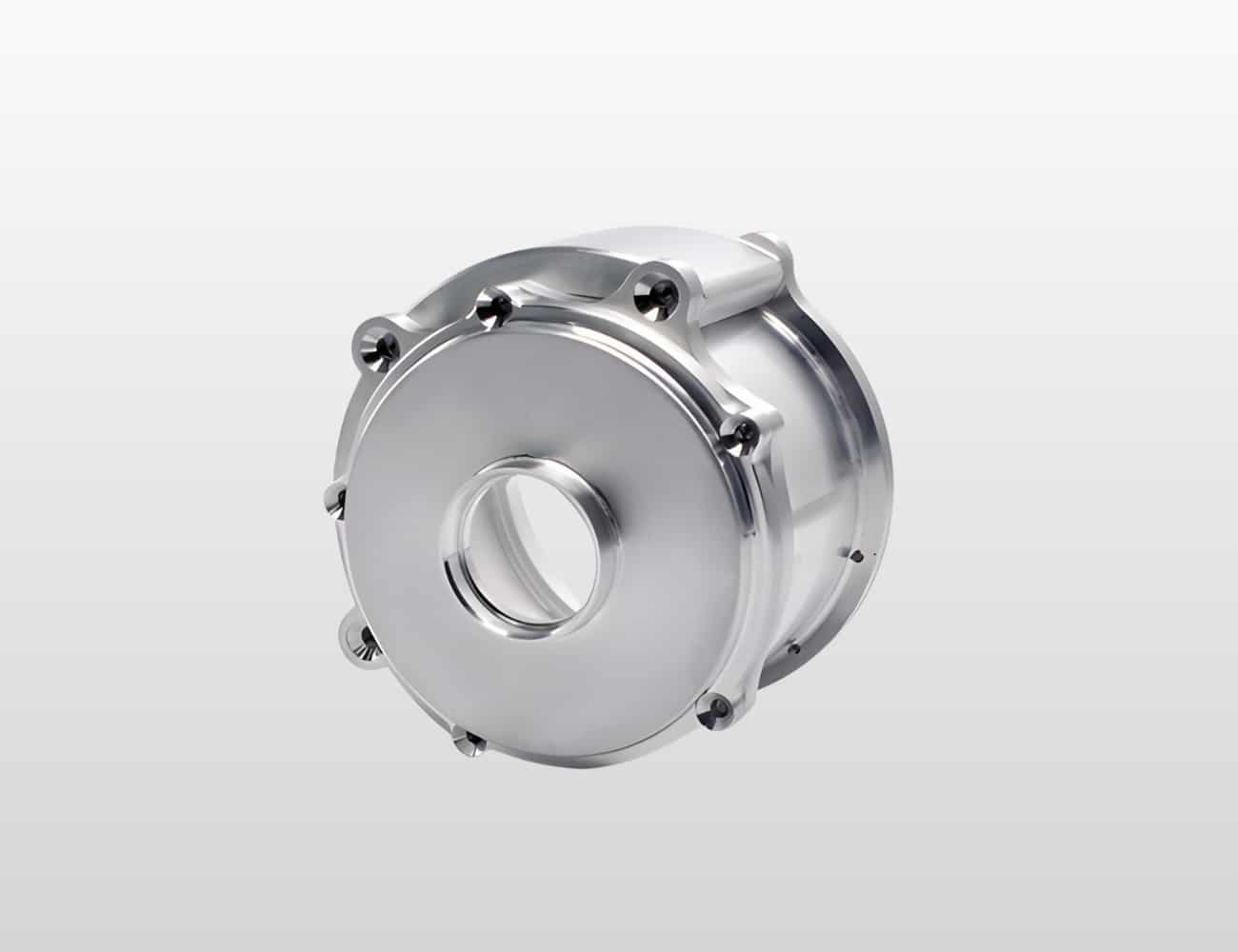
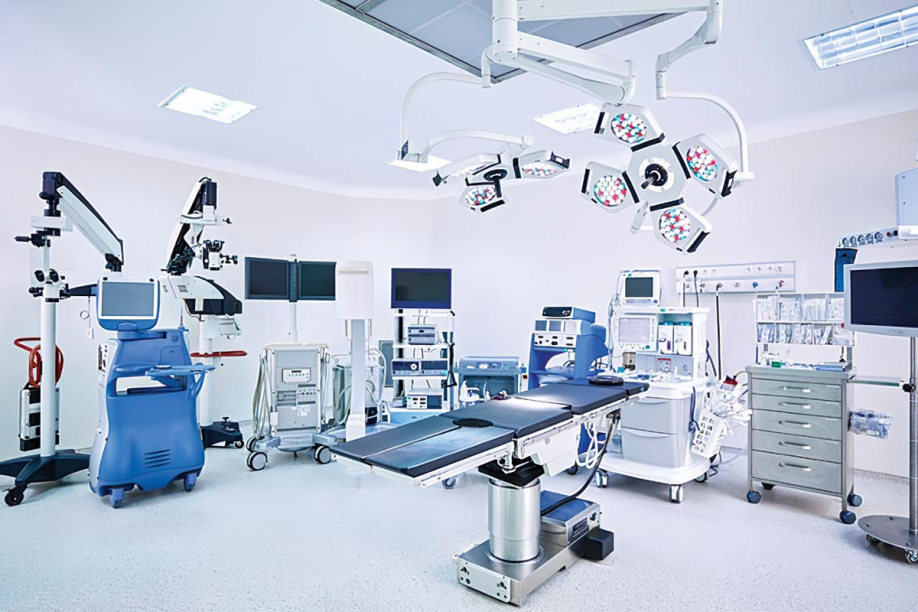
Medical equipment housings are engineered enclosures designed to protect electronic components, display systems, and mechanical assemblies within medical devices while ensuring operator safety and device functionality. These critical housings encompass a wide range of enclosures including diagnostic equipment chassis, handheld device casings, bedside monitor frames, imaging system covers, surgical robot housings, and laboratory instrument enclosures. Used across hospitals, clinics, laboratories, and home healthcare settings, medical equipment housings must provide electromagnetic interference (EMI) shielding, impact resistance, fluid ingress protection, and ergonomic user interfaces. Precision CNC machining delivers the tight tolerances, smooth surfaces, and complex features required for proper electronic assembly, thermal management, and compliance with medical device safety standards.
B. Principais requisitos técnicos
Medical equipment housings CNC machining requires tolerances of ±0.001″ to ±0.005″ to ensure proper fit of electronic assemblies, display panels, and sealing gaskets. Material specifications depend on application requirements—aluminum alloys provide excellent EMI shielding and machinability, stainless steel offers superior durability and cleanability for surgical environments, while engineered plastics reduce weight for portable devices. Surface finish requirements range from Ra 32-63 microinch for internal surfaces to Ra 16-32 microinch for external cosmetic areas, with options for anodizing, powder coating, or antimicrobial treatments.
Housings must meet IP rating requirements (typically IP54 to IP65) for dust and liquid ingress protection, provide adequate EMI/RFI shielding effectiveness (40-80 dB attenuation), and incorporate proper grounding paths for safety compliance. Thermal management features including heat sink fins, ventilation slots, and internal cooling channels require precise machining. Wall thickness uniformity, corner radii for stress distribution, and mounting boss locations must maintain strict dimensional control for reliable device assembly and long-term durability.
C. Desafios e soluções para o fabrico
Machining medical equipment housings presents significant challenges including maintaining thin-wall consistency without distortion, achieving complex pocket geometries for component clearance, and producing smooth internal surfaces for cable routing and electronic assembly. Large enclosure dimensions require workholding strategies that prevent warping, while integrated features like threaded inserts, snap-fit tabs, and alignment pins demand precise positioning. EMI shielding effectiveness requires continuous conductive surfaces without gaps or surface defects.
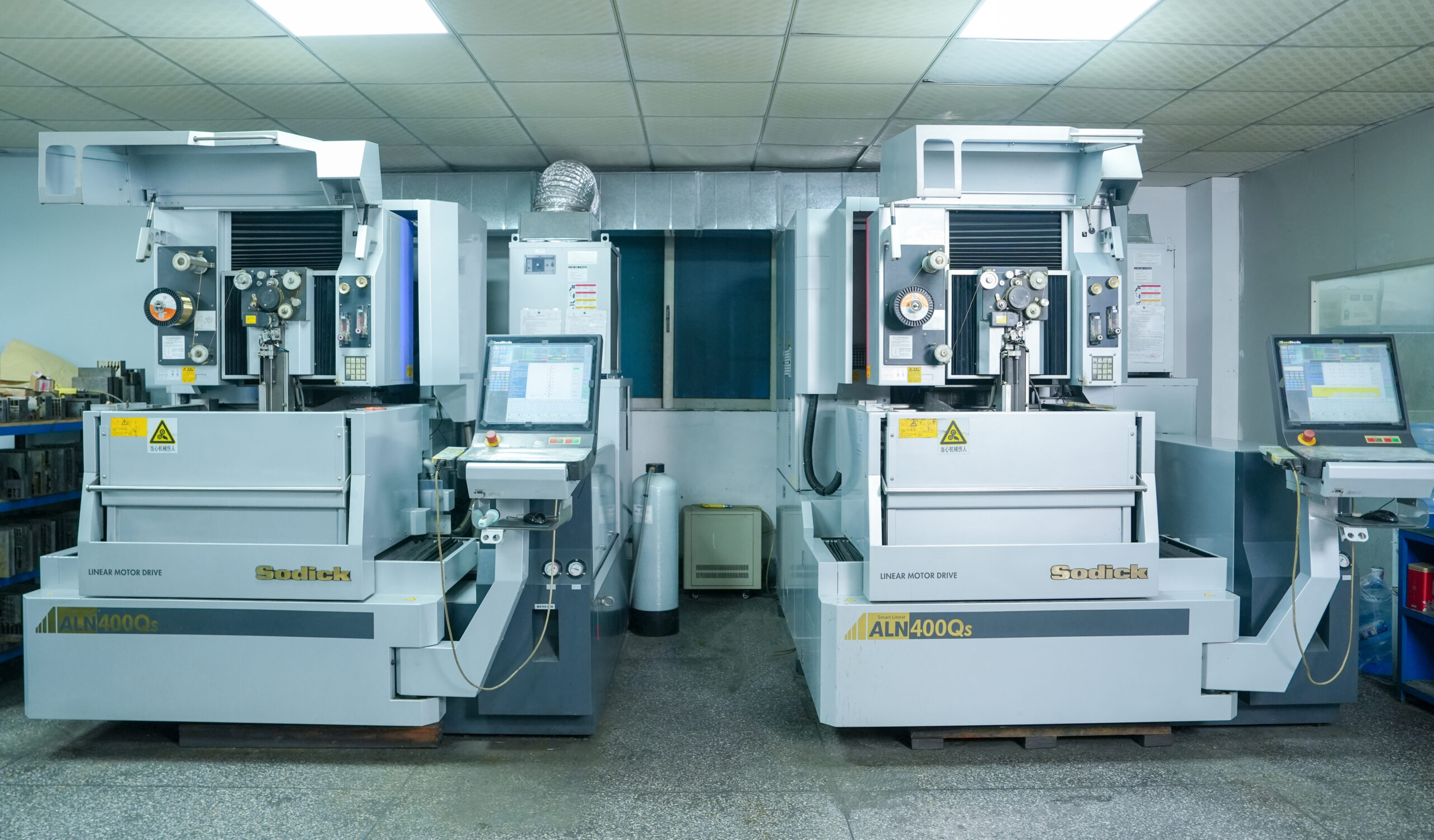
Yicen Precision overcomes these manufacturing challenges through strategic 5-axis CNC machining that optimizes tool access and minimizes setup changes, advanced CAM programming with adaptive toolpaths for efficient material removal, and custom fixturing designed for large housing components. Our high-speed machining centers deliver excellent surface finishes while maintaining productivity. For thin-walled sections, we employ climb milling strategies and balanced cutting forces to prevent deflection.
Quality control measures include CMM inspection for critical interface dimensions, surface roughness verification, EMI shielding continuity testing, and functional fit checks with electronic assemblies. We provide first article inspection reports (FAIR) with full dimensional analysis and maintain statistical process control for production runs. Contact us for engineering consultation on your medical equipment housing requirements.
D. Aplicações e casos de utilização
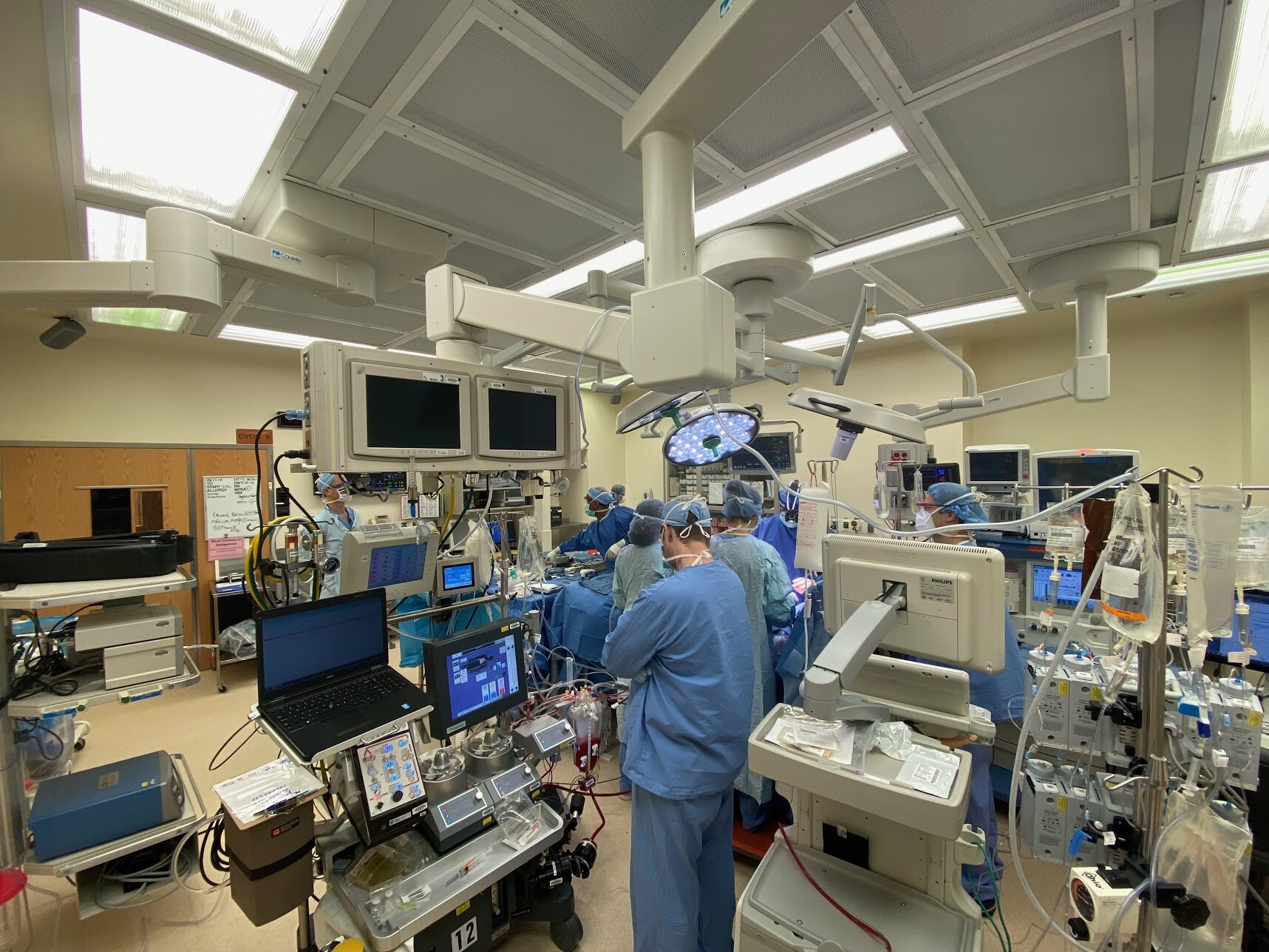
Precision-machined medical equipment housings protect critical devices across healthcare environments:
- Diagnostic Imaging Equipment: Ultrasound machine enclosures, portable X-ray housings, CT scanner covers, and MRI-compatible component housings
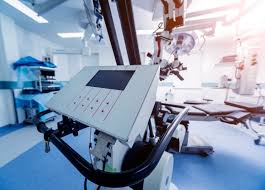
- Patient Monitoring Systems: Bedside monitor chassis, vital signs monitor enclosures, and telemetry device housings
- Therapeutic Equipment: Infusion pump housings, ventilator enclosures, dialysis machine chassis, and surgical power tool casings
- Laboratory Analyzers: Blood analyzer housings, PCR instrument enclosures, spectrophotometer chassis, and centrifuge covers
- Handheld Medical Devices: Portable ultrasound scanners, handheld patient monitors, diagnostic probes, and point-of-care testing devices
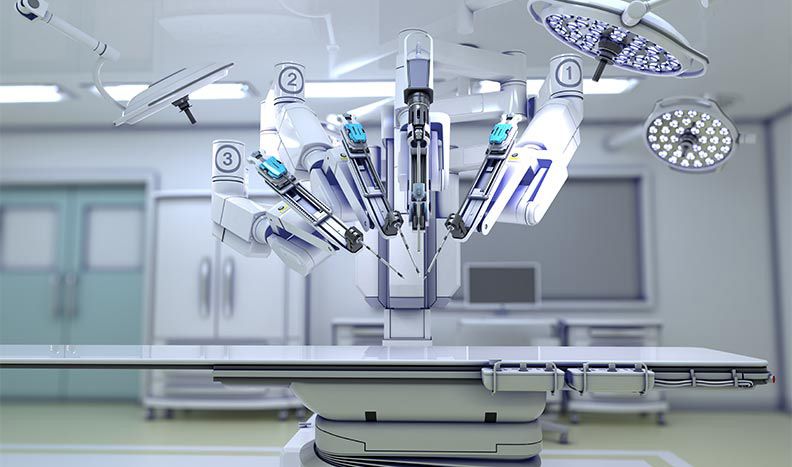
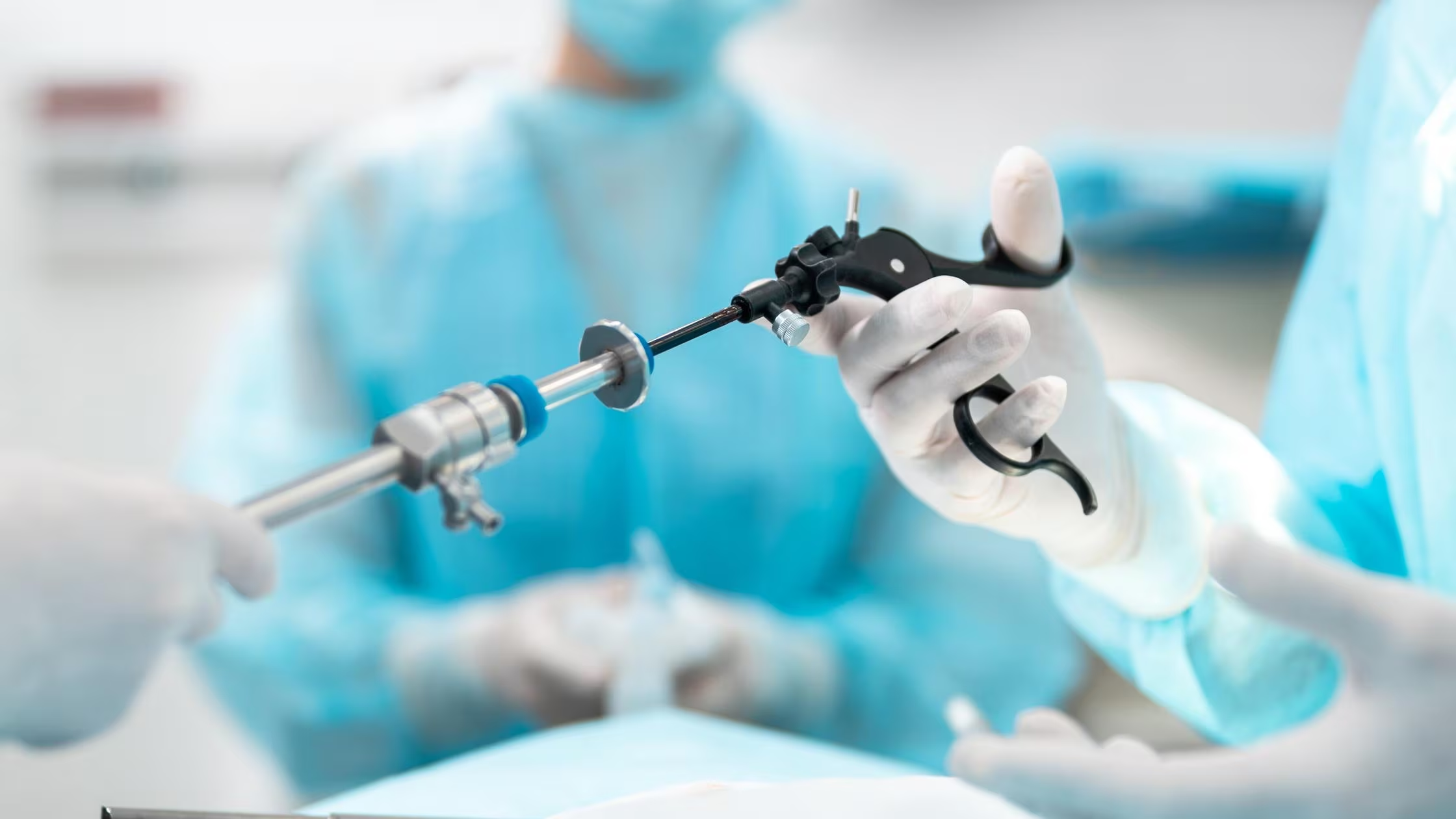
- Surgical Equipment: Electrosurgical generator housings, endoscopy system enclosures, and robotic surgical component covers
- Home Healthcare Devices: Portable oxygen concentrator housings, home monitoring equipment, and mobile diagnostic device enclosures
E. Why Choose Yicen Precision for Medical Equipment Housings?
Yicen Precision brings extensive experience in medical equipment housings CNC machining with ISO 13485 certification and comprehensive understanding of IEC 60601 safety standards. Our rapid prototyping services deliver functional housing prototypes in 5-10 days, enabling design validation, fit testing, and regulatory preparation acceleration. We offer flexible production scaling from low-volume specialty equipment to high-volume commercial manufacturing with consistent quality metrics.
Our engineering team provides Design for Manufacturability (DFM) analysis optimized for housing production efficiency, material selection guidance based on environmental requirements and cost targets, and integration support for gaskets, displays, and electronic assemblies. We coordinate secondary operations including anodizing for corrosion resistance and EMI shielding, powder coating for durable finishes, laser marking for regulatory labeling, and assembly services for complete housing modules.
Complete documentation includes dimensional inspection reports, material certifications, surface treatment validation, and certificates of conformance supporting regulatory submissions. We maintain cost-effective medical equipment housings manufacturing through optimized machining strategies, efficient material nesting, and streamlined production workflows—delivering protective enclosures that meet medical device standards without premium pricing. Request your detailed quote and technical consultation for precision medical equipment housings today.






 Portuguese
  English
  French
  Spanish
  Japanese
  German