...
  1. ホーム
  2. "
  3. Indústria
  4. "
  5. Indústria de automação
  6. "
  7. Sensor Mounts CNC Machining for...

Hydrogen Fuel Cell Plates CNC Machining for Renewable Energy Industry

Precision-engineered hydrogen fuel cell plates manufactured to exacting specifications for optimal energy conversion efficiency. Our advanced CNC machining delivers ultra-smooth surface finishes, tight tolerances of ±0.0005″, and consistent repeatability for both prototype and high-volume production. Trust Yicen Precision for renewable energy-grade components that power the future of clean energy.

hydrogen fuel cell plates cnc machining for renewable energy industry

Driving the Next Generation of Clean Power With Yicen

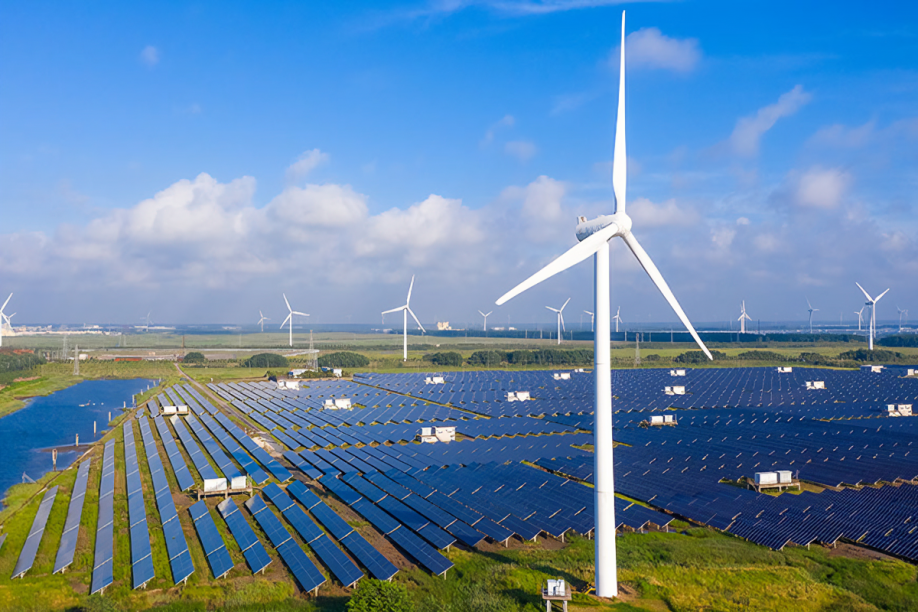
The transition to clean and renewable energy requires components that can withstand extreme conditions and deliver consistent performance. Precisão Yicen plays a crucial role in this mission by providing CNC-machined parts designed for wind, solar, and energy storage systems. From turbine hubs to battery casings, our machining expertise ensures strength, durability, and flawless integration, helping energy innovators push forward with confidence.

hydrogen fuel cell plates cnc machining for renewable energy industry (1)

Reliable Precision Hydrogen Fuel Cell Plates CNC Machining for Renewable Energy

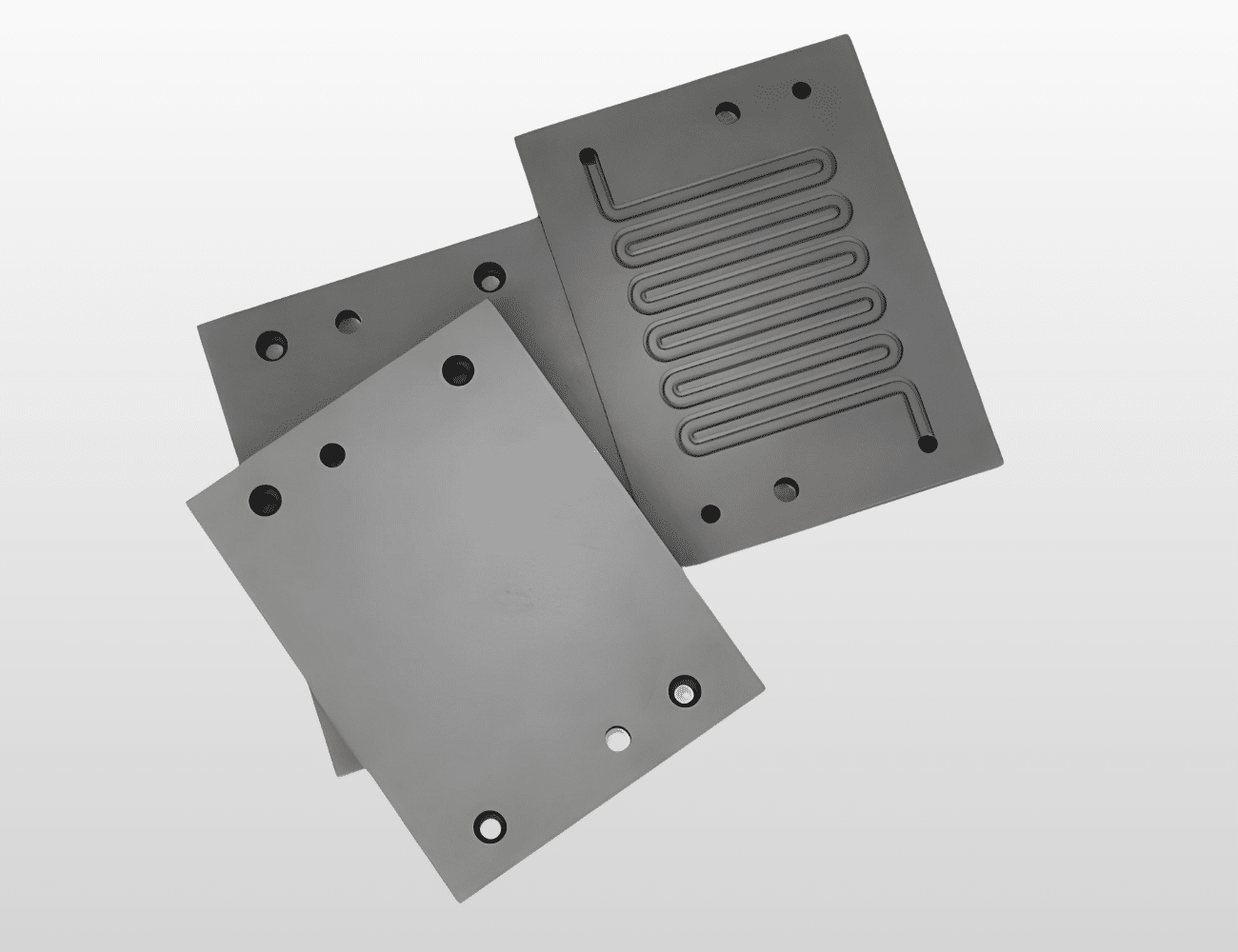
Hydrogen fuel cell plates are critical components in fuel cell stacks, serving as bipolar plates that distribute gases and conduct electricity between cells. These precision parts demand exceptional flatness, micro-channel accuracy, and corrosion-resistant properties to ensure optimal fuel cell performance. Yicen Precision specializes in manufacturing hydrogen fuel cell plates that meet the stringent requirements of renewable energy applications.

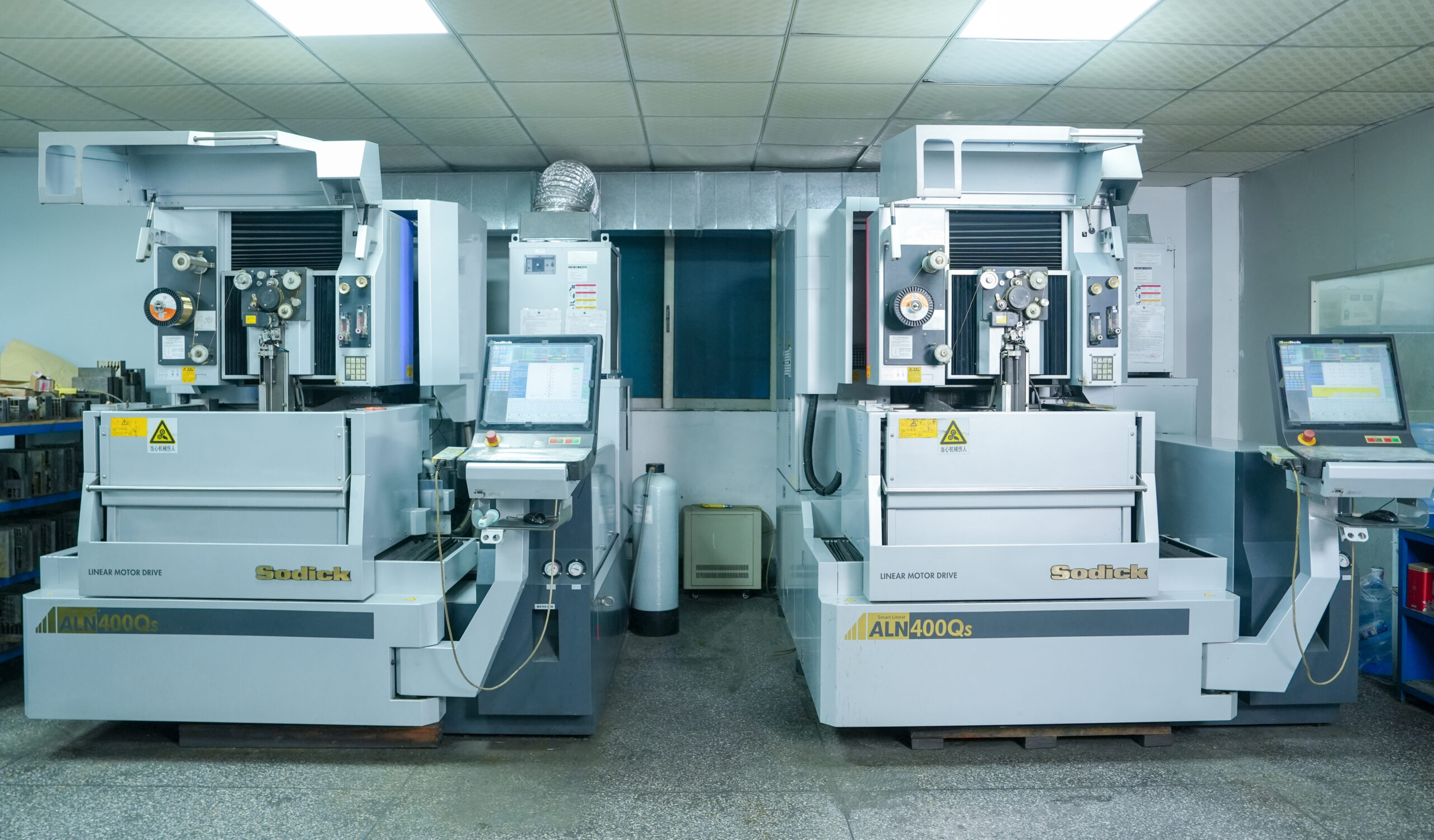
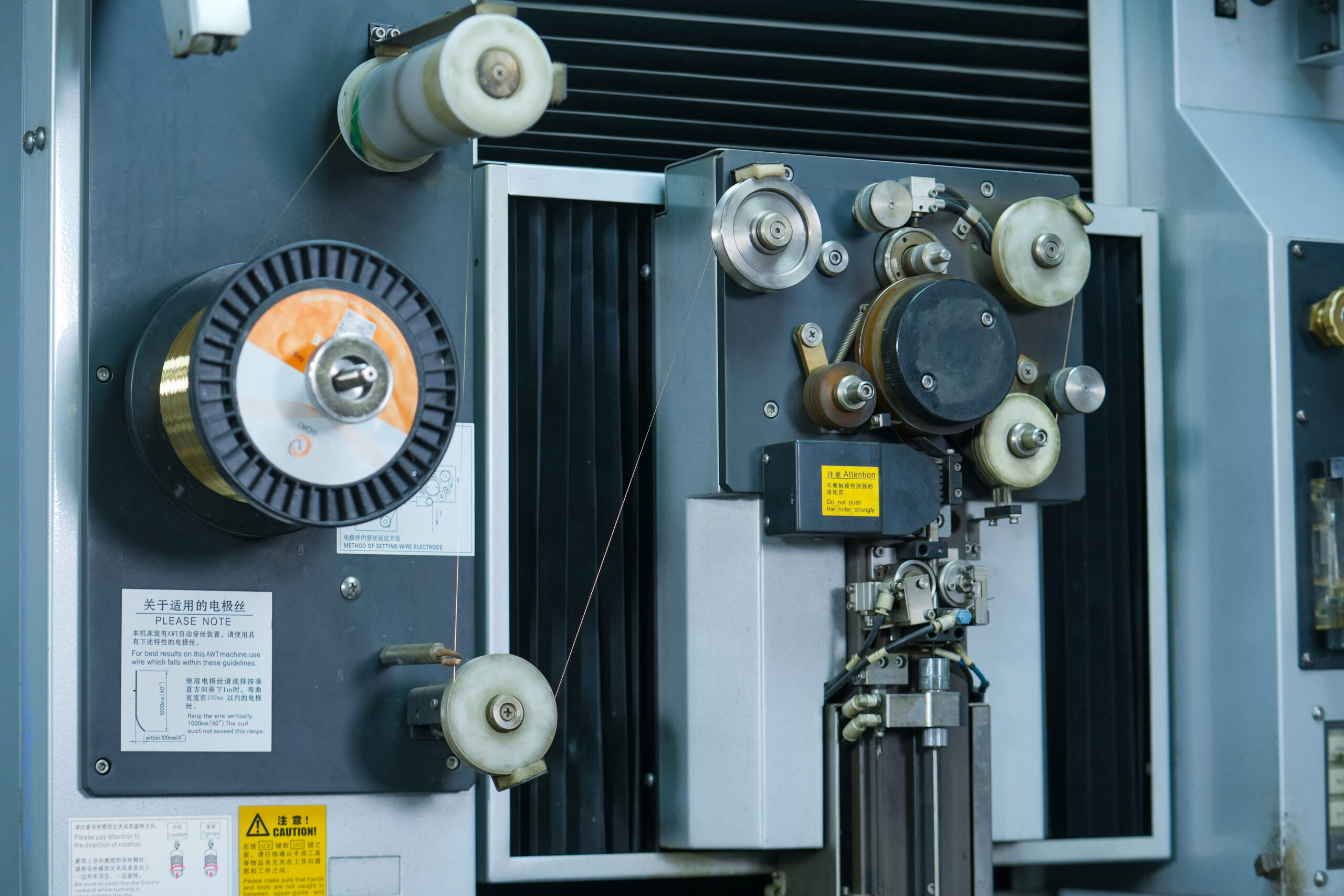
Our state-of-the-art CNC machining capabilities utilize 5-axis milling e multi-axis lathes with precision tooling to produce fuel cell plates from materials including stainless steel, titanium, graphite composites, and aluminum alloys. We maintain ISO 9001 and ISO 14001 compliance, ensuring every hydrogen fuel cell plate meets renewable energy industry standards. Our advanced manufacturing processes guarantee tight tolerances, complex flow-field geometries, and the repeatability essential for fuel cell stack assembly.

CNC Parts We Deliver For New Energy Industry

Wind Turbine Hubs & Shafts
Hydrogen Fuel Cell Plates
Structural Supports for Turbines
Customized Fastening Solutions

CNC Parts We Deliver For New Energy Industry

We engineer high-performance CNC components tailored for renewable energy systems, from wind and solar to advanced battery technologies, built for durability and sustainability.

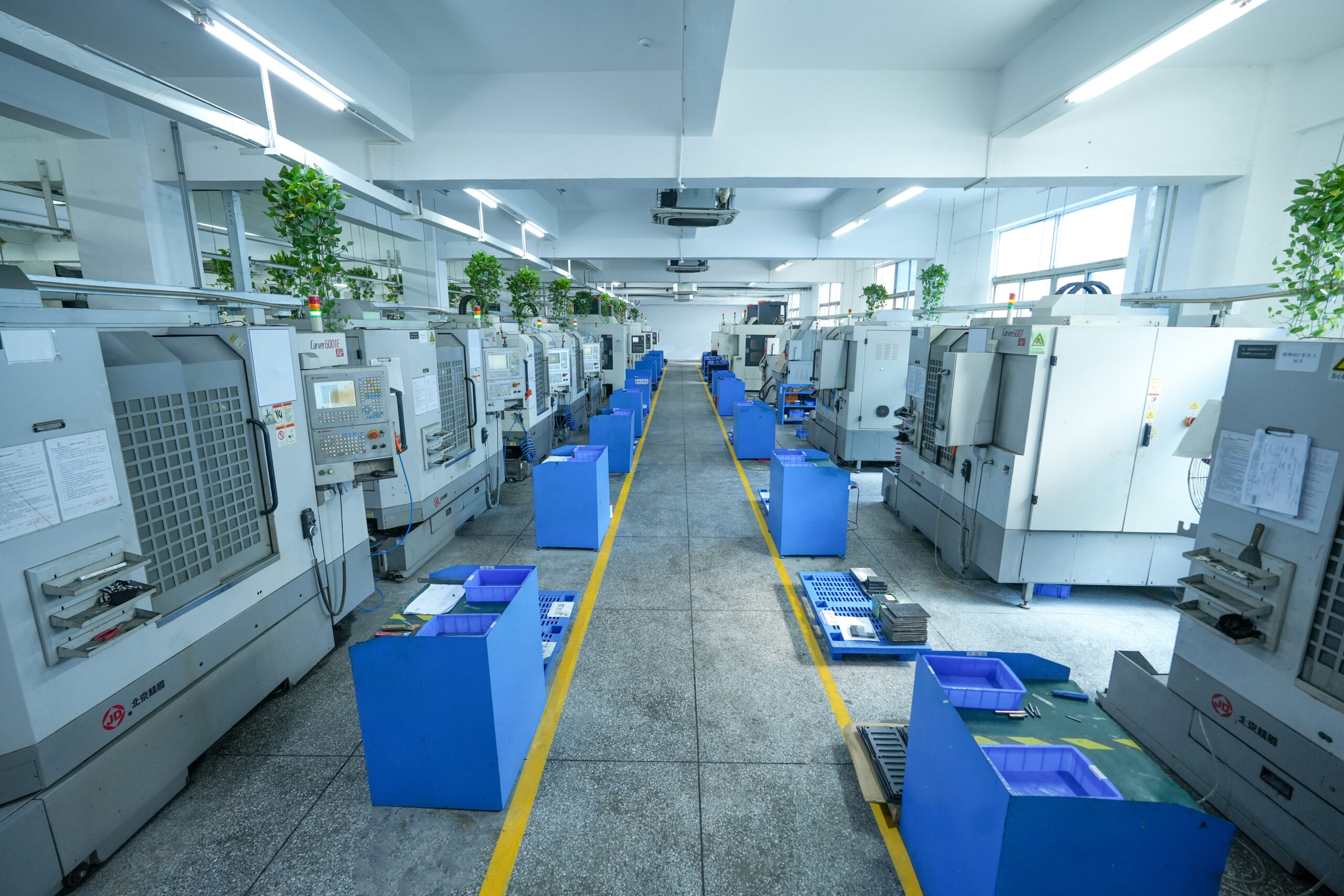
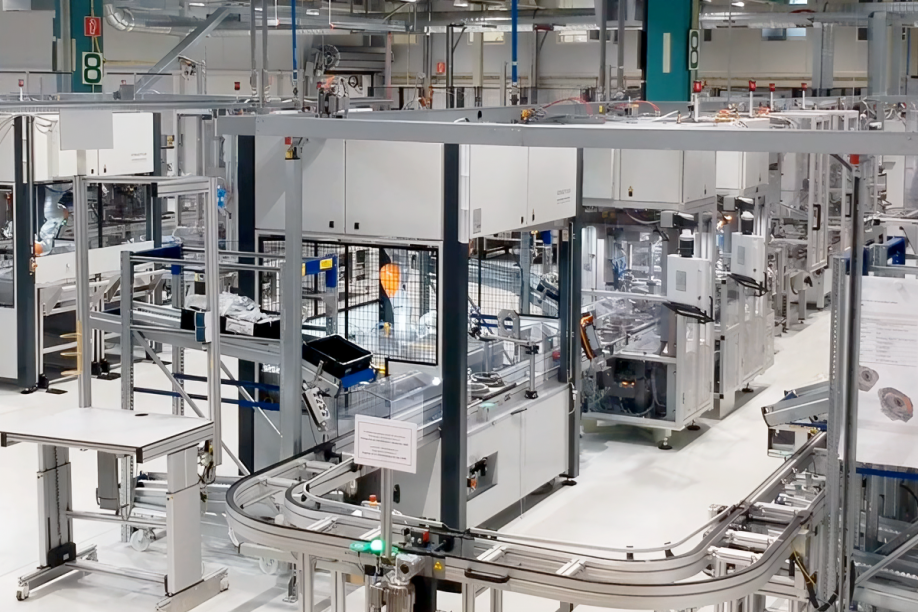
Instalações de última geração

Equipado com a mais recente tecnologia e maquinaria avançada para garantir um fabrico preciso e de alta qualidade.
Centro de maquinação de precisão

Fabrico CNC de alta precisão com tecnologia avançada e eficiência inigualável.

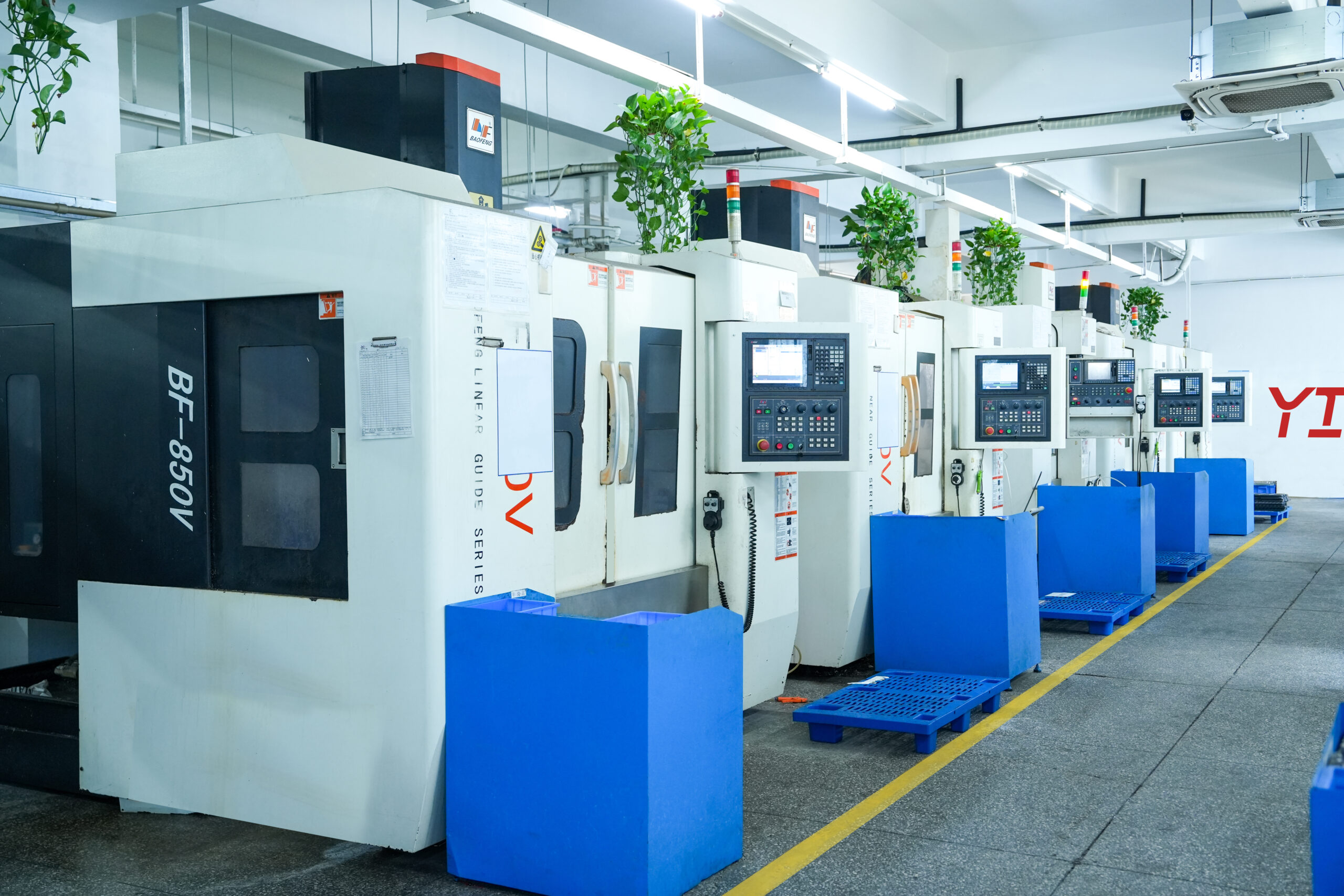
Oficina de produção CNC

Produção CNC optimizada utilizando máquinas de última geração para uma qualidade consistente.

Centro de fabrico CNC avançado

Fabrico e montagem especializados de componentes CNC complexos sob o mesmo teto.

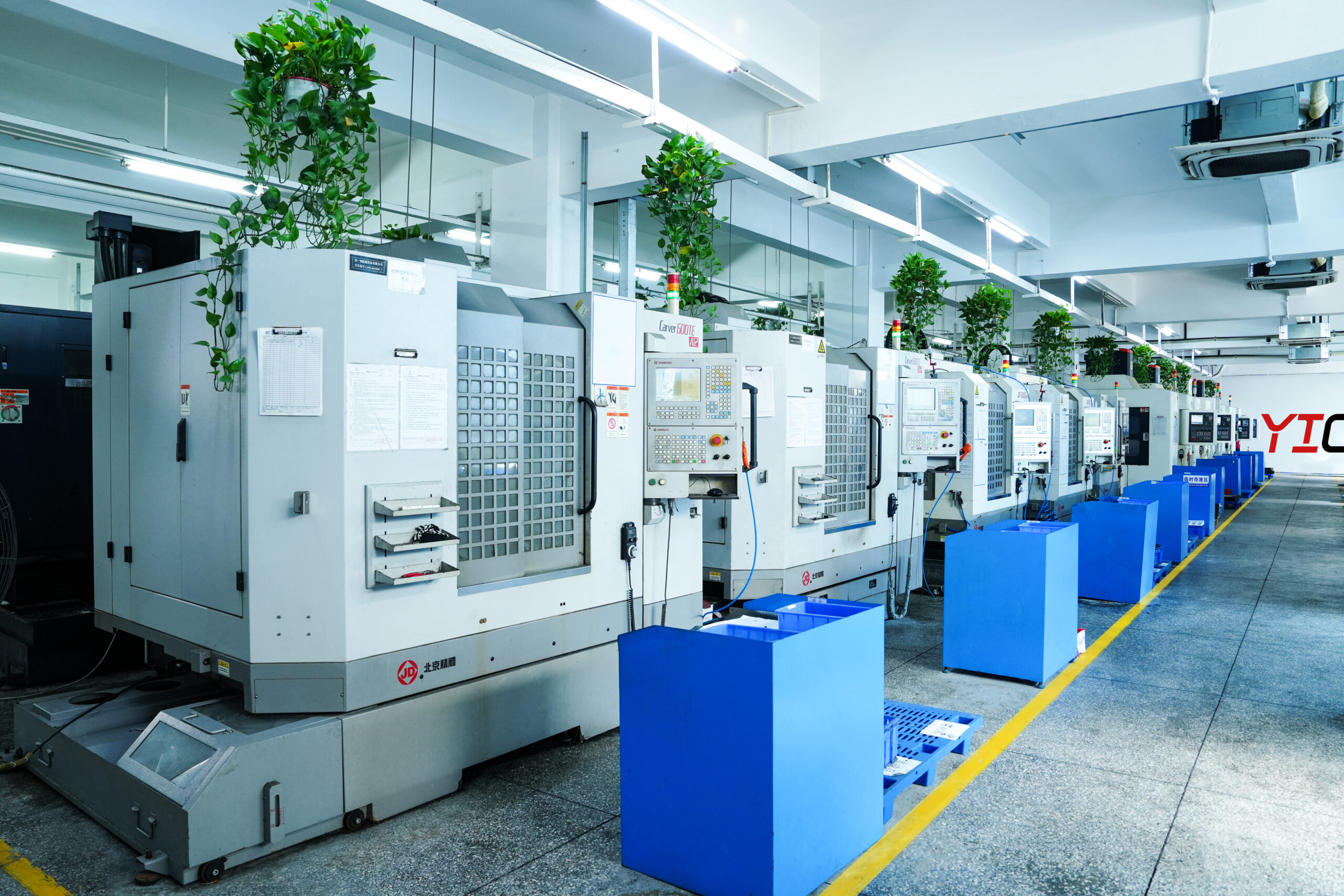
Instalação de maquinação automatizada

Operações CNC totalmente automatizadas que permitem uma maquinação rápida, precisa e fiável.

Oficina CNC de alto desempenho

Optimizado para fornecer peças CNC de qualidade superior com velocidade e precisão.

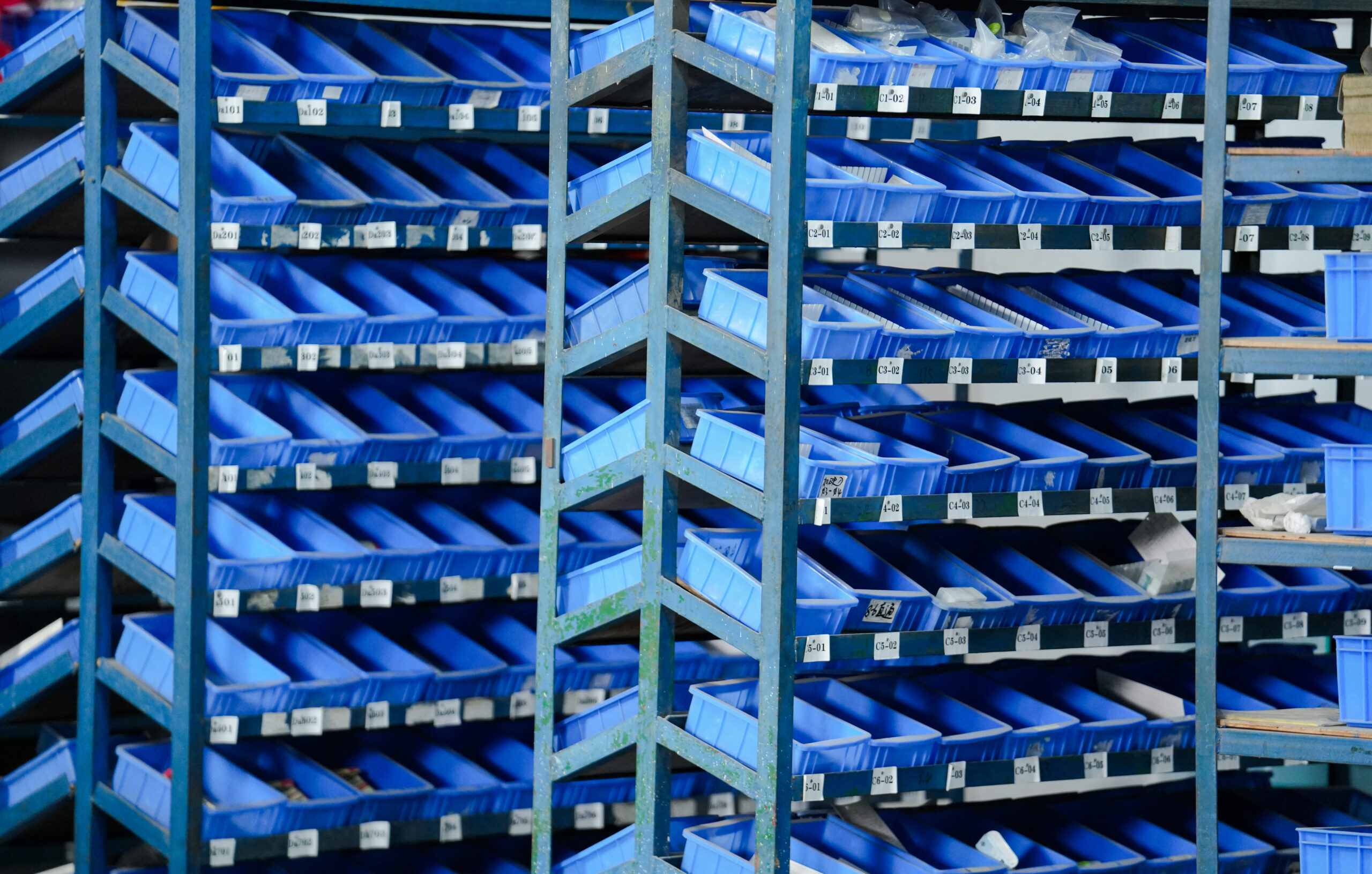
Instalação de produção CNC integrada

Fabrico CNC de ponta a ponta com fluxos de trabalho contínuos e resultados superiores.

New Energy Grade Materials We Machine

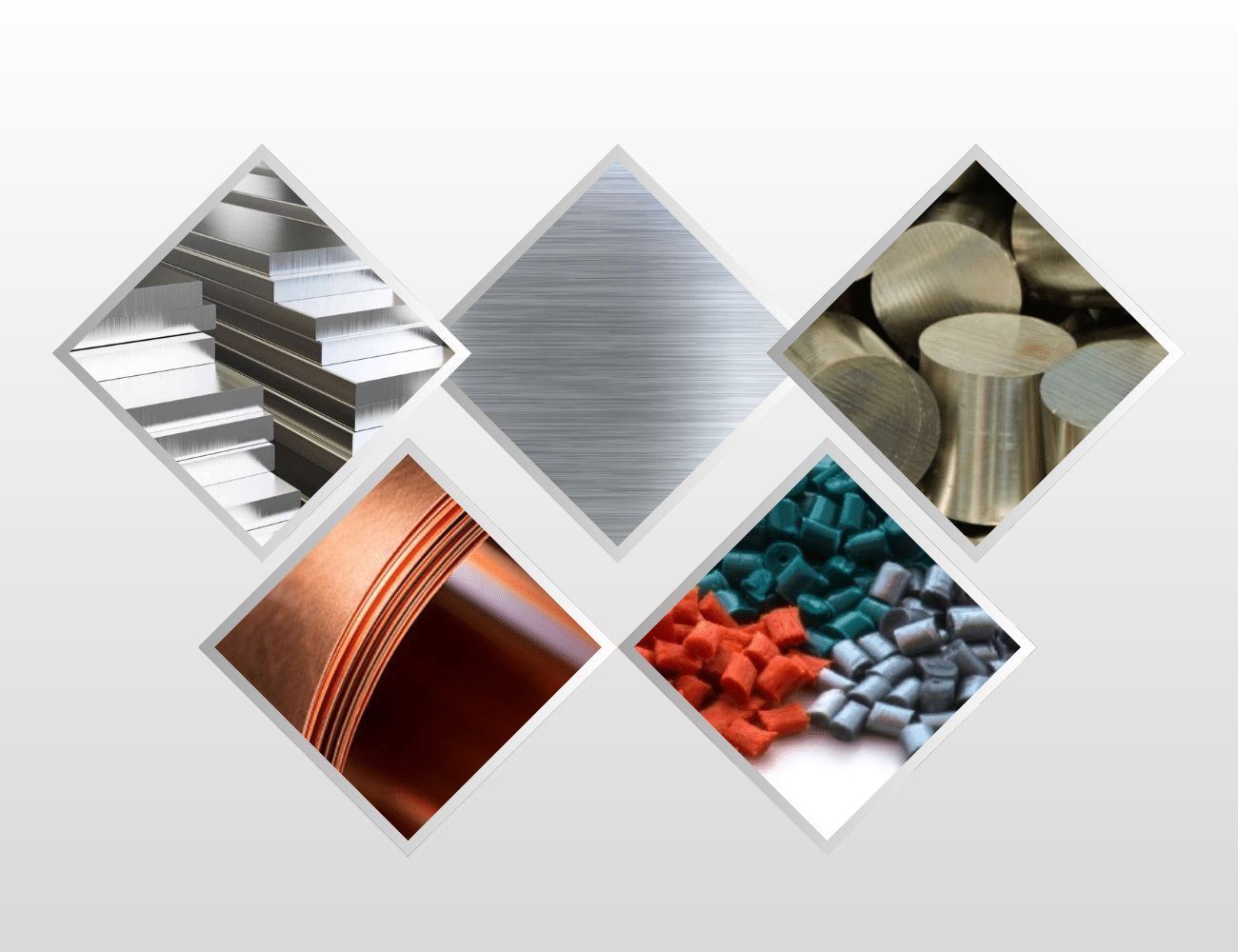
Yicen Precision offers a wide selection of durable metals and advanced composites to meet the structural, thermal, and chemical resistance demands of wind, solar, and energy storage systems.

new energy grade materials we machine
  • Ligas de alumínio: Al 6061, Al 6082, Al 7075
  • Aço inoxidável: SS 304, SS 316/316L, Duplex Stainless
  • Titanium Alloys: Grade 2, Grade 5
  • Copper & Conductive Alloys: ETP Copper, Brass, CuNi
  • Plastics & Composites: PEEK, Polycarbonate, Glass-Fiber Reinforced Nylon

New Energy Surface Finish Options

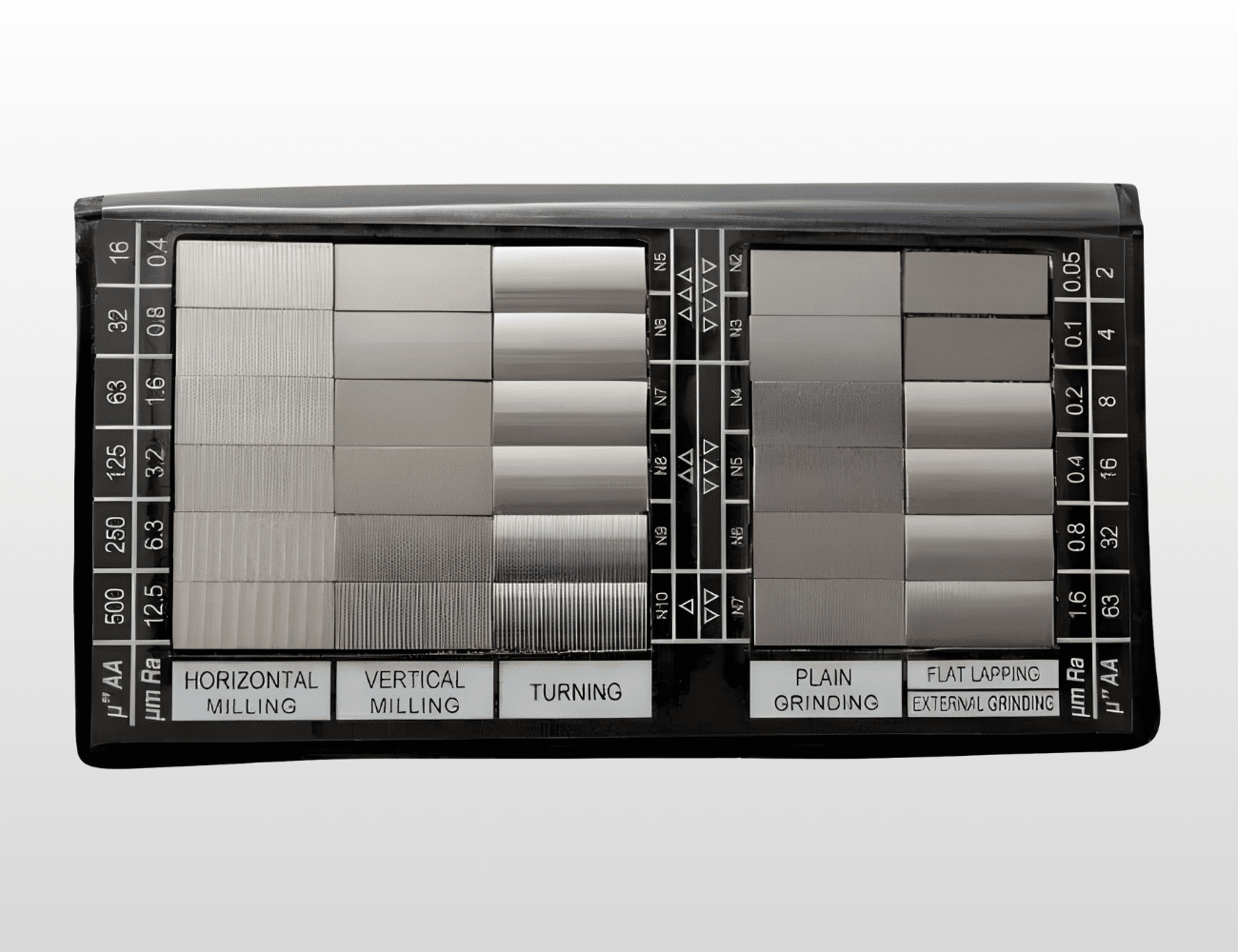
For renewable energy systems, surface finishes must ensure corrosion resistance, wear protection, and long-term reliability in harsh environments. Yicen Precision applies protective and functional coatings that extend the lifespan of components used in wind, solar, and battery applications.

new energy surface finish options
  • Powder Coating
  • Anodização
  • Niquelagem electrolítica
  • Hot-Dip Galvanizing
  • Ceramic Coatings
  • Óxido preto
  • Epoxy & Polyurethane Coatings
  • Passivation
  • Shot Peening / Bead Blasting
  • Zinc Plating

Indústrias que servimos

A Yicen Precision serve um vasto espetro de indústrias, abrangendo a indústria aeroespacial, automóvel, eletrónica, médica e muito mais. Somos especializados no fornecimento de peças fiáveis e de alta qualidade, concebidas para responder aos desafios de engenharia únicos de cada indústria.

O que dizem os clientes

Veja porque é que os clientes confiam na Yicen Precision para a maquinagem CNC. Os nossos testemunhos destacam a satisfação com a precisão, a qualidade, a entrega atempada e o apoio dedicado, fomentando parcerias duradouras em todos os sectores a nível mundial.

Ligar-se a nós

Transformar conceitos em peças de precisão

Somos especialistas em converter as suas ideias em componentes funcionais de alta qualidade, com uma velocidade e precisão sem paralelo. Com tecnologia avançada e perícia artesanal, criamos peças que cumprem as especificações mais complexas.

Entre em contacto connosco!
Resposta rápida garantida no prazo de 12 horas
🔐 Todos os carregamentos são seguros e confidenciais

Precision CNC Machining for Hydrogen Fuel Cell Plates

A. What are Hydrogen Fuel Cell Plates?

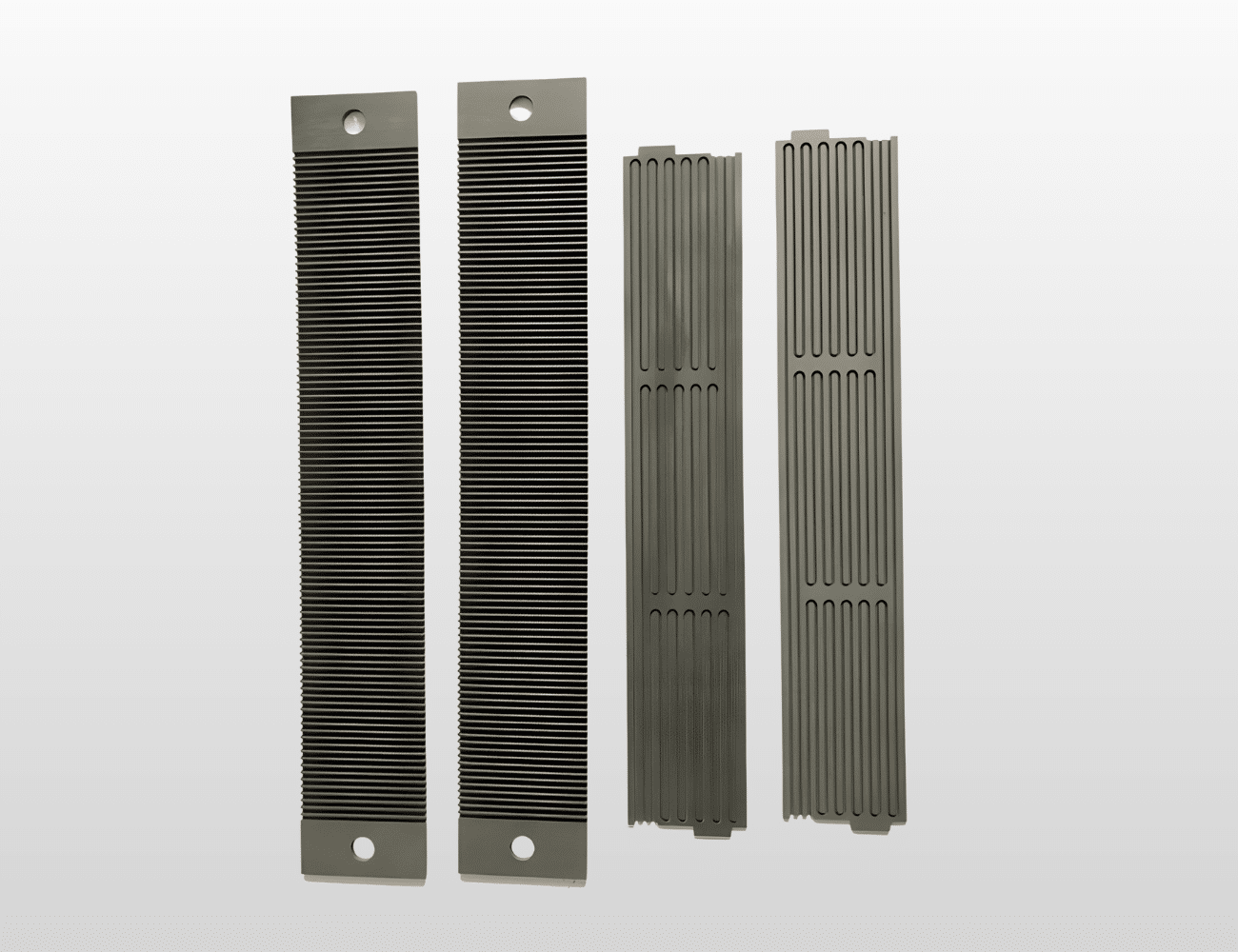
Hydrogen fuel cell plates, commonly known as bipolar plates or flow-field plates, are essential components in proton exchange membrane (PEM) fuel cells and solid oxide fuel cells (SOFC). These plates serve multiple critical functions: distributing hydrogen and oxygen gases uniformly across the membrane electrode assembly, conducting electrical current between individual cells, and managing heat and water within the fuel cell stack. Fuel cell plates feature intricate flow-field patterns with channels and ribs that optimize gas distribution while maintaining structural integrity. Used extensively in automotive fuel cells, stationary power generation systems, and portable energy devices, these plates directly impact fuel cell efficiency, power density, and operational longevity in renewable energy applications.

B. Key Technical Requirements

Hydrogen fuel cell plates demand exceptional precision to ensure optimal performance and durability. Tolerances of ±0.0005″ to ±0.001″ are standard for critical dimensions, particularly for flatness and parallelism across the plate surface. Surface finish requirements typically range from Ra 0.4μm to 1.6μm to minimize contact resistance and prevent gas leakage. Material specifications must balance electrical conductivity, corrosion resistance, and mechanical strength—common materials include 316L stainless steel, titanium alloys, graphite composites, and coated aluminum.

The plates must withstand operating temperatures from -40°C to 120°C and resist chemical degradation from acidic or alkaline environments. Flow-field channel depths typically range from 0.5mm to 1.5mm with precise width tolerances to ensure uniform gas distribution. Additionally, plates require excellent electrical conductivity (≤20 mΩ·cm²) and minimal contact resistance to maximize fuel cell efficiency and power output.

C. Manufacturing Challenges & Solutions

Machining hydrogen fuel cell plates presents unique challenges due to their complex flow-field geometries and demanding material properties. Thin-wall machining of delicate channel patterns requires advanced toolpath strategies to prevent vibration and maintain dimensional accuracy. Hard materials like titanium and stainless steel generate significant heat and tool wear, while graphite composites produce dust that requires specialized containment and handling. Achieving consistent flatness across large plate surfaces while maintaining micro-level channel accuracy demands precise workholding and thermal management.

Yicen Precision overcomes these challenges through advanced 5-axis CNC machining centers equipped with high-speed spindles and precision cutting tools designed for specific materials. Our CAM software optimizes toolpaths for minimal tool deflection and maximum surface quality. We employ adaptive machining strategies that adjust feed rates and cutting parameters in real-time based on material response.

Quality control is paramount—every hydrogen fuel cell plate undergoes CMM inspection to verify dimensional accuracy, flatness measurements using optical comparators, and surface roughness testing. Our in-process monitoring systems detect potential defects immediately, ensuring consistent quality across production runs. For graphite materials, we utilize dust extraction systems and specialized coatings to prevent contamination.

D. Applications & Use Cases

Hydrogen fuel cell plates manufactured by Yicen Precision serve diverse renewable energy applications:

  • Automotive Fuel Cell Vehicles – Bipolar plates for hydrogen-powered cars, buses, and commercial vehicles
  • Stationary Power Generation – Combined heat and power (CHP) systems for residential and industrial facilities
  • Backup Power Systems – Uninterruptible power supplies (UPS) for data centers and telecommunications infrastructure
  • Material Handling Equipment – Fuel cell forklifts and warehouse automation systems
  • Marine Applications – Auxiliary power units for ships and submarines
  • Portable Power Devices – Battery replacement systems for remote monitoring and emergency equipment
  • Grid Energy Storage – Large-scale hydrogen energy storage systems for renewable energy integration

E. Why Choose Yicen Precision for Hydrogen Fuel Cell Plates?

Yicen Precision brings specialized expertise in renewable energy component manufacturing, with proven capabilities in producing high-performance hydrogen fuel cell plates. Our rapid prototyping services enable design validation within 3-5 days, accelerating your development timeline from concept to production. We offer seamless scalability from prototype quantities to high-volume production runs exceeding 10,000 units, maintaining consistent quality throughout.

Our engineering team provides comprehensive DFM (Design for Manufacturing) consultation, optimizing your fuel cell plate designs for manufacturability, cost-efficiency, and performance. We maintain complete material traceability and certification documentation, essential for renewable energy industry compliance and quality audits. Every component includes detailed inspection reports and material certifications.

By combining advanced machining technology with lean manufacturing principles, we deliver cost-effective solutions that don’t compromise on quality. Our strategic location and efficient production processes ensure competitive pricing while meeting aggressive delivery schedules. Contact us for a custom quote and discover how our hydrogen fuel cell plate manufacturing expertise can accelerate your renewable energy projects.
Ideias e artigos

Explorar Serviços de maquinagem para obter informações especializadas sobre maquinagem CNC, tendências da indústria, sugestões de fabrico e actualizações tecnológicas - concebidas para o manter informado, inspirado e na vanguarda da engenharia de precisão.

Perguntas mais frequentes

Hydrogen fuel cell plates

  • Do you provide testing and quality certification for hydrogen fuel cell plates?

    Yes, every hydrogen fuel cell plate undergoes rigorous quality inspection including CMM dimensional verification, surface roughness measurement, flatness testing, and electrical conductivity testing. We provide comprehensive inspection reports with detailed measurements, material certifications (mill test reports), and compliance documentation. For customers requiring additional validation, we can coordinate third-party testing for contact resistance, corrosion resistance (ASTM standards), and environmental stress testing. All documentation supports renewable energy industry certification and regulatory compliance requirements.
     

  • How long does it take to produce hydrogen fuel cell plates from design to delivery?

    Our typical timeline is 3-5 days for prototype samples and 2-3 weeks for production quantities up to 1,000 units, depending on material availability and complexity. For high-volume orders exceeding 5,000 units, lead times range from 4-6 weeks. We offer expedited services for urgent projects and maintain strategic material inventory for common specifications. Rush orders can be accommodated with our priority manufacturing schedule—contact our team to discuss your specific timeline requirements.
     

  • What tolerances can you achieve for hydrogen fuel cell plate flow-field channels?

    Our precision CNC machining capabilities consistently achieve ±0.0005″ (±0.0127mm) tolerances for channel depth and width, with flatness specifications of 0.001″ across the entire plate surface. We utilize advanced 5-axis machining centers with high-resolution measurement systems to verify channel geometry throughout production. For ultra-precision applications requiring tighter tolerances, we offer enhanced machining processes with additional inspection protocols to meet your exact specifications.
     

  • What materials are best for hydrogen fuel cell plates in renewable energy applications?

    The optimal material depends on your specific fuel cell type and operating conditions. For PEM fuel cells, 316L stainless steel with protective coatings offers excellent corrosion resistance and conductivity. Graphite composites provide superior electrical properties but require careful handling. Titanium alloys excel in high-temperature SOFC applications, while coated aluminum offers lightweight solutions for automotive applications. Our engineering team can recommend the ideal material based on your performance requirements, operating environment, and budget constraints.
     

pt_PTPortuguese
Entre em contacto connosco!
Resposta rápida garantida no prazo de 12 horas
🔐 Todos os carregamentos são seguros e confidenciais