A. What are Sensor Housings and Mounts?
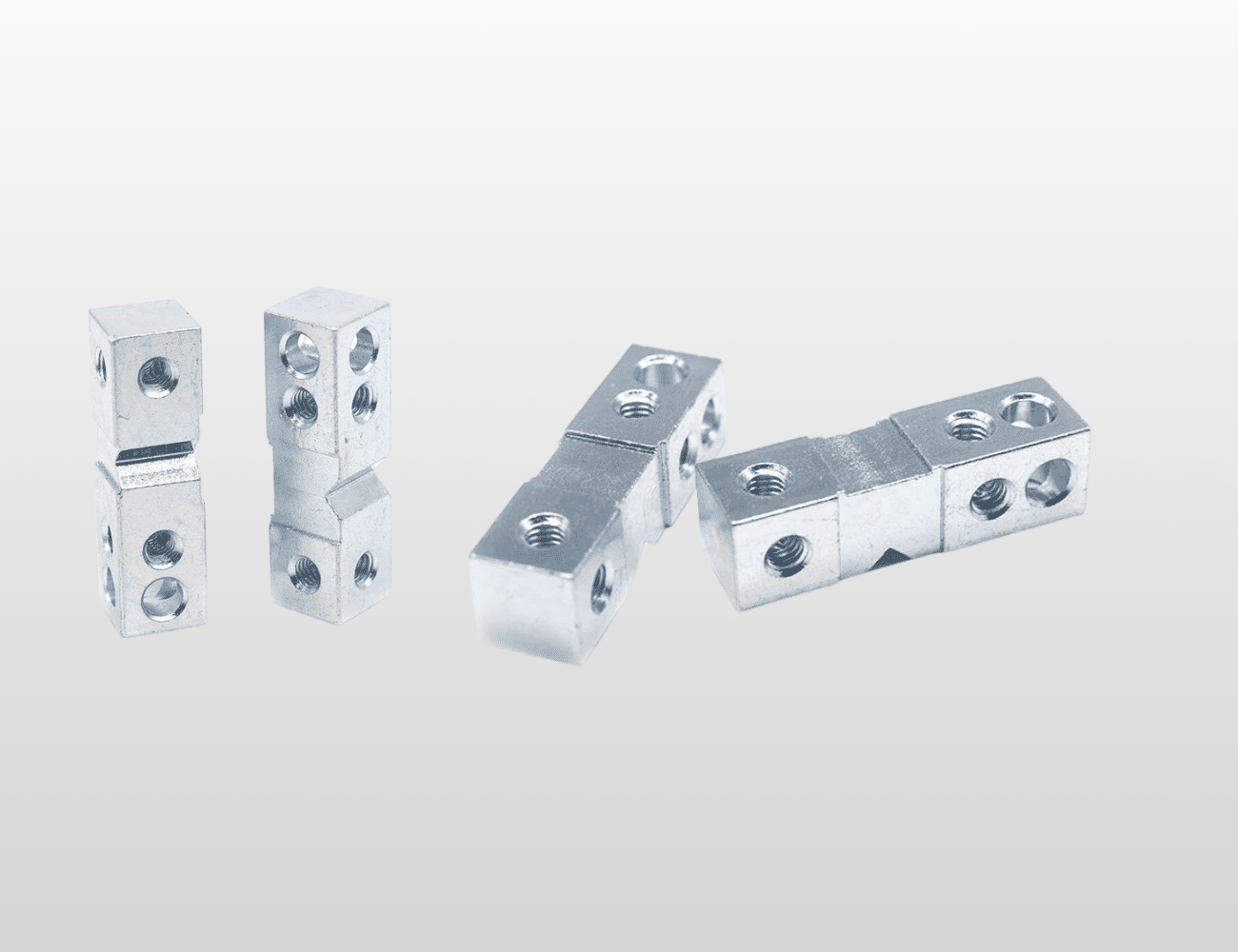
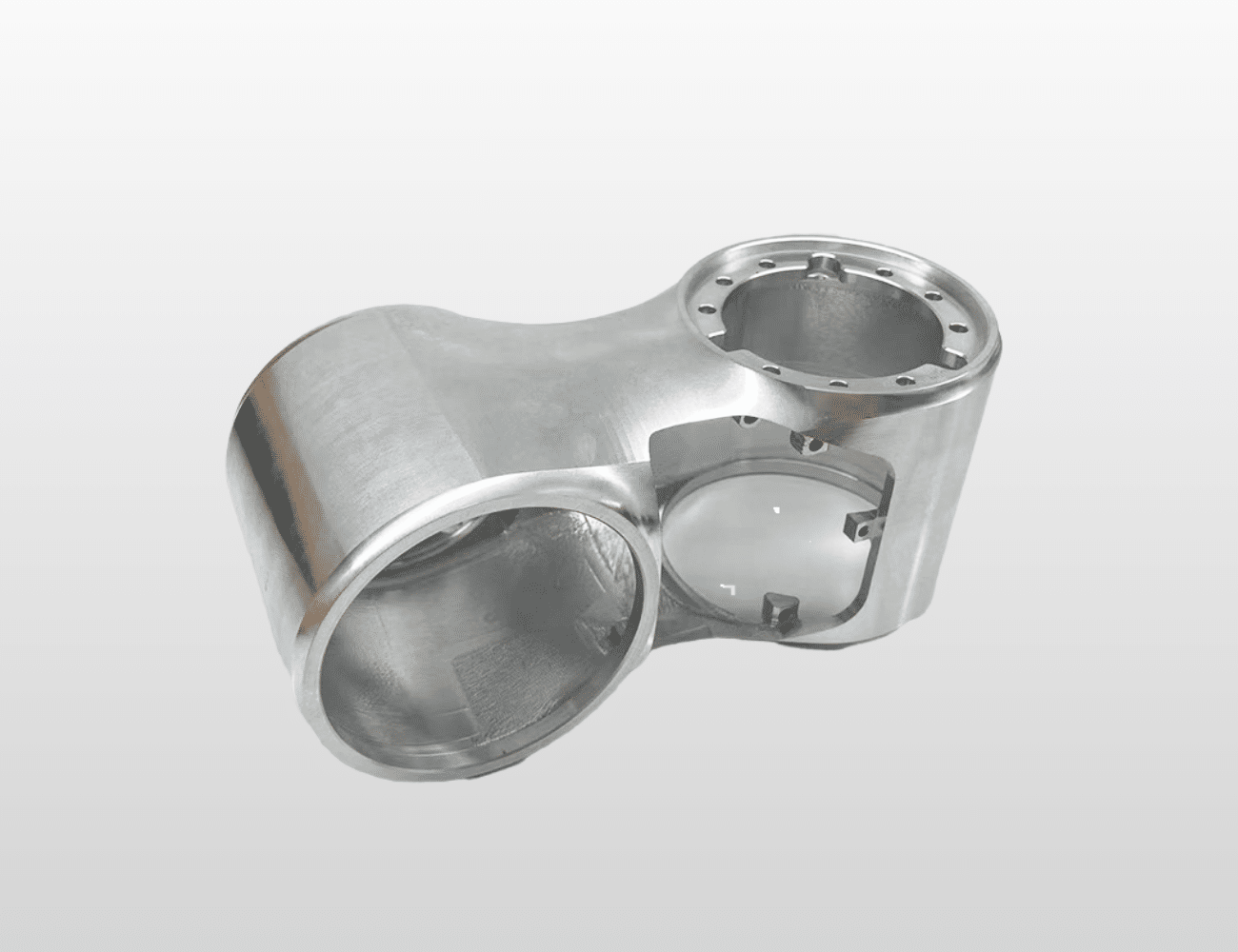
Sensor housings and mounts are precision-machined protective enclosures and positioning fixtures designed to secure and shield sensitive detection equipment in robotic systems. Housings include sealed enclosures for vision cameras, protective casings for proximity and ultrasonic sensors, rugged shields for force-torque transducers, and environmental enclosures for temperature and humidity monitors. Mounts encompass adjustable brackets, fixed positioning plates, gimbal assemblies, and kinematic mounting platforms that ensure accurate sensor orientation and alignment. These components are essential in autonomous mobile robots, industrial inspection systems, collaborative robot safety systems, surgical robotics, warehouse automation, and aerospace robotics platforms. The precision and protective qualities of these machined components directly impact sensor accuracy, data reliability, system safety, and operational longevity across manufacturing, logistics, medical, and defense applications.
B. Principais requisitos técnicos
Sensor housings and mounts for robotics demand exceptional precision with tolerances of ±0.0005″ to ±0.002″ on mounting surfaces and alignment features to ensure accurate sensor positioning and optical axis alignment. Flatness specifications on sealing surfaces typically require 0.0005″ to 0.001″ to ensure proper gasket compression and environmental protection rated to IP65, IP67, or IP69K standards. Parallelism and perpendicularity between mounting faces must maintain tolerances within ±0.001″ to prevent sensor misalignment and measurement errors. Material specifications must provide adequate rigidity to prevent vibration-induced sensor movement while offering thermal stability across operational temperature ranges. Surface finish requirements range from Ra 32 to Ra 16 microinches on sealing surfaces and Ra 63 micropolegadas on external surfaces. Optical windows require precise bore tolerances of ±0.0005″ with minimal surface irregularities. Thread specifications for mounting fasteners must conform to Class 2B or 3B standards for secure attachment. Sensor housings must withstand shock loads up to 50G, vibration frequencies across 10-2000 Hz, and environmental exposure including moisture, dust, chemicals, and temperature extremes from -40°F to 185°F.
C. Desafios e soluções para o fabrico
Machining sensor housings and mounts presents complex challenges including maintaining tight tolerances on thin-walled enclosures susceptible to deflection, achieving precise alignment between multiple mounting surfaces, and creating complex internal geometries for cable routing and thermal management. Sealing groove dimensions require exceptional consistency to ensure proper O-ring compression across environmental conditions. Optical windows and viewing ports demand precise bore tolerances and surface finishes to prevent distortion of sensor fields of view. Material selection must balance weight, thermal expansion characteristics, and electromagnetic interference shielding requirements.
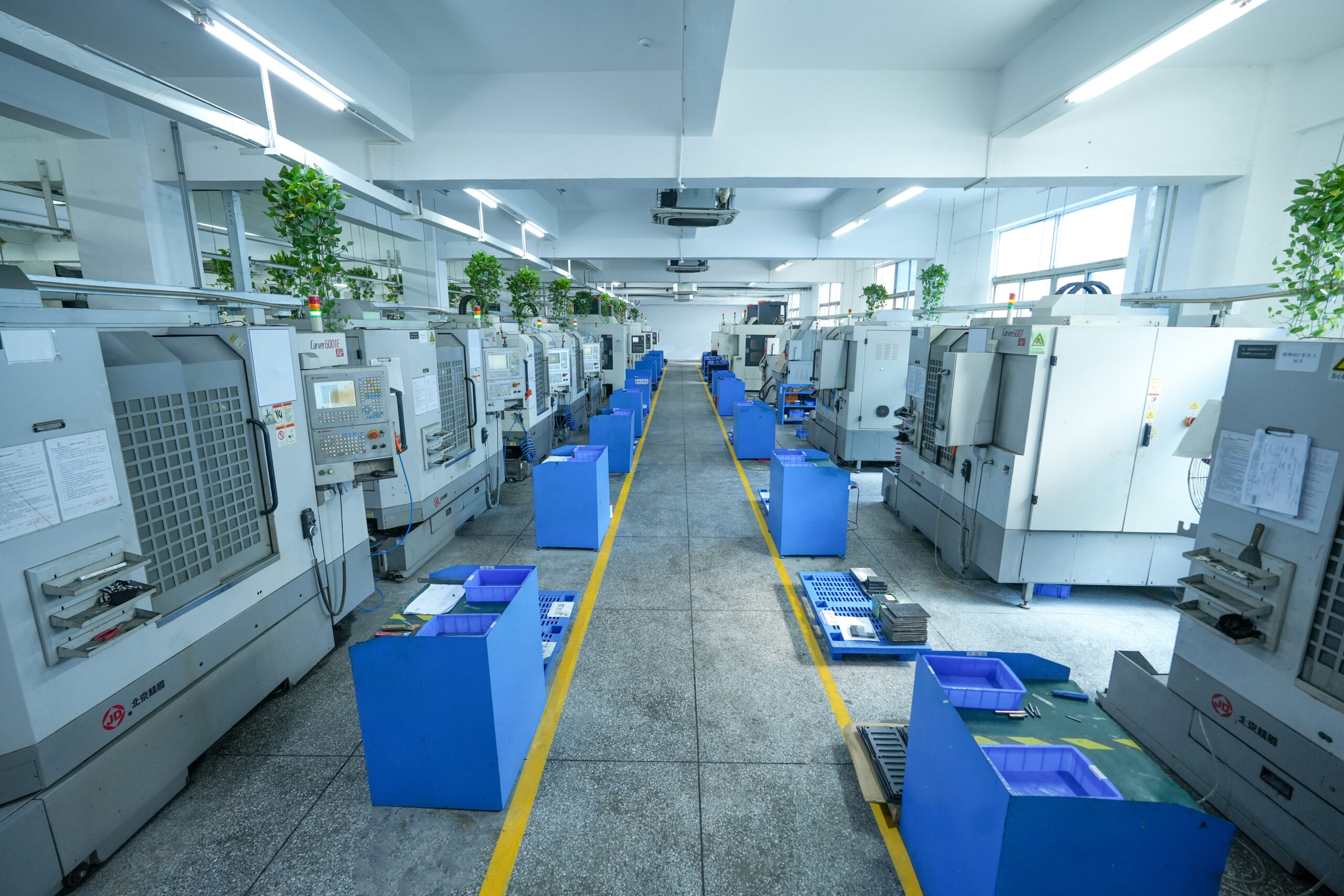
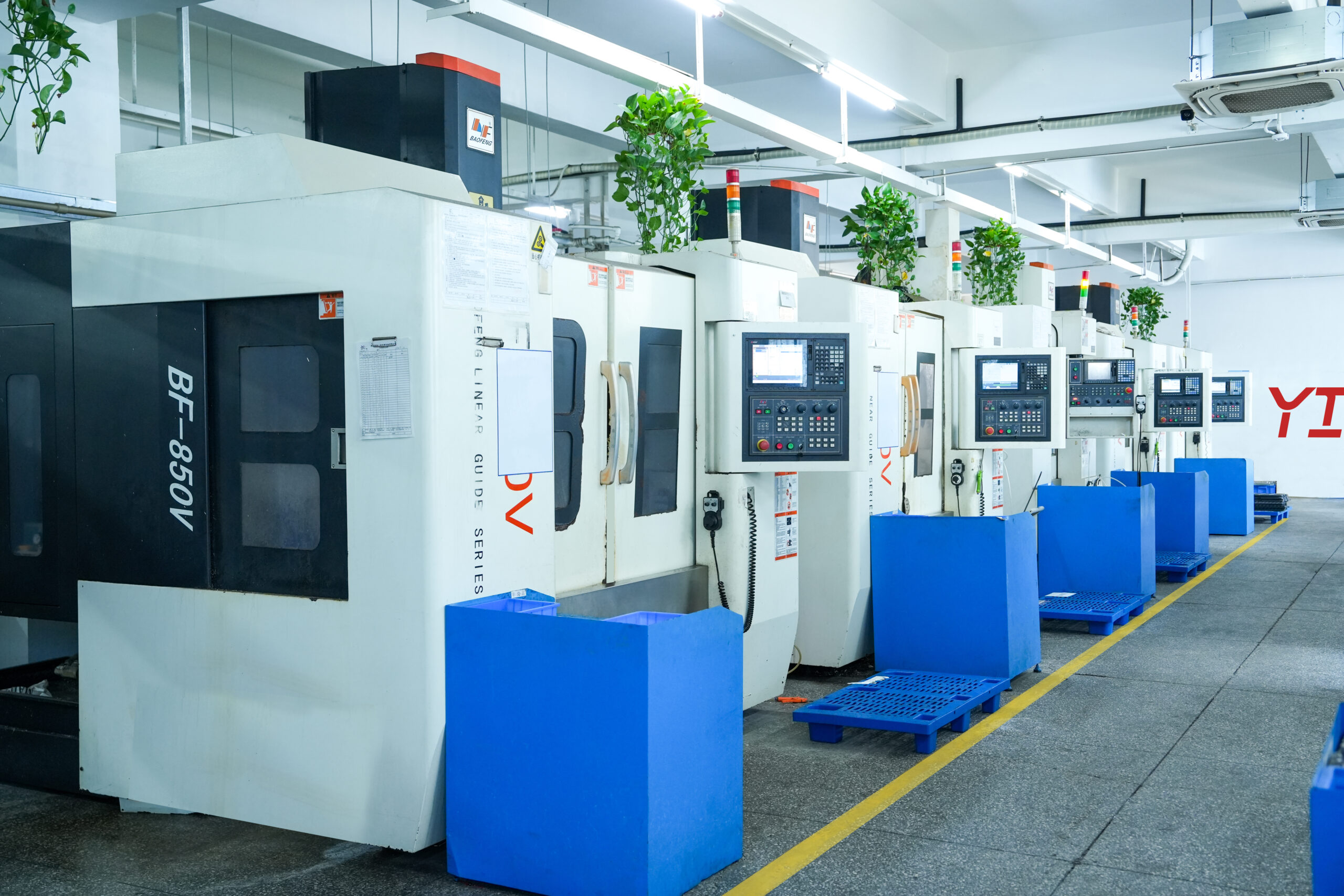
Yicen Precision overcomes these manufacturing challenges through advanced 5-axis CNC machining that enables complete housing fabrication in single setups, ensuring perfect alignment of mounting features, sealing surfaces, and optical bores. Our CAM software optimizes tool paths for thin-wall machining using specialized high-feed milling techniques that minimize cutting forces and thermal distortion. We employ precision fixtures specifically designed for sensor housings, supporting delicate features without inducing stress or deflection. CMM inspection verifies all critical dimensions including sealing groove depths, mounting hole positions, flatness specifications, and perpendicularity with documented traceability. Our quality control measures include pressure testing for sealed enclosures, optical alignment verification for vision system housings, and vibration testing to ensure mounting rigidity, guaranteeing every sensor housing and mount meets exact specifications for optimal sensor protection and performance.
D. Aplicações e casos de utilização
Sensor housings and mounts are utilized across diverse robotic platforms:
- Vision System Protection: Camera housings for machine vision, 3D scanning, and quality inspection robots with precision optical alignment
- Autonomous Vehicle Sensors: Rugged enclosures for LiDAR, radar, and camera arrays on AGVs, AMRs, and self-driving vehicles
- Collaborative Robot Safety: Protective mounts for proximity sensors, laser scanners, and force-torque transducers enabling safe human-robot interaction
- Industrial Inspection Systems: Precision mounts for non-destructive testing sensors, thermal cameras, and ultrasonic probes on robotic platforms
- Medical Robotics: Sterile sensor housings for surgical navigation systems, endoscopic cameras, and force feedback sensors
- Warehouse Automation: Environmental enclosures for barcode scanners, RFID readers, and dimension measurement sensors on sortation robots
- Aerospace Robotics: Lightweight, high-temperature sensor mounts for space robotics, satellite mechanisms, and UAV sensor packages
- Agricultural Robots: Weather-resistant housings for multispectral cameras, soil sensors, and crop monitoring equipment on autonomous farm equipment
E. Why Choose Yicen Precision for Sensor Housings and Mounts?
Yicen Precision delivers specialized expertise in manufacturing complex sensor housings and mounts with rapid turnaround times from prototype development through high-volume production runs. Our engineering team provides comprehensive Design for Manufacturability (DFM) consultation, optimizing enclosure designs for environmental sealing, thermal management, mounting configurations, and manufacturing efficiency. We maintain complete material traceability with certified mill test reports and material certifications for every component. Our scalable production capabilities accommodate both custom single-unit sensor housings for specialized applications and high-volume production orders with consistent quality standards. State-of-the-art inspection equipment including CMMs, optical comparators, and surface finish analyzers ensure dimensional accuracy and sealing surface quality. We provide additional services including anodizing, hard coating, and custom finishing to meet specific application requirements. Cost-effective solutions are achieved through optimized machining strategies, efficient material utilization, and integrated manufacturing processes that reduce lead times without compromising quality. Contact us for a custom quote and engineering consultation to discover how our precision sensor housings and mounts can enhance your robotic system’s reliability and sensor performance.










 Portuguese
  English
  French
  Spanish
  Japanese
  German