
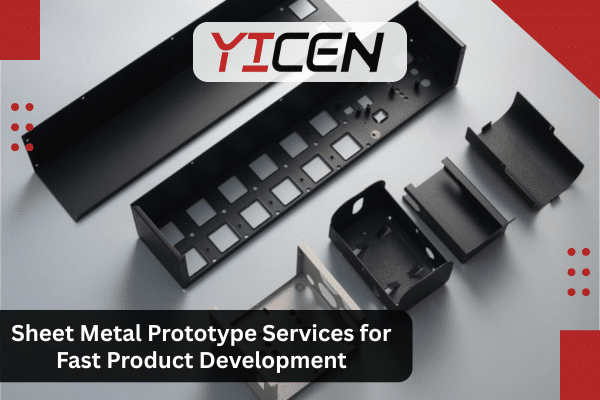
Introdução
Getting a physical prototype quickly can make or break a product launch. When you’re racing against competitors, waiting weeks for parts isn’t an option. That’s where sheet metal rapid prototyping comes in—turning digital designs into real metal parts in just a few days.
The numbers tell the story. The global Fabrico de chapas metálicas market hit $21.35 billion in 2024 and keeps climbing at 4.55% each year. Companies in aerospace, automotive, and medical devices are all moving faster, and they need prototype sheet metal services that can keep up.
Here’s what makes the difference: you get to hold your design, test it under real conditions, and fix problems before spending big money on production. This piece walks through the techniques that work, materials that matter, and what actually drives costs up or down.
What Makes Sheet Metal Prototyping Essential
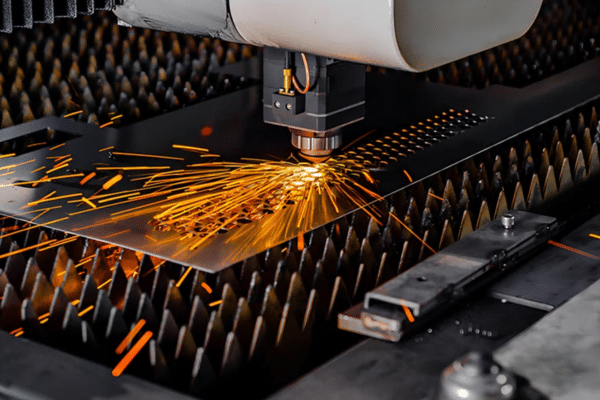
Think about the last time you saw something on a computer screen versus holding it in your hands. Completely different experience, right? That’s why physical prototypes matter so much in product development.
Sheet metal prototype fabrication takes flat metal and turns it into functional parts. Engineers test how pieces fit together, whether assemblies work smoothly, and if the design actually does what it’s supposed to do. Computer simulations miss things—weird clearance issues, unexpected stress points, materials behaving differently than the software predicted.
The process itself is straightforward but precise. CNC machines cut, bend, and form metal sheets following programmed instructions. What used to take weeks with manual equipment now happens in days. You can order anywhere from one prototype to a hundred pieces, and each one comes out consistent.
Core Fabrication Techniques for Prototypes
Laser Cutting Technology
Laser cutting shoots a concentrated beam of light that melts through metal with scary accuracy. The laser follows computer paths, creating shapes that would be nearly impossible by hand. Tolerances hit ±0.005 inches, which matters when parts need to fit together perfectly.
Works great with steel, stainless, and aluminum up to half an inch thick. The edges come out clean—often clean enough that you can skip extra finishing work. That saves both time and money.
Waterjet Cutting Process
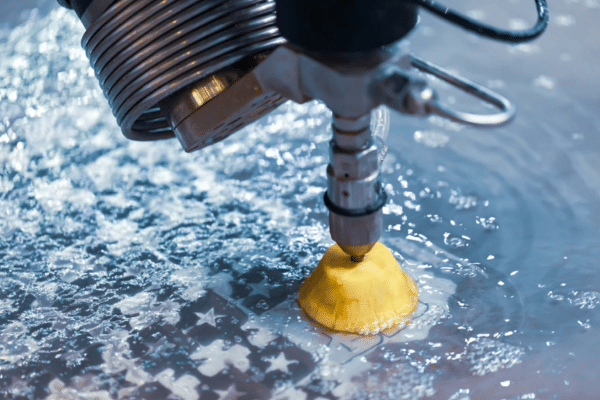
Picture a pressure washer on steroids—60,000 PSI with abrasive particles mixed in. Waterjet systems cut through pretty much anything without creating heat. No heat means no warping, no changed material properties, no headaches.
This method handles the tough jobs. Really thick Materiais, heat-sensitive metals like titanium, or situations where you can’t afford any thermal distortion. It’s slower than laser cutting but sometimes it’s the only option that works.
CNC Bending Operations
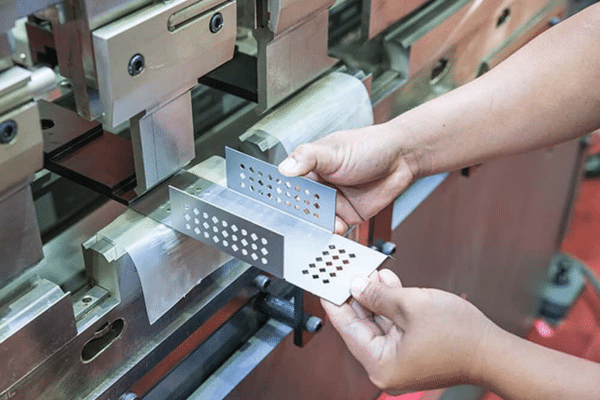
Once the metal’s cut, it needs to take shape. CNC press brakes fold flat sheets into three-dimensional forms. Modern machines remember programs, so if you order more pieces later, they’ll match your first batch exactly.
Accuracy runs about ±1 degree on angles and ±0.010 inches on placement. The automation cuts way down on setup time compared to manual bending. Operators load material, the machine does its thing, and parts come out ready for the next step.
Welding and Assembly Services
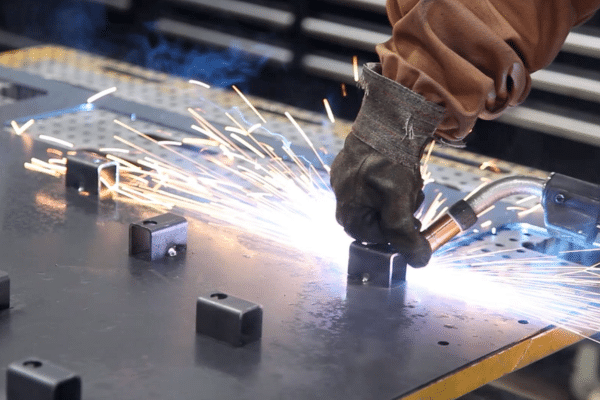
Some prototypes need multiple pieces joined together. TIG welding works best for aluminum and thin materials where you want clean, precise joints. MIG welding moves faster for steel parts. Spot welding creates quick attachment points where sheets overlap.
Good welders know how to avoid distortion while getting full penetration. The joints need to hold up during testing, and if the part’s going to be visible, the welds should look professional too.
Material Selection for Metal Prototypes
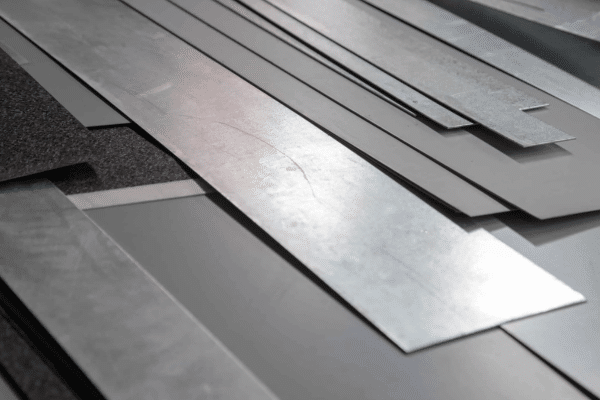
Materials drive everything—cost, weight, strength, how long fabrication takes. Getting this choice right matters more than most people realize.
Mild steel runs $3-5 per pound and works fine for internal components or anything getting painted. It’s the budget option. Stainless steel costs more at $6-12 per pound, but you skip coating expenses and get built-in corrosion resistance. Dispositivos médicos and food equipment pretty much require stainless.
Aluminum weighs a third of what steel does while still bringing decent strength. The 5052 alloy bends easily, 6061 handles structural loads, and 7075 maxes out strength for aerospace work. Expect to pay $4-8 per pound. The light weight cuts shipping costs, which adds up over time.
Then there are specialty metals for specific jobs. Copper and brass conduct electricity and heat better than anything else—essential for electronics. Titanium costs a fortune at $25-40 per pound but delivers unmatched strength-to-weight ratios. Nickel alloys survive extreme temperatures where other metals would fail.
| Material | Cost per Pound | Melhor para | Main Advantage |
| Aço macio | $3-5 | Internal parts | Lowest price |
| Stainless 304/316 | $6-12 | Medical, food gear | Won’t corrode |
| Aluminum 6061 | $4-8 | Structural parts | Lightweight |
| Titânio | $25-40 | Aerospace, implants | Strength vs. weight |
Complete Prototyping Process Steps
Understanding how fabrication actually flows helps you plan better and avoid surprises.
Engineers review CAD files before touching any metal. They’re looking for problems—bends that are too tight for the material, holes too close to edges, missing dimensions. Catching issues here prevents scrapped parts later. Design for Manufacturing analysis stops about 80% of problems before they happen.
Material comes next. Standard sheet sizes (48″ x 96″ typically) cost 15-30% less than custom dimensions. Common materials ship immediately; specialty alloys might take a few extra days.
Programmers convert designs into machine code. This takes 2-8 hours depending on complexity. The software figures out optimal cutting paths and bend sequences while setting up quality checkpoints. Once programmed, the file saves for future orders.
Machines run the actual fabrication—cutting takes 5-30 minutes for most parts, bending adds 2-10 minutes per bend. CNC equipment doesn’t need coffee breaks, so parts move through production quickly. Quality inspectors measure critical dimensions and check appearance before parts ship. Basic deburring happens same-day. Coating processes add 3-5 days but provide better durability and looks.
Industry Applications and Requirements
Different industries need custom metal fabrication prototype services for different reasons, though speed matters to everyone.
Aerospace teams obsess over weight. Every pound costs fuel and reduces payload capacity. They prototype avionics brackets, interior panels, and structural components from aluminum and titanium. Tolerances run tight at ±0.005 inches, and AS9100 certification proves you can handle their quality requirements.
Automotive companies iterate constantly. Body panels, battery enclosures for electric vehicles, mounting brackets—the list goes on. They might test weekly design changes during development. Sheet metal prototypes let them validate fit and function without waiting for production tooling.
Medical device makers face strict regulations. Stainless steel and titanium meet biocompatibility standards for surgical tools, prosthetic hardware, and diagnostic equipment housings. FDA rules require material certifications and complete traceability. You need documentation proving exactly where that metal came from.
Electronics move fast. Consumer expectations change by the month. Smartphone cases, smart home devices, computer peripherals—companies that prototype quickly beat competitors to market. The prototypes test thermal performance, assembly processes, and whether the design actually looks good enough to sell.
Key Advantages Over Alternative Methods
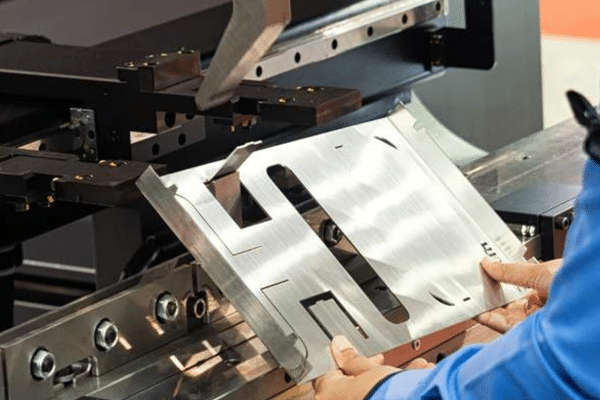
Sheet metal prototyping delivers specific benefits that other methods can’t match.
Speed tops the list. Parts ship in 3-7 days typically. Complex components cut in under an hour. Compare that to traditional machining or waiting for tooling, and the difference becomes obvious. When you’re iterating through design versions, every day counts.
Cost stays reasonable for small batches. You’re paying for material, machine time, and labor—that’s it. No expensive tooling investment required. Simple parts run $15-40 each, complex assemblies with finishing hit $75-200. Meanwhile injection molding needs $5,000 minimum for tooling before making a single part.
Results match what production will deliver because you’re using the same materials and processes. Test data from prototypes accurately predicts real-world performance. Mechanical properties, surface finish, dimensional accuracy—everything aligns with production expectations.
Design flexibility keeps projects moving. Change your mind? Send new CAD files. No tooling to remake, no penalties, no extended timelines. Most shops handle revisions smoothly. Development projects typically create 3-5 prototype versions before finalizing designs, and sheet metal rapid prototyping makes that affordable.
Common Mistakes and How to Avoid Them
People keep making the same errors with sheet metal prototypes. Learning from these saves time and money.
Bend radius specs cause more problems than they should. Every material has minimum bend radius based on thickness. Go tighter and the metal cracks. Rule of thumb: inside radius should equal material thickness for soft materials, double that for hardened alloys. When in doubt, make bends more generous.
Edge distances matter too. Put holes too close to edges and the metal tears during cutting or forming. Keep at least two times material thickness between hole edges and part boundaries. Seems simple but violations show up constantly.
Grain direction affects how metal bends. The material has a grain like wood does. Bending perpendicular to grain increases cracking risk. Either specify grain direction on drawings or let fabricators optimize orientation.
Tolerance overkill drives up costs unnecessarily. Specifying tight tolerances everywhere adds 20-40% to pricing. Standard tolerances (±0.010 inches for cuts, ±1 degree for bends) work fine for most applications. Save precision specs for dimensions that truly matter for fit or function.
Selecting the Right Service Provider
Finding the right fabrication partner makes everything easier. Here’s what actually matters when choosing.
Check technical capabilities first. Can they handle your sheet sizes? Material thicknesses? What tolerances do they guarantee? Which materials do they run regularly? Visit facilities if possible—modern equipment indicates they’re investing in quality.
Quality certifications tell you about their systems. ISO 9001 covers general quality management. AS9100 applies to aerospace work. ISO 13485 relates to medical devices. Certified shops maintain documented processes and calibrated equipment.
Responsiveness reveals how they’ll perform under pressure. How quickly do they answer questions? Do they ask intelligent questions about requirements? Can they handle rush jobs? Assign dedicated contacts? Poor communication during quoting predicts worse communication during production.
Pricing transparency matters more than low numbers. Detailed quotes showing material costs, machine time, setup fees, finishing charges, and shipping let you optimize spending. Lump-sum pricing hides what’s actually driving costs. You can’t make smart decisions without seeing the breakdown.
Cost Factors and Budget Planning
Multiple variables drive final costs. Understanding these helps with accurate budgeting.
Material represents 30-50% of total costs. Choosing mild steel versus titanium completely changes project economics. Pick the cheapest material meeting performance needs. Upgrade only after testing proves you need better properties.
Complexity adds up quickly. Each bend costs $2-5. Complex cutouts increase prices 20-40%. Weld joints run $10-30 each. Tight tolerances add 20-50% premiums. Simplify designs where function allows—fewer bends, simpler features, standard tolerances except where critical.
Quantity economics reward ordering more pieces. One part at $100 each drops to $60 each for five pieces, $45 for ten, $35 for twenty-five. Setup costs spread across units. Order extras when budget allows since having spares prevents delays during testing.
Finishing treatments significantly impact final pricing. Deburring adds $5-15 per part. Powder coating runs $25-75. Anodizing costs $15-40. Plating ranges $20-60. Skip unnecessary finishing on early prototypes. Add cosmetic treatments after validating the design.
| Processo | Melhor para | Prazo de execução | Cost Range |
| Sheet Metal Prototype | Thin parts, bends, metal needed | 3-7 dias | $15-40/part |
| Maquinação CNC | Thick parts, complex 3D | 5-14 days | $50-150/part |
| Impressão 3D | Complex shapes, very low qty | 1-5 days | $10-100/part |
| Injection Molding | High volume plastic | 4-8 weeks | $2-5/part |
Conclusão
Getting prototypes fast changes how quickly products reach market. Sheet metal prototype fabrication turns designs into functional parts within days, not weeks. The combination of CNC precision, material variety, and flexible manufacturing supports rapid iteration—essential when development timelines keep compressing.
Success comes from understanding techniques, materials, and cost drivers while selecting experienced providers. Engineers who apply best practices for design, material selection, and tolerancing maximize prototype value while minimizing development risks.
Perguntas mais frequentes
What is the typical lead time for sheet metal prototypes?
Most projects ship in 3-7 business days. Simple parts with basic finishing complete in 24-48 hours. Rush services handle urgent needs in 1-2 days for additional fees.
How much do sheet metal prototypes cost?
Simple components run $15-40 per part. Complex assemblies with finishing cost $75-200. Material choice significantly impacts pricing. Always request detailed quotes.
What tolerance levels can sheet metal prototyping achieve?
Standard capabilities include ±0.010 inches for cuts and ±1 degree for bends. Precision laser cutting reaches ±0.005 inches when needed.
Do prototypes match production part quality?
Yes, because they use identical materials and processes. The main difference involves tooling optimization for high-volume manufacturing runs.
What file formats do fabricators require?
Most accept STEP, IGES, DXF, and DWG formats. Provide 3D files for parts with bends. Include PDF drawings with dimensions and specifications.
Citações e referências
- Precedence Research. (2025). Sheet Metal Fabrication Services Market Size, Share, and Trends Analysis Report 2025-2034. Retrieved from https://www.precedenceresearch.com/sheet-metal-fabrication-services-market
- GM Insights. (2025). Sheet Metal Fabrication Services Market Analysis Report 2025-2034. Retrieved from https://www.gminsights.com/industry-analysis/sheet-metal-fabrication-services-market
- Congruence Market Insights. (2024). Global Sheet Metal Fabrication Services Market Report 2024-2032. Retrieved from https://www.congruencemarketinsights.com/report/sheet-metal-fabrication-services-market
- Growth Market Reports. (2025). Sheet Metal Fabrication Services Market Research Report 2025-2033. Retrieved from https://growthmarketreports.com/report/sheet-metal-fabrication-services-market
 Portuguese
  English
  French
  Spanish
  Japanese
  German