
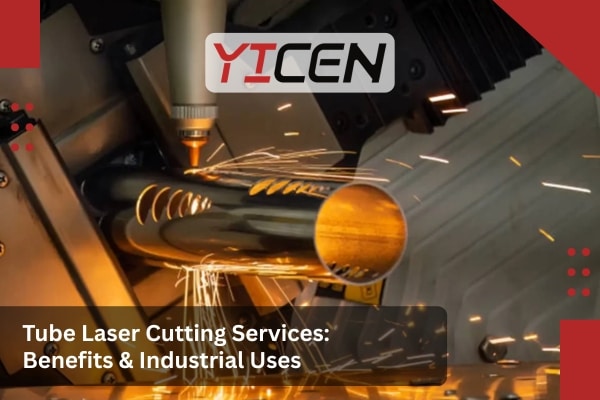
A precisão de fabrico atingiu novos patamares com serviços de corte por laser de tubos estão a tornar-se essenciais em todos os sectores. Estudos recentes do American Manufacturing Institute mostram que 73% dos fabricantes adoptaram tecnologias de corte a laser até 2024, impulsionados pela procura de tolerâncias mais apertadas e ciclos de produção mais rápidos.
Esta tecnologia corta através de várias formas e materiais de tubos, mantendo uma precisão excecional. Empresas como a Boeing e a Ford confiam no corte a laser de tubos para componentes críticos em que os métodos tradicionais são insuficientes.
O que é o corte a laser de tubos
Corte a laser de tubos utiliza feixes de luz concentrados para cortar materiais tubulares com precisão controlada por computador. Ao contrário do corte mecânico, que requer contacto físico e cria pontos de tensão, a tecnologia laser vaporiza o material ao longo de trajectórias programadas.
O processo lida com tubos redondos, tubos quadrados e perfis personalizados sem necessidade de alterar as ferramentas. Atualmente, a maioria dos sistemas utiliza tecnologia de laser de fibra, que proporciona três vezes mais eficiência do que os sistemas de CO2 mais antigos, de acordo com as diretrizes de fabrico do NIST.
As máquinas modernas processam materiais de 6mm a 220mm de diâmetro com espessura de parede que chega a 25mm em aplicações de aço.
Como funciona o corte a laser de tubos
O processo de corte começa quando os materiais são carregados em sistemas de alimentação automatizados. Laser de fibra Os geradores criam feixes de energia focalizados que aquecem o material para além do seu ponto de vaporização.
Fluxo de trabalho do processo:
- A programação CNC define percursos de corte e parâmetros
- O material fixa-se e posiciona-se automaticamente
- A cabeça do laser segue a geometria programada
- Os gases auxiliares removem o material fundido
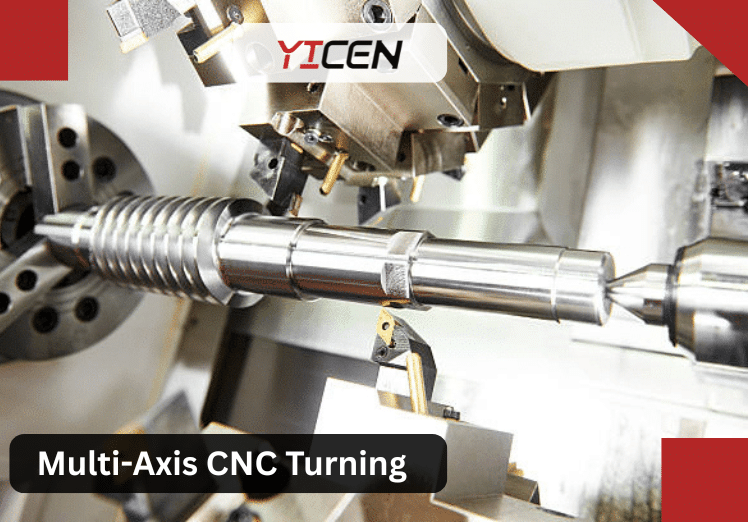
6 eixos A capacidade de rotação permite cortar em vários ângulos sem necessidade de reposicionamento. Isto elimina as operações secundárias que os métodos tradicionais exigem. As velocidades de produção atingem 15-20 metros por minuto em tubos de aço padrão.
Materiais e formas para corte a laser de tubos
Tubo de aço O processamento de tubos de alumínio domina as aplicações industriais, embora a utilização do alumínio e do aço inoxidável esteja a crescer rapidamente. A Associação de Fabricantes e Fabricantes relata um aumento de 45% no corte de tubos de alumínio desde 2023.
Capacidades materiais
- Aço-carbono com paredes até 25 mm
- Aço inoxidável para aplicações alimentares e médicas
- Perfis de alumínio para a construção de veículos ligeiros
- Tubos de cobre para sistemas HVAC
| Forma do tubo | Gama de espessuras de parede | Aplicações típicas |
| Redondo | 1-25mm | Sistemas de exaustão, corrimãos |
| Tubos rectangulares | 1-20mm | Estruturas, mobiliário |
| Quadrado | 1-20mm | Arquitetura, máquinas |
| Perfis personalizados | 2-15mm | Equipamento especializado |
O processamento de diferentes materiais requer ajustes de parâmetros. O aço corta mais rapidamente, enquanto o aço inoxidável necessita de velocidades reduzidas para evitar a distorção térmica.
Principais vantagens do corte a laser de tubos
Precisão atinge ±0,1 mm de forma consistente, superando os métodos tradicionais em 5x, de acordo com dados do Manufacturing Technology Institute. Esta precisão elimina problemas dispendiosos de retrabalho e montagem.
A eficiência da produção aumenta 40-60% em comparação com as operações de corte com serra. Os sistemas automatizados funcionam 24 horas por dia, 7 dias por semana, com supervisão mínima, maximizando o rendimento e reduzindo os custos de mão de obra.
O desperdício de material diminui significativamente através do software de colocação optimizado. As empresas registam uma poupança de material de 15-25% em comparação com os métodos de corte convencionais. Os cortes limpos eliminam as operações de rebarbação, reduzindo o tempo de manuseamento.
Os benefícios ambientais incluem a redução do consumo de energia e da produção de resíduos. Os sistemas laser consomem menos 30% de energia do que o corte por plasma, produzindo um mínimo de resíduos.
Comparação entre o corte a laser de tubos e outros métodos
Corte de tubos por laser supera as alternativas em vários parâmetros. O corte por plasma cria grandes zonas afectadas pelo calor que enfraquecem os materiais. A tecnologia de jato de água iguala a precisão, mas funciona 5 vezes mais devagar em secções espessas.
A serragem tradicional requer um tempo de preparação alargado e produz resultados inconsistentes. O desgaste da ferramenta cria variações dimensionais que o corte a laser evita totalmente.
Comparações recentes da Society of Manufacturing Engineers mostram que o corte a laser proporciona tempos de ciclo 85% mais rápidos do que as operações de serra de fita, mantendo uma qualidade de aresta superior.
Aplicações industriais dos serviços de corte a laser de tubos
Indústria automóvel As aplicações do 35% expandiram-se em 2024, à medida que os fabricantes procuram atingir objectivos de redução de peso. Os sistemas de escape, os componentes do chassis e as gaiolas de proteção beneficiam de cortes precisos que os métodos tradicionais não conseguem alcançar.
A Gigafactory da Tesla utiliza serviços de corte por laser de tubos para estruturas de conjuntos de baterias, exigindo tolerâncias de 0,05 mm para uma montagem correta. Esta precisão evita problemas de encaixe que o corte manual frequentemente cria.
Dispositivos médicos A indústria transformadora depende fortemente do corte de tubos de aço inoxidável para instrumentos cirúrgicos e componentes de implantes. Os regulamentos da FDA exigem uma qualidade consistente que apenas os sistemas laser automatizados fornecem de forma fiável.
O projeto de modernização do metropolitano de Londres utilizou Corte a laser de tubos 3D para o fabrico de junções complexas, processando mais de 10.000 peças personalizadas com zero requisitos de retrabalho.
Escolher o serviço certo de corte a laser de tubos
Experiência com sectores específicos é muito importante. Os prestadores de serviços devem demonstrar projectos bem sucedidos em aplicações relevantes com tolerância realizações.
A avaliação tecnológica inclui máquinas capacidadeOs sistemas de controlo de qualidade e os níveis de automação. A Trumpf e a AMADA representam os principais fabricantes de equipamentos, enquanto os sistemas mais antigos podem limitar as opções de materiais.
Serviços de valor acrescentado como a rebarbação, a conformação e a montagem podem simplificar as cadeias de fornecimento. Alguns fornecedores oferecem otimização de design que reduz a utilização de materiais e melhora a capacidade de fabrico.
A Yicen Precision opera equipamentos de última geração com certificação ISO 9001:2015 e programadores experientes que optimizam os parâmetros de corte para cada aplicação.
Conclusão
Serviços de corte a laser de tubos oferecem vantagens mensuráveis através de uma precisão superior, produção mais rápida e redução do desperdício. A adoção pela indústria continua a acelerar à medida que os fabricantes reconhecem os benefícios competitivos.
A versatilidade da tecnologia em termos de materiais e aplicações torna-a essencial para o fabrico moderno. As empresas que investem no corte a laser de tubos registam uma melhoria da qualidade dos produtos e uma redução dos custos de produção.
Perguntas mais frequentes
Que materiais funcionam com o corte a laser de tubos?
O aço, o aço inoxidável, o alumínio e o cobre são processados eficazmente. A espessura da parede varia entre 1-25 mm, dependendo das propriedades do material e das especificações do laser.
Qual é a precisão do corte a laser de tubos?
Os sistemas modernos atingem ±0,1 mm tolerância de forma consistente. Esta precisão ultrapassa em 5x os métodos de corte tradicionais, mantendo a repetibilidade em todas as séries de produção.
Qual é a espessura máxima do corte a laser de tubos?
Os tubos de aço com paredes até 25 mm são cortados eficazmente. O alumínio processa normalmente até 15 mm, mantendo a qualidade e a velocidade de corte ideais.
O corte a laser de tubos é rentável em comparação com as alternativas?
Sim, as velocidades de produção 40-60% mais rápidas e a poupança de material 15-25% criam vantagens significativas em termos de custos. A redução dos requisitos de mão de obra melhora ainda mais a economia.
Quais são os prazos de entrega previstos para os projectos de corte a laser de tubos? Os projectos padrão são concluídos no prazo de 3 a 5 dias úteis. As geometrias complexas podem exigir tempo adicional, dependendo dos requisitos de programação e do calendário de produção atual.
Citações:
- Instituto Americano de Fabrico. "Adoção da tecnologia laser no fabrico". Relatório Anual 2024.
- Instituto Nacional de Normas e Tecnologia. "Processos de fabrico avançados". NIST.SP.1500-201, 2024.
- Sociedade de Engenheiros de Fabrico. "Estudo de comparação de processos de corte". Manufacturing Engineering, Vol. 162, 2024.
- Associação de Fabricantes e Construtores. "Relatório de tendências de corte de metal". Análise da Indústria FMA, 2024.
 Portuguese
  English
  French
  Spanish
  Japanese
  German