
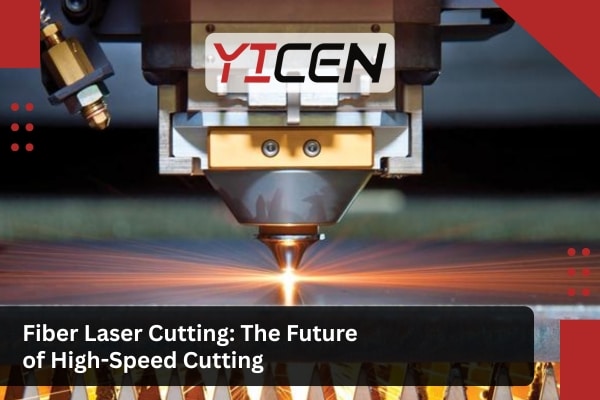
Os processos convencionais de corte de metais não estão a conseguir satisfazer as necessidades de fabrico contemporâneas. O fabrico de indústrias que necessitam de precisão, velocidade e eficiência de custos recorreu a serviços de corte a laser de fibra, uma tecnologia que se manteve consistente na indústria automóvel e aeroespacial, na indústria eletrónica e na indústria de fabrico de metais.
O mercado das máquinas de corte a laser de fibra está estimado em 2,2 mil milhões em 2024 e, até ao ano 2031, prevê-se que seja de 3,1 mil milhões. Este crescimento de 4,9 pontos percentuais é a mudança do fabrico para a automatização e a precisão. Na Yicen Precision, as nossas instalações com certificação ISO 9001:2015 integram o corte a laser de fibra com a maquinagem CNC para fornecer componentes com tolerâncias tão apertadas como ±0,005 mm.
Qual é o futuro do corte a laser?
O fabrico exige sistemas de corte mais limpos, mais rápidos e mais inteligentes. A direção da indústria centra-se na automação, em potências mais elevadas, em diagnósticos de IA e em sistemas de fabrico híbridos. Fibra profissional serviços de corte a laser estão a evoluir para responder a estes requisitos avançados.
Tecnologia inteligente a redefinir a indústria
Os serviços contemporâneos de corte a laser de fibra vão para além das funções básicas de corte:
- Monitorização em tempo real: Os sensores detectam instantaneamente a instabilidade do feixe, o desgaste do bocal e as variações de material
- Manutenção preditiva com IA: Os sistemas analisam os dados de desempenho para evitar falhas antes da sua ocorrência
- Capacidades de potência mais elevadas: Os sistemas de 10-15kW cortam aço inoxidável com mais de 30 mm sem processamento secundário
- Fluxos de trabalho híbridos: Corte, soldadura e manuseamento integrados em linhas de produção unificadas
Em 2024, a indústria assistiu à introdução do sistema de laser de fibra de 15kW da Bystronic e à introdução da modelação inteligente do feixe do 3015 NEO da Mazak. Estas máquinas fazem uma utilização eficiente da energia, para além de aumentarem a aceleração e a precisão. Estima-se que os sistemas de IA irão dominar o mercado em 25% do mercado até 2025, revolucionando a automação através do fabrico.
Depois de combinarem os sistemas laser com o manuseamento robótico, os fabricantes aeroespaciais reivindicam uma poupança de custos de 40% em mão de obra. Uma ligação IoT permite a monitorização remota e a realização de manutenção preditiva, o que reduz em grande medida o tempo de inatividade.
| Caraterística | 2024 Norma | Projeção futura |
| Espessura de corte | Até 30 mm | Para além de 40 mm |
| Deteção de materiais | Configuração manual | Reconhecimento automático de IA |
| Manutenção | Intervalos programados | Análise preditiva |
| Funcionamento | Dependente do operador | De semi-autónomo a totalmente autónomo |
Qual é a esperança de vida de uma máquina de corte a laser de fibra?
O planeamento do investimento em serviços de corte a laser de fibra requer o conhecimento da longevidade do equipamento e da duração do desempenho.
Factores-chave que determinam a vida útil da máquina
Os sistemas laser de fibra de qualidade funcionam eficazmente durante 8-12 anos com uma manutenção adequada. Os modelos modulares prolongam a vida útil funcional para além dos 15 anos através de actualizações estratégicas.
Factores críticos:
Qualidade da fonte de laser: As fontes de qualidade superior têm uma classificação de MTBF (tempo médio antes da falha) superior a 100 000 horas, o que significa anos de funcionamento antes de a fonte necessitar de qualquer manutenção significativa.
Desempenho do sistema de arrefecimento: Os refrigeradores com caraterísticas industriais que funcionam 24 horas por dia, 7 dias por semana, evitam a instabilidade do feixe e as avarias atempadas. Um arrefecimento deficiente é uma das principais razões para a degradação prematura.
Formação de operadores: Uma formação adequada desencoraja o desgaste injustificado. O conhecimento dos requisitos do sistema e dos processos de manutenção contribui muito para aumentar a vida útil do equipamento.
Controlos ambientais: O pó, o calor e a humidade são factores que aceleram a deterioração. A área de corte é fechada e filtrada por HEPA até à perfeição.
Com sistemas com seis anos de idade que foram optimizados através da atualização dos painéis de controlo e do sistema de fornecimento de gás, as operações de fabrico de metal referem que vale a pena manter este tipo de sistema num design modular em vez de o substituir.
| Componente | Tempo de vida previsto | Notas de manutenção |
| Fonte de laser | 8-12 anos | Fontes IPG/Raycus classificadas como 100.000+ horas |
| Ótica/Lentes | 1-2 anos | A limpeza regular prolonga a vida útil; facilmente substituível |
| Servomotores | 7-10 anos | Motores de qualidade de fabricantes estabelecidos |
| Controlador CNC | Mais de 10 anos | Actualizações modulares disponíveis |
Quais são as desvantagens do corte a laser de fibra?
Compreender as limitações da tecnologia permite tomar decisões informadas ao selecionar serviços de corte a laser de fibra.
Compreender as limitações
O corte a laser de fibra está em desvantagem com material não metálico denso, metal altamente refletor, e custa mais para começar do que os sistemas de CO2.
Compatibilidade de materiais: Os lasers de fibra funcionam bem com metais, mas não podem funcionar com plásticos, madeira ou tecidos. O comprimento de onda de 1064nm não é bem absorvido em materiais não metálicos.
Materiais reflectores: Os feixes são reflectidos na fonte pelo latão e pelo cobre, que podem ser danificados. Os isoladores antirreflexo e os estabilizadores de feixe foram adicionados aos serviços modernos de laser de fibra (corte) a um custo.
Primeiro custo: Os sistemas de fibra são mais caros de instalar. Os benefícios operacionais a longo prazo são:
- 70-80% melhor eficiência energética
- Requisitos mínimos de manutenção
- Zero custos de consumíveis
- Velocidades de corte mais elevadas reduzem os custos de mão de obra
| Caraterística | Laser de fibra | Laser de CO₂ |
| Velocidade do metal fino | Muito elevado | Moderado |
| Capacidade não metálica | Limitada | Forte |
| Metais reflectores | Necessita de proteção | Moderado |
| Custo operacional | Baixa | Elevado |
| Manutenção | Baixa | Elevado |
O que é melhor do que o corte a laser?
A seleção da tecnologia depende mais dos requisitos específicos da aplicação do que da superioridade universal. A comparação do corte a laser de fibra com métodos alternativos revela vantagens distintas.
Comparação das opções de corte
Diferentes tecnologias destacam-se em cenários específicos. A seleção depende do tipo de material, da espessura, dos requisitos de precisão e do orçamento.
Corte por jato de água: Lida com materiais sensíveis ao calor (cerâmica, compósitos) sem zonas afectadas pelo calor. Funciona mais lentamente, requer meios abrasivos e tem custos operacionais mais elevados.
Corte a plasma: Baixo custo de equipamento com processamento rápido de aço espesso. Precisão limitada com arestas rugosas que requerem pós-processamento.
Corte mecânico: Custo de equipamento mais baixo, mas limitado a formas simples. Não é escalável para geometrias complexas.
Para peças de aço inoxidável com menos de 25 mm que requerem velocidade, arestas limpas e flexibilidade de design, os serviços de corte a laser de fibra proporcionam óptimos resultados.
| Método | Precisão | Velocidade | Custo | Melhor aplicação |
| Laser de fibra | ★★★★★ | ★★★★☆ | $$$ | Metais finos-médios |
| Jato de água | ★★★★☆ | ★★☆☆☆ | $$$$ | Materiais sensíveis ao calor |
| Plasma | ★★☆☆☆ | ★★★★★ | $$ | Aço espesso, cortes grosseiros |
| Mecânica | ★★☆☆☆ | ★★★☆☆ | $ | Formas simples |
Os fabricantes de produtos electrónicos que mudam de serviços de perfuração CNC para serviços de corte por laser de fibra eliminam o tempo de troca de ferramentas e reduzem a rebarbação de arestas em 90%, poupando $18.000+ trimestralmente em mão de obra e retrabalho.
Conclusão
Os serviços de corte a laser de fibra constituem o superlativo de fabrico atual e o futuro da indústria. O desenvolvimento da automatização, a melhoria da potência e a incorporação da IA exemplificam o domínio primário dos lasers de fibra no fabrico de metais. A Yicen Precision seria a melhor escolha com a nossa fábrica com certificação ISO, que fornece a combinação de máquinas de corte a laser de fibra e extensas máquinas CNC capazes de produzir peças de precisão para atingir os padrões das indústrias aeroespacial, automóvel e eletrónica.
Perguntas frequentes
Q1: Qual é a gama de custos típica dos sistemas laser de fibra industriais? Os sistemas de nível básico começam em $50.000-$80.000, enquanto as máquinas industriais de alta potência variam entre $150.000-$500.000+, dependendo da potência, automação e caraterísticas. O retorno do investimento é normalmente alcançado em 2-3 anos através da redução dos custos de funcionamento.
Q2: Com que eficácia é que os lasers de fibra processam o alumínio? Os lasers de fibra lidam com o alumínio de forma eficiente, apesar da refletividade. Os sistemas modernos incluem caraterísticas de proteção para um corte de alumínio seguro e eficaz. Os sistemas de maior potência (6kW+) processam o alumínio a velocidades competitivas.
Q3: Que protocolos de manutenção requerem os sistemas de laser de fibra? A manutenção de rotina inclui a limpeza da lente, a inspeção da janela de proteção e a verificação do sistema de arrefecimento. Os sistemas de fibra requerem muito menos manutenção do que os lasers de CO₂ - não são necessários reabastecimentos de gás ou alinhamentos de espelhos.
Q4: Qual a espessura máxima de material que os sistemas actuais podem cortar? Os actuais sistemas de 10-12kW cortam aço inoxidável de 30mm e aço macio de 40mm+. Os sistemas de maior potência (15kW+) alargam ainda mais as capacidades, mantendo a qualidade. A velocidade de corte diminui com a espessura.
Q5: Como é que a eficiência energética se compara com os sistemas tradicionais? Os lasers de fibra consomem menos 70-80% de energia do que os sistemas de CO₂. As temperaturas de funcionamento mais baixas e o bombeamento direto por díodo reduzem o consumo de energia e os requisitos de arrefecimento, diminuindo significativamente os custos operacionais.
Referências
- QYResearch. (2024). "Relatório do mercado global de máquinas de corte a laser de fibra 2024-2030." A pesquisa de mercado indica uma avaliação de $2,2 bilhões em 2024, projetada em $3,1 bilhões em 2031. Estudo baseado em entrevistas primárias com executivos do sector e análise secundária de dados do fabricante.
- Grand View Research. (2024). "Relatório de tamanho e participação do mercado de máquinas de corte a laser, 2030." Análise de mercado independente mostrando a Ásia-Pacífico comandando 39,7% de participação de mercado em 2023, projetado 6,5% CAGR até 2030. A metodologia de investigação incluiu inquéritos a mais de 500 instalações de fabrico.
- Mercados e Mercados. (2024). "Tamanho do mercado de laser de fibra, participação, relatório da indústria, tendências de receita." Análise projetando o crescimento do mercado de laser de fibra de $7,7 bilhões (2024) para $12,8 bilhões (2029) a 10,8% CAGR. A investigação foi realizada através de entrevistas a especialistas na América do Norte, Europa, Ásia-Pacífico e Médio Oriente.
- Mercado de colheres. (2025). "Estatísticas e fatos da máquina de corte a laser (2025)." As estatísticas da indústria mostram que os lasers de fibra atingem uma quota de mercado de 60% em 2024, os sistemas alimentados por IA atingem uma penetração de 25% em 2025. Dados compilados a partir de relatórios de fabricantes e descobertas de associações do setor.
- Relatórios de mercado verificados. (2024). "Insights e tendências do mercado de máquinas de corte a laser de fibra". Relatório de inteligência de mercado avaliado em $5,58 bilhões (2023), projetado em $11,35 bilhões até 2030. A pesquisa primária incluiu entrevistas com os principais líderes de opinião da Trumpf, Bystronic, Amada e outros grandes fabricantes.
 Portuguese
  English
  French
  Spanish
  Japanese
  German