 Saltar para o conteúdo
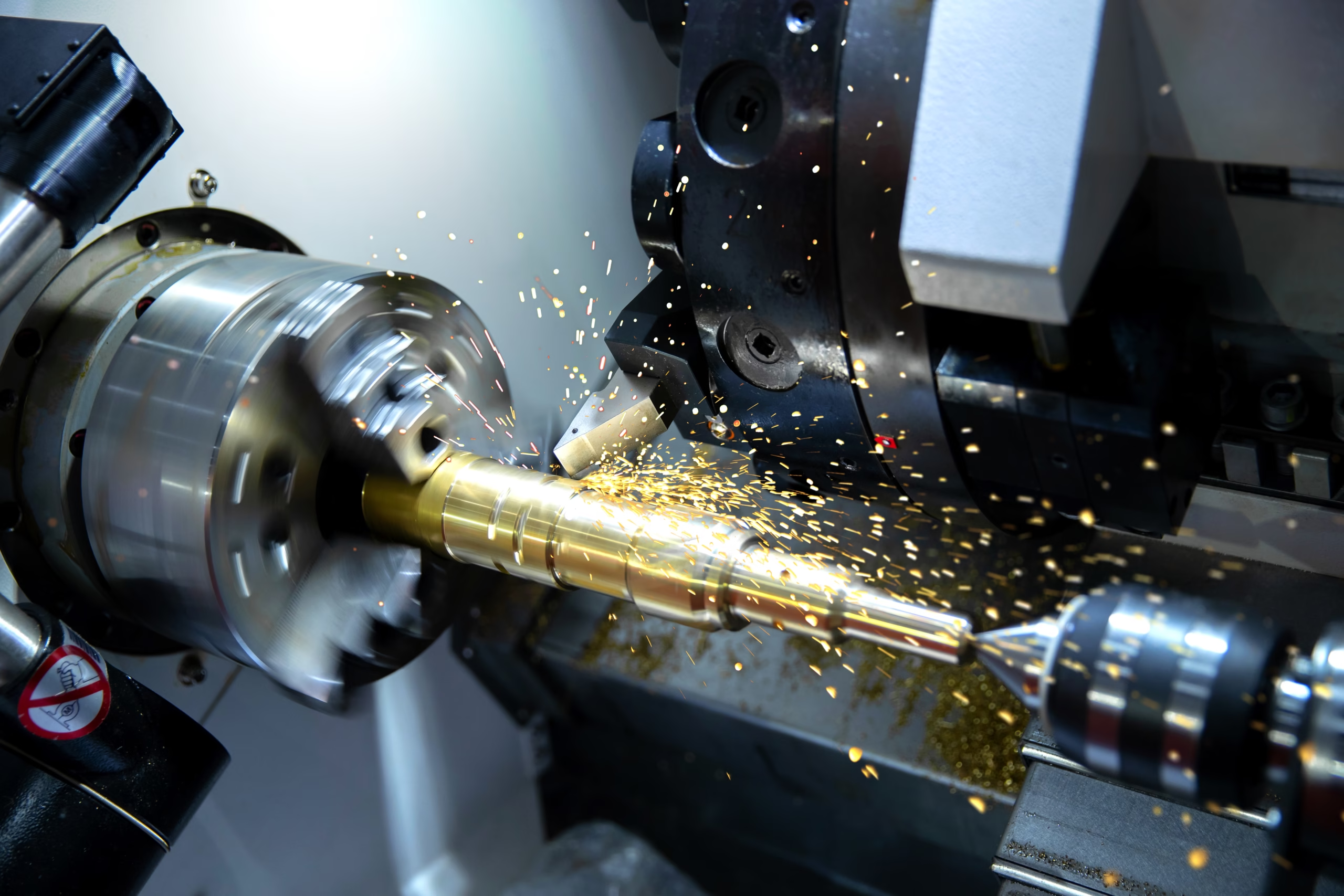
Stainless steel CNC machining services play a critical role in industries where strength, corrosion resistance, and long-term durability are non-negotiable. Unlike aluminum or plastics, stainless steel presents unique machining challenges due to its hardness, work-hardening properties, and heat resistance. Successfully machining it requires not only advanced CNC equipment but also deep process knowledge, optimized tooling strategies, and precise control over cutting conditions.
For manufacturers, the decision to use stainless steel is rarely about cost—it’s about performance. Whether in aerospace, medical devices, automotive systems, or industrial equipment, stainless steel components must maintain structural integrity under demanding conditions. CNC machining provides the precision and repeatability needed to meet these requirements.
This guide explains how stainless steel CNC machining works, what makes it challenging, and how to achieve consistent, high-quality results.
Why Stainless Steel Is Widely Used in CNC Machining
Stainless steel is one of the most versatile engineering materials available. Its popularity comes from a combination of mechanical strength and environmental resistance that few other materials can match.
One of its defining properties is corrosion resistance. Stainless steel forms a passive oxide layer that protects it from rust and chemical damage. This makes it ideal for applications exposed to moisture, chemicals, or extreme environments.
Strength is another key factor. Stainless steel maintains its mechanical properties under high stress and temperature, making it suitable for load-bearing components and critical applications. Unlike softer materials, it resists deformation and wear over time.
In addition, stainless steel offers excellent durability and longevity. Components made from it often have longer service lives, reducing the need for replacement and maintenance. This is particularly important in industries where downtime is costly.
What Makes Stainless Steel Difficult to Machine
Despite its advantages, stainless steel is known for being difficult to machine. The challenges arise from its physical and mechanical properties, which behave differently compared to more machinable materials like aluminum.
One of the primary issues is work hardening. As stainless steel is cut, the material can become harder at the surface, especially if cutting parameters are not optimized. This makes subsequent passes more difficult and increases tool wear.
Heat generation is another challenge. Stainless steel does not dissipate heat as efficiently as other metals, causing heat to concentrate at the cutting edge. This can lead to tool failure and poor surface finish if not managed properly.
Tool wear is also a significant concern. The hardness and toughness of stainless steel cause cutting tools to wear more quickly, requiring the use of high-quality tooling and optimized cutting strategies.
Chip control further complicates machining. Stainless steel tends to produce long, stringy chips that can interfere with the cutting process. Effective chip breaking and evacuation are essential to maintain efficiency and prevent damage.
How CNC Machining Overcomes These Challenges
CNC machining provides the level of control needed to handle stainless steel effectively. By optimizing toolpaths, cutting speeds, and feed rates, manufacturers can reduce the impact of work hardening and heat buildup.
Tool selection plays a crucial role. Carbide tools with specialized coatings are commonly used to withstand the high temperatures and cutting forces involved. These tools maintain sharpness longer and improve overall machining performance.
Cutting strategies are equally important. Maintaining consistent tool engagement helps prevent sudden increases in cutting force, which can damage tools and affect part quality. High-efficiency machining techniques are often used to improve performance and extend tool life.
Coolant application is another critical factor. Proper use of coolant reduces heat, improves surface finish, and helps control chip formation. In some cases, high-pressure coolant systems are used to enhance chip evacuation.
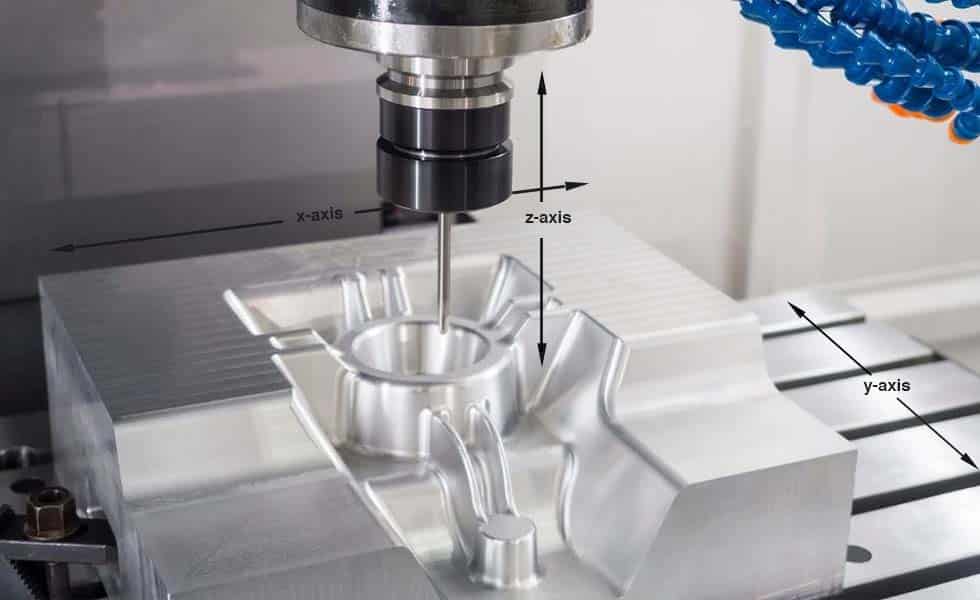
Modern CNC machines also offer advanced capabilities such as high-speed spindles and multi-axis movement. These features allow complex stainless steel parts to be machined with fewer setups, improving accuracy and reducing production time.
Common Types of Stainless Steel Used in Machining
Different grades of stainless steel are used depending on the application, each with its own machining characteristics.
Austenitic stainless steels, such as 304 and 316, are among the most widely used. They offer excellent corrosion resistance but are more prone to work hardening, making them more challenging to machine.
Martensitic stainless steels, such as 410, are harder and more wear-resistant. They are easier to machine than austenitic grades but may require additional heat treatment.
Precipitation-hardening stainless steels, such as 17-4 PH, provide a balance of strength and machinability. They are commonly used in high-performance applications where both durability and precision are required.
Selecting the right grade is essential, as it affects not only performance but also machining efficiency and cost.
Applications of Stainless Steel CNC Machining
Stainless steel CNC machining services are used across a wide range of industries where reliability and precision are critical.
In the aerospace sector, stainless steel components are used for structural parts and systems exposed to extreme conditions. Precision machining ensures that these components meet strict safety and performance standards.
Medical applications rely heavily on stainless steel for surgical instruments and implants. The material’s corrosion resistance and biocompatibility make it ideal for these uses, while CNC machining ensures the required precision and surface finish.
The automotive industry uses stainless steel for components that must withstand high temperatures and mechanical stress. These include exhaust systems, fasteners, and engine parts.
Industrial equipment and machinery also benefit from stainless steel’s durability. Components used in harsh environments require both strength and resistance to wear, making stainless steel an ideal choice.
Prototyping and Production Considerations
Stainless steel CNC machining is used for both prototyping and production, but the priorities differ between the two.
In prototyping, flexibility and speed are essential. Designs may change frequently, and the ability to produce accurate parts quickly is critical. Maquinação CNC supports this by allowing rapid iteration without the need for specialized tooling.
In production, consistency and efficiency become the focus. Once a design is finalized, the machining process must be optimized to ensure repeatability and cost-effectiveness. This includes refining toolpaths, selecting the right tooling, and implementing quality control measures.
Balancing these factors is key to achieving successful outcomes in both phases.
How to Choose the Right CNC Machining Service
Selecting a reliable machining partner is essential when working with stainless steel. Experience with the material is particularly important, as it requires specialized knowledge and techniques.
A capable service provider will understand how to optimize cutting conditions, select appropriate tooling, and manage heat and chip control effectively. They should also have the equipment necessary to handle complex geometries and tight tolerances.
Quality assurance is another critical factor. Inspection processes must be in place to verify that parts meet specifications and maintain consistency across production runs.
Communication also plays a role. A good partner will provide feedback on design and manufacturability, helping to improve efficiency and reduce costs.
Conclusão
Stainless steel CNC machining services are essential for producing high-performance components that require strength, durability, and corrosion resistance. While the material presents unique challenges, modern CNC technology and optimized machining strategies make it possible to achieve precise, reliable results.
The key to success lies in understanding the material, selecting the right processes, and working with experienced machining professionals. By doing so, manufacturers can fully leverage the benefits of stainless steel while maintaining efficiency and quality.
Perguntas mais frequentes
Is stainless steel difficult to machine?
Yes, due to work hardening, heat buildup, and tool wear. However, proper techniques and tooling make it manageable.
What is the best stainless steel grade for CNC machining?
It depends on the application. 304 and 316 are common, while 17-4 PH offers a good balance of strength and machinability.
Why use CNC machining for stainless steel parts?
CNC machining provides the precision, repeatability, and surface finish required for high-performance applications.
How much does stainless steel CNC machining cost?
Costs are higher than materials like aluminum due to machining difficulty, tool wear, and longer cycle times.
 Portuguese
  English
  French
  Spanish
  Japanese
  German