





Custom CNC Milling Services

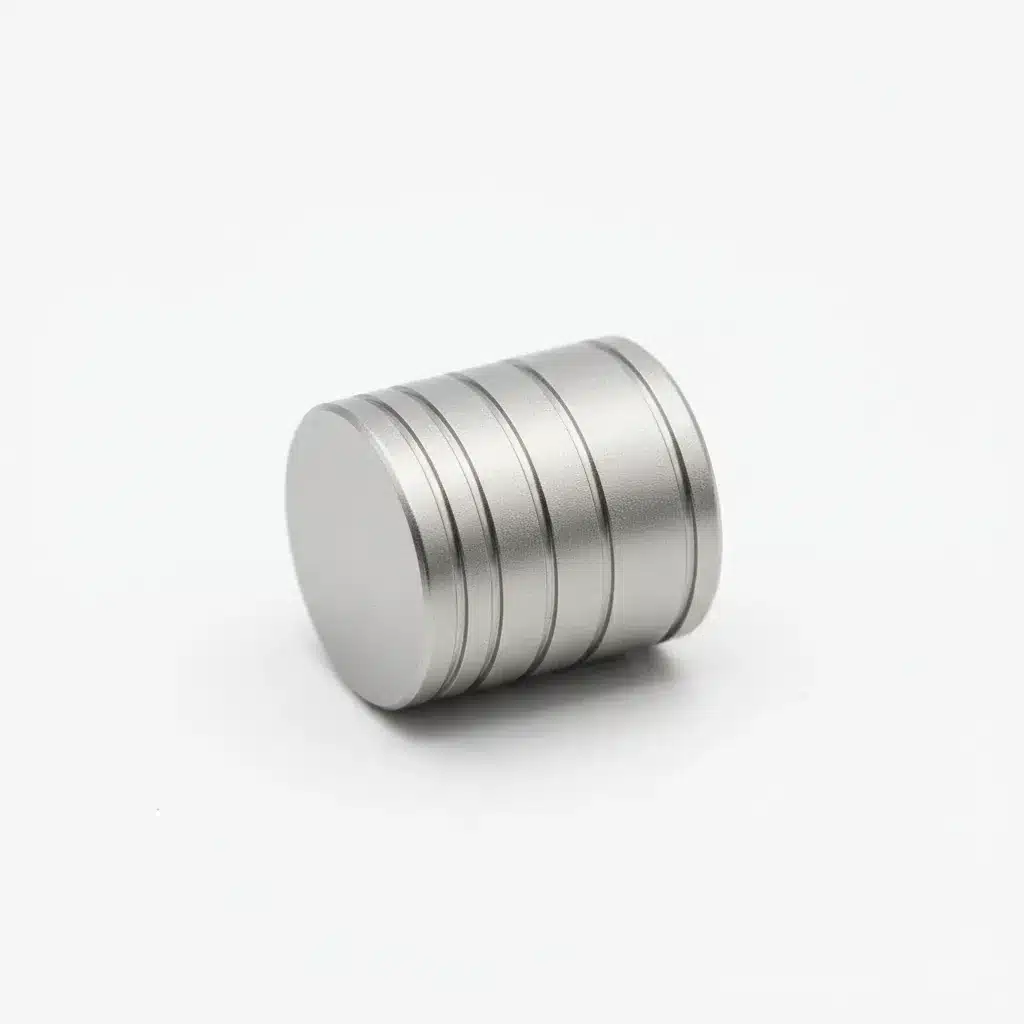
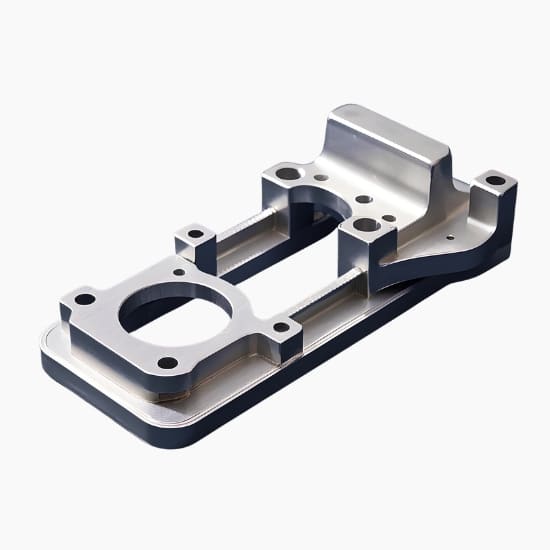
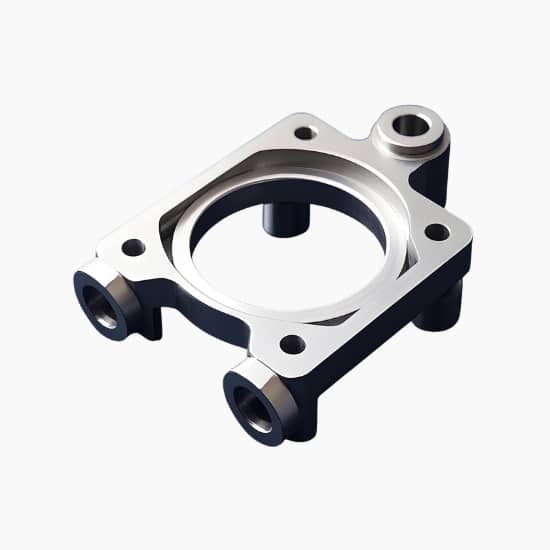
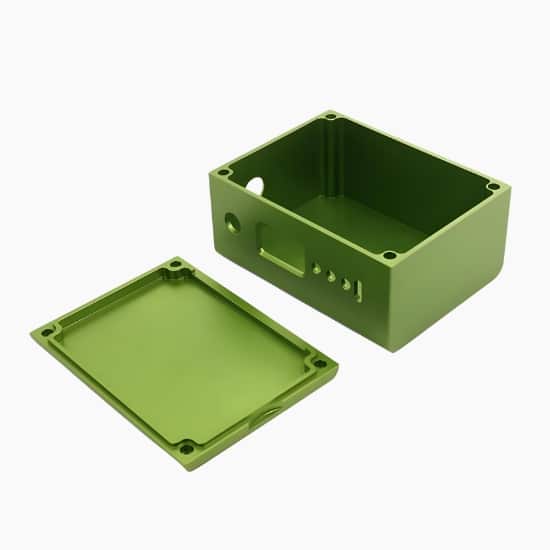
Get high-precision CNC milled parts engineered for accuracy, repeatability, and fast production. We deliver consistent results across metals and plastics using advanced 3-axis, 4-axis, and 5-axis CNC milling systems—ideal for prototypes, tooling, and full-scale manufacturing. Every part is machined for dimensional stability, clean surface finishes, and reliable performance in demanding applications.

Fast quoting, tight tolerances, and secure global delivery supported by certified quality processes.
ISO 9001:2015 | AS9100D | ISO 13485 | ITAR Compliant

cnc

Start A New CNC Quote

ISO 9001:2015 | AS9100D | ISO 13485 | ITAR Compliant

Yicenprecision Instant Quoting Engine is covered by U.S. Pat. Nos. 11,086,292, 11,347,201, 11,693,388, 11,698,623, 12,099,341, and 12,189,361. Other patents pending.

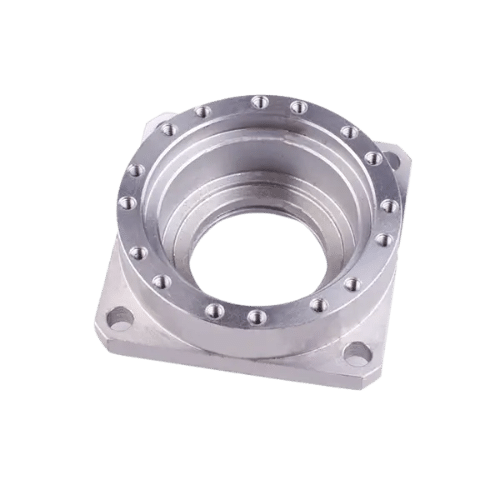
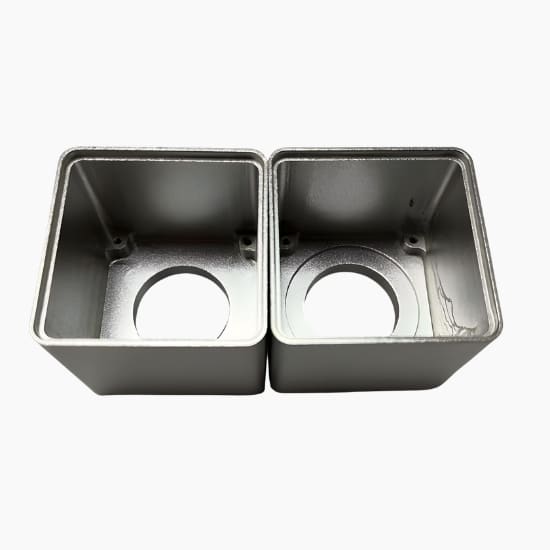
motor & generator housings cnc machining for renewable energy industry (1)

What Is CNC Milling?

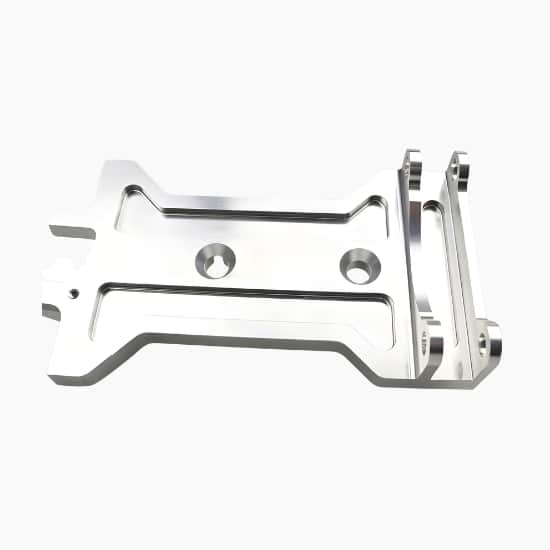
CNC milling is a subtractive machining process that uses multi-axis motion control, rotary cutting tools, and digital toolpaths to produce accurate, repeatable parts from aluminum, stainless steel, steel alloys, brass, copper, and engineering plastics. It supports complex geometries, stable dimensional accuracy, and consistent surface roughness for both prototypes and production parts.

Precision features: pockets, contours, slots, chamfers, radii

Tight-tolerance components requiring GD&T-controlled datums

Parts needing flatness, parallelism, and positional accuracy

Prototype, low-volume, and production machining workflows

Maximum CNC Milling Capabilities

Our CNC turning capabilities are engineered for consistent accuracy, smooth finishes, and efficient production cycles across metal and plastic components. Each setup supports reliable machining for both prototypes and large-batch manufacturing.

Efficient machining for flat surfaces, pockets, contours, and prismatic shapes with stable dimensional accuracy.

CNC Milling Tolerances

Our turning centers support a wide range of diameters, lengths, and feature types, ensuring reliable machining for small precision components and larger rotational parts.

Capability 3-Axis CNC Milling 4-Axis CNC Milling 5-Axis CNC Milling
Maximum Part Size 1000 × 500 × 500 mm 1000 × 500 × 500 mm 4000 × 1500 × 600 mm
Minimum Part Size 5 × 5 × 5 mm 5 × 5 × 5 mm 5 × 5 × 5 mm
General Tolerances ±0.10 mm ±0.08 mm ±0.05 mm
Achievable Tolerances ±0.02 mm ±0.01 mm ±0.005 mm

Materials for CNC Milling Service Parts

Engineers and leading manufacturers trust Yicen Precision for fast iterations and durable, high-performance parts. Whether for prototyping or full-scale production, our extensive material selection ensures precision, strength, and reliability for any CNC machining project.

Aluminium Alloy Description Finishing Options Applications
6061 Versatile, structural alloy Anodizing, Polishing Automotive, Aerospace
7075 High strength, military grade Anodizing, Coating Aircraft, Defense
2024 High fatigue resistance Cladding, Painting Structural Components
5052 Marine grade, corrosion resistant Painting, Polishing Marine, Sheet Metal
5083 Extreme environment performance Anodizing, Painting Chemical, Industrial
6082 Excellent extrudability Powder Coating, Polishing Window Frames
7050 Stress corrosion resistance Anodizing, Cladding High-stress Aerospace
1100 Commercially pure aluminum Polishing, Anodizing Food Processing
Brass Type Description Finishing Options Applications
C360 Free-cutting, high machinability Polishing, Lacquering Plumbing, Fittings
C464 Naval brass, seawater resistant Bead Blasting, Polishing Marine Hardware
C260 Cartridge brass, highly ductile Polishing, Coating Automotive Parts
C353 Leaded brass for precision Deburring, Buffing Gears, Watch Parts
C857 Leaded yellow brass Polishing, Plating Decorative Ornaments
C485 High speed machining naval brass Bead Blasting, Coating Fasteners, Valves
C687 Aluminum-brass for condensers Polishing, Sanding Heat Exchangers
C230 Red brass, acid resistant Polishing, Lacquering Architectural Pipes
Copper Type Description Finishing Options Applications
C101 Oxygen-free, max conductivity Polishing, Plating Electrical Components
C110 Electrolytic tough pitch Bead Blasting, Polishing Power Connectors
C172 Beryllium copper, high strength Coating, Polishing Precision Springs
C145 Tellurium copper, fast cutting Deburring, Polishing Nozzles, Tips
C510 Phosphor bronze, fatigue resistant Sanding, Polishing Bearing Sleeves
C122 Phosphorus-deoxidized copper Polishing, Coating Refrigerator Tubes
C182 Chromium copper, heat stable Bead Blasting, Coating Resistance Welding
C706 Copper-nickel, subsea stable Polishing, Sanding Marine Piping
Stainless Type Description Finishing Options Applications
304 Standard food-grade alloy Passivation, Polishing Sinks, Food Processing
316 Marine grade, acid resistant Electropolishing, Sanding Medical, Marine
303 Free-machining stainless Bead Blasting, Polishing Bolts, Shafts, Nuts
17-4 PH Precipitation hardened steel Coating, Polishing Defense, Aerospace
410 Wear resistant martensitic Hardening, Polishing Surgical Tools
430 Ferritic grade, good finish Buffing, Polishing Kitchen Appliances
2205 Duplex steel, high strength Passivation, Deburring Oil & Gas Equipment
440C Ultra-hard, high carbon Precision Grinding Ball Bearings
Steel Alloy Description Finishing Options Applications
4140 Chromium-molybdenum steel Black Oxide, Hardening Axles, Heavy Gears
1018 Mild low-carbon steel Case Hardening, Sanding Fixtures, Rods, Pins
12L14 Resulfurized for fast speed Zinc Plating, Polishing Screw Machine Parts
8620 Nickel-chrome-moly alloy Carburizing, Sanding Heavy-duty Gears
4340 High toughness, high stress Heat Treating, Coating Aircraft Landing Gear
1045 Medium carbon, moderate strength Hardening, Polishing Crankshafts, Bolts
52100 High-wear chromium steel Precision Polishing Bearings, Bushings
A36 Structural steel for construction Painting, Sanding Brackets, Plates
Titanium Type Description Finishing Options Applications
Grade 5 Ti-6Al-4V, aerospace standard Polishing, Blasting Turbine Blades
Grade 2 Pure titanium, acid stable Blasting, Passivation Chemical Processing
Grade 23 High purity medical grade Deburring, Polishing Surgical Implants
Grade 9 Mid-strength for hydraulics Anodizing, Polishing Hydraulic Tubing
Grade 1 Softest, most ductile grade Polishing, Sanding Heat Exchangers
Grade 7 Palladium-enhanced titanium Deburring, Blasting Specialty Valves
Grade 12 Superior heat resistance Polishing, Coating Industrial Tanks
Beta-C Flexible for high-end springs Anodizing, Buffing Racing Car Springs
Plastic Material Key Description Finishing Options Key Applications
ABS Tough, impact-resistant, and cost-effective. Painting, Sanding, Polishing Prototypes, Enclosures
Nylon (PA6) High strength with excellent wear resistance. As-machined, Sanding Gears, Bearings, Bushings
Polycarbonate (PC) High impact strength and optical clarity. Vapor Polishing, Sanding Safety Shields, Lenses
POM (Delrin) High stiffness and very low friction. As-machined, Deburring Precision Gears, Fasteners
PEEK High-performance plastic with heat resistance. Polishing, Bead Blasting Aerospace, Medical Implants
PTFE (Teflon) Exceptional chemical and heat resistance. As-machined, Sanding Gaskets, Chemical Seals
Acrylic (PMMA) Excellent transparency and weather resistance. Mirror Polishing, Sanding Display Cases, Signage
PVC Cost-effective and chemically stable. Painting, Sanding Pipes, Chemical Tanks
HDPE High moisture resistance and impact strength. As-machined, Deburring Food Processing, Containers
UHMWPE Extreme wear resistance and self-lubricating. As-machined, Sanding Conveyor Guides, Liners
PET High dimensional stability and strength. Polishing, Sanding Food Packaging, Frames
Ultem (PEI) High dielectric strength and heat resistance. Bead Blasting, Sanding Electrical Insulators

Surface Finishing for CNC Milling

Precision-milled parts benefit from specialized surface treatments that enhance strength, durability, and overall performance. These treatments are ideal for optimizing the functionality of shafts, bushings, and cylindrical components.

As-Milled
db20cbb4606d4924972dcb29646df820

The most economical option with a standard roughness of 125 µin Ra. It features visible tool marks, but we ensure all sharp burrs are removed for a clean, professional feel.

Hard Chrome Plating
514ef5c322e74506aca858d7fda082e0

Adds a thick chromium layer to significantly boost surface hardness and durability. It’s the ideal solution for high-friction milling parts like shafts and pistons.

Nickel Plating
d53616cbaa89451bbf1f5edd7647eeda

A thin, electroplated nickel layer that enhances wear and corrosion resistance. Provides a bright, attractive finish for functional parts.

Black Oxide
09f251aebdae47eba558abb78493bcdb

A chemical treatment that creates a dark, matte black surface on steel parts. Offers mild corrosion resistance and reduces light reflection.

Polished Finish
e307c68d9897498cbae587f2539bc877

A smooth, glossy finish achieved by mechanical buffing. Ideal for decorative parts requiring enhanced shine and low roughness.

Brushed Finish
3f735c770c6c418b80e352768591f62b

A linear, satin-like texture created using abrasive belts or brushes. It reduces minor imperfections and offers a clean, decorative appearance.

Custom
e538a95a6f284e4a8b3441708174baa8

Need a specific finish? Submit an RFQ, and we’ll work with you to find a tailored solution for your project.

Bead Blast
8e5e01f6a4bd471ab29e56207a5fd500

 Creates a smooth, matte finish by media-blasting, typically with glass beads, offering an improved aesthetic and uniform surface texture.

CNC Milled & Precisioned Components

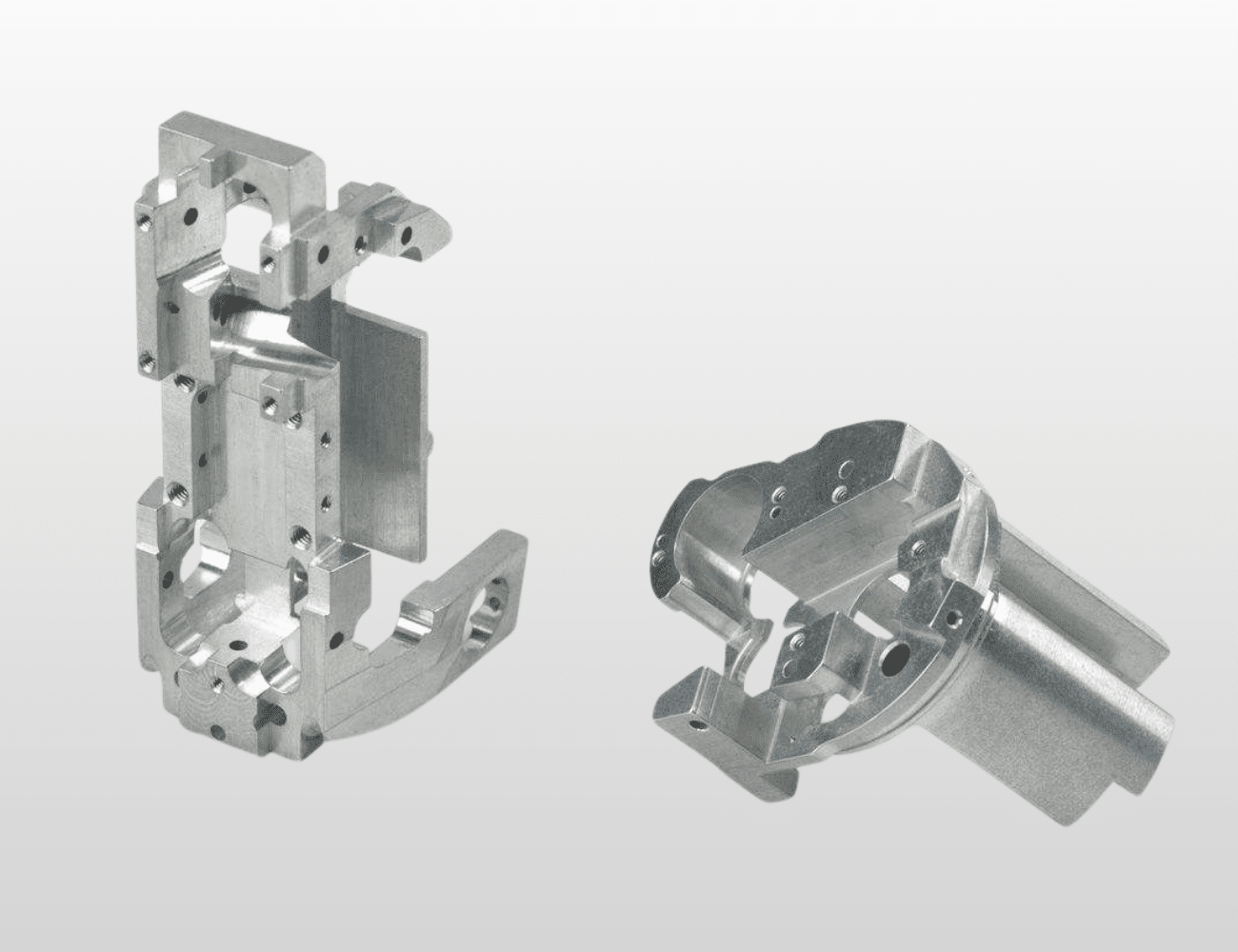
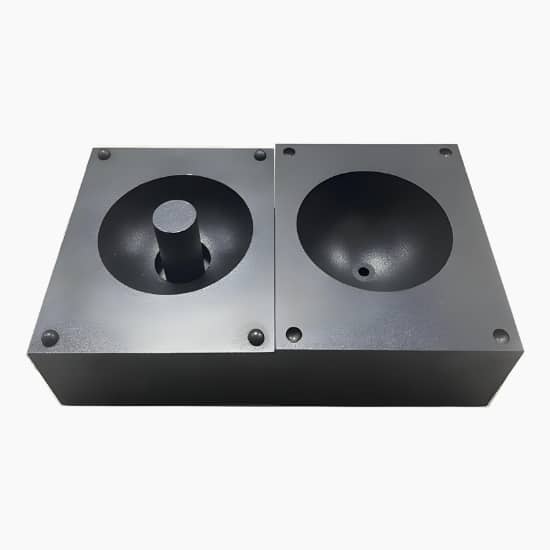
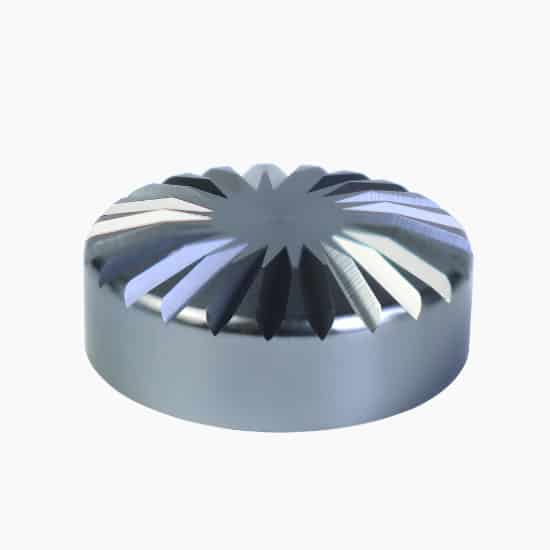
Discover our expert precision cnc milling services, where accuracy meets performance at every stage. From intricate prototypes to production-ready components, our custom cnc milling services deliver high-accuracy parts. Every cut, every contour, crafted with exceptional quality, consistency, and attention to detail.

12
13
14
15
17
18
cnc milling
20

CNC Milling Design Guidelines

These guidelines help ensure machinability, stable tolerances, and predictable surface quality for CNC-milled parts.

Design Feature Recommended Guideline Why It Matters
Minimum Wall Thickness

Metals: ≥ 0.8–1.0 mm


Plastics: ≥ 1.2–1.5 mm

Prevents vibration, tool chatter, and part deformation.
Internal Radii Radius ≥ 0.5 × tool diameter (Avoid sharp inside corners) Improves tool access and reduces machining time.
Pocket & Cavity Depth Depth ≤ 10× tool diameter Deep pockets reduce accuracy and surface finish.
Threads & Tapped Holes Hole depth: 3× Ø (small) / 4–8× Ø (larger) Ensures clean threads and tool stability.
Text & Engraving Min width: 0.5 mm / Min depth: 0.1 mm Ensures clean, readable engraving for part marking.
Undercuts & Slots Standard profiles: square, full-radius, dovetail Improves tool compatibility and reduces cost.
Chamfers & Fillets Use standard tool sizes; chamfers preferred for deburring Enhances machinability and safe handling.
Tolerance Considerations Tight tolerances (±0.001”) require GD&T drawings Improves accuracy, inspection, and quoting clarity.

CNC Milling Size Limits

Our turning centers support a wide range of diameters, lengths, and feature types, ensuring reliable machining for small precision components and larger rotational parts.

Milling TypeMaximum Size LimitsIdeal ApplicationsNotes
3-Axis CNC Milling1000 × 600 × 400 mmFlat surfaces, pockets, slots, profiles, precision 2.5D geometryBest balance of speed, accuracy, and cost
4-Axis CNC MillingØ 250 mm × 400 mm (L)Rotary features, angled cuts, spiral millingReduces multiple setups, improves concentricity
5-Axis CNC Milling500 × 500 × 300 mmComplex contours, deep cavities, multi-angle surfacesEnables single-setup machining and superior surface finish


CNC Milling Services

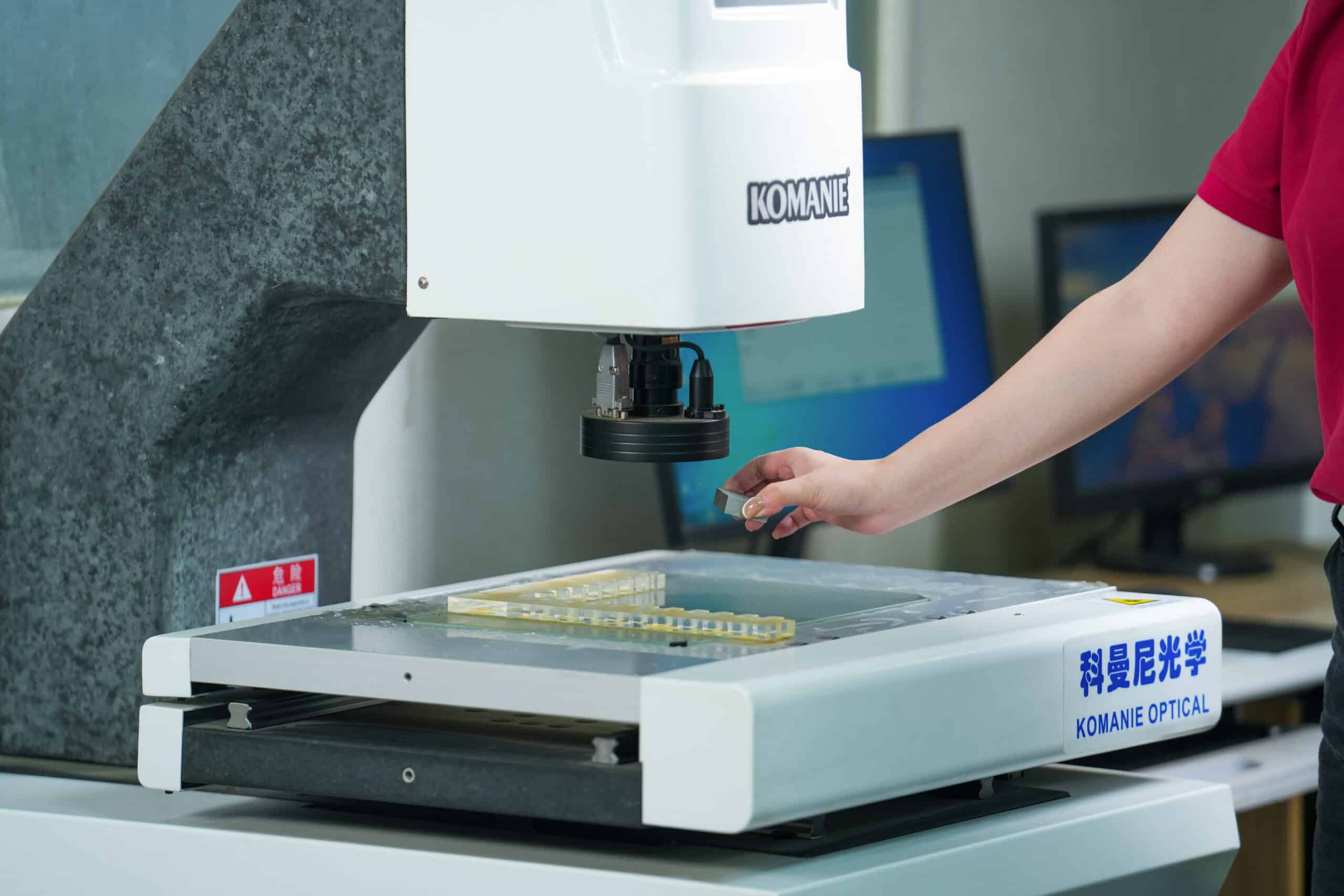
Quality Assurance & Inspection Capabilities

Our CNC milling quality workflow focuses on dimensional accuracy, surface integrity, and GD&T-controlled features across prototypes and production parts.

Dimensional Accuracy

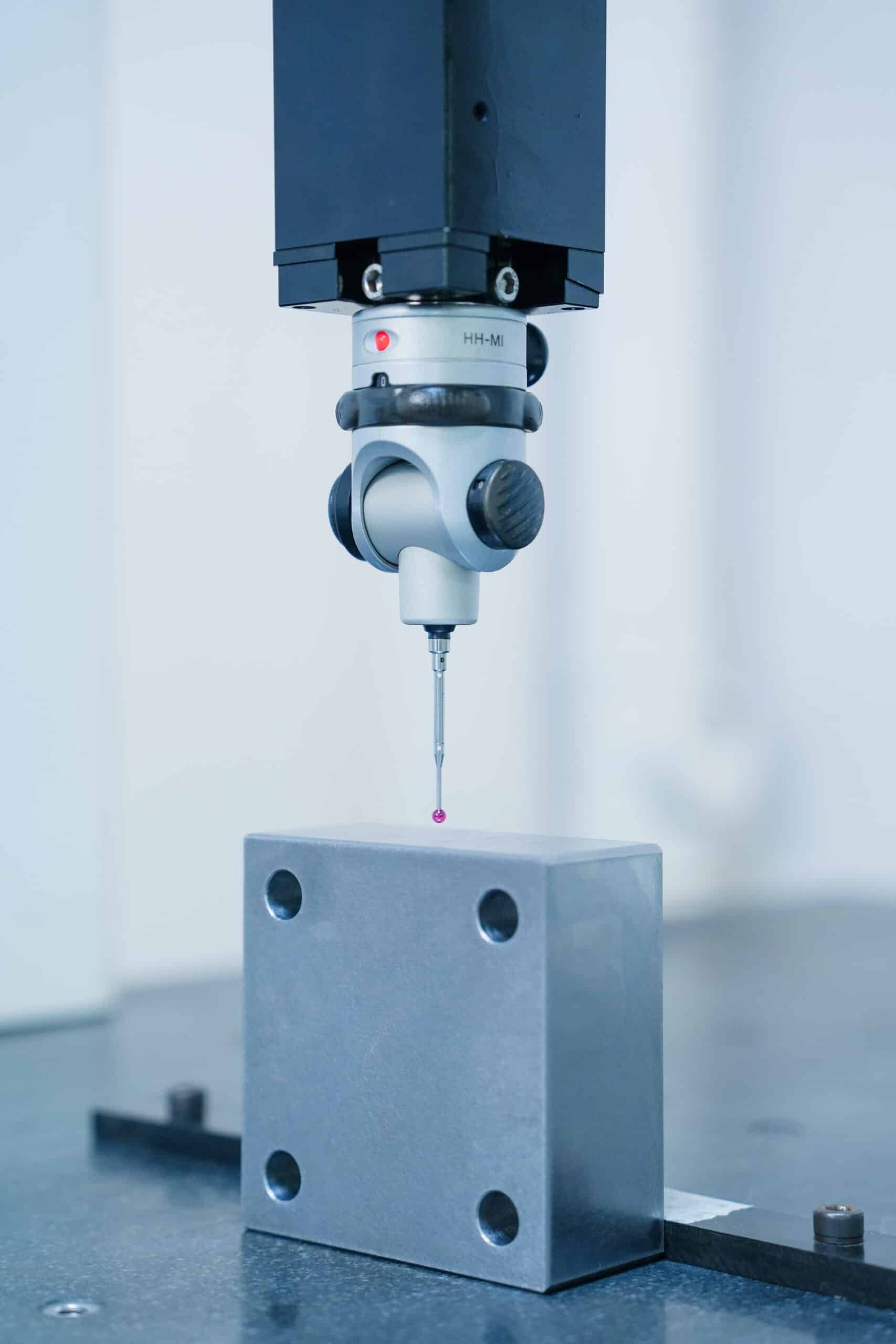
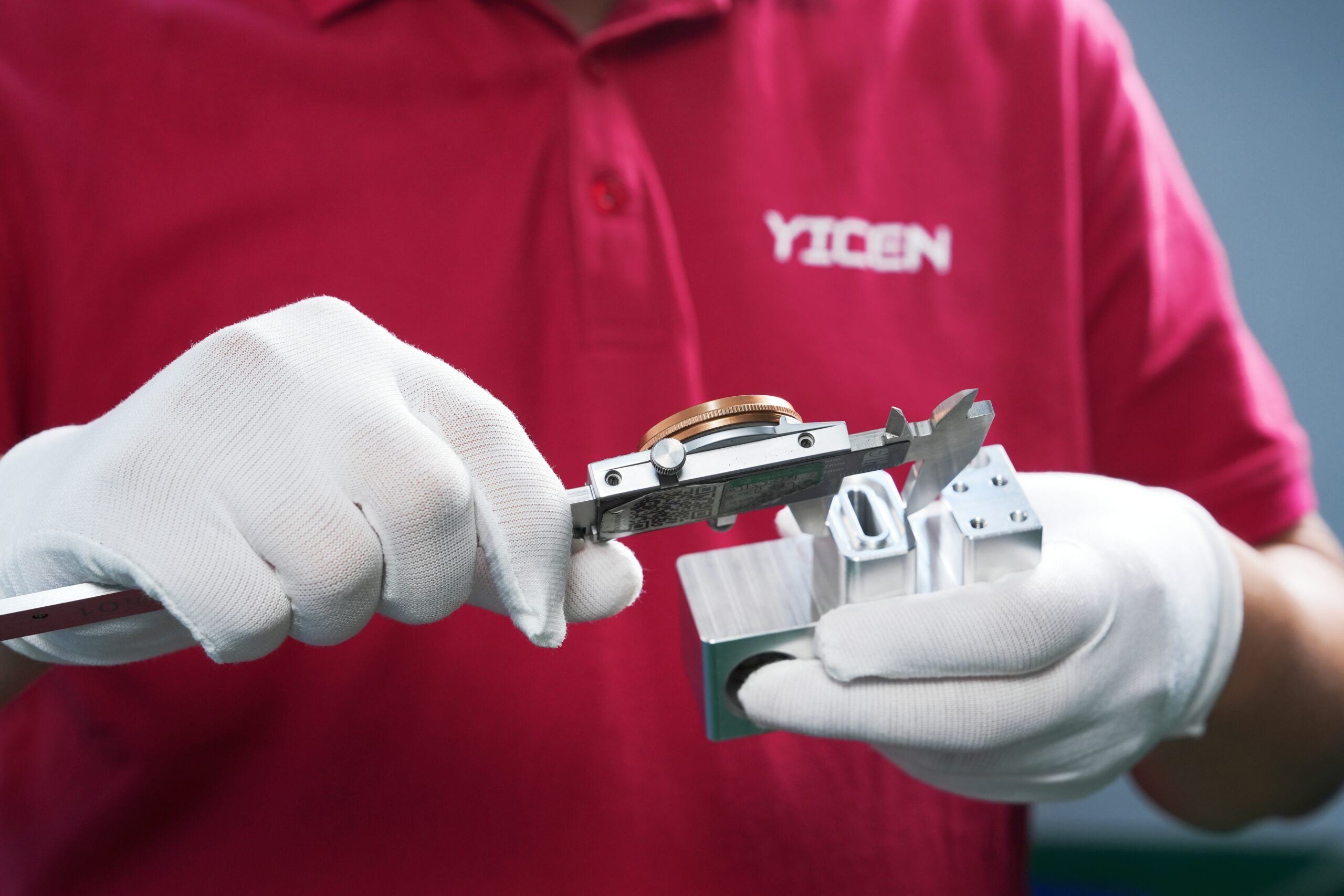
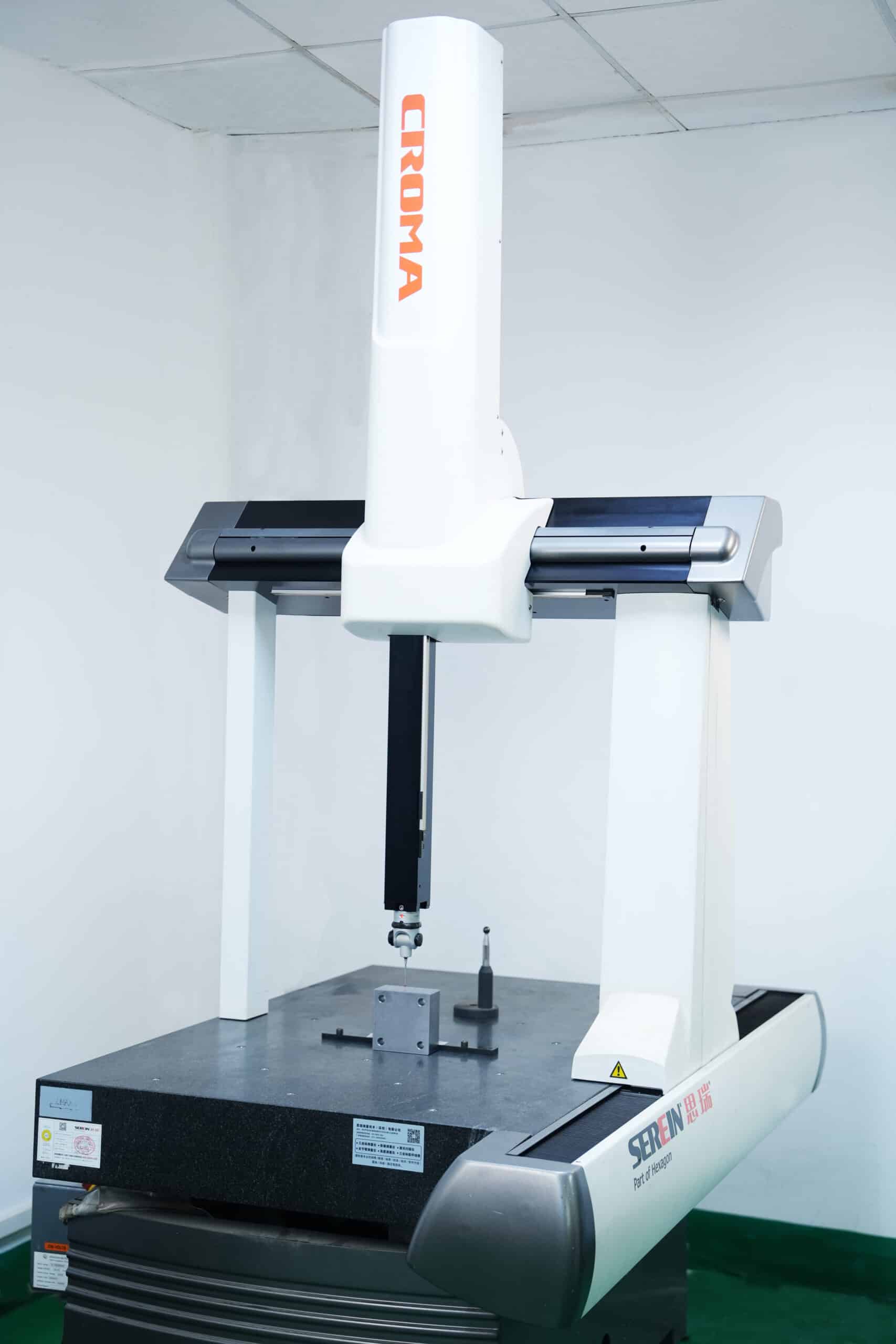
Parts are checked on calibrated equipment, including CMM, digital gauges, and precision metrology tools. We validate: Critical datums, Hole locations, and Feature relationships for GD&T-driven geometries

GD&T & Tolerance Verification

All cnc-milled components are inspected per ASME Y14.5 and ISO standards. Common controls verified: Position, Profile, Parallelism and Perpendicularity

Surface & Finish Testing

Surface and geometric characteristics are measured using roughness testers, granite plates, and runout indicators. Checks include: Ra profiling, Flatness & parallelism and Runout for rotating or mating surfaces

Traceability & Reporting

FAI reports, material certificates (MTRs), and CMM data available
Lot tracking for aerospace, medical, and industrial requirements
Secure record-keeping for full audit trail and quality compliance

Industries We Serve

Yicen Precision is serving a broad spectrum of industries, covering aerospace, automotive, electronics, medical, and more. We specialize in providing high-quality, reliable parts tailored to meet the unique engineering challenges of each industry.

Our Streamlined Ordering Process

Upload Your Design

Easily upload your CAD files through our secure online platform to get started.

Customize Your Requirements

Choose your material, finish, tolerances, and preferred lead time to match your project needs.

Get an Instant Quote

Receive a real-time quote based on your design and selected specifications, no delays.

Production & Delivery

Your parts are manufactured by trusted partners, quality-checked, and delivered to your door on time.

Advantages

Advantages of CNC Milling

CNC milling provides a range of benefits, ensuring efficient, high-quality production.

Applications

Applications of CNC Milling

CNC milling is widely utilized in various industries to produce high-precision parts and components:

Connect With Us

Transform Concepts into Precision Parts

We specialize in converting your ideas into high-quality, functional components with unparalleled speed and accuracy. With advanced technology and expert craftsmanship, we create parts that meet the most complex specifications.

Get In Touch With Us!
Prompt response guaranteed within 12 hours
🔐 All uploads are secure and confidential

Frequently Asked Questions

CNC Milling

  • How can I reduce CNC milling costs without hurting quality?

    To keep machining cost-effective:

    • Avoid deep pockets beyond 10× tool diameter
    • Use standard radii compatible with tool geometry
    • Keep wall thickness above recommended minimums
    • Avoid unnecessarily tight tolerances
    • Choose common materials (6061, 304, POM, etc.)
    • Design for single-setup machining
      These steps reduce cycle time, tool wear, and scrap risk. 
  • Can you support both prototypes and mass production?

    Yes.

    • Prototyping: Fast iterations, material authenticity
    • Low-volume runs: Consistent quality, reduced per-unit cost
    • Mass production: Automated setups, multi-machine workflows, stable repeatability
    • CNC milling scales well from 1 unit to thousands. 
  • What file formats do you accept?

    We accept all industry-standard CAD formats:
    STEP, STP, IGES, SLDPRT, Parasolid, DXF, Fusion 360.
    STEP is preferred because it preserves precise surfaces and dimensions needed for accurate toolpath generation. 

  • How long does CNC milling take?

    Lead times depend on material, geometry, and quantity:

    • Prototypes: 1–3 days
    • Functional parts: 3–7 days
    • Finished/treated parts: 5–10 days
      We also support quick-turn machining for urgent projects. 
  • Why do CNC-milled parts sometimes warp or distort?

    Warping usually results from:

    • Thin walls (<0.8 mm metal, <1.2 mm plastic)
    • Large unsupported spans
    • Internal material stress
      Aggressive tool pressure or heat buildup
      We review geometry during DFM and adjust material choice, fixturing, or toolpaths to prevent deformation. 
  • How do you ensure machining accuracy and consistency?

    Accuracy is maintained using:

    • CMM inspection
    • Laser and bore measurement tools
    • Toolpath simulation
    • High-rigidity workholding
    • Controlled cutting parameters
    • GD&T-based inspection
      Each batch can include FAI, CMM reports, and MTRs for traceability. 
  • What is the difference between 3-axis, 4-axis, and 5-axis CNC milling?

    • 3-Axis: Best for pockets, slots, simple contours.
    • 4-Axis: Adds rotary motion for machining multiple faces in fewer setups.
    • 5-Axis: Ideal for complex surfaces, angled features, deep cavities, aerospace/medical-grade geometries
      Higher axis count = fewer setups, better accuracy, and faster cycle times. 
  • What materials are suitable for CNC milling?

    We machine a wide range of engineering-grade materials:

    • Metals: Aluminum (6061/7075), Stainless Steel (304/316/17-4), Brass, Copper, Steel, Tool Steel, Titanium
    • Plastics: POM (Delrin), Nylon, PC, PEEK, PP, PTFE, PVC, ULTEM
    • Material choice affects machinability, dimensional stability, tolerance capability, and surface finish. 
  • What tolerances can you achieve?

    Standard CNC milling tolerances are ±0.005″ (±0.127 mm).

    For precision-critical features, we can reach ±0.001″ (±0.025 mm) with stable fixturing, optimized toolpaths, and machinable materials.

    Flatness/parallelism can be held to ≤ 0.002″ per 6″ depending on part size and rigidity.

  • What is CNC milling used for?

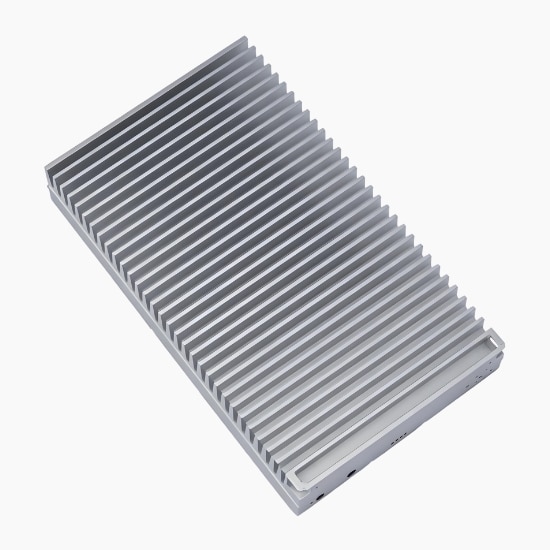
    CNC milling is used to produce precise metal and plastic components with flat surfaces, pockets, contours, and multi-axis geometries. It’s ideal for brackets, housings, enclosures, tooling plates, heat sinks, and structural parts across aerospace, medical, automotive, robotics, and industrial equipment sectors.

Resources

en_USEnglish
Get In Touch With Us!
Prompt response guaranteed within 12 hours
🔐 All uploads are secure and confidential