
Introduction
Have you ever wondered how everyday objects like car axles or medical tools get their perfect cylindrical shapes? The answer often lies in CNC turning, a powerful machining process that shapes metal and other materials with incredible accuracy. In this guide, you’ll learn what CNC turning is, how it works, and why it’s a go-to method for creating high-quality parts. We’ll cover everything from basics to real-world uses, helping you see why choosing a reliable CNC turning service can make all the difference. Whether you’re in manufacturing or just curious, understanding CNC turning shows how modern tech solves real problems efficiently. By the end, you’ll know if a CNC turning service fits your needs and how to avoid common pitfalls.
Understanding CNC Turning
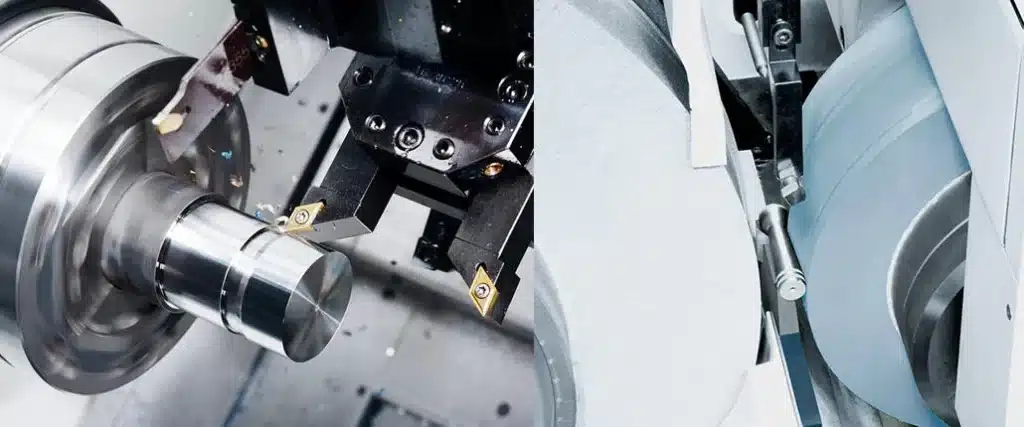
CNC turning is a key process in modern manufacturing. It helps create parts that fit perfectly in machines and devices you use daily.
Definition and Basics
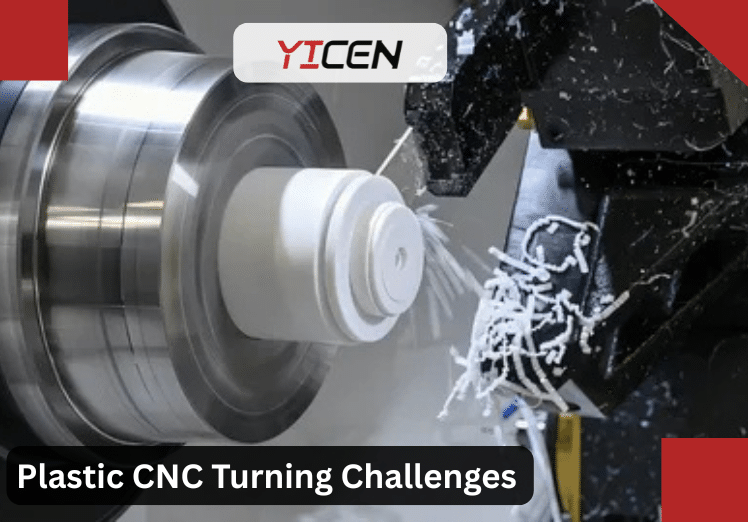
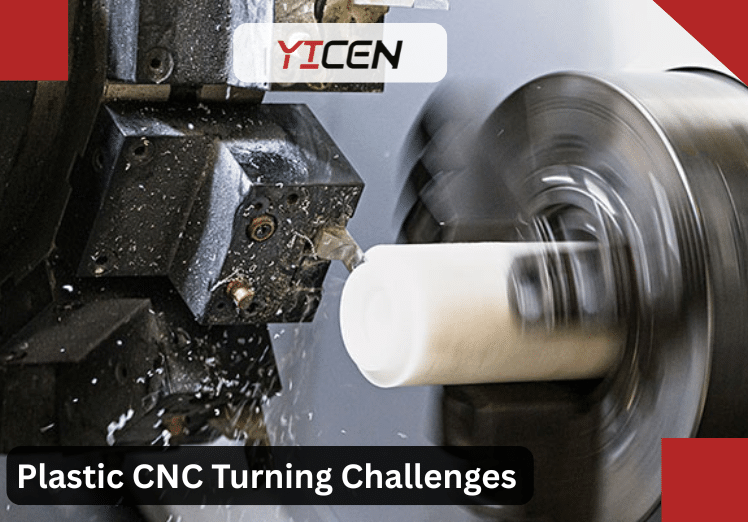
CNC turning uses a computer-controlled lathe to shape materials. The machine spins the workpiece while a cutting tool removes material to form cylinders, cones, or threads. This method ensures parts are precise and consistent. For example, a CNC turning service can produce shafts for engines quickly and accurately.
How It Differs from Manual Turning
Unlike manual turning, where you control the machine by hand, CNC turning follows programmed instructions. This reduces errors and speeds up production. Manual methods work for simple jobs, but CNC excels in complex tasks. A good CNC turning service uses this tech to handle high-volume orders with ease.
CNC Turning vs. CNC Milling
CNC turning rotates the part against a fixed tool, ideal for round shapes. CNC milling moves the tool around a stationary part for flat or irregular forms. Turning suits pipes or bolts, while milling fits brackets or enclosures.
The History of CNC Turning
has roots in ancient times but evolved with technology.
Early Beginnings
Turning started in ancient Egypt around 1300 BC with simple lathes. By the 1700s, inventors like Henry Maudslay improved lathes for better precision.
Key Milestones in Development
In the 1940s, John T. Parsons pioneered numerical control (NC) for aircraft parts. By 1952, MIT built the first NC machine, and Richard Kegg created the Cincinnati Milacron Hydrotel. The 1960s brought full CNC with computers, and by the 1980s, it became popular in factories.
Modern Advancements
Today, CNC turning integrates AI and automation. The global CNC market hit $101 billion in 2025, growing at 9.9% yearly. This growth shows its role in smart manufacturing.
How Does CNC Turning Work?
CNC turning follows a clear process to turn raw material into finished parts.
Step-by-Step Process
- Design the part using CAD software.
- Convert the design to G-code with CAM tools.
- Set up the machine: load the workpiece and tools.
- Run the program: the lathe spins and cuts.
- Inspect and finish: check quality and add treatments.
Key Parameters
Cutting speed affects finish quality. Feed rate controls how fast the tool moves. Depth of cut determines material removal per pass. Adjust these for best results.
Role of Software
Software like Mastercam or SolidWorks creates precise programs. It simulates cuts to spot issues early.
Pro Tip: Always test your program on a soft material first to catch errors.
Types of CNC Turning Machines
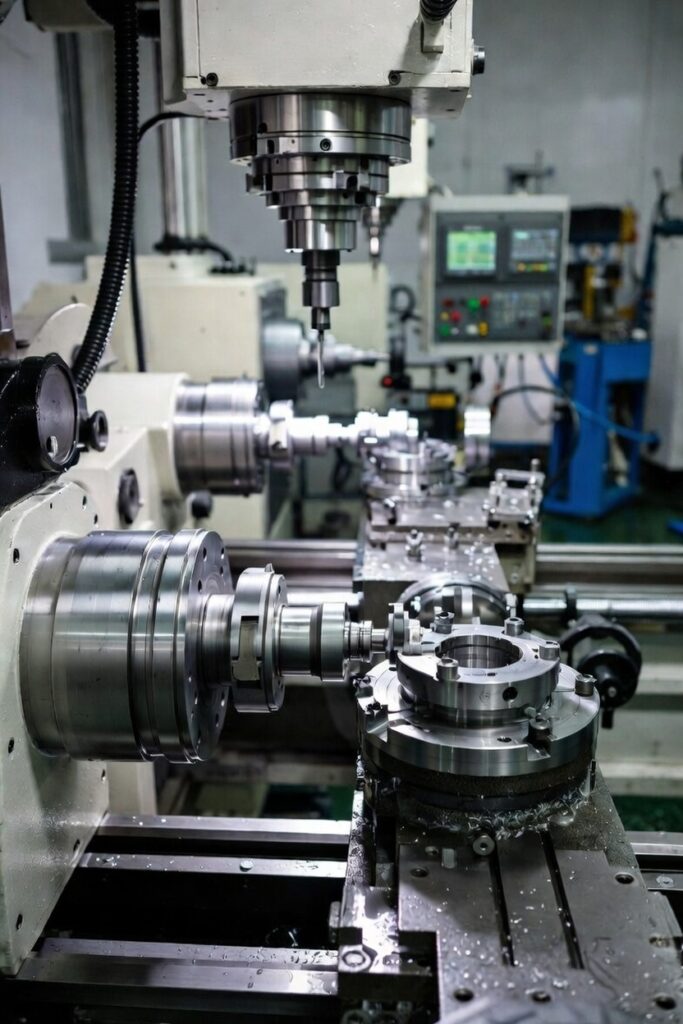
Different machines suit various jobs.
Horizontal CNC Lathes
These are common for long parts. The spindle is horizontal, making chip removal easy.
Vertical CNC Lathes
Ideal for heavy or large items. Gravity helps hold the part steady.
CNC Turning Centers
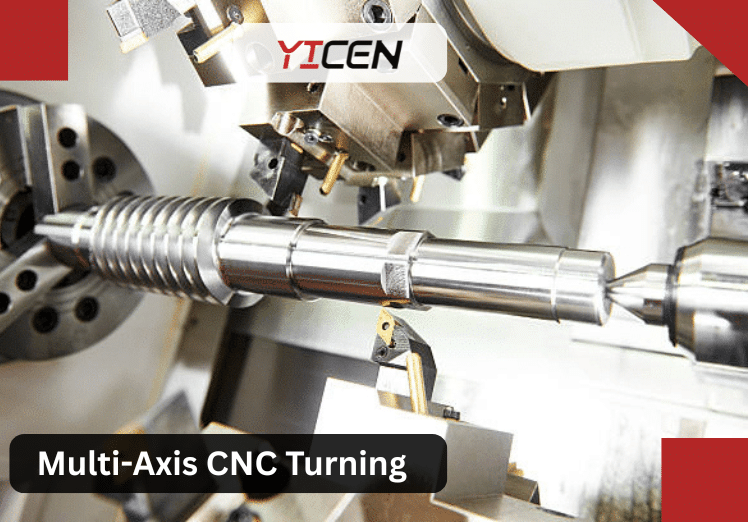
These add milling tools for multi-tasking. They handle complex shapes in one setup.
| Type | Best For | Pros | Cons |
| Horizontal Lathe | Shafts, tubes | Easy setup | Limited for heavy parts |
| Vertical Lathe | Wheels, disks | Stable for big items | Higher cost |
| Turning Center | Complex prototypes | Versatile | Needs skilled operators |
Essential Components of a CNC Turning Machine
Knowing the main parts of a CNC turning machine (also called a CNC lathe) helps you understand how it creates precise, round parts like shafts, bushings, and fittings. Each component works together to hold, rotate, cut, and control the process safely and accurately. In modern shops, these parts combine heavy-duty construction with computer control for reliable results every time.
This section breaks down the key components simply, with clear explanations of what each one does and why it matters when you choose or use a CNC turning service.
Main Parts Explained
Here are the essential components you’ll find on almost every CNC turning machine:
- Headstock
The headstock sits at one end of the machine (usually the left side). It houses the main motor and gears that power the spindle. This is the “engine” of the lathe—it provides the force to spin the workpiece at controlled speeds. A strong headstock ensures smooth, vibration-free rotation, which is critical for tight tolerances and good surface finishes.
- Spindle
Connected directly to the headstock, the spindle is the rotating shaft that holds and drives the chuck (or collet). It spins the workpiece at high speeds—often thousands of RPM—while the cutting tool removes material. The spindle’s bearings and drive system determine how fast and precisely the machine can turn parts. In high-end machines, spindles handle heavy loads without flexing.
- Chuck
The chuck attaches to the end of the spindle and grips the workpiece securely. Most use a 3-jaw or 4-jaw chuck that clamps the material from the outside (or inside for hollow parts). It keeps everything centered and prevents slipping during high-speed rotation. Quick-change or hydraulic chucks make setup faster in busy production environments.
- Tailstock
Located at the opposite end from the headstock, the tailstock supports long or slender workpieces to stop them from bending or vibrating. It has a quill (a movable center) that presses a live or dead center into the end of the part. For short pieces, you might not need it, but it’s essential for stable turning of axles, rods, or bars over a certain length.
- Tool Turret (or Tool Post)
The tool turret is a rotating holder that carries multiple cutting tools—often 8 to 24 or more. It automatically indexes (rotates) to bring the right tool into position based on the program. This saves time by allowing complex parts with different operations (turning, facing, threading, grooving) in one setup without manual tool changes.
- Machine Bed
The bed is the solid base that runs the full length of the machine. Made of cast iron or reinforced materials, it supports all other components and keeps everything perfectly aligned. Precision-ground guideways on the bed allow smooth movement of the carriage and turret along the X (horizontal) and Z (longitudinal) axes.
- Carriage and Slides
The carriage moves along the bed and carries the cross slide (for X-axis movement) and sometimes a compound slide. It positions the tool turret precisely. Ball screws and servo motors drive these movements quickly and accurately under CNC control.
- Control Panel (CNC Controller)
This is the “brain” of the machine. The panel includes a screen, keyboard, and buttons where operators load programs, set offsets, jog axes, and monitor the job. It runs G-code to control every motion, speed, and tool change. Modern controllers offer touchscreens, simulation, and networking for easy updates.
- Coolant System
While not always listed as a “core” part, coolant nozzles deliver cutting fluid to the tool and workpiece. It cools the cut, removes chips, and improves finish and tool life—especially important for metals like steel or titanium.
How These Components Work Together
The process starts at the headstock and spindle, which spin the workpiece held by the chuck. The tailstock (if needed) steadies the far end. The tool turret, mounted on the carriage, moves into position along the bed’s guideways. The CNC controller directs every action based on your programmed instructions, ensuring precise cuts without constant operator input.
Pro Tip: What to Look for in a CNC Turning Service
When evaluating providers, ask about their machine specs:
- Spindle speed and power (higher is better for tough materials).
- Turret stations (more tools = fewer setups).
- Tailstock travel and quill type.
- Bed length and swing capacity (max part size).
Understanding these parts helps you discuss your project confidently and ensures the service you choose has the right equipment for accurate, efficient results.
Need help matching your design to the best CNC turning capabilities? Share your part details for expert advice and a quick quote.
How They Work Together
The spindle spins while the turret moves the tool. Controls ensure everything syncs for accurate cuts.
Common CNC Turning Operations
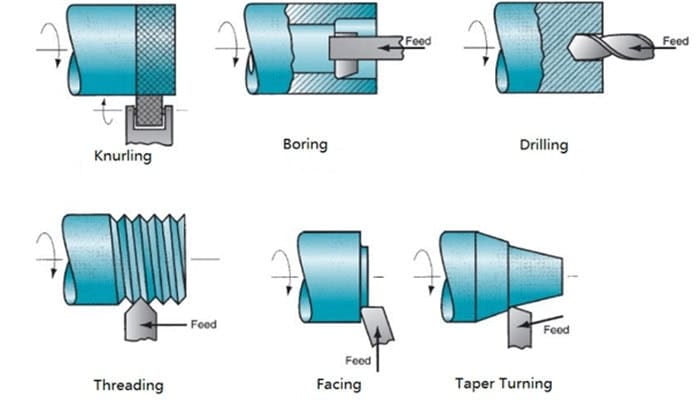
CNC turning offers many ways to shape parts.
External Operations
- Straight turning: Reduces diameter evenly.
- Taper turning: Creates cones.
- Facing: Squares the ends.
Internal Operations
- Drilling: Makes holes.
- Boring: Enlarges holes.
- Threading: Adds screws.
Specialty Operations
Knurling adds grip patterns. Grooving cuts slots for seals.
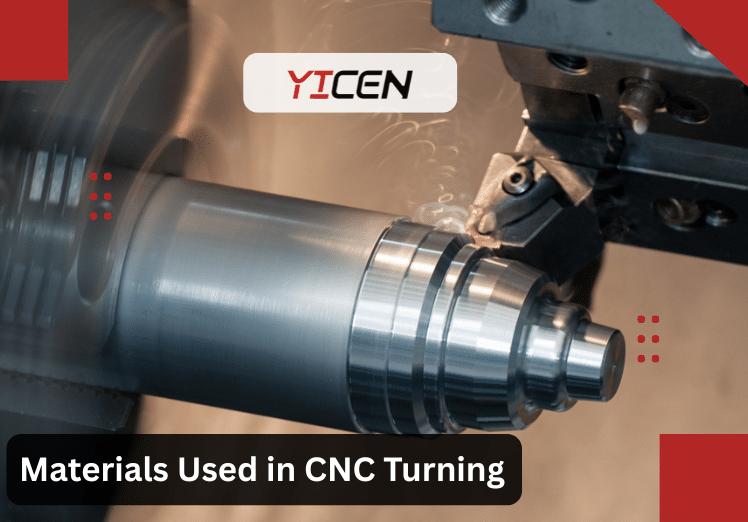
Materials Suitable for CNC Turning
Choose the right material for your needs.
Metals
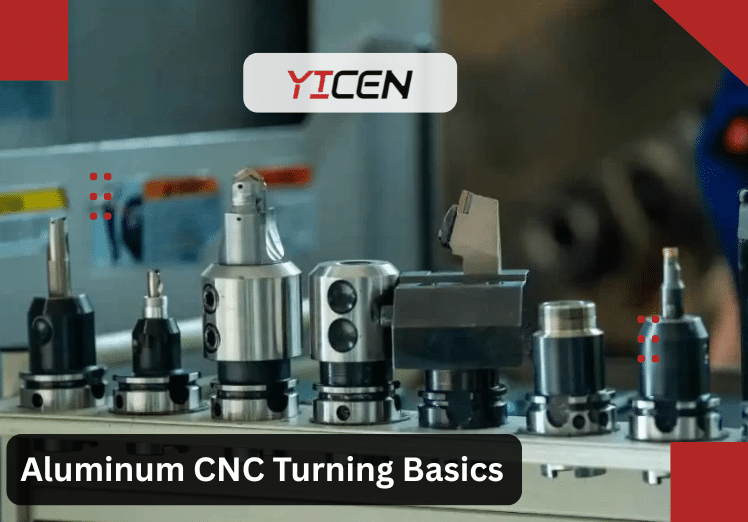
Aluminum is lightweight and easy to machine. Steel offers strength for durable parts.
Plastics and Others
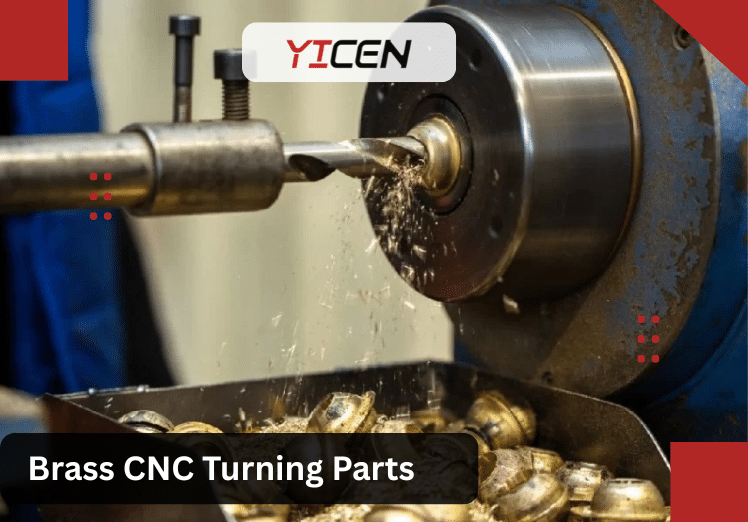
Nylon resists wear. Brass suits fittings due to corrosion resistance.
Choosing the Right Material
Consider strength, cost, and machinability. For example, titanium works for aerospace but costs more.
Pro Tip: Test materials in small runs to ensure they meet your specs.
Advantages and Disadvantages of CNC Turning
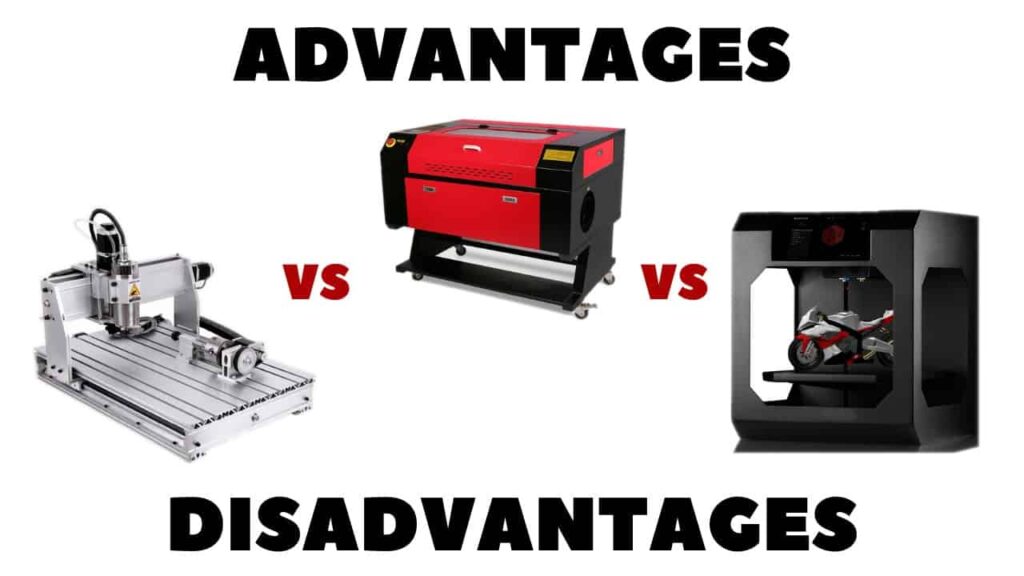
Weigh the benefits against the drawbacks.
Pros
- High precision: Tolerances as tight as ±0.001 mm.
- Fast production: Ideal for batches.
- Repeatable: Same quality every time.
Cons
- Limited to cylindrical shapes.
- High setup costs for small runs.
- Needs skilled programmers.
Real Example: In automotive, CNC turning cuts production time by 30% for engine parts.
Applications of CNC Turning in Industries
CNC turning serves many fields.
Automotive Industry
It makes shafts and pistons. Our automotive CNC turning service ensures parts meet safety standards.
Aerospace Industry
Produces turbine blades with tight tolerances. Aerospace CNC turning service handles tough materials like titanium.
Medical and Other Industries
Creates implants and tools. In electronics, it forms connectors. Industries like oil and gas use it for valves.
Case Study: Hyper Racer used CNC turning to boost efficiency, reducing waste and costs.
How to Choose a CNC Turning Service
Selecting the right CNC turning service can make or break your project. A good provider delivers precise parts on time and within budget, while a poor choice leads to delays, quality issues, or extra costs. This guide walks you through the process step by step so you can find a reliable partner that matches your needs—whether for prototypes, small batches, or high-volume production in industries like automotive, aerospace, or medical.
Why the Right Choice Matters
The best CNC turning service understands your design, handles your chosen materials, and meets tight tolerances consistently. In 2026, with rising demand for precision and faster lead times, focusing on proven factors helps you avoid common headaches like rework or missed deadlines.
Key Factors to Consider
Evaluate these areas to narrow down your options.
- Experience and Expertise
Look for providers with years in CNC turning and a track record in your industry. Experienced shops know how to optimize designs, reduce waste, and handle tricky materials like titanium or stainless steel. Ask for case studies or examples of similar parts they’ve produced.
- Quality Certifications and Standards
Certifications show commitment to consistency. Prioritize ISO 9001 for general quality, AS9100 for aerospace, or ISO 13485 for medical devices. These mean documented processes, regular audits, and reliable inspection methods like CMM (coordinate measuring machines).
- Machine Capabilities and Equipment
Check if they have modern CNC lathes—horizontal, vertical, or multi-axis turning centers—with live tooling for milling in the same setup. Ask about axis count (2-axis vs. 3+ axis), spindle speeds, and bar feeder capacity for longer runs.
- Material Handling and Availability
Confirm they work with the metals or plastics you need (aluminum, steel, brass, titanium, etc.) and can source them quickly without big markups.
- Precision and Tolerance Capabilities
Ask for their typical achievable tolerances—many shops hit ±0.001 mm (±0.00004 inches) or better on critical features.
- Turnaround Time and Production Capacity
Fast lead times matter for prototypes (days) or production (weeks). Ensure they can scale from 1–10 parts to thousands without bottlenecks.
- Quality Control and Inspection
Inquire about in-process checks, final inspections, and reporting. Look for shops that provide inspection reports or certificates of conformance.
- Communication and Customer Support
Responsive teams offer design feedback (DFM—design for manufacturability), clear quotes, and updates. Good communication prevents surprises.
- Pricing and Value
Compare quotes, but don’t choose on price alone. Factor in hidden costs like shipping, tooling, or revisions.
- Reviews, References, and Reputation
Read online reviews, check testimonials, and request client references. Look for consistent positive feedback on quality and reliability.
Questions to Ask Providers
These direct questions reveal a lot about their fit for your project.
- What materials do you commonly handle, and do you have experience with [your specific material, e.g., titanium or engineering plastics]?
- What is your typical tolerance range for turned parts, and can you achieve [your required tolerance] consistently?
- Do you offer rapid prototyping services, and what’s the lead time for small quantities (1–50 parts)?
- What types of CNC turning machines do you use (e.g., horizontal lathes, multi-axis centers with live tooling)?
- Can you provide examples of similar parts you’ve made for [your industry, e.g., automotive or aerospace]?
- What quality certifications do you hold, and can you share your inspection process?
- What’s your standard lead time for my project volume, and do you have current capacity?
- Do you provide design feedback or DFM suggestions to optimize cost and manufacturability?
- How do you handle revisions or changes after production starts?
- Can you supply material certifications, inspection reports, or full traceability?
Quick Reference Checklist
Use this simple list when comparing options.
- Verify ISO certification (or relevant industry certs like AS9100).
- Ask about machine types and axis capabilities.
- Compare detailed quotes (including setup, material, and per-part pricing).
- Check lead times and current availability.
- Ensure they have relevant industry expertise and past projects in your field.
- Review client references or recent testimonials.
- Confirm in-house quality inspection and reporting.
- Evaluate communication speed and willingness to discuss your design.
- Check for post-processing options (e.g., anodizing, heat treating) if needed.
- Assess overall value—not just the lowest price.
Final Thoughts
Take time to evaluate providers thoroughly—request samples, tour facilities if possible (or virtual tours), and start with a small test order. The right CNC turning service acts as a true partner, helping refine your parts for better performance and lower costs over time.
Need personalized advice for your next project? Contact our team for a no-obligation review of your design and a competitive quote tailored to your requirements.
Common Mistakes to Avoid in CNC Turning
Steer clear of these pitfalls.
- Wrong tool selection: Use the right one for the material to avoid breaks.
- Incorrect feeds and speeds: Too fast causes poor finish; too slow wastes time.
- Poor workholding: Loose parts lead to errors.
- Ignoring maintenance: Dirty machines cause failures.
- Overly complex designs: Simplify for faster, cheaper production.
Expert Advice: Double-check programs before running to prevent crashes.
Cost Breakdown for CNC Turning Projects
Understanding the true cost of CNC turning helps you budget smarter and avoid surprises. Whether you’re ordering a single prototype or a large batch, costs come from several clear areas. Here’s a detailed look at what you pay for in 2026, based on current industry data.
Key Cost Factors
These elements drive most of the price when you use a CNC turning service.
- Materials Raw stock makes up a big chunk of the cost. Prices vary by type and current market rates.
- Aluminum: Around $2.80–$3.20 per kg (based on global spot prices near $3,100–$3,150 per metric ton in early 2026). It’s lightweight, easy to machine, and popular for many parts.
- Titanium: Much higher, often $8–$16 per kg or more for processed forms like bars or plates, with alloys like Ti-6Al-4V reaching $7,500+ per metric ton. It’s strong and corrosion-resistant but harder to cut. Other options like steel or brass fall in between. Shops often add a markup (18–35%) for sourcing and handling.
- Machine Time (Hourly Rates)
This covers running the CNC lathe. Rates depend on machine type, shop location, and complexity. For CNC turning (lathes):
- Entry-level or basic 2-axis/3-axis setups: $35–$75 per hour.
- Mid-range or multi-axis turning centers: $60–$120 per hour.
- High-end or precision Swiss-style: $75–$150+ per hour. In 2026, average shop rates for CNC turning hover around $50–$100 per hour in many regions, though U.S.-based services often land in the $60–$120 range for quality work.
- Setup and Programming
One-time charges for preparing the job.
- Programming (creating G-code from your CAD file): $100–$500, or $50–$150 per hour if complex.
- Fixturing, tool selection, and machine setup: $50–$300 or more. These costs hit hardest on small runs or prototypes since they’re spread over fewer parts.
- Labor
Skilled operators and programmers add value. Operator involvement can increase costs by 20–30%, especially for monitoring complex jobs or quality checks. In high-wage areas, this pushes hourly rates higher.
Other factors include tool wear (replacing inserts adds small costs), post-processing (like deburring or anodizing), and shipping.
Comparison Table: Project Examples (2026 Estimates)
Here’s how costs change with volume for a simple aluminum shaft (about 0.5 kg material, 1–2 hours machining time per part).
| Project Size | Estimated Total Cost | Cost Per Part | Main Drivers |
| Prototype (1–10 parts) | $200–$1,200 | $100–$200+ | High setup/programming ratio |
| Small Batch (50–100) | $1,000–$4,000 | $20–$80 | Setup spreads out; some economies |
| Large Batch (1,000+) | $5,000–$15,000+ | $5–$20 | Lowest per-part; efficient machine time |
Note: These are rough averages. Add 20–50% for titanium or tighter tolerances.
Tips to Reduce Costs
- Simplify your design: Avoid unnecessary features or tight tolerances where possible.
- Choose easier materials: Aluminum machines faster and cheaper than titanium.
- Order higher volumes: Fixed costs drop per part in bigger runs.
- Optimize for turning: Stick to symmetrical, round shapes to maximize efficiency.
- Get multiple quotes: Compare CNC turning services for the best balance of price, speed, and quality.
Comparison Table
| Project Size | Estimated Cost | Notes |
| Prototype (1-10 parts) | $200-1,000 | High setup ratio |
| Small Batch (50-100) | $5-10/part | Economies kick in |
| Large Batch (1,000+) | $2-5/part | Lowest per unit |
Tips to Reduce Costs
Optimize designs for less material. Choose local services to cut shipping.
Key Takeaways
- CNC turning shapes rotating parts with precision.
- It evolved from manual lathes to computer control in the 1950s.
- Use it for metals like steel in industries such as automotive.
- Pros: Accurate and fast; cons: Shape limits.
- Avoid mistakes like wrong speeds for better results.
- Costs start at $40/hour; simplify to save.
- Choose services with strong E-E-A-T for trust.
Conclusion
CNC turning transforms raw materials into precise parts that power industries. From its history to modern applications, it’s clear why it’s essential. Remember the basics, avoid common errors, and choose wisely for success. With the right approach, you can achieve high-quality results efficiently.
FAQs
What materials work for CNC turning?
Metals (aluminum, steel, stainless, brass, titanium) + plastics (nylon, Delrin, PEEK, ABS). Choose based on strength, weight, or cost.
How accurate is CNC turning?
Standard: ±0.127 mm (±0.005″). Precision: ±0.025 mm (±0.001″) or tighter (down to ±0.012 mm) on good machines.
CNC turning vs. CNC milling — what’s the difference?
Turning: part spins, tool is fixed → best for round/cylindrical shapes. Milling: tool spins, part is fixed → best for flat/complex shapes.
How long does a CNC turning project take?
Prototypes: 3–10 days. Small batches: 1–4 weeks. Large runs: 4–8+ weeks. (Depends on complexity & shop load.)
Is CNC turning expensive?
Machine time: $40–$150/hour. Prototypes: $100–$300/part. Large batches: $5–$50/part or less. Volume lowers cost fast.
Which industries use CNC turning the most?
Automotive (shafts, pistons), aerospace (turbine parts), medical (implants, tools), plus electronics, oil & gas, hydraulics.
 English
  French
  Spanish
  Japanese
  German
  Portuguese