China has thousands of CNC machining suppliers, from large ISO-certified factories to small workshops and trading companies that outsource every job. On a quote sheet they can look alike. The difference shows up later: parts out of tolerance, a missed ship date, or a drawing that ends up somewhere it shouldn’t.
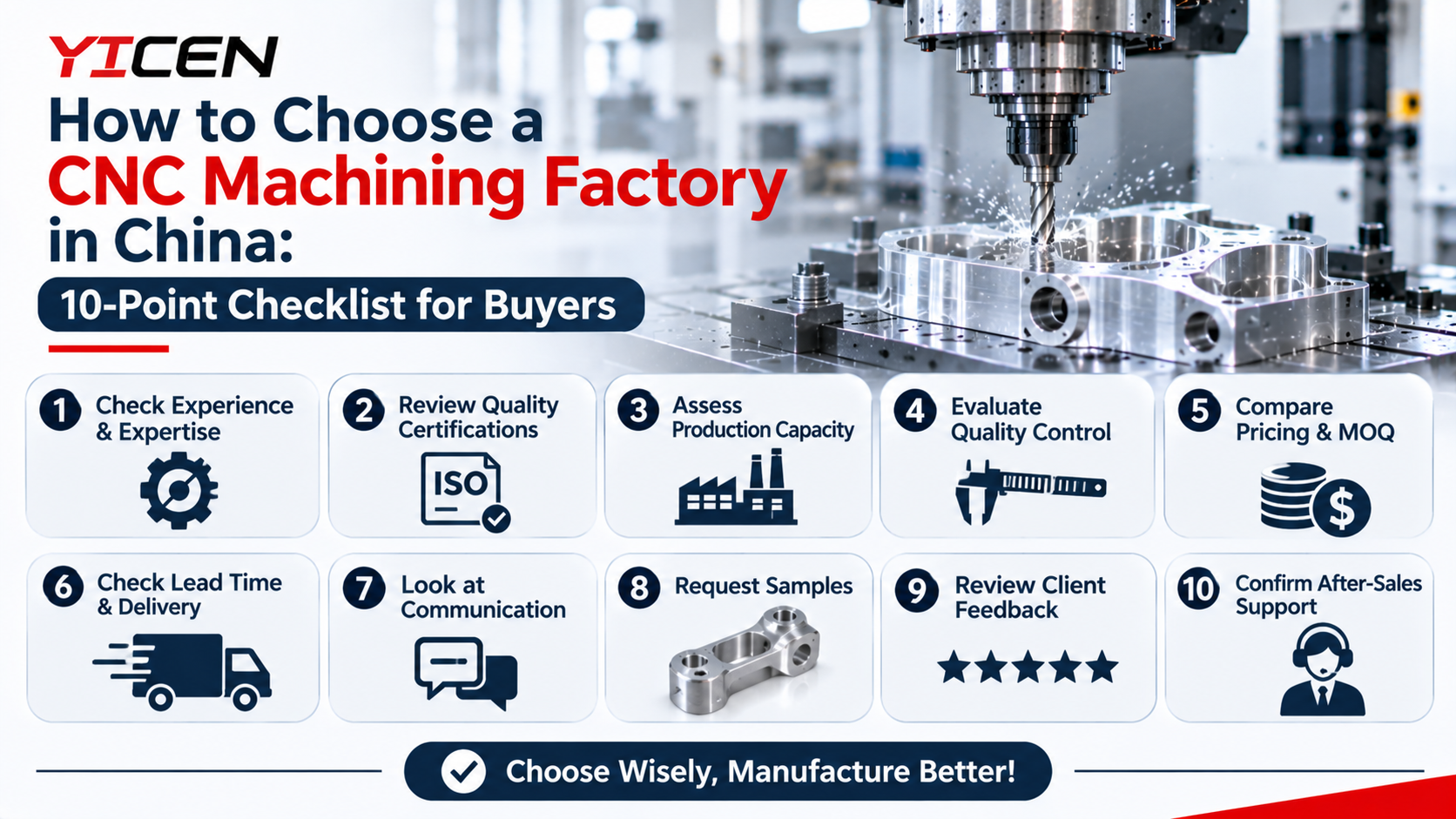
This checklist covers the 10 things worth checking before you place an order with any CNC machining factory in China, including us. Use it to compare suppliers side by side and to decide what to ask for before you send a single drawing.
The 10 checks at a glance
- Confirm it is a real factory and know what is made in-house
- Check certifications, then verify them
- Match machines and processes to your part
- Ask how they inspect and what reports you get
- Put tolerances, materials and finishes in writing
- Order a sample before committing to production
- Understand MOQ, lead time and capacity
- Protect your intellectual property
- Judge communication and engineering feedback
- Compare total landed cost, not just unit price
1. Confirm it is a real factory and know what is made in-house
Some suppliers run their own machines. Others are trading companies that pass your order to a partner shop. A trading company is not automatically a problem, but you should know who is actually cutting your parts, because that is who controls quality and lead time.
Ask for:
- A business license (check that the business scope covers machining) and the factory address
- A live video tour showing machines running, not a pre-recorded promo video
- A machine list with brand and model
- Which processes are done in-house and which are outsourced. Heat treatment and anodizing are often outsourced, which is normal as long as it is disclosed
For larger or long-term orders, a site visit or a third-party audit (from firms such as SGS or Bureau Veritas) is worth the cost. You can see how we present our own workshop on our facilities page.
2. Check certifications, then verify them
ISO 9001 is the baseline quality management certification. Depending on your industry, you may also need ISO 13485 (medical devices), IATF 16949 (automotive) or AS9100 (aerospace). ISO 14001 covers environmental management. A certificate logo on a website means very little until you have checked it.
- Get the certificate number, scope, expiry date and the name of the certification body
- Make sure the scope covers machining, not just trading or assembly
- Confirm it is valid with the issuing body or through the IAF CertSearch database
If your parts go into a regulated product, read our guide to Usinage CNC pour les dispositifs médicaux for what documentation to expect.
3. Match machines and processes to your part
A long machine list says little. What matters is whether the factory has the right equipment for your part: 3-, 4- or 5-axis milling, CNC turning, wire EDM, grinding, and a work envelope big enough for your size. Tight tolerances also depend on a stable, temperature-controlled environment and good fixturing.
Ask to see similar parts they have made, and whether they machine your material regularly. Titanium and Inconel behave very differently from aluminum, and a shop that mostly cuts aluminum may struggle with them. You can see the processes we run under our Services d'usinage CNC.
4. Ask how they inspect and what reports you get
Good inspection tools include a CMM, micrometers, height gauges, optical comparators and surface roughness testers. An XRF analyzer helps verify metal composition. But the tools matter less than the process: first-article inspection, in-process checks, and final inspection against a defined sampling plan (such as AQL).
Request:
- A sample inspection report from a past job, with customer data removed
- A first article inspection (FAI) report for your parts (AS9102 format if you are in aerospace)
- Material certificates for the stock used
- RoHS or REACH declarations if your product needs them
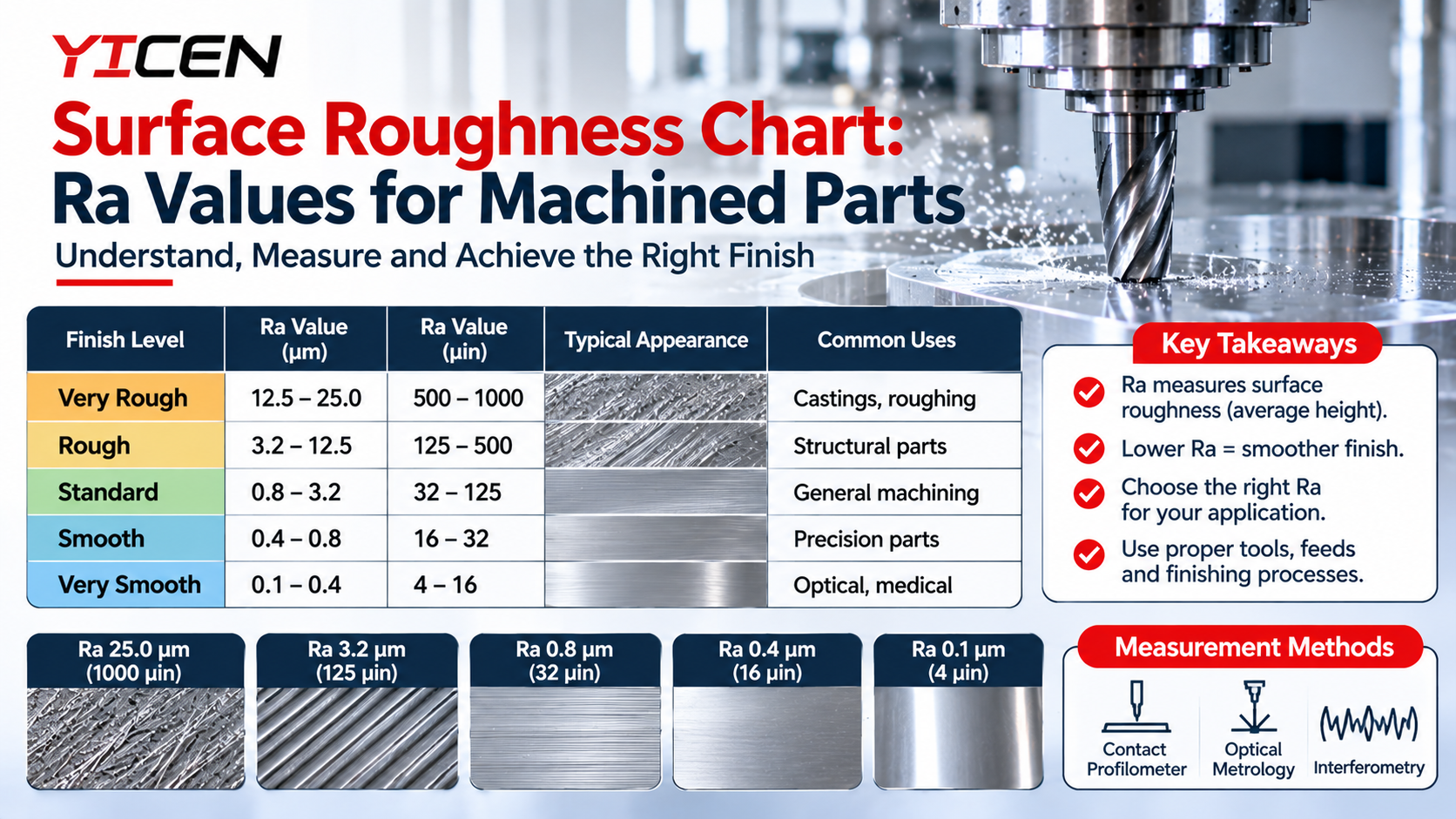
If your drawing specifies surface roughness, check that they can actually measure it. Our tableau des rugosités de surface explains common Ra values. For a look at how we handle checks, see our l'assurance qualité page.
5. Put tolerances, materials and finishes in writing
Most disputes come from vague specifications. Send a 2D drawing with tolerances, GD&T where it matters, the exact material grade and temper, the surface finish, and the quantity. Then confirm the following in the quote:
- The exact material grade. No “equivalent” material without your written approval
- The finishing standard, for example the anodizing type or plating specification
- Which tolerances the supplier considers difficult or expensive
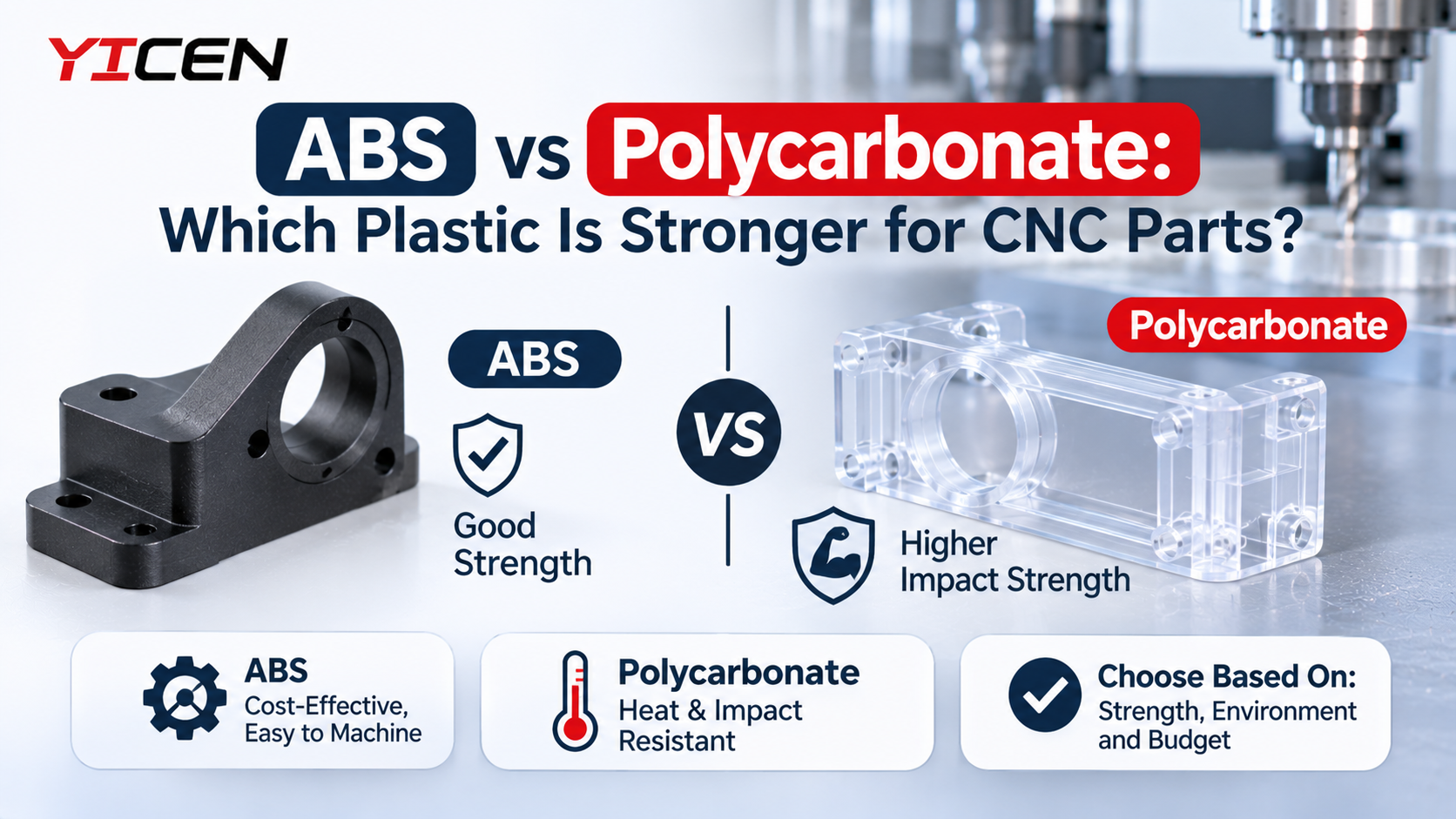
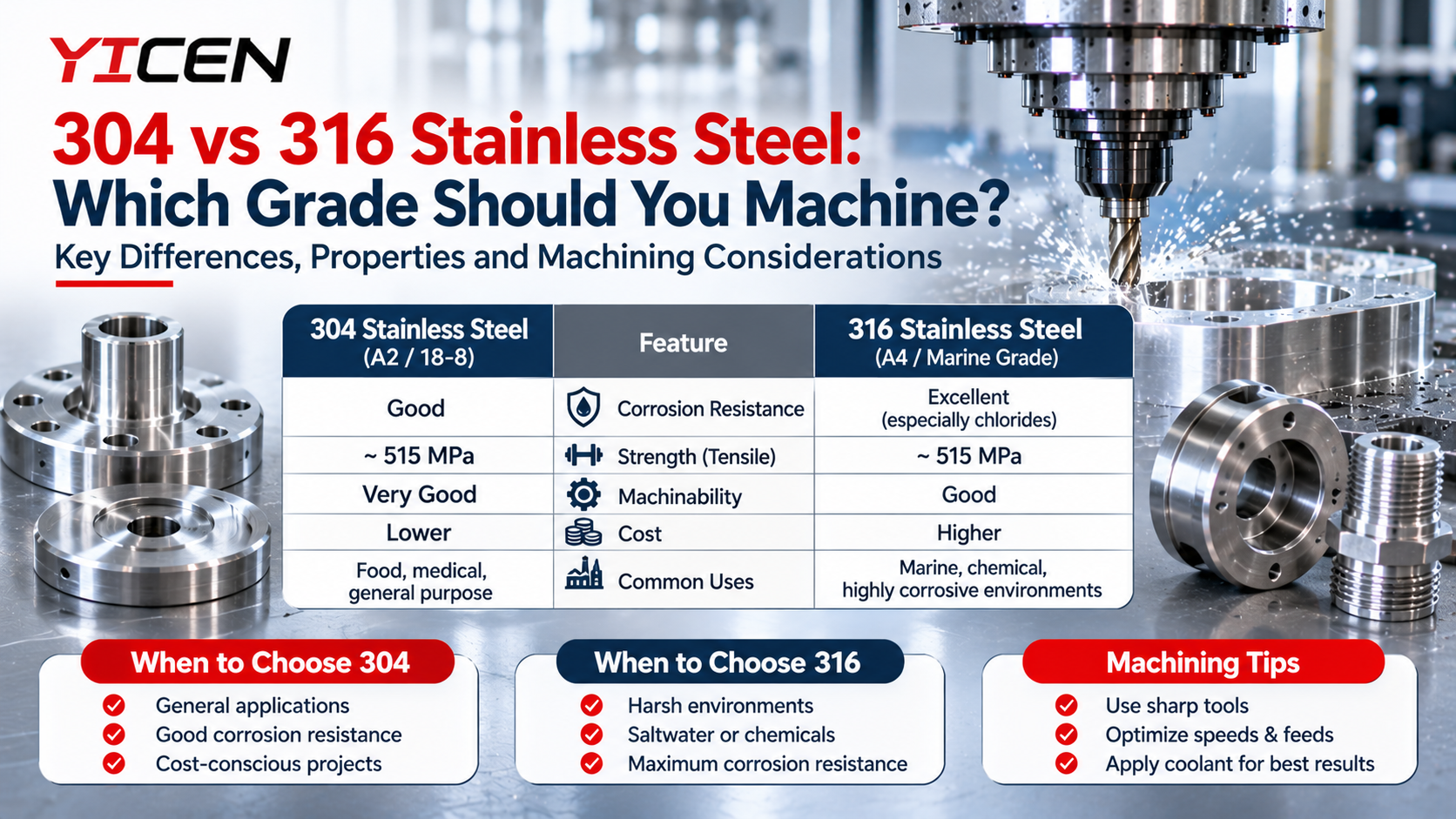
Not sure which alloy to specify? Our comparison of Acier inoxydable 304 vs 316 is a good place to start, and our pages on matériaux et finitions de surface list the options.
6. Order a sample before committing to production
Even experienced buyers do this. A prototype or small pilot batch shows you the real quality, the packaging, the communication and the true lead time, before you have a large order at risk. Inspect the parts against your drawing yourself, or pay a third party to do it.
Keep the first order small enough that you can walk away if it goes badly. A prototypage rapide run is the cheapest way to test a new supplier.
Want to test us this way? Upload your drawing for a quote and start with a small batch.
7. Understand MOQ, lead time and capacity
Ask these questions up front:
- What is the MOQ? Many CNC shops accept a single piece for prototypes, while production pricing depends on setup time
- What are realistic lead times for prototypes and for production?
- What happens if their capacity is full when your order arrives?
- What are the holiday closures? Chinese New Year often stops factories for two to four weeks around January or February (the date moves each year), and the early-October Golden Week also slows things down
Order ahead of these periods, and get delivery dates confirmed in writing.
8. Protect your intellectual property
Sending drawings to any outside shop carries some risk, in any country. A few sensible basics:
- Use an NNN agreement (non-disclosure, non-use, non-circumvention) that is bilingual and written to be enforceable under Chinese law. A standard Western NDA is often hard to enforce there
- Consider registering trademarks and patents in China if you plan to manufacture or sell there, since China follows a first-to-file system
- Share only the files needed for the job, for example a STEP file plus a PDF drawing, not your full product assembly
- For high-value products, split production across more than one supplier
This is general guidance, not legal advice. Talk to an IP lawyer for your situation, and read the supplier’s own IP protection policy before you share files.
9. Judge communication and engineering feedback
How a supplier handles your RFQ tells you a lot. Look at how fast they reply, how clearly they write, and whether they ask questions. A good factory pushes back on your drawing: thin walls, deep pockets, unclear tolerances, hard-to-reach features, or a cheaper material that would work just as well.
Be cautious of a supplier who says “no problem” to everything. It may mean nobody read the drawing. Also ask for a quote breakdown that lists material, machining, finishing, inspection and packaging separately, so you can compare suppliers fairly.
10. Compare total landed cost, not just unit price
The unit price is only one part of the cost. Add:
- Tooling, fixtures and programming, if charged separately
- Finishing and inspection
- Shipping: express courier for prototypes, air or sea freight for production runs
- Import duties and taxes, which vary by country and change often. Confirm the rate for your part’s HS code with a customs broker
- Payment terms. Avoid paying 100% upfront to a supplier you have not worked with. A deposit with the balance before or against shipment is common
- The cost of rework or delay if parts fail inspection
A quote far below the others usually means something is missing: a substituted material, skipped inspection, or no finishing included.
Red flags to watch for
- Refuses a live video call or factory tour
- Cannot say who actually makes the parts
- Quote is much lower than every other supplier
- Asks no questions about your drawing
- Cannot provide an inspection report or material certificate
- Pushes for full prepayment on a first order
A simple scorecard
Score each supplier from 1 to 5 on the ten points above. Treat certifications, inspection and IP protection as dealbreakers: if a supplier is weak there, a low price will not make up for it. Things like MOQ and lead time are often negotiable.
Is China the right choice for your part?
China is a strong option for everything from one-off prototypes to production runs, with a wide range of processes and materials at competitive cost. It may be a poorer fit for very small urgent jobs that need same-day pickup, or for projects that must meet domestic-sourcing rules. Compare total cost and lead time before you decide.
Foire aux questions
How do I know if a Chinese CNC factory is a real manufacturer and not a trading company?
Ask for the business license and check that its scope includes machining. Request a live video tour, a machine list with models, and a clear answer on which processes are in-house and which are outsourced. For larger orders, use a site visit or a third-party audit.
What certifications should a CNC machining factory in China have?
ISO 9001 is the baseline. Add ISO 13485 for medical devices, IATF 16949 for automotive, or AS9100 for aerospace if your industry needs them. Always verify the certificate number, scope and expiry date with the certification body.
What are the typical MOQ and lead time for CNC machining in China?
Many CNC shops accept a single piece for prototypes. Prototypes commonly ship within days to about two weeks, and production runs take a few weeks, depending on part complexity, finishing and volume. Plan around Chinese New Year and Golden Week.
How can I protect my designs when outsourcing CNC machining to China?
Use an NNN agreement written for enforcement under Chinese law, register your IP in China where relevant, share only the files needed, and consider splitting production for high-value parts. Ask an IP lawyer to review your setup.
Is CNC machining in China cheaper than in the USA or Europe?
Often the unit price is lower, especially at higher volumes. But compare the total landed cost, including shipping, duties, lead time and the risk of rework. For small, urgent jobs, a local shop can sometimes be the better value.
Should I order a sample before a full production run?
Yes. A prototype or small pilot batch lets you check quality, communication, packaging and real lead time before committing to a larger order.