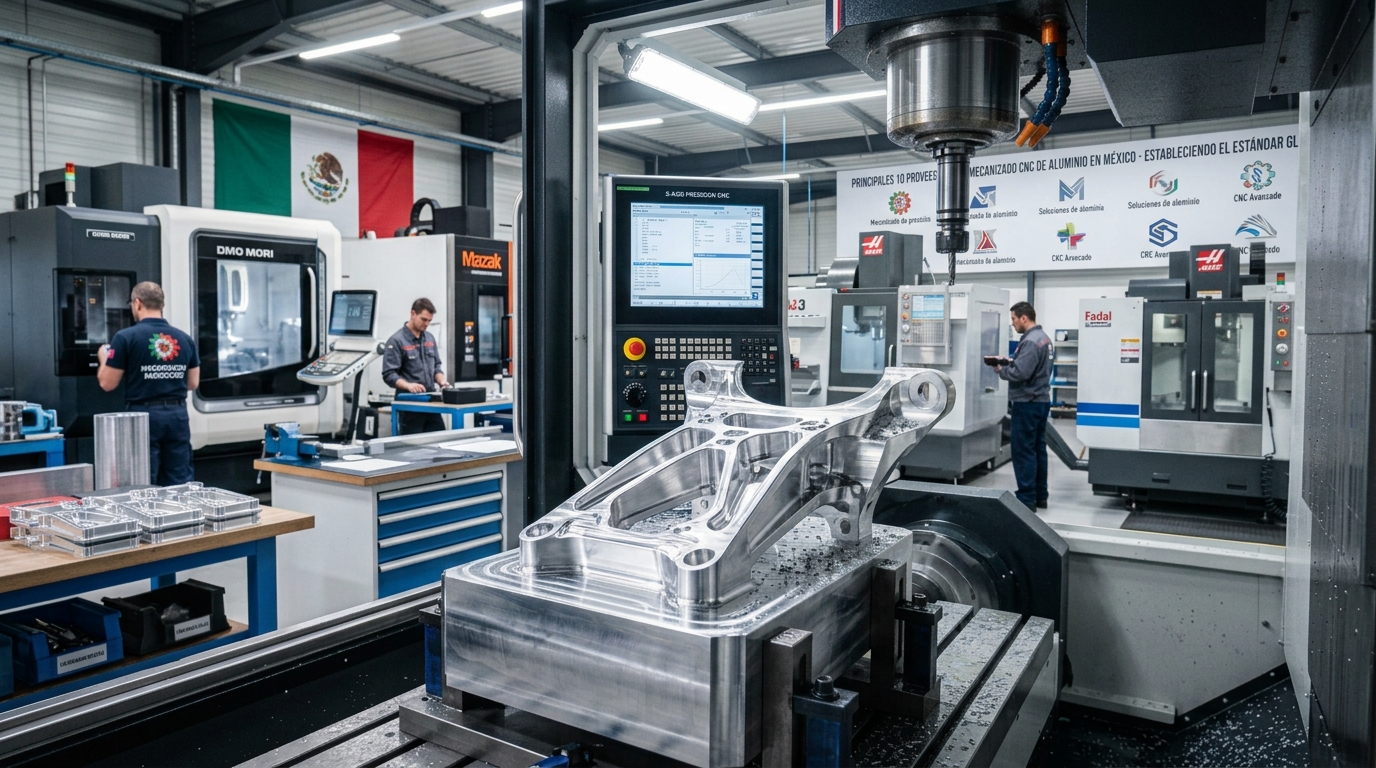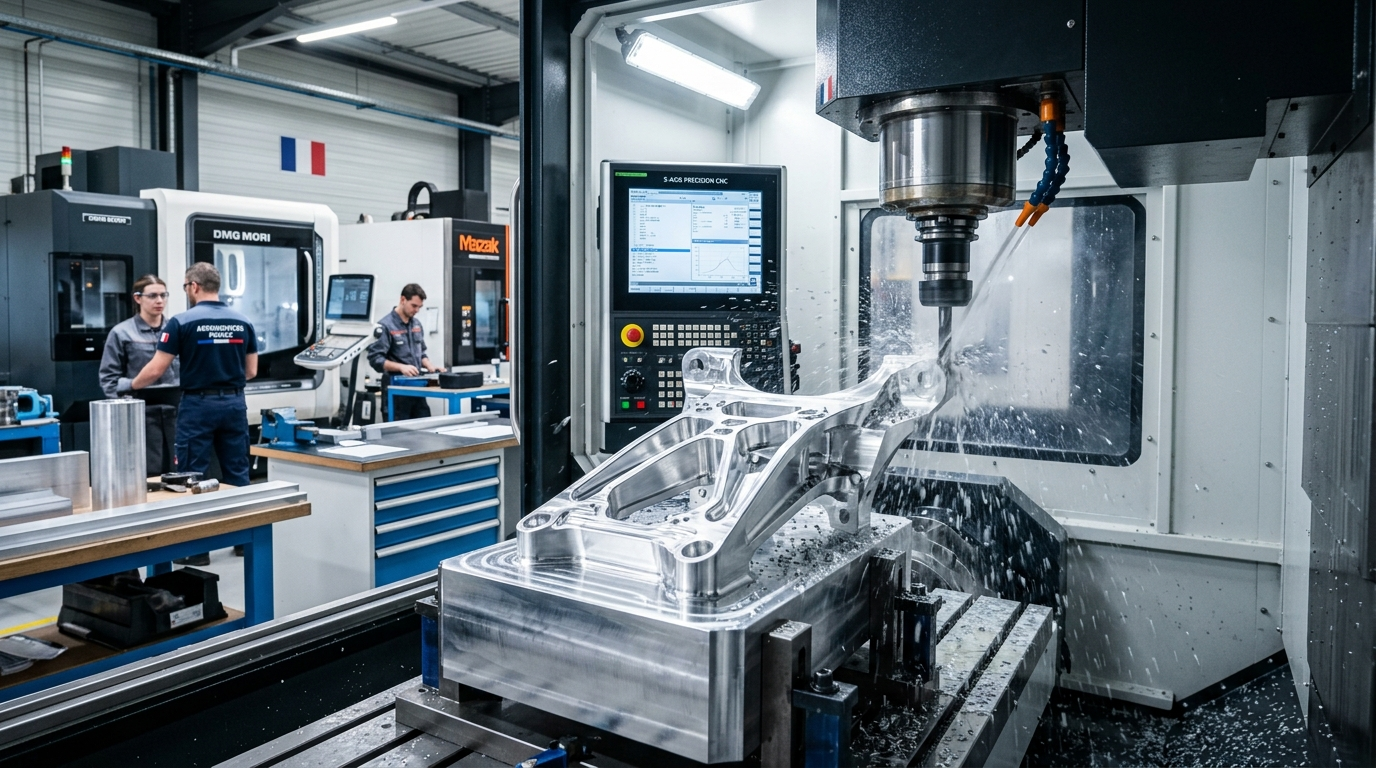

Small batch CNC machining occupies a unique space between prototyping and mass production. It is designed for situations where parts are needed in limited quantities, often with high precision and quick turnaround times. This makes it an essential solution for startups, product development teams, and manufacturers managing low-volume production runs.
Unlike large-scale manufacturing, where efficiency is driven by volume, small batch machining focuses on flexibility and speed. Each batch may involve different designs, materials, or specifications, requiring a workflow that can adapt quickly without sacrificing quality.
This guide explores how small batch CNC machining works, when it makes sense, and how to optimize it for cost and efficiency.
Why Small Batch Production Is Increasing
Manufacturing is shifting away from large, inflexible production runs toward more agile models. Companies are launching products faster, updating designs more frequently, and responding to changing market demands. This has increased the need for small batch production.
One of the main drivers is product development. Before committing to mass production, companies need to test designs in real-world conditions. Small batch machining allows them to produce functional parts that can be evaluated and refined.
Another factor is customization. Many industries now require products tailored to specific applications or customers. Producing these in large quantities is not practical, making small batch machining the preferred approach.
Supply chain considerations also play a role. Producing smaller quantities reduces inventory costs and allows companies to respond more quickly to demand changes.
How Small Batch CNC Machining Works
Small batch machining follows a similar process to larger production runs, but with a greater emphasis on efficiency in setup and programming. Since quantities are limited, the time spent preparing each job has a larger impact on overall cost.
The process typically begins with CAD models, which are used to generate toolpaths through CAM software. Once the program is finalized, machines are set up with the appropriate tools and materials. Because batch sizes are small, setups must be optimized to minimize downtime.
Production then proceeds with a focus on consistency. Even though quantities are limited, each part must meet the same quality standards as mass-produced components. This requires careful control of machining parameters and regular inspection.
Advantages of Small Batch CNC Machining
One of the biggest advantages of small batch machining is flexibility. Designs can be modified between batches without significant disruption, allowing for continuous improvement.
Speed is another benefit. Without the need for extensive tooling or setup associated with mass production, parts can be produced quickly. This is particularly valuable in product development, where time to market is critical.
Cost efficiency is also a factor. While the cost per unit may be higher than in large-scale production, the overall investment is lower. This makes small batch machining accessible for projects that do not justify large production runs.
Quality remains high because Usinage CNC provides precise control over dimensions and surface finish. This ensures that even small quantities meet professional standards.
Challenges in Small Batch Production
Despite its advantages, small batch machining presents certain challenges. Setup time is one of the most significant. Since each job may involve different parts, machines must be reconfigured frequently. This can increase costs if not managed efficiently.
Programming is another consideration. Each new design requires toolpath generation and optimization. While modern CAM software streamlines this process, it still requires time and expertise.
Material costs can also be higher, as bulk purchasing discounts are less applicable. Additionally, waste must be minimized to maintain cost efficiency.
Balancing speed and quality is a constant challenge. While quick turnaround is important, it cannot come at the expense of accuracy or consistency.
When Small Batch CNC Machining Makes Sense
Small batch machining is ideal for product development, where designs are still evolving and flexibility is essential. It is also well-suited for low-volume production, particularly for specialized or high-value components.
Industries such as aerospace, medical devices, and robotics frequently rely on small batch production. In these fields, precision and quality are more important than volume, making CNC machining an effective solution.
It is also a practical choice for bridge production, where parts are needed in moderate quantities before transitioning to mass manufacturing.
Optimizing Small Batch CNC Machining
Efficiency in small batch production depends on reducing setup time and maximizing machine utilization. This can be achieved through standardized processes, efficient tooling, and optimized programming.
Using versatile fixtures and tooling systems allows machines to be reconfigured quickly for different jobs. Advanced CAM strategies help streamline programming and reduce manual adjustments.
Close collaboration between design and manufacturing teams also improves efficiency. Designing parts with manufacturability in mind reduces complexity and shortens production time.
Conclusion
Small batch CNC machining provides a flexible and efficient solution for modern manufacturing needs. It bridges the gap between prototyping and mass production, enabling companies to produce high-quality parts in limited quantities.
As industries continue to prioritize speed, customization, and adaptability, small batch machining will play an increasingly important role. By understanding its advantages and challenges, manufacturers can use it effectively to reduce costs, improve quality, and accelerate product development.