Guia de Custos de Revestimento em Pó para Peças de Chapa Metálica 2026
Se for um comprador de chapas metálicas a calcular o custo da linha de acabamento de uma série de caixas de aço, um gestor de NPI a comparar orçamentos de revestimento em pó que variam entre $1,75 e $5,00 por pé quadrado para produtos que parecem idênticos no papel, ou um engenheiro de hardware a tentar decidir entre revestimento em pó e anodização para um chassis de alumínio — este guia é para si. O revestimento em pó é o acabamento mais utilizado na fabricação de chapas metálicas. É duradouro, oferece flexibilidade de cores, é mais ecológico do que a pintura a húmido e funciona em substratos de aço, alumínio, aço inoxidável e galvanizado. No entanto, o preço depende de quatro fatores — pré-tratamento, tipo de pó, área de superfície e textura — e a maioria dos compradores só tem em conta o último.
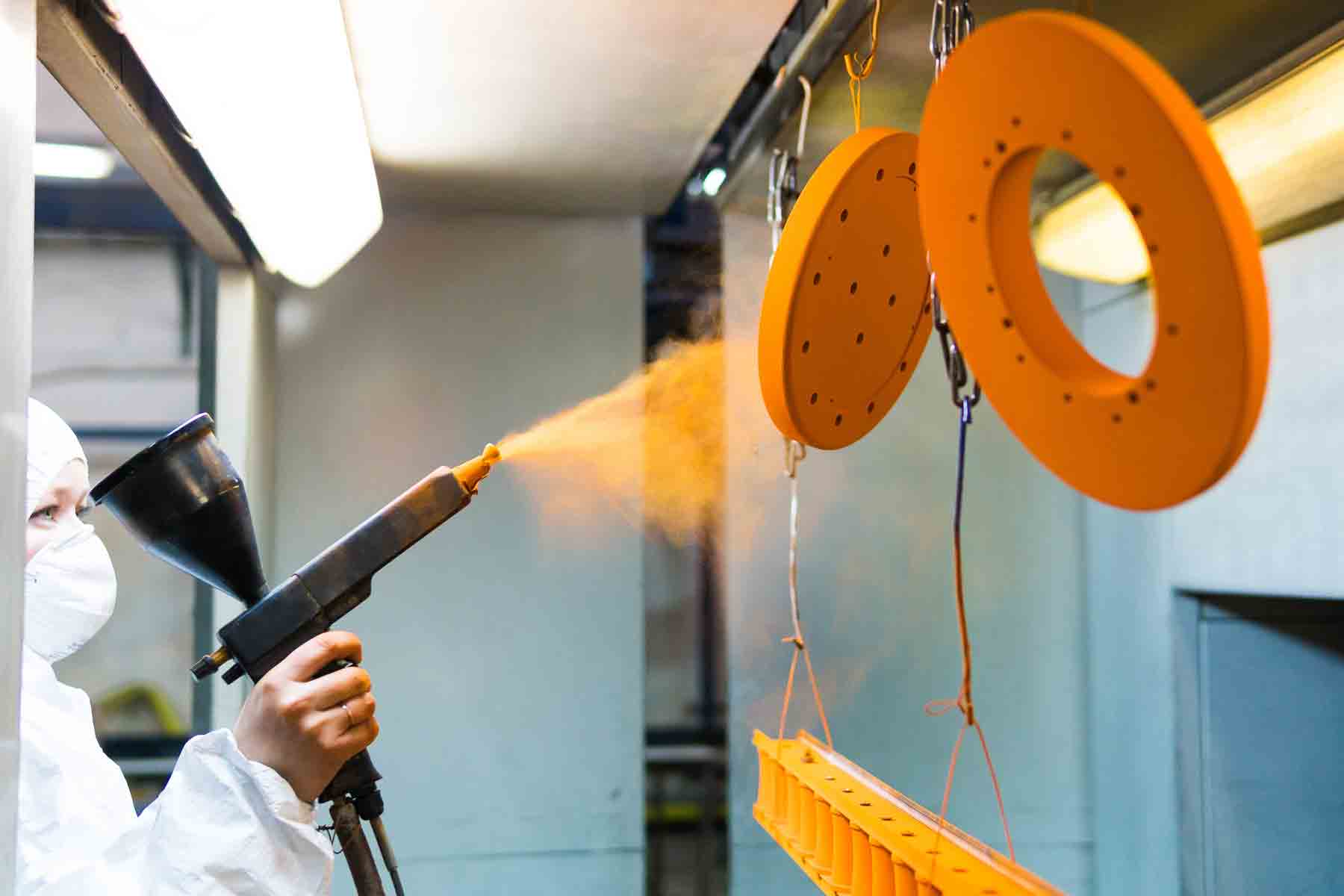
Em Precisão Yicen Realizamos o revestimento a pó nas nossas próprias instalações, como parte da nossa linha de acabamento de chapas metálicas em Shenzhen. Cerca de 65 por cento da chapa metálica que fabricamos todos os meses é submetida a revestimento a pó — caixas industriais, painéis de controlo, suportes, estruturas, proteções para máquinas e peças acessórias para automóveis. Ao longo dos anos, comparámos suficientemente muitos trabalhos com os de oficinas norte-americanas e europeias para compreender exatamente onde residem as diferenças de preços e o que as determina. Este guia apresenta-lhe as faixas de custos para 2026 em função dos tipos de pó, os cálculos de pré-tratamento que a maioria dos orçamentos oculta, os custos adicionais relacionados com a textura a ter em conta e as medidas de DFM (Design for Manufacturing) que, normalmente, reduzem os custos do revestimento em pó em 15 a 25 por cento sem comprometer a durabilidade.
A fórmula de cálculo do custo do revestimento em pó
Todos os orçamentos de pintura por revestimento em pó — desde uma oficina automóvel com uma única baía no Texas até uma linha de acabamento automatizada em Guangdong — são compostos por quatro componentes. O preço principal chama a atenção, mas os custos de pré-tratamento e de lote mínimo são, normalmente, os que determinam o valor final da fatura.
Custo do revestimento em pó = Quantidade mínima por lote + Pré-tratamento + (Área da superfície × Unidade de preço por ft²) + Suplemento por textura/cor
Os lotes mínimos nas oficinas de revestimento por pulverização dos EUA situam-se normalmente entre $75 e $200 por trabalho. O pré-tratamento — geralmente jato de areia, desengorduramento químico ou conversão fosfática — custa entre $1,50 e $7,00 por pé quadrado, dependendo do estado do substrato. A taxa de aplicação de pó por pé quadrado é a componente variável, variando em função da área da superfície, do tipo de pó e da espessura de revestimento necessária. Os suplementos por textura e cor vêm a acrescentar-se — as texturas «wrinkle», «hammertone» e metálicas, bem como as cores personalizadas, podem cada uma acrescentar 10–40 por cento ao preço de um acabamento liso brilhante padrão.
Pela minha experiência na análise de orçamentos, o erro mais comum cometido pelos compradores é comparar o preço unitário por pé quadrado indicado no título, sem verificar o que está incluído. Uma cotação de $1,85/pé quadrado que exclui o pré-tratamento é mais cara do que uma cotação de $3,20/pé quadrado que inclui tudo. Pergunte sempre se o preço abrange o jateamento, os produtos químicos de pré-tratamento, a máscara de proteção e o tempo de estufagem, ou se cada um destes itens constitui uma rubrica separada.
Tipos de pó — Custo e aplicação
Revestimentos em pó são agrupados, em termos gerais, de acordo com a composição química da resina, cada um com um custo, durabilidade e aplicação diferentes. Escolher o tipo de pó errado implica custos, quer inicialmente (pó de gama alta quando bastaria o padrão), quer a jusante (pó padrão que desbota ao fim de 18 meses, quando um pó super-resistente duraria 15 anos).
| Tipo de pó | Caso de utilização | Preço do pó (USD/lb) | Classificação para utilização ao ar livre | Custo vs. Padrão |
| Epóxi | Apenas em interiores, canalizações, instalações elétricas | $3.20–$4.00 | Fraco — giz em 6 meses de exposição aos raios UV | Valor de referência |
| Poliéster (TGIC) | Equipamentos gerais para uso no exterior, maquinaria | $3,50–$4,20 | Bom — 5 a 8 anos | +5% |
| Híbrido de epóxi-poliéster | Mobiliário de interior, eletrodomésticos | $3.40–$4.10 | Moderado — apenas em recintos fechados | Valor de referência |
| Poliéster super-resistente | Arquitetura, náutica | $4,25–$6,50 | Excelente — 10 a 20 anos | +20–35% |
| Uretano | Exposição a produtos químicos, condições de trabalho exigentes | $5,50–$8,00 | Excelente — 10 a 15 anos | +45–60% |
| Fluoropolímero (PVDF) | Condições meteorológicas extremas, arquitetura | $12.00–$22.00 | O melhor da sua categoria — mais de 25 anos | +200–350% |
Três observações sobre preços que vale a pena ter em conta. Em primeiro lugar, o poliéster padrão (TGIC) é o mais utilizado — cobre cerca de 80 por cento dos trabalhos em chapa metálica, com um custo ligeiramente superior ao do epóxi para interiores. Em segundo lugar, o poliéster super-resistente é a escolha certa para qualquer peça que vá permanecer ao ar livre durante mais de cinco anos; o custo adicional de 20 a 35 por cento do pó é recuperado logo na primeira vez que se evita um novo revestimento. Em terceiro lugar, o PVDF é extremamente caro e destina-se a painéis arquitetónicos, acessórios náuticos e peças em que é realmente necessária uma estabilidade aos raios UV de 25 anos. A maioria das cotações que ultrapassam $7/pé² referem-se ao PVDF — confirme antes de assumir que lhe cobraram a mais.
Custo por tamanho e quantidade das peças — Números reais
Revestimento em pó, tal como a anodização, apresenta uma curva de quantidade dominada pelo lote mínimo em pequenas séries. Eis o que observamos nas cotações dos clientes para o poliéster TGIC padrão numa cor RAL em stock, aplicado a uma caixa metálica típica (cerca de 4 pés² de área molhada).
| Quantidade | Custo do lote | Custo do pó por peça | Custo total | Custo unitário por peça |
| 1 | $120 | $8.40 | $128.40 | $128.40 |
| 10 | $120 | $8,40 cada | $204.00 | $20.40 |
| 50 | $120 | $8,20 cada | $530.00 | $10.60 |
| 100 | $120 | $8,00 cada | $920.00 | $9.20 |
| 500 | $120 | $7,80 cada | $4,020.00 | $8.04 |
| 1,000 | $120 (dispensado) | $7,60 cada | $7,600.00 | $7.60 |
Três observações. Em primeiro lugar, para uma quantidade de uma unidade, o custo por peça é determinado principalmente pela taxa de lote — tanto a anodização como o revestimento a pó partilham esta característica. Em segundo lugar, a tarifa por peça quase não varia entre a quantidade de 100 e a de 1 000 (uma poupança de apenas $1,60 por peça), porque o tempo de aplicação do pó, o ciclo do forno e a mão-de-obra para a colocação em prateleiras variam linearmente com a quantidade. Em terceiro lugar, as oficinas de maior dimensão dispensam o mínimo de lote acima das 500 unidades, razão pela qual os programas de chapa metálica de grande volume obtêm preços unitários visivelmente melhores do que os trabalhos de protótipo.
Custos de pré-tratamento — muitas vezes correspondem a metade da fatura total
O pré-tratamento é o que distingue um bom trabalho de pintura a pó de um que descama ao fim de dois anos. A chapa metálica nova com acabamento de fábrica necessita apenas de uma desengorduramento e de uma conversão por fosfatização antes da aplicação do revestimento em pó. O retoque de peças antigas pintadas, enferrujadas ou galvanizadas requer um jateamento agressivo. É aqui que os compradores ficam surpreendidos com os orçamentos para trabalhos de reabilitação, em que o pré-tratamento pode ser mais caro do que o próprio revestimento em pó.
| Tipo de pré-tratamento | Custo (USD/pé²) | Quando necessário |
| Desengorduramento + fosfatização (padrão) | $0,30–$0,80 | Chapas metálicas novas com acabamento de fábrica, substratos limpos |
| Jateamento de areia leve | $1,50–$2,50 | Ferrugem ligeira, sujidade leve |
| Jateamento de areia intenso | $3.00–$7.00 | Ferrugem intensa, superfícies pintadas há muito tempo |
| Fita de limpeza química | $2,00–$5,00 | Remoção de revestimento em pó antigo |
| Tratamento combinado de decapagem e jateamento | $5,00–$10,00 | Remodelação de edifícios em estado de degradação avançada |
| Conversão do fosfato de zinco | $0,80–$1,80 | Aplicações críticas em termos de corrosão de gama alta |
No caso das chapas metálicas novas que saem da nossa linha de corte a laser e dobragem, o pré-tratamento consiste numa simples desengorduramento e fosfatização — incluídos na nossa tarifa base. Para os clientes que nos enviam trabalhos de reabilitação ou peças revestidas por terceiros, apresentamos um orçamento separado para o pré-tratamento, uma vez que o tempo e os produtos químicos envolvidos variam demasiado para serem incluídos numa tarifa fixa.
Prémios por textura e cor
O acabamento em pó liso e brilhante, numa cor RAL de série, é o mais económico. Qualquer desvio em relação a essa base implica um aumento de custo. Eis a estrutura de preços premium típica que se prevê para 2026.
| Variação | Premium vs. Standard | Motivo |
| Cor RAL de série, acabamento liso brilhante | Valor de referência | Tipo de pó com maior volume |
| RAL de série, mate liso | 0–5% | O mesmo pó, perfil de cura diferente |
| Textura martelada | +10–15% | Aplicação em duas fases, cura mais demorada |
| Acabamento enrugado | +10–15% | Pó especializado, cura mais demorada |
| Partícula metálica | +20–30% | Pó de escamas de alumínio, problemas de pulverização na linha de visão |
| Perolado / colorido | +25–40% | Várias demãos: camada de base + camadas de cor |
| Cor personalizada (lote pequeno) | Configuração +$80–$250 | Mistura de pós, aprovação de amostras |
| Acabamento bicolor ou em duas partes | +50–80% | Mascaramento, ciclo de dupla cura |
Se o projeto da sua peça o permitir, opte por defeito por um acabamento RAL brilhante ou mate de série. A qualidade visual é excelente, a durabilidade é comparável à de opções mais caras e evita-se tanto a configuração de correspondência de cores como a sobretaxa pela textura. Especifique um acabamento não padrão apenas quando a aparência visível para o cliente o exigir efetivamente.
EUA vs. China — Comparação dos custos reais do revestimento em pó
O revestimento a pó, tal como a anodização, apresenta uma diferença de custos entre a China e os EUA menor do que a usinagem CNC ou a fabricação de ferramentas. Os custos com produtos químicos, energia para os fornos e pó consumível são globais. A diferença deve-se à mão-de-obra necessária para a colocação em prateleiras e a inspeção, bem como à utilização da linha de produção.
| Processo / Complemento | EUA | Alemanha / UE | China (Nível 1) | Precisão Yicen |
| Poliéster TGIC padrão, por ft² | $1,75–$4,50 | 1,80 € – 4,50 € | $0,95–$2,20 | $0,85–$2,00 |
| Poliéster super-resistente, por pé quadrado | $2,50–$5,50 | 2,60 € – 5,60 € | $1,40–$2,80 | $1,30–$2,60 |
| Fluoropolímero PVDF, por ft² | $7.00–$14.00 | 7,50 € – 14,50 € | $4,50–$8,50 | $4.20–$8.00 |
| Custo por lote — padrão | $75–$200 | 80 € – 220 € | $30–$80 | $25–$75 |
| Preparação por jato de areia, por ft² | $1,50–$7,00 | 1,50 € – 7,00 € | $0,60–$2,20 | $0,55–$2,00 |
| Textura martelada | +10–15% | +10–15% | +8–12% | +8–12% |
| Configuração personalizada da correspondência de cores | $150–$400 | 160 € – 420 € | $60–$180 | $55–$160 |
A poupança nas tarifas por pé quadrado situa-se entre cerca de 45 % e 55 % no caso do poliéster padrão e é ainda mais acentuada nas taxas de lote e no pré-tratamento. A poupança combinada num programa típico de chapas metálicas de 100 unidades é normalmente de 50 % a 60 % no total, em comparação com uma oficina nos EUA. O senão — tal como acontece com todo o abastecimento na China — reside nos riscos relacionados com o frete, os direitos aduaneiros e os prazos de entrega, que têm de ser adicionados ao cálculo do custo final.
Exemplo combinado de chapa metálica + revestimento em pó
Eis um exemplo prático e realista. A peça: uma caixa de painel de controlo em aço laminado a frio de 1,5 mm, com 350 mm × 250 mm × 150 mm, com duas portas e uma base ventilada. Cor padrão RAL 7035 cinzento claro, acabamento liso brilhante, poliéster TGIC. Área molhada aproximada: 5,8 pés².
| Palco | Quantidade: 25 | Quantidade: 100 | Quantidade: 500 |
| Área de superfície molhada | 5,8 pés² cada | 5,8 pés² cada | 5,8 pés² cada |
| Fabrico de chapas metálicas (Yicen) | $48,50 cada | $32,20 cada | $26,80 cada |
| Pré-tratamento de desengorduramento + fosfatização | $2,90 cada | $2,90 cada | $2,90 cada |
| Aplicação de poliéster TGIC | $5,80 cada | $5,50 cada | $5,20 cada |
| Custo por lote — pintura a pó | $1,80 cada (∕25) | $0,45 cada (/100) | $0,09 cada (∕500) |
| Peça totalmente acabada | $59,00 cada | $41,05 cada | $34,99 cada |
| Percentagem do revestimento em pó no custo total | 18% | 21% | 23% |
Duas conclusões. Em primeiro lugar, o revestimento em pó aumenta em cerca de 18 a 23 por cento o custo de uma peça de chapa metálica acabada em volumes de produção — um aumento significativo, mas previsível. Em segundo lugar, essa percentagem é ligeiramente superior em quantidades maiores, não porque o custo do acabamento aumente, mas porque o custo de fabrico diminui mais rapidamente (maior amortização das despesas de configuração), enquanto o custo do revestimento em pó se mantém praticamente estável. Se verificar que o revestimento em pó representa mais de 30 por cento do custo total da peça acabada num programa de produção de chapas metálicas, peça ao fornecedor que lhe apresente uma discriminação dos custos.
Revestimento em pó vs. anodização — Decisão rápida sobre custos e utilização
Estas são as duas principais opções de acabamento para peças de alumínio, e a escolha tem implicações em termos de custo e desempenho. Aqui está a comparação que apresentamos aos clientes quando se encontram indecisos.
| Fator | Revestimento em pó | Anodização (Tipo II) |
| Substrato | Aço, alumínio, aço inoxidável, galvanizado | Apenas alumínio, titânio e magnésio |
| Espessura típica | 60–120 µm | 8–25 µm |
| Custo (por ft², quantidade de 100 unidades) | $1,50–$3,50 | $0,85–$2,00 |
| Gama de cores | Ilimitado — qualquer RAL, qualquer textura | Edição limitada — transparente, preto, bronze, cores comuns |
| Vida ao ar livre | 5–25 anos (dependendo do pó) | 10–25 anos |
| Oculta as marcas na superfície | Sim — camada espessa | Não — o revestimento é transparente |
| Resistência ao desgaste das arestas | Parte inferior — pode lascar-se com o impacto | Mais alto — o revestimento faz parte do substrato |
| Dissipação de calor | Inferior — isolador de polímero | Quanto maior for o óxido, melhor será a condutividade |
| Condutividade | Isolante | Isolante elétrico (Tipo II) |
Regra geral que seguimos: no caso das peças de aço, o revestimento em pó é a escolha por defeito, uma vez que a anodização não é uma opção. No caso das peças de alumínio, a anodização é a melhor opção se a precisão estética for importante, se a peça necessitar de dissipação de calor ou se a resistência ao desgaste das arestas for fundamental. O revestimento em pó é a melhor opção para o alumínio quando a flexibilidade de cores ou uma camada protetora mais espessa são mais importantes, ou quando é necessário ocultar imperfeições na superfície.
Dicas de DFM que reduzem os custos do revestimento em pó
- As cores padrão são as cores RAL de série, com acabamento liso brilhante ou mate. A personalização da cor implica um acréscimo de $60–$400; os acabamentos texturados implicam um acréscimo de 10 a 40 por cento.
- Especifique poliéster TGIC padrão, a menos que a peça venha a ficar exposta ao ar livre durante mais de cinco anos ou seja sujeita a exposição a produtos químicos. Os pós super-resistentes custam mais 20 a 35 por cento por um desempenho desnecessário.
- Concepção para a colocação em prateleiras. As peças que requerem apenas um ponto de fixação têm um custo de pintura a pó inferior ao das peças que necessitam de suportes, gabaritos ou ganchos multiponto.
- Deve haver orifícios de drenagem nas peças ocas. Os produtos químicos de pré-tratamento retidos no interior de uma cavidade fechada escapam durante a cura e danificam o acabamento — o que implica um retrabalho dispendioso.
- Especifique a espessura em mils apenas quando a função assim o exigir. Solicitar revestimentos de 150 µm quando bastariam 80 µm implica utilizar o dobro do pó e acarreta um custo cerca de 30 por cento superior.
- Agrupe as peças por cor. A mudança de cor entre lotes numa linha de revestimento a pó requer a limpeza da linha — a maioria das oficinas aplica uma sobretaxa de $50–$150 por cada mudança de cor em pequenas séries.
Perguntas frequentes — Custo do revestimento em pó
Quanto custa o revestimento a pó por peça?
Para um invólucro típico de chapa metálica com cerca de 5 pés² de área molhada em poliéster TGIC padrão: aproximadamente $25–$60 por peça para uma quantidade de 25 nos EUA, $9–$15 por peça para uma quantidade de 500. Na Yicen Precision, essas mesmas quantidades situam-se entre $11–$25 e $4–$8, respetivamente. Os preços por pé quadrado situam-se entre $1,75 e $4,50 nos EUA, contra $0,85 e $2,00 na Yicen.
Como se compara o custo do revestimento a pó com o da pintura a húmido?
Os preços por pé quadrado são semelhantes para quantidades reduzidas — a pintura a húmido é, por vezes, mais económica para peças avulsas, uma vez que não é necessária a cura em forno. Em volumes de produção, o revestimento em pó é normalmente 20 a 30 por cento mais barato devido à maior eficiência de transferência (90 por cento para o revestimento em pó contra 60 por cento para o revestimento líquido), menor desperdício e um ciclo de cura muito mais rápido. O revestimento em pó também dura 2 a 4 vezes mais em serviço, tornando o custo ao longo da vida útil significativamente mais baixo.
Por que é que o jato de areia custa tanto?
O jateamento com areia é um processo que exige muito trabalho — é necessário tratar manualmente cada superfície, limpar cada contorno e fenda, e recolher e eliminar o material de jateamento usado. Em trabalhos de reabilitação de peças com ferrugem acentuada ou com camadas espessas de tinta, o custo do jateamento pode facilmente ultrapassar o próprio custo do revestimento em pó. A chapa metálica nova com acabamento de fábrica necessita apenas de desengorduramento e fosfatização, o que é muito mais barato.
Posso aplicar um revestimento em pó sobre um revestimento em pó antigo?
Sim, mas apenas depois de se remover o revestimento original até ao metal nu, através de decapagem química ou jato de areia. A aplicação de revestimento em pó sobre outro revestimento em pó costuma falhar ao fim de 2 a 5 anos devido a problemas de aderência. O custo total do novo revestimento (decapagem + jato de areia + novo revestimento em pó) é, normalmente, 2 a 3 vezes superior ao custo de um revestimento em pó aplicado na fabricação original — a única opção económica para a reabilitação de peças dispendiosas.
Como é que a Yicen Precision realiza o revestimento a pó nas suas próprias instalações?
Operamos uma linha automatizada de revestimento a pó nas nossas instalações de Shenzhen chapa metálica instalações, com desengorduramento, conversão por fosfatização, aplicação eletrostática e forno de cura a gás. Temos em stock mais de 50 cores RAL padrão em poliéster TGIC e poliéster superdurável, com a possibilidade de personalização da cor disponível no prazo de 5 a 7 dias. O prazo de entrega do revestimento em pó é de 3 a 5 dias após a conclusão do fabrico da chapa metálica. É incluído um relatório de inspeção completo em todas as encomendas.
Peça um orçamento para trabalhos em chapa metálica + revestimento a pó à Yicen Precision
Se tiver peças de chapa metálica que necessitem de fabrico e revestimento a pó, tratamos de todo o processo internamente. Envie-nos um ficheiro STEP ou DXF indicando a cor, o acabamento e a quantidade, e apresentaremos um orçamento com o custo total do fabrico e do acabamento no prazo de 12 horas úteis.
- Poliéster TGIC padrão em mais de 50 cores RAL em stock, a partir de $0,85 por ft², com custo de lote a partir de $25
- Poliéster super-resistente a partir de $1,30 por ft² para utilização no exterior e em arquitetura
- Fluoropolímero PVDF para aplicações em condições meteorológicas extremas, a partir de $4,20 por ft²
- Jateamento de areia, conversão por fosfatização e mascaramento realizados internamente, para um fluxo de trabalho completo de acabamento
- Acabamentos «Hammertone», «wrinkle», metálico e possibilidade de personalização da cor
- Certificação ISO 9001:2015 e IATF 16949; prazo de entrega de 3 a 5 dias após a conclusão da produção
Carregue os seus ficheiros de chapa metálica em yicenprecision.com — indique-nos as especificações relativas à cor e ao acabamento e faremos um orçamento para a peça completa.





 Portuguese
  English
  French
  Spanish
  Japanese
  German