1. Startseite
  2. »
  3. Industry
  4. »
  5. Aerospace Industry

Wearable Device Frames CNC Machining for Consumer Electronics

Lightweight, ergonomic wearable device frames engineered for comfort and durability. Our CNC machining delivers precision-crafted frames with biocompatible finishes, exceptional strength-to-weight ratios, and flawless aesthetics for next-generation wearable technology. Experience seamless integration from prototype to mass production with guaranteed quality standards.

Modern Consumer Electronics

CNC Machining for Innovative Consumer Electronics Products

Machining services delivers precision-crafted components for the consumer electronics industry, from sleek enclosures to intricate internal parts. Our CNC machining services ensure tight tolerances, high-quality finishes, and exceptional consistency, all crucial for the fast-paced world of electronics. Whether you’re designing smartphones, wearables, audio equipment, or other devices, we provide reliable and cost-effective solutions that meet your exact specifications. Our advanced capabilities in metals and plastics allow us to produce parts that are both functional and aesthetically appealing, helping bring your innovative products to life.

Interactive Technology Interface

Solutions for Wearable Device Frames CNC Machining Consumer Electronics Industry

Wearable device frames represent the intersection of mechanical engineering, ergonomic design, and aesthetic excellence in consumer electronics. These structural components must balance lightweight construction with durability, accommodate complex electronics in minimal space, and provide comfortable all-day wear while maintaining premium appearance. From smartwatch cases and fitness tracker housings to AR glasses frames and health monitoring device enclosures, Yicen Precision specializes in wearable device frames CNC machining that delivers exceptional quality for the rapidly evolving wearables market.

Our advanced wearable device frames manufacturing capabilities utilize 5-axis milling centers and multi-axis lathes optimized for compact, complex geometries. We machine premium lightweight materials including aluminum 6061-T6 and 7075-T6 for superior strength-to-weight ratios, titanium alloys for biocompatibility and corrosion resistance, stainless steel 316L for hypoallergenic applications, and engineering plastics like PEEK for chemical resistance and comfort. Every wearable device frame undergoes comprehensive quality verification following AS9100 and NADCAP compliance standards, ensuring dimensional precision, surface quality, and ergonomic accuracy. With precision tooling and advanced surface finishing capabilities, we produce frames featuring complex contours, integrated antenna channels, precise sensor mounting provisions, and premium finishes that meet the demanding standards of body-worn electronics.

CNC Parts We Deliver for Consumer Electronics

Connectors and Ports
Optical Lens Components
Power Supply Housings
Cooling Systems and Heat Sinks
Audio Equipment Parts
Custom Buttons, Switches, and Dials
Wearable Device Frames
Laptop and Desktop Housings
Smartphone and Tablet Enclosures
Prototyping

CNC Parts We Deliver for Consumer Electronics

 We specialize in precision machining of high-quality components that support the innovation and functionality of modern consumer electronics.

Connectors and Ports
Optical Lens Components
Power Supply Housings
Cooling Systems and Heat Sinks
Audio Equipment Parts
Custom Buttons, Switches, and Dials
Wearable Device Frames
Laptop and Desktop Housings
Smartphone and Tablet Enclosures
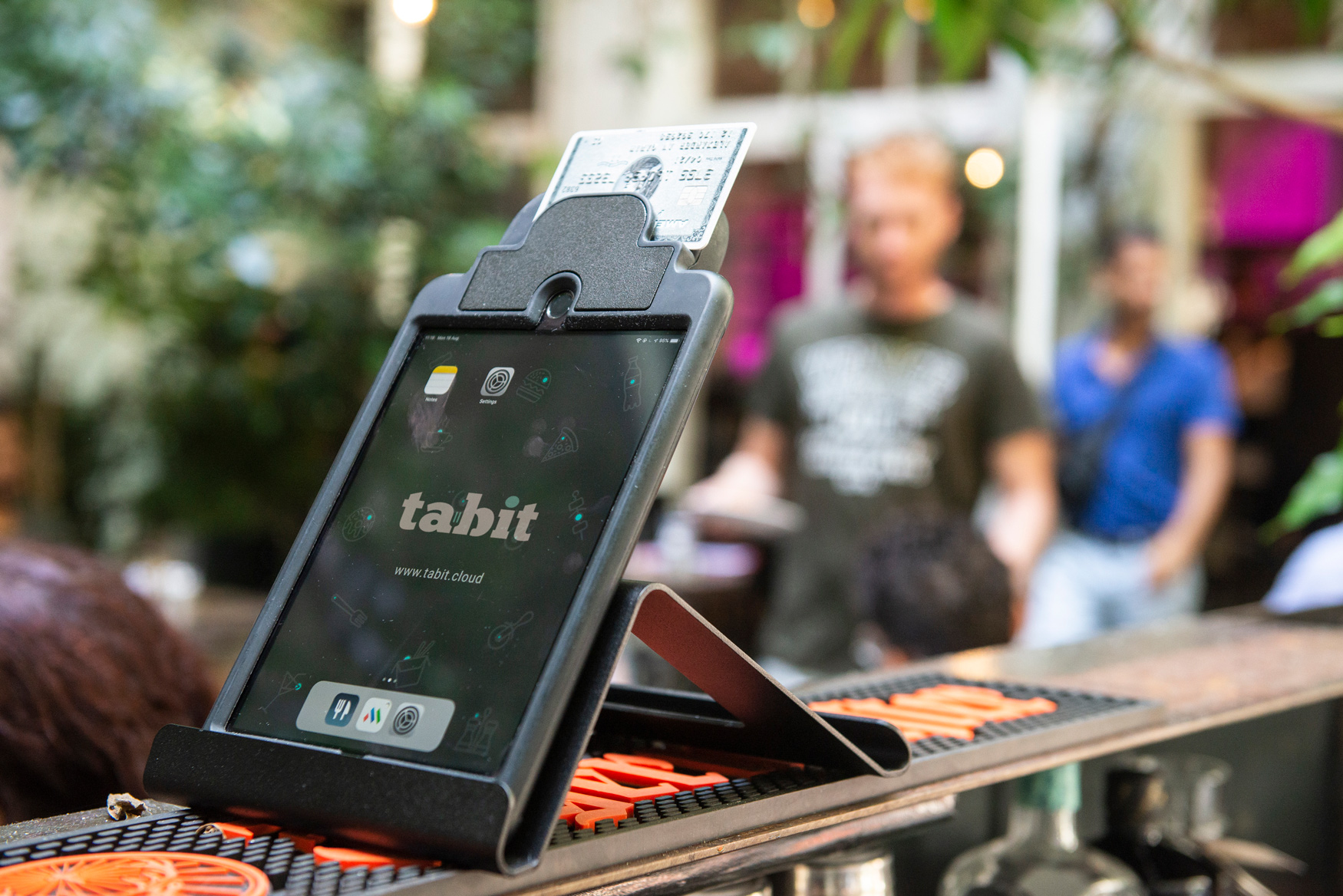
Tablet at Restaurant
Home Office Setup
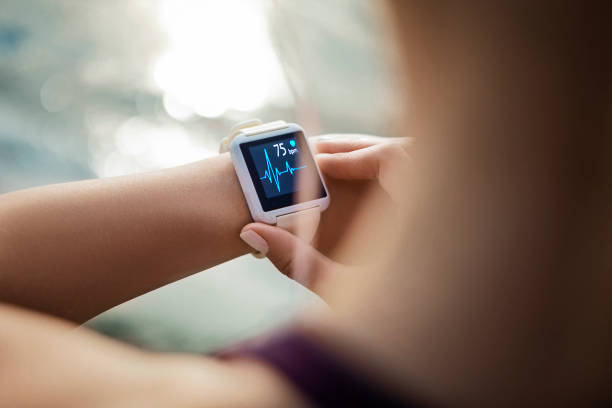
Smartwatch Health Monitor
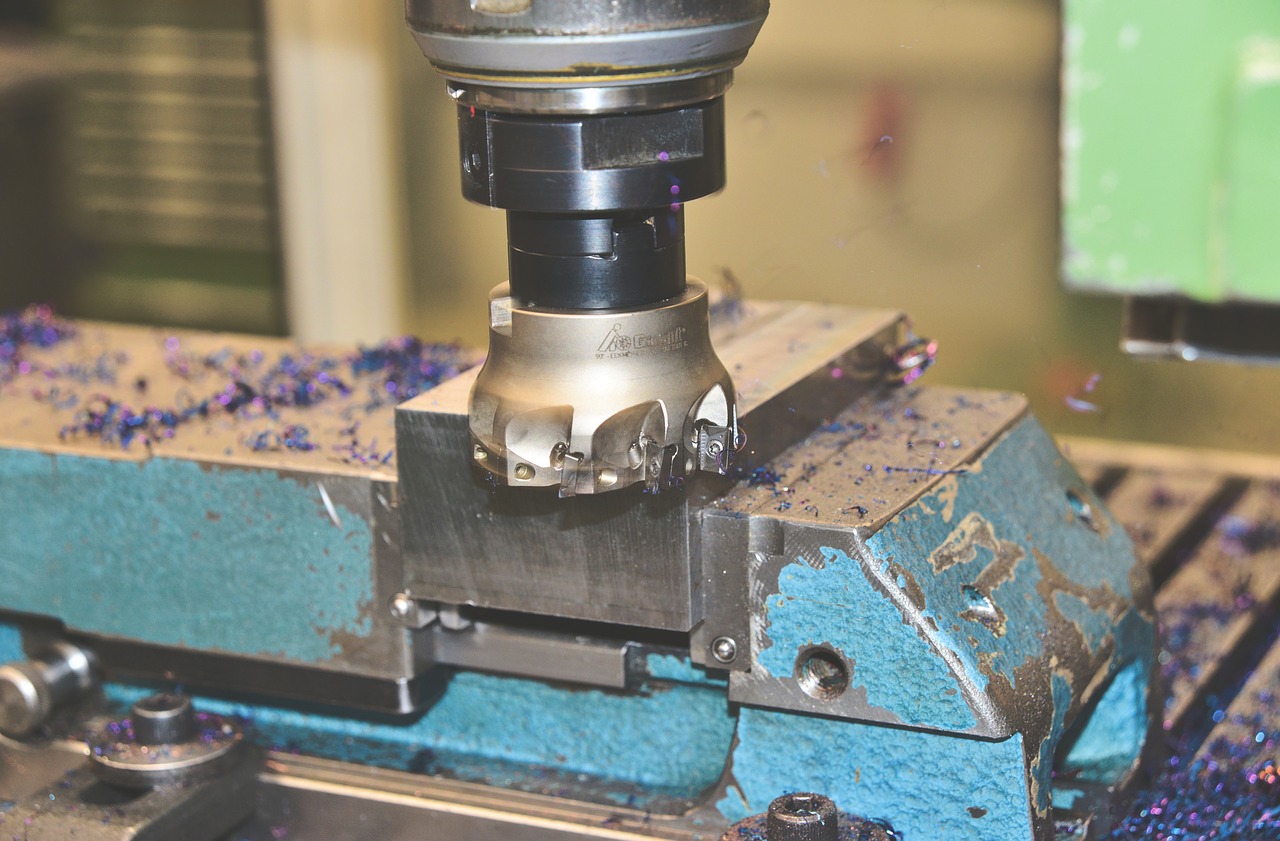
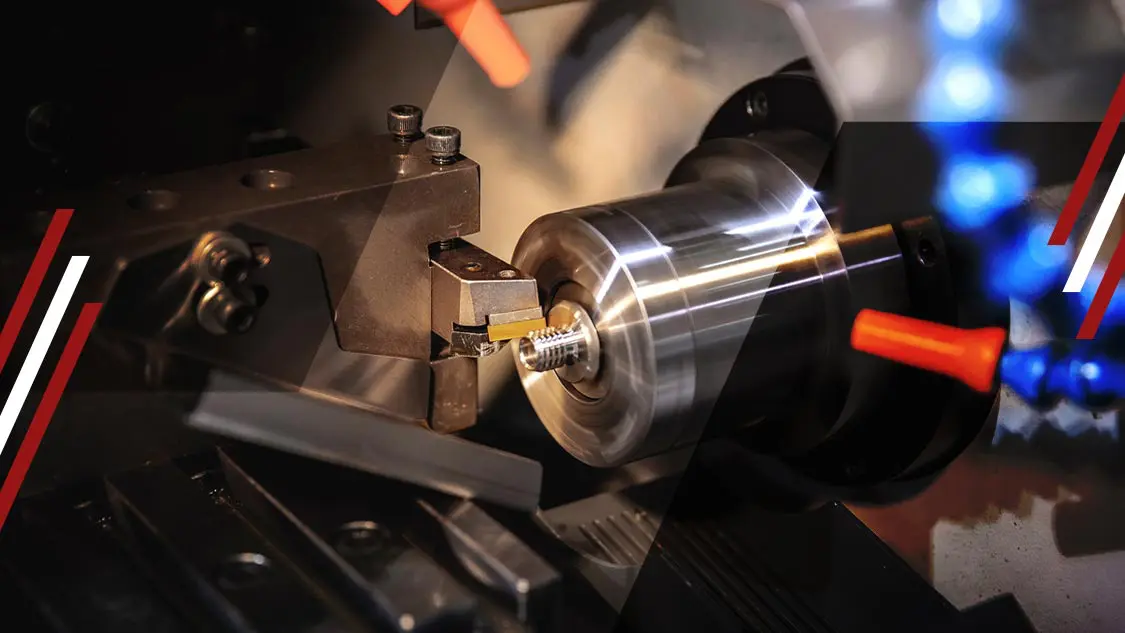
CNC Machining Process

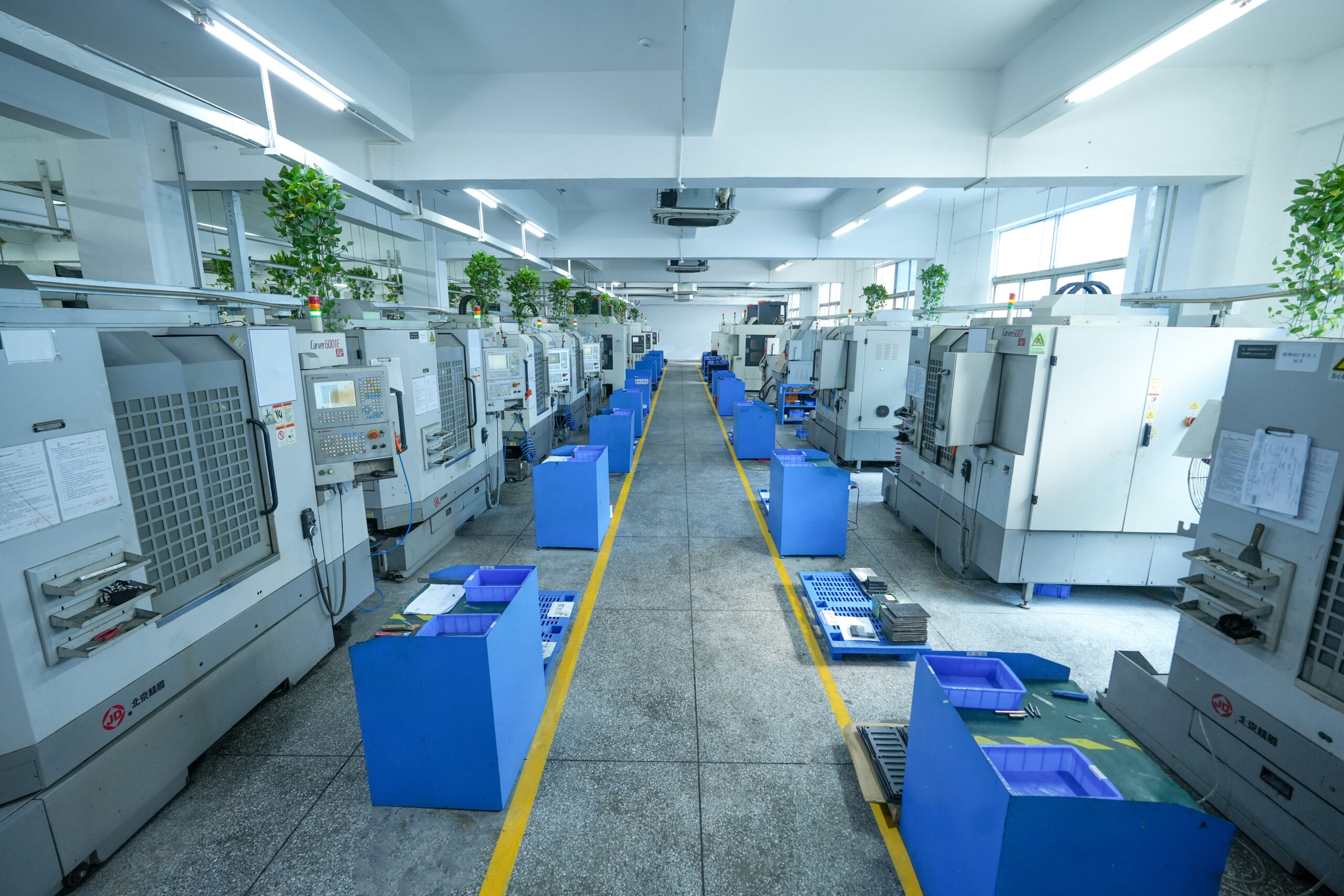
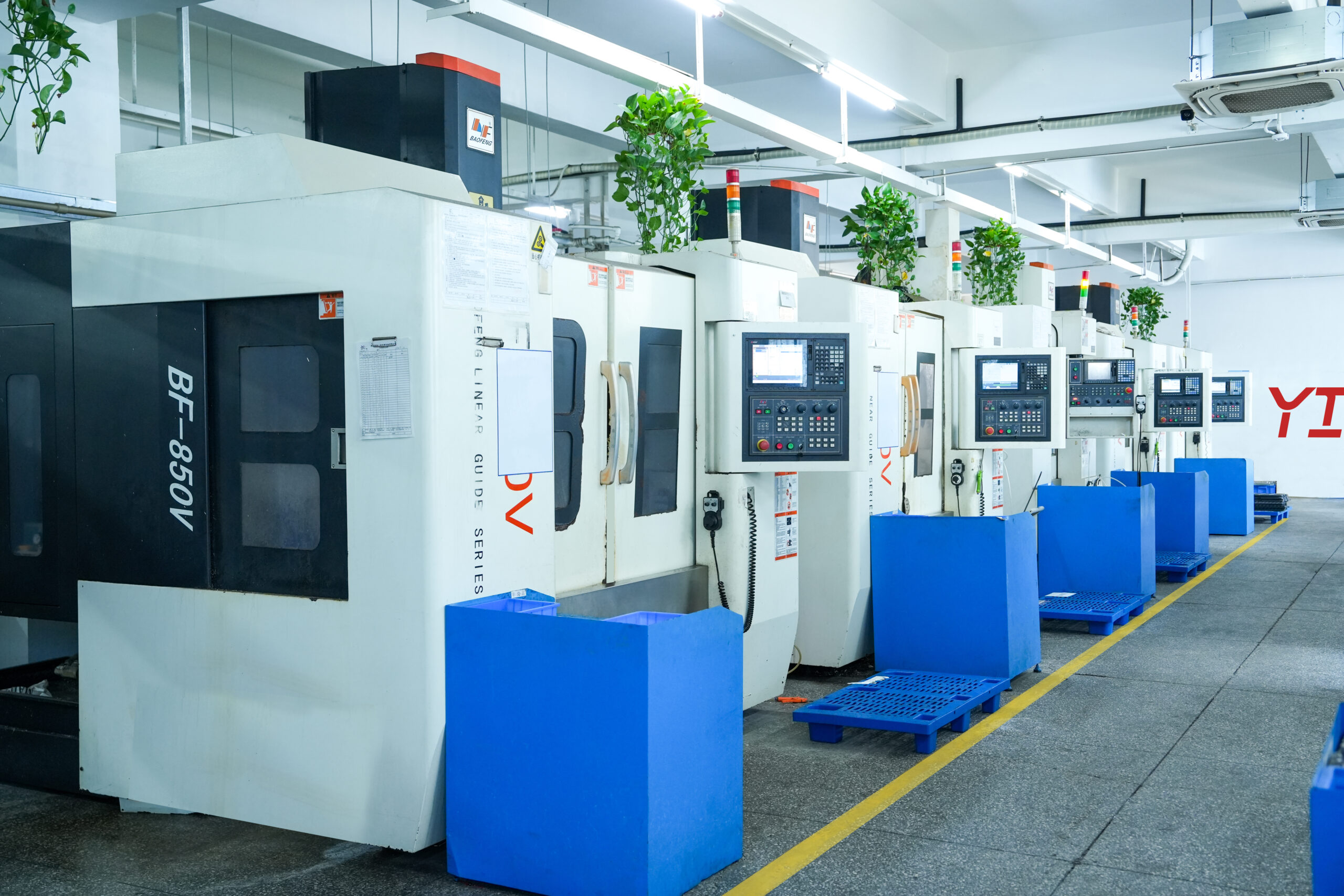
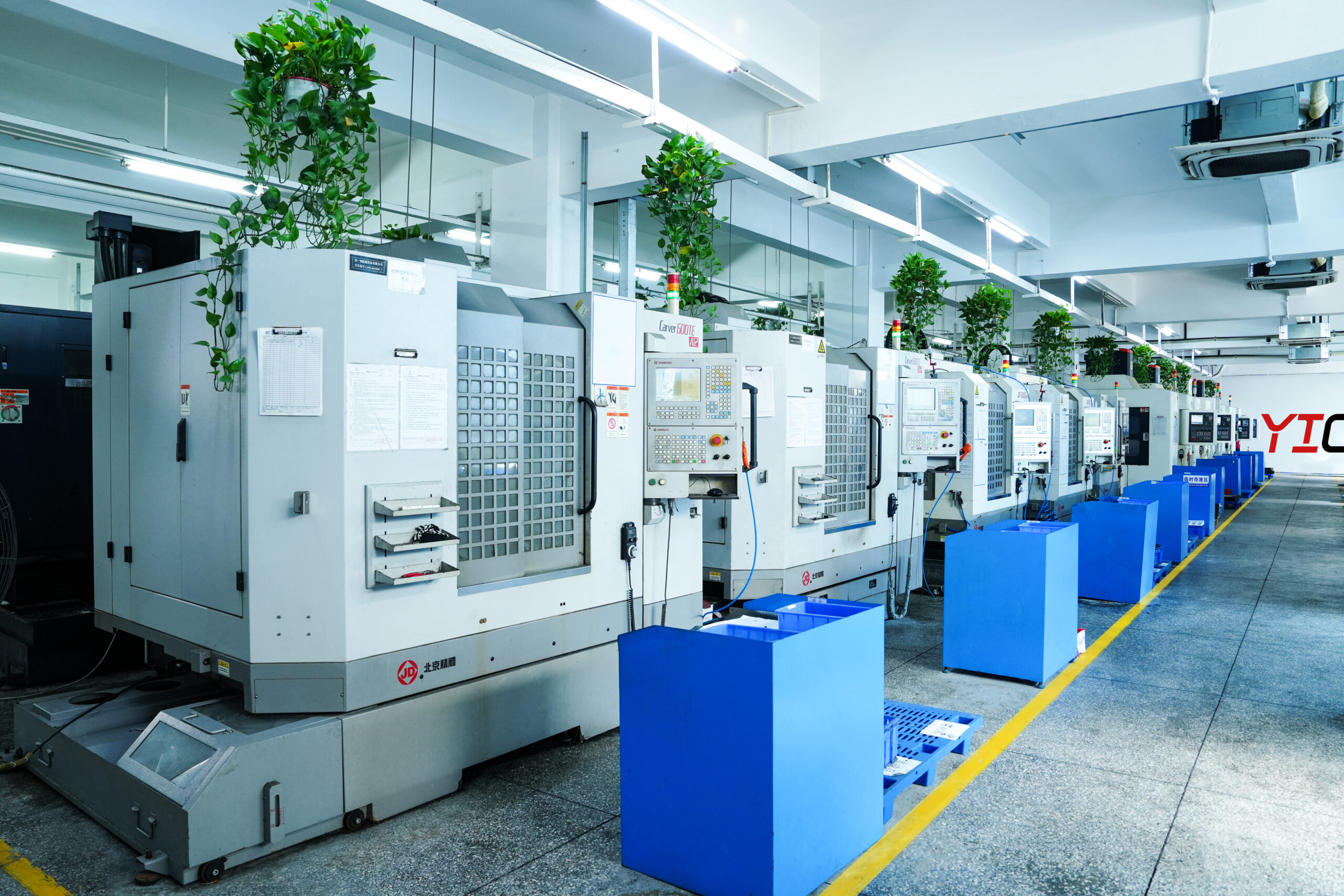
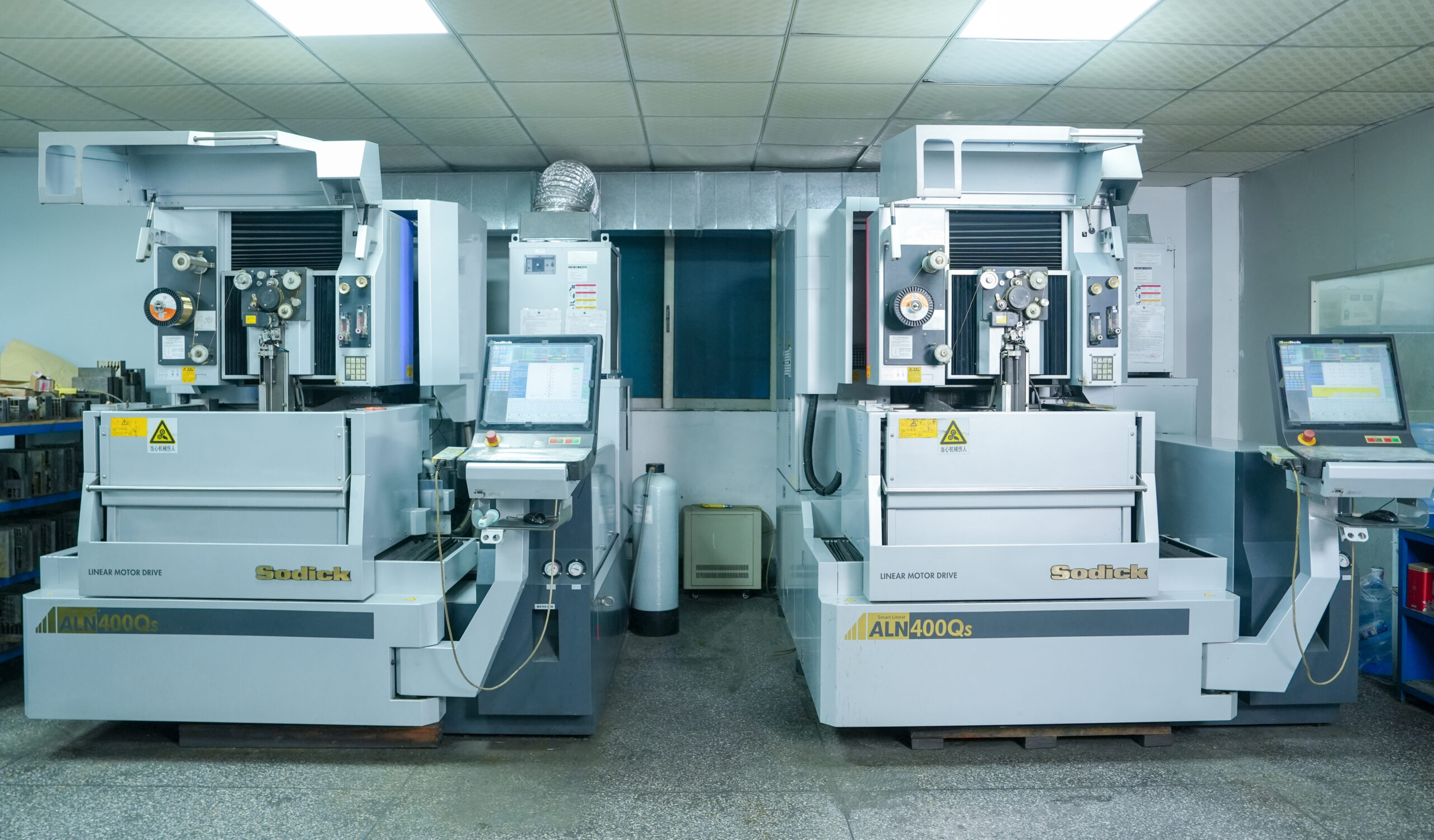
State-of-the-Art Facilities

Equipped with the latest technology and advanced machinery to ensure precise, high-quality manufacturing.
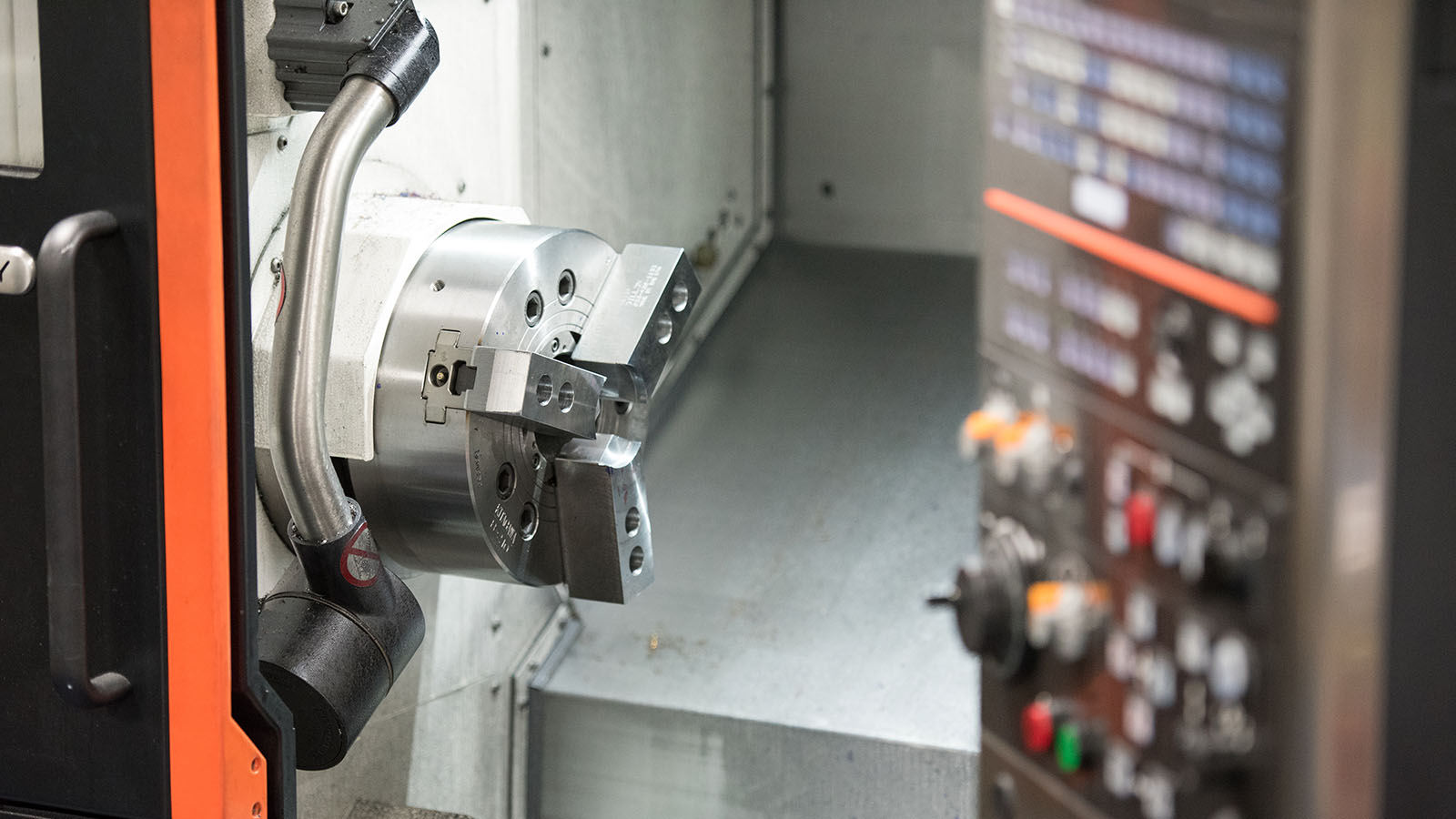
Precision Machining Center

High-accuracy CNC manufacturing with advanced technology and unmatched efficiency.

CNC Production Workshop

Streamlined CNC production using state-of-the-art machinery for consistent quality.

Advanced CNC Manufacturing Hub

Expert fabrication and assembly of intricate CNC components under one roof.

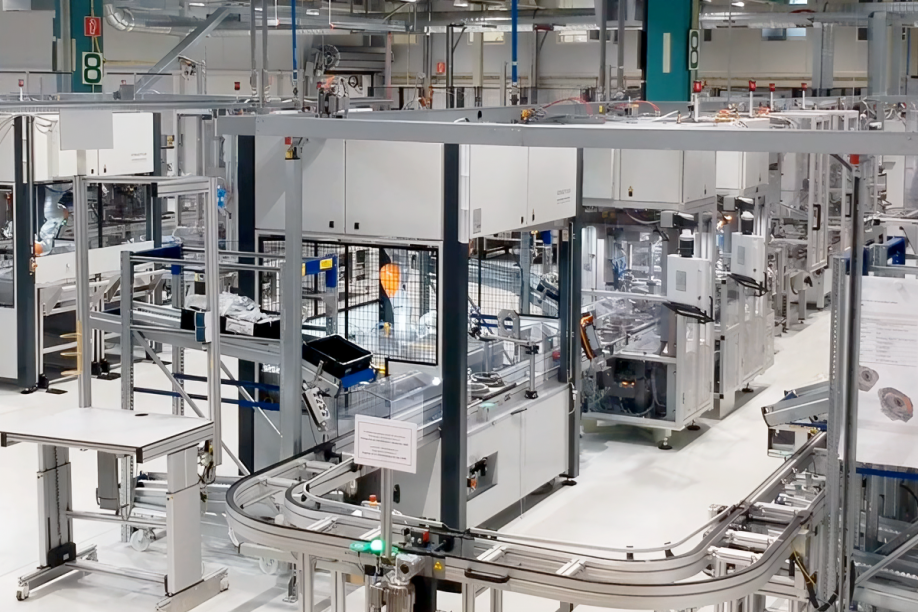
Automated Machining Facility

Fully automated CNC operations delivering fast, precise, and reliable machining.

High-Performance CNC Workshop

Optimized for delivering premium-quality CNC parts with speed and precision.

Integrated CNC Production Plant

End-to-end CNC manufacturing with seamless workflows and superior results.

Materials for Consumer Electronics

At CNC Machine Services, we supply high-performance materials like lightweight alloys, corrosion-resistant metals, and heat-resistant plastics, ensuring durability and reliability for modern electronic devices.

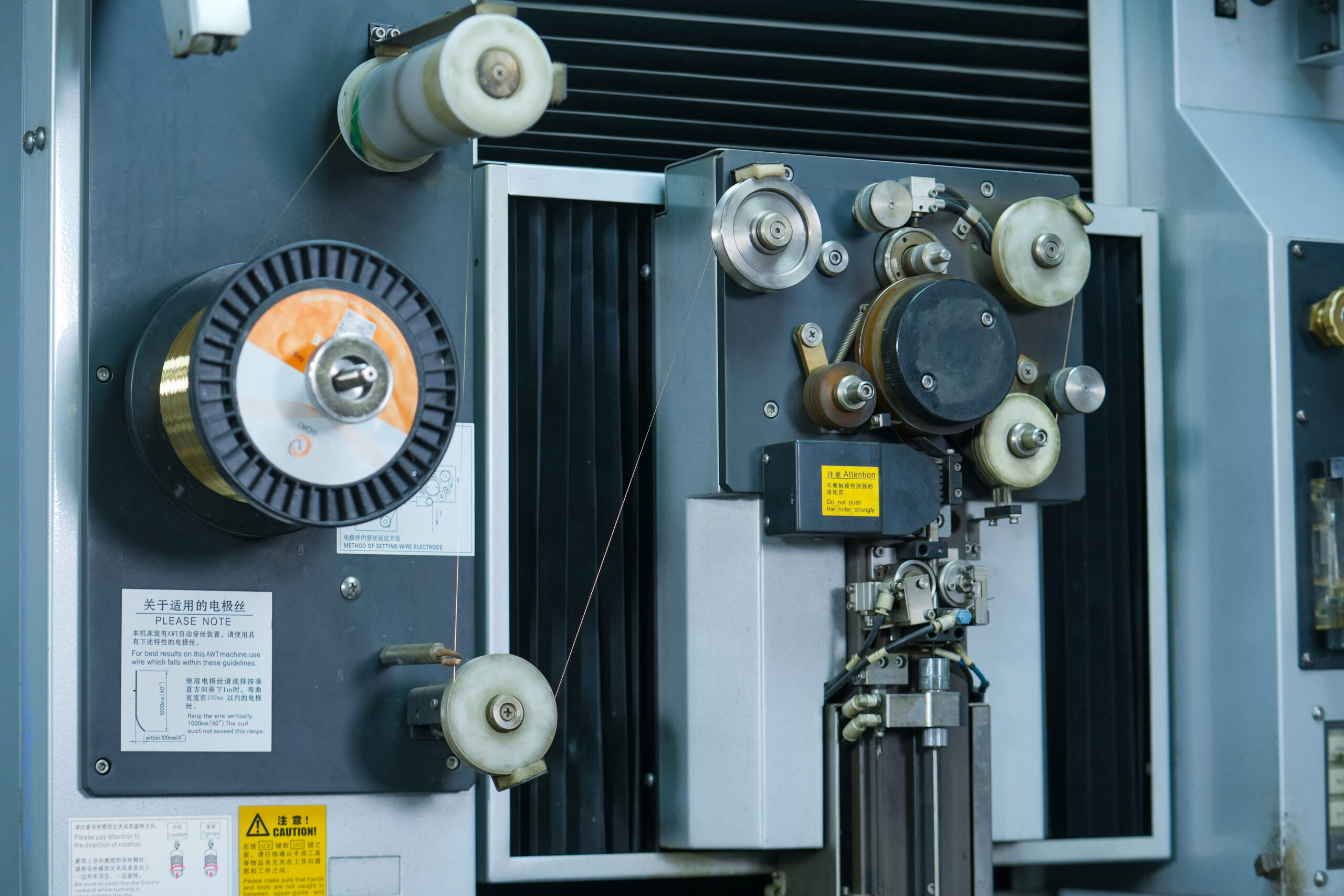
CNC Machine Interior

Aluminum: 5052, 6061-T6, 7075-T6, 2024-T351
Copper: Copper C110, Copper C101
Thermoplastics: Polyoxymethylene (POM), PEEK, PET
Commodity polymers: HDPE, UHMW-PE
Composites: Garolite G-10, FR4

Surface Finishes for Consumer Electronics

At CNC Machine Services, we offer a range of surface finishes for consumer electronics, including anodizing, electroplating, and powder coating. These finishes enhance durability, corrosion resistance, and aesthetic appeal, ensuring your components maintain their performance and appearance in demanding environments.

Precision Machining in Action

Anodizing
As Machined
Bred Blasting
Black oxide
Electropolishing
Electroless nickel plating
Chromate conversion coating
Fine Machining
Powder coating
Polishing
Smooth Machining

Industries We Serve

Yicen Precision is serving a broad spectrum of industries, covering aerospace, automotive, electronics, medical, and more. We specialize in providing high-quality, reliable parts tailored to meet the unique engineering challenges of each industry.

What Clients Say

See why clients rely on Yicen Precision for CNC machining. Our testimonials highlight satisfaction with precision, quality, on-time delivery, and dedicated support, fostering lasting partnerships across industries worldwide.

Connect With Us

Transform Concepts into Precision Parts

We specialize in converting your ideas into high-quality, functional components with unparalleled speed and accuracy. With advanced technology and expert craftsmanship, we create parts that meet the most complex specifications.

Get In Touch With Us!
Prompt response guaranteed within 12 hours
🔐 All uploads are secure and confidential

Precision CNC Machining for Wearable Device Frames

A. What are Wearable Device Frames?

Wearable device frames are precision-engineered structural housings that form the foundation of body-worn electronic devices. These critical components include smartwatch cases with integrated lugs and crown assemblies, fitness tracker housings with sensor windows and charging contacts, smart glasses frames with embedded electronics and display mounting, health monitoring device enclosures with biometric sensor integration, smart jewelry housings for miniaturized electronics, and earphone charging case bodies. They are essential in consumer wearables including activity trackers, heart rate monitors, sleep tracking devices, augmented reality eyewear, hearing aids, and medical-grade monitoring equipment.

The primary functions of wearable device frames include protecting sensitive electronics from impact, moisture, and environmental exposure, providing ergonomic mounting for secure and comfortable body contact, integrating antenna structures for wireless connectivity, accommodating battery compartments and charging mechanisms, enabling sensor access to skin or environment while maintaining water resistance, and delivering premium aesthetics that reflect personal style and brand identity. Their design directly impacts wearing comfort, device durability, signal performance, and user adoption rates in competitive wearable markets.

B. Key Technical Requirements

Manufacturing wearable device frames demands exceptional precision across mechanical, ergonomic, and aesthetic dimensions. Dimensional tolerances for electronics mounting surfaces typically range from ±0.003″ to ±0.005″ to ensure proper PCB alignment, display fitment, and battery retention without gaps that could compromise water resistance or structural integrity. Wall thickness specifications must optimize strength while minimizing weight, typically ranging from 0.040″ to 0.080″ for aluminum and 0.030″ to 0.060″ for titanium frames.

Material specifications prioritize biocompatibility for skin-contact surfaces, requiring hypoallergenic alloys like titanium Grade 5 or stainless steel 316L that meet ISO 10993 standards. Weight optimization is critical—smartwatch frames typically target total weights below 40 grams while maintaining structural rigidity. Surface finish requirements demand Ra values below 32 microinches on skin-contact surfaces to prevent irritation, while external decorative surfaces may require mirror finishes below 16 microinches.

Sealing surface specifications for water resistance require flatness within 0.002″ and surface finish below 63 microinches to enable effective gasket compression. O-ring groove tolerances must maintain ±0.003″ for proper seal retention and compression. Thread specifications for crown assemblies and charging port covers require precise pitch control within ±0.001″ to ensure smooth operation and reliable sealing through thousands of cycles.

Ergonomic contours demand precise 3D surface accuracy within ±0.010″ to ensure comfortable fit against wrist, ear, or head anatomy without pressure points. Antenna cavity machining requires dimensional control within ±0.005″ to maintain target RF performance characteristics. Sensor window openings must maintain tight positional tolerances of ±0.003″ for optical alignment with biometric sensors measuring heart rate, blood oxygen, or other physiological parameters.

C. Manufacturing Challenges & Solutions

Machining wearable device frames presents unique challenges including producing thin-walled structures susceptible to distortion, achieving complex three-dimensional ergonomic contours with consistent surface quality, maintaining tight tolerances on miniature features like sensor windows and fastener bosses, and creating water-resistant sealing surfaces with precise flatness. Titanium’s poor thermal conductivity and work-hardening properties require specialized cutting strategies. Aluminum’s tendency toward burr formation on thin edges demands careful tool selection and cutting parameters.

Yicen Precision overcomes these challenges through advanced manufacturing methodologies developed specifically for wearable device applications. Our 5-axis CNC machining centers enable complete machining of complex frame geometries in single setups, maintaining geometric relationships critical for electronics integration while eliminating repositioning errors. Adaptive machining strategies adjust cutting parameters dynamically based on material engagement, preventing excessive forces that could distort thin-walled sections.

Custom workholding fixtures designed for wearable frames distribute clamping forces across large surface areas, supporting structures during machining without inducing stress or deformation. For titanium machining, we employ high-pressure coolant delivery, sharp carbide tooling with optimized geometries, and conservative cutting parameters that manage heat generation while maintaining productivity. Micro-machining capabilities enable production of features as small as 0.020″ diameter holes and 0.010″ width slots for sensor integration.

Ergonomic contour machining utilizes ball-end mills with advanced tool path strategies that maintain constant surface finish across compound curves. Our CAM programming incorporates morphed spiral techniques and optimal step-over calculations that eliminate visible tool paths while maximizing efficiency. Deburring protocols employ specialized brushing and tumbling processes that remove sharp edges without compromising dimensional accuracy or surface finish.

Quality control includes comprehensive CMM inspection of critical mounting surfaces and sealing interfaces, optical scanning for ergonomic contour verification, and functional assembly testing with electronics components to validate fitment. Flatness measurement of sealing surfaces ensures water resistance specifications are achievable. Surface finish verification employs profilometry on both skin-contact and decorative surfaces. Weight verification ensures targets are met for comfortable all-day wear.

D. Applications & Use Cases

Precision-machined wearable device frames enable comfortable, durable products across diverse consumer electronics applications:

  • Smartwatches and Smart Bands: Aluminum and titanium watch cases, crown assemblies, band attachment lugs, and button housings for health tracking and communication devices
  • Fitness Trackers and Activity Monitors: Lightweight housings with integrated heart rate sensor windows, OLED display bezels, and charging contact provisions for sports and wellness tracking
  • Augmented Reality Glasses: Titanium or injection-molded composite frames with embedded electronics channels, display mounting provisions, and adjustable nose pads for immersive computing
  • True Wireless Earbuds: Compact charging case bodies with precision hinge mechanisms, magnetic retention features, and LED indicator openings for premium audio devices
  • Health Monitoring Devices: Medical-grade stainless steel housings for continuous glucose monitors, ECG recorders, and other FDA-regulated wearable health technology
  • Smart Jewelry and Fashion Wearables: Decorative rings, pendants, and bracelets with concealed electronics compartments for notification and tracking functionality
  • Virtual Reality Headset Components: Lightweight structural frames, adjustment mechanisms, and facial interface mounting brackets for gaming and entertainment systems

E. Why Choose Yicen Precision for Wearable Device Frames?

Yicen Precision delivers unmatched expertise in wearable device frames CNC machining through our specialized understanding of wearable technology requirements and precision miniature manufacturing capabilities. Our rapid prototyping services provide functional frame samples within days, enabling ergonomic testing, electronics integration validation, and design iteration before committing to production tooling and finishing processes.

We offer flexible scalability from innovative startup products requiring limited pilot runs through established brands demanding millions of units annually, maintaining precision and aesthetic consistency regardless of production volume. Our engineering team provides comprehensive DFM consultation focused on wearable applications, including recommendations for weight optimization, water resistance design, antenna integration, ergonomic refinement, and manufacturing efficiency improvements that reduce costs while enhancing comfort and functionality.

Complete material traceability with certified mill test reports ensures biocompatibility requirements are met and documented for regulatory submissions. Our cost-effective solutions leverage efficient machining strategies, optimized material utilization, and process automation that deliver superior wearable device frames at competitive pricing without compromising the precision, lightweight properties, or premium aesthetics essential for consumer acceptance.

With dedicated project management, transparent communication throughout development and production phases, commitment to stringent delivery schedules, and comprehensive quality documentation, we become your trusted manufacturing partner for bringing innovative wearable technology to market that users love to wear every day.

Insights & Articles

Explore Machining services blog for expert insights on CNC machining, industry trends, manufacturing tips, and technology updates—designed to keep you informed, inspired, and ahead in precision engineering.

Frequently Asked Questions

Wearable Device Frames

  • What surface finishes work best for skin-contact wearable surfaces?

    Skin-contact surfaces require smooth finishes to prevent irritation and facilitate cleaning. We typically specify Ra values of 32 microinches or better for aluminum frames, achieved through precision machining followed by bead blasting or anodizing. Titanium frames can be machine-finished to Ra 16-32 microinches without secondary operations. For maximum comfort and hypoallergenic properties, we recommend Type III hardcoat anodizing on aluminum or electropolishing on stainless steel, both providing smooth, biocompatible surfaces. Rounded edges and chamfers eliminate sharp transitions that could cause discomfort during extended wear. All finishes meet biocompatibility standards for prolonged skin contact.
     

  • Can you achieve water resistance specifications like IP67 or IP68 ratings?

    Yes, we machine wearable frames with precision sealing surfaces that enable IP67 and IP68 water resistance ratings when properly assembled with appropriate gaskets. Critical sealing surfaces are machined with flatness tolerances within 0.002″ and surface finishes below 63 microinches to ensure effective gasket compression. O-ring grooves maintain dimensional tolerances of ±0.003″ for proper seal retention. Threaded charging port covers and crown assemblies receive precision machining for reliable sealing through repeated use. We provide complete dimensional documentation supporting water resistance validation testing and can recommend sealing strategies optimized for your specific wearable design.
     

  • How thin can you machine wearable frame walls while maintaining strength?

    We routinely machine aluminum wearable frames with wall thicknesses down to 0.050″ while maintaining structural integrity for typical smartwatch applications. Titanium frames can be reduced to 0.040″ walls due to superior strength properties. These thin walls are achieved through optimized tool paths, minimal cutting forces, and specialized workholding that prevents deflection. For specific applications requiring even thinner walls, we can reach 0.030″ through careful process control and post-machining stress relief. Wall thickness recommendations depend on frame size, expected impact loads, and internal component support requirements. Our engineering team can analyze your design to optimize wall thickness for minimum weight without compromising durability.
     

  • What materials are best for lightweight, comfortable wearable device frames?

    Material selection balances weight, strength, biocompatibility, and aesthetics. Aluminum 6061-T6 offers excellent strength-to-weight ratio (density 2.7 g/cm³) with good machinability and anodizing capability, ideal for cost-effective smartwatch cases and fitness tracker housings. Titanium Grade 5 provides superior biocompatibility, corrosion resistance, and premium feel at moderate weight (4.4 g/cm³), preferred for high-end wearables and medical devices. Stainless steel 316L ensures hypoallergenic properties for sensitive skin but weighs more (8.0 g/cm³). Engineering plastics like PEEK offer lightest weight with chemical resistance for specialized applications. Our team can recommend optimal materials based on your comfort requirements, durability targets, regulatory needs, and positioning in the market.
     

Get In Touch With Us!
Prompt response guaranteed within 12 hours
🔐 All uploads are secure and confidential