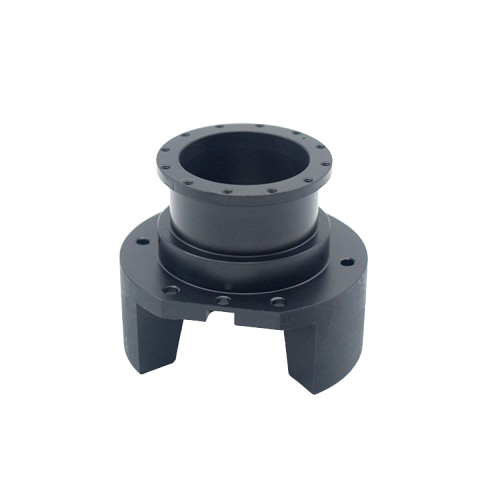





Common materials for metal 3D printing include stainless steel, titanium, aluminum alloys, Inconel and cobalt chrome, offering a wide range of properties like corrosion resistance and high strength.

Get instant quotes and fast-turn production for high-performance metal and Plastic parts. Yicen delivers complex, production-ready components using advanced metal additive manufacturing technologies, including DMLS and binder jetting, achieving tolerances down to ±0.1 mm with consistent, repeatable quality across prototypes and low- to mid-volume production runs.
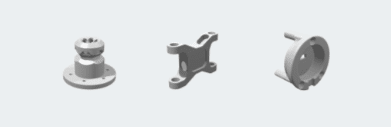
Yicenprecision Instant Quoting Engine is covered by U.S. Pat. Nos. 11,086,292, 11,347,201, 11,693,388, 11,698,623, 12,099,341, and 12,189,361. Other patents pending.
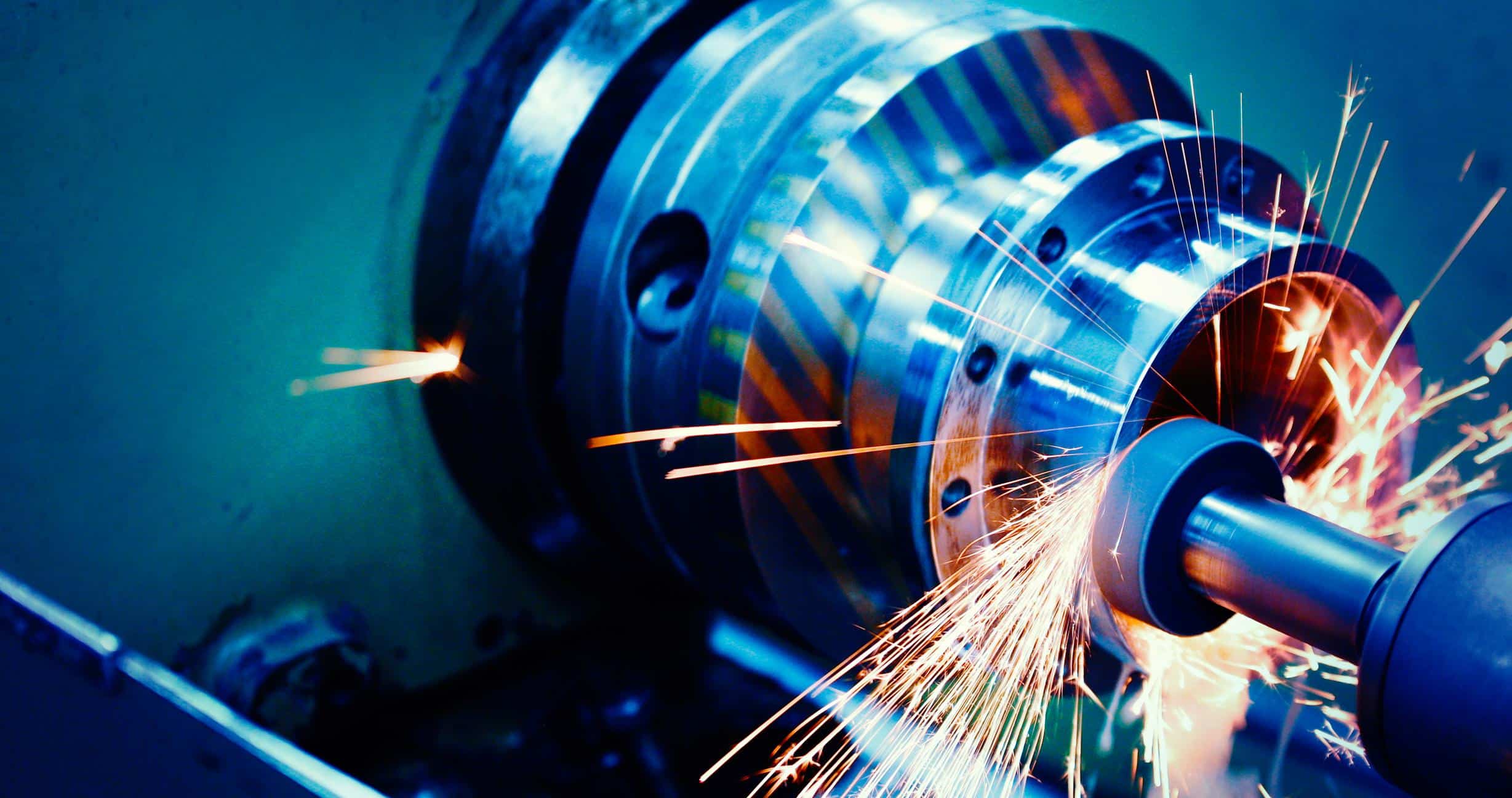
3D printing is an additive manufacturing process used to produce complex and accurate components by building parts layer by layer from digital CAD data. Instead of removing material like CNC machining, 3D printing forms parts directly from plastic or metal powders, filaments, or resins, enabling intricate geometries, internal features, and rapid iteration for both prototypes and production parts.
A 3D printer builds parts layer by layer from digital instructions, forming precise geometries by bonding each layer to the previous one.
A 3D CAD file is sliced into layers and converted into machine instructions that guide the printing process.
Different technologies are used based on material and application needs, from plastic prototyping to metal production parts.
We provide a range of advanced plastic and metal 3D printing technologies to support rapid prototyping and production-grade parts. Each process is selected based on material requirements, part complexity, accuracy, and end-use performance.
We offer a broad selection of plastic and metal materials for 3D printing, supporting prototypes through production-ready parts with consistent quality and performance.
| Aluminium Alloy | Description | Finishing Options | Applications |
|---|---|---|---|
| 6061 | Versatile and commonly used for structural applications. | Anodizing, Powder Coating, Polishing | Construction, Aerospace, Automotive |
| 7075 | High strength, ideal for aerospace and military applications. | Anodizing, Powder Coating, Polishing | Aerospace, Military, High-Strength Components |
| 2024 | Known for its high strength and excellent fatigue resistance. | Anodizing, Cladding, Painting | Aerospace, Military, Structural Components |
| 5052 | Good corrosion resistance and formability, used in marine and automotive applications. | Anodizing, Painting, Polishing | Marine, Automotive, Sheet Metal Work |
| 5083 | Exceptional performance in extreme environments, particularly marine applications. | Anodizing, Painting, Polishing | Marine, Chemical, Industrial |
| 6082 | Excellent extrudability, used for architectural and engineering applications. | Anodizing, Powder Coating, Polishing | Architecture, Engineering, Window Frames |
| 7050 | High strength and stress corrosion resistance, often used in aerospace. | Anodizing, Cladding, Painting | Aerospace, High-Stress Components |
| 1100 | Commercially pure aluminum, excellent corrosion resistance and workability. | Anodizing, Painting, Polishing | Chemical Equipment, Food Processing, Heat Exchangers |
| Brass Alloy | Description | Finishing Options | Applications |
|---|---|---|---|
| C260 | Cartridge brass, excellent for cold working. | Plating, Polishing, Lacquering | Ammunition, Heat Exchangers, Plumbing |
| C360 | Free machining brass, used for precision parts. | Plating, Polishing, Lacquering | Precision Machined Parts, Fasteners, Plumbing |
| C353 | High leaded brass, high strength, used in plumbing. | Plating, Polishing, Lacquering | Plumbing, Fasteners, Valve Components |
| C385 | Architectural bronze, applications for its decorative appeal. | Plating, Polishing, Lacquering | Architectural Trim, Ornamental Hardware, Plumbing |
| C272 | Yellow brass, excellent corrosion resistance, used in electrical components. | Plating, Polishing, Lacquering | Electrical Components, Fasteners, Plumbing |
| Copper Alloy | Description | Finishing Options | Applications |
|---|---|---|---|
| C101 | Oxygen-free, high conductivity, used in electrical applications. | Plating, Polishing, Lacquering | Electrical Conductors, Switches, Terminals |
| C110 | Electrolytic tough pitch, highly conductive, used in electrical and plumbing. | Plating, Polishing, Lacquering | Electrical Wiring, Plumbing, Busbars |
| C122 | Phosphorus-deoxidized, used in heat exchangers and radiators. | Plating, Polishing, Lacquering | Heat Exchangers, Radiators, Plumbing |
| C172 | Beryllium copper, high strength, used in aerospace and oil drilling. | Plating, Polishing, Lacquering | Aerospace, Oil Drilling, Springs |
| C194 | High conductivity, used in automotive and electrical applications. | Plating, Polishing, Lacquering | Automotive Connectors, Electrical Connectors, Springs |
| C210 | Low brass, good ductility and strength, used in fasteners and hardware. | Plating, Polishing, Lacquering | Fasteners, Hardware, Musical Instruments |
| C220 | Commercial bronze, used in jewelry and musical instruments. | Plating, Polishing, Lacquering | Jewelry, Musical Instruments, Architectural Hardware |
| C230 | Red brass, used in architectural applications and hardware. | Plating, Polishing, Lacquering | Architectural Applications, Hardware, Plumbing |
| Grade | Description | Finishing Options | Applications |
|---|---|---|---|
| 301 | Excellent machinability, used for making automotive parts bolts, nuts, and screws. | Polishing, Passivation, Bead blasting | Used for making automotive parts, bolts, nuts, and screws. |
| 304 | Most versatile and widely used stainless steel, used in kitchen equipment tanks, piping, and tubing. | Polishing, Brushing, Passivation | Used in kitchen equipment, tanks, piping, and tubing. |
| 304L | Low carbon version of 304, used for chemical containers and transport. | Electropolishing, Passivation, Bead blasting | Used for chemical containers and transport. |
| 316 | Contains molybdenum for increased corrosion resistance, used in marine applications and chemical processing equipment. | Polishing, Passivation, Bead blasting | Used in marine applications and chemical processing equipment. |
| 316L | Low carbon version of 316, used for surgical instruments and marine hardware. | Electropolishing, Passivation, Bead blasting | Used for surgical instruments and marine hardware. |
| 410 | Martensitic grade, used for fasteners and medical instruments. | Hardening, Polishing, Passivation | Used for fasteners and medical instruments. |
| 416 | High machinability, used for gears, shafts, and valves. | Polishing, Passivation, Bead blasting | Used for gears, shafts, and valves. |
| 420 | High hardness, used for surgical instruments and cutlery. | Hardening, Polishing, Passivation | Used for surgical instruments and cutlery. |
| 430 | Ferritic grade, used for automotive trim and dishwashers. | Polishing, Brushing, Passivation | Used for automotive trim and dishwashers. |
| Steel Alloy | Description | Finishing Options | Applications |
|---|---|---|---|
| 4140 | Chromium-molybdenum steel with high toughness and good fatigue strength. | Heat Treating, Anodizing, Powder Coating | Gears, Shafts, High-Stress Components |
| 4340 | Nickel-chromium-molybdenum steel with excellent toughness and strength. | Heat Treating, Anodizing, Powder Coating | Aircraft Landing Gear, Automotive Parts, Heavy Duty Shafts |
| 8620 | Nickel-chromium-molybdenum alloy steel, case hardening steel. | Carburizing, Heat Treating, Plating | Gears, Pins, Automotive Parts |
| 1018 | Low carbon steel, good weldability and machinability. | Painting, Powder Coating, Galvanizing | Structural Applications, Shafts, Spindles |
| 1045 | Medium carbon steel, high strength and impact resistance. | Heat Treating, Plating, Painting | Gears, Shafts, Machinery Parts |
| 4130 | Chromium-molybdenum alloy steel, good strength and toughness. | Heat Treating, Anodizing, Powder Coating | Aircraft Components, Bicycle Frames, Automotive Parts |
| 1210 | Low carbon steel, good formability and weldability. | Galvanizing, Painting, Powder Coating | Automotive Parts, Machinery Components, Structural Steel |
| 17-4 PH | Precipitation-hardening stainless steel, high strength and hardness. | Heat Treating, Anodizing, Passivation | Aerospace Components, High-Strength Applications |
| Titanium Alloy | Description | Finishing Options | Applications |
|---|---|---|---|
| Grade 1 | Commercially pure titanium, excellent corrosion resistance and formability. | Anodizing, Polishing, Sandblasting | Chemical Processing, Marine, Medical |
| Grade 2 | Commercially pure titanium, balance of strength and ductility. | Anodizing, Polishing, Sandblasting | Aerospace, Medical, Marine |
| Grade 5 (Ti-6Al-4V) | Most commonly used titanium alloy, high strength and light weight. | Anodizing, Polishing, Heat Treating | Aerospace, Medical Implants, Marine |
| Grade 9 | Titanium alloy with good weldability and cold formability. | Anodizing, Polishing, Sandblasting | Aerospace, Chemical Processing, Marine |
| Grade 23 (Ti-6Al-4V ELI) | Extra-low interstitial variant of Grade 5, high strength and toughness. | Anodizing, Polishing, Heat Treating | Medical Implants, Aerospace, Marine |
| Grade 7 | Commercially pure titanium with excellent corrosion resistance. | Anodizing, Polishing, Sandblasting | Chemical Processing, Marine, Medical |
| Grade 12 | Titanium alloy with excellent corrosion resistance and strength. | Anodizing, Polishing, Heat Treating | Chemical Processing, Marine, Aerospace |
| Plastic Material | Description | Finishing Options | Applications |
|---|---|---|---|
| ABS | Acrylonitrile Butadiene Styrene, good impact resistance and toughness. | Painting, Plating, Sanding | Automotive Parts, Consumer Products, Enclosures |
| PC | Polycarbonate, high impact resistance and transparency. | Polishing, Sandblasting, Painting | Optical Discs, Safety Equipment, Automotive Parts |
| PMMA | Polymethyl Methacrylate (Acrylic), excellent optical clarity and weather resistance. | Polishing, Sanding, Painting | Displays, Lenses, Lighting Fixtures |
| POM | Polyoxymethylene (Delrin/Acetal), high stiffness and low friction. | Machining, Sanding, Polishing | Gears, Bearings, Medical Devices |
| PEEK | Polyetheretherketone, high temperature and chemical resistance. | Machining, Sanding, Polishing | Aerospace, Medical Implants, Semiconductor Parts |
| PP | Polyphenylene , high mechanical and thermal properties. | Machining, Sanding, Polishing | Automotive, Electrical Components, Industrial Applications |
| PA66 | Polyamide (Nylon 66), high mechanical strength and rigidity. | Machining, Sanding, Polishing | Mechanical Parts, Automotive, Electrical Insulation |
| PEI | Polyetherimide (Ultem), high strength and excellent electrical properties. | Machining, Sanding, Polishing | Aerospace, Medical Devices, Electrical Components |
| SAN | Styrene Acrylonitrile, good chemical resistance and transparency. | Machining, Sanding, Polishing | Housewares, Cosmetic Containers, Automotive Parts |
| HIPE | High Impact Polystyrene, good impact resistance and machinability. | Machining, Sanding, Painting | Packaging, Consumer Products, Electrical Insulation |
| HIPD | High Impact Polypropylene, high impact resistance and low density. | Machining, Sanding, Painting | Automotive Parts, Industrial Applications, Consumer Goods |
| Fiber-Reinforced Materials | Composite materials with enhanced mechanical properties. | Machining, Sanding, Painting | Aerospace, Automotive, Sporting Goods |
3D printing tolerances depend on the selected technology, material, and part geometry. The table below outlines typical achievable tolerances across common 3D printing processes.
| 3D Printing Technology | Typical Tolerance Range | Notes |
|---|---|---|
| FDM (Fused Deposition Modeling) | ±0.2 – ±0.5 mm | Suitable for functional prototypes and large parts |
| SLA (Stereolithography) | ±0.05 – ±0.15 mm | High detail and smooth surface finish |
| SLS (Selective Laser Sintering) | ±0.1 – ±0.3 mm | Strong, isotropic nylon parts |
| MJF (Multi Jet Fusion) | ±0.1 – ±0.2 mm | Consistent accuracy for production parts |
| PolyJet | ±0.05 – ±0.1 mm | Excellent detail and dimensional accuracy |
| DMLS / SLM (Metal) | ±0.1 – ±0.3 mm | Secondary machining recommended for tight fits |
| Metal Binder Jetting | ±0.2 – ±0.5 mm | Final accuracy depends on sintering process |
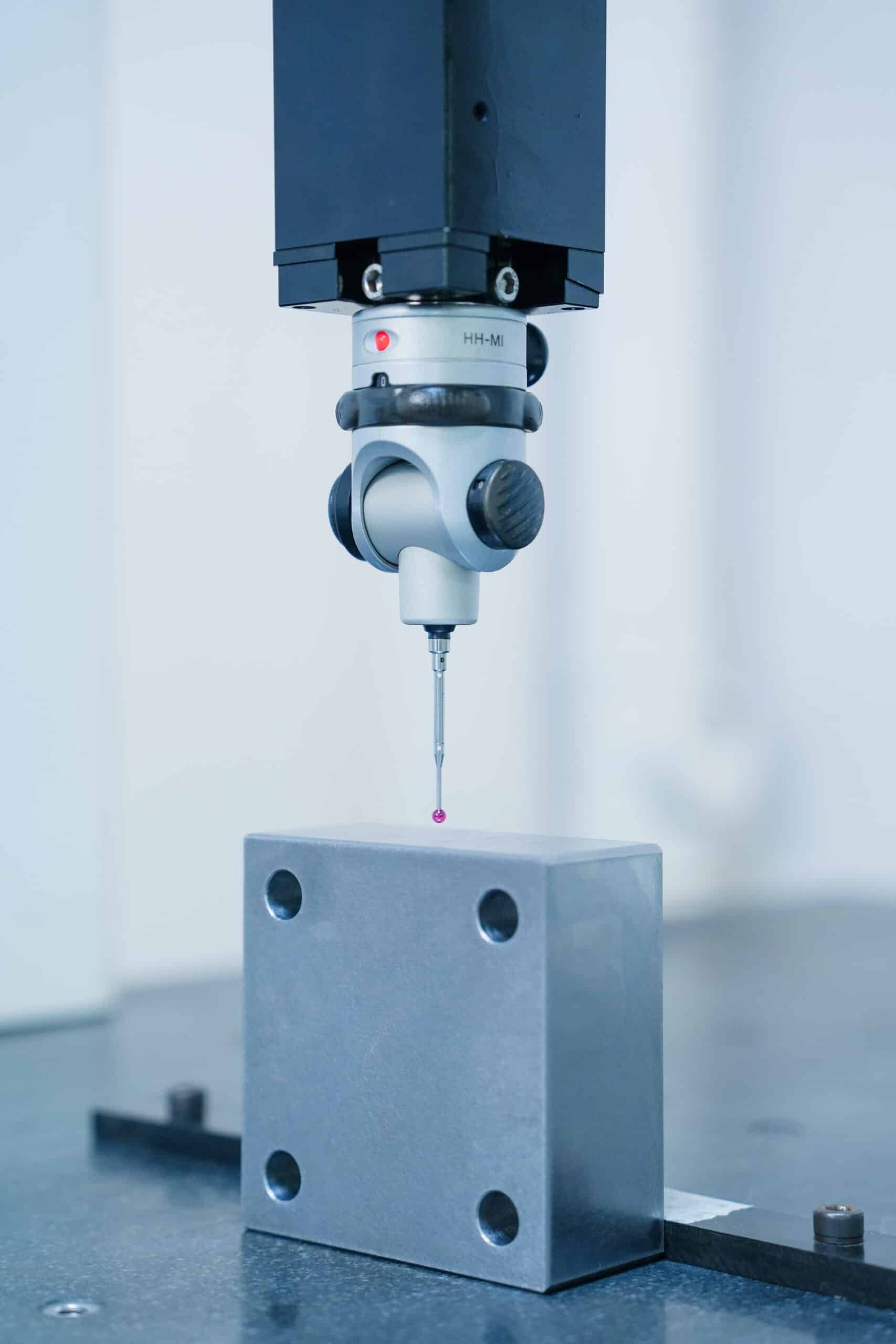
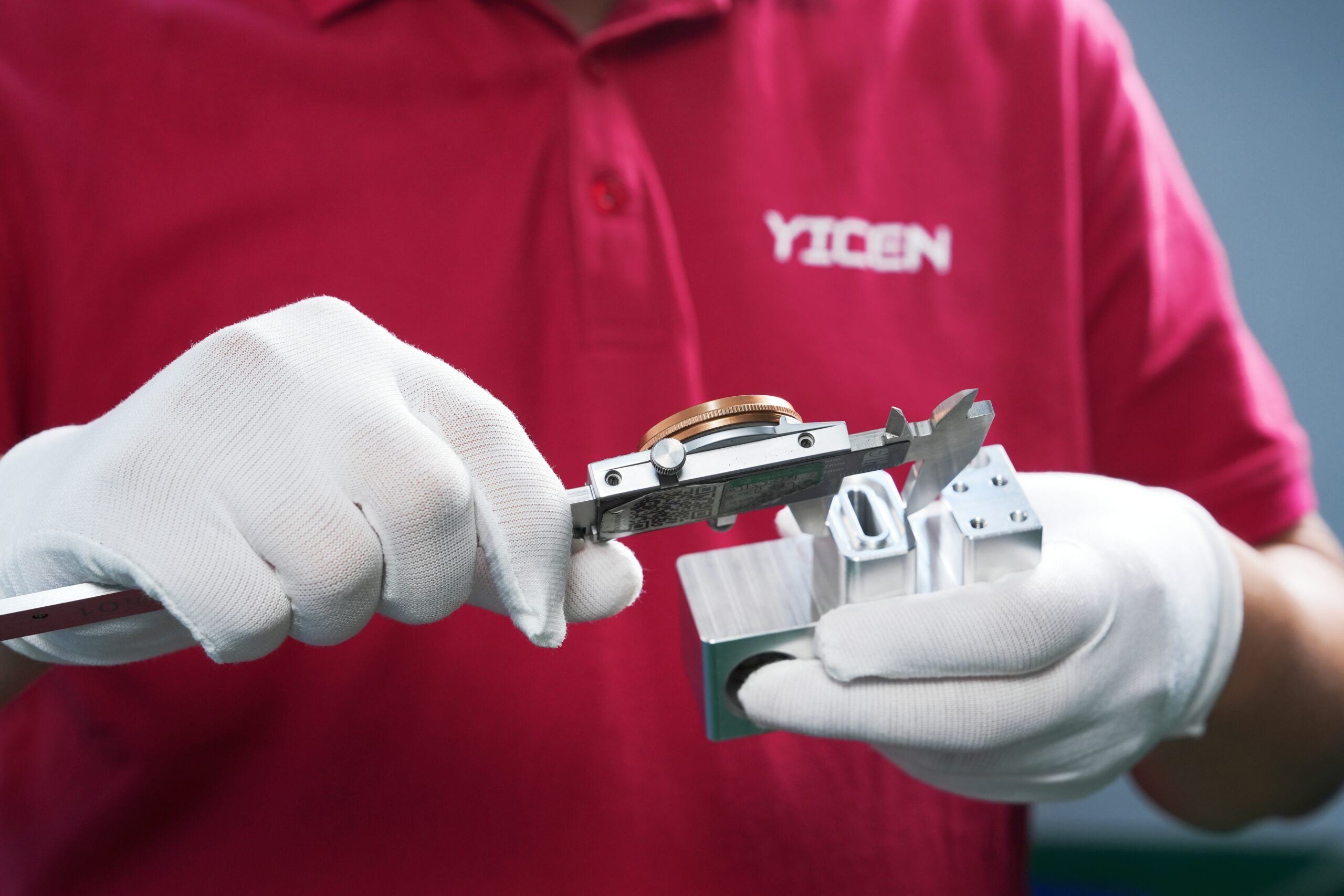
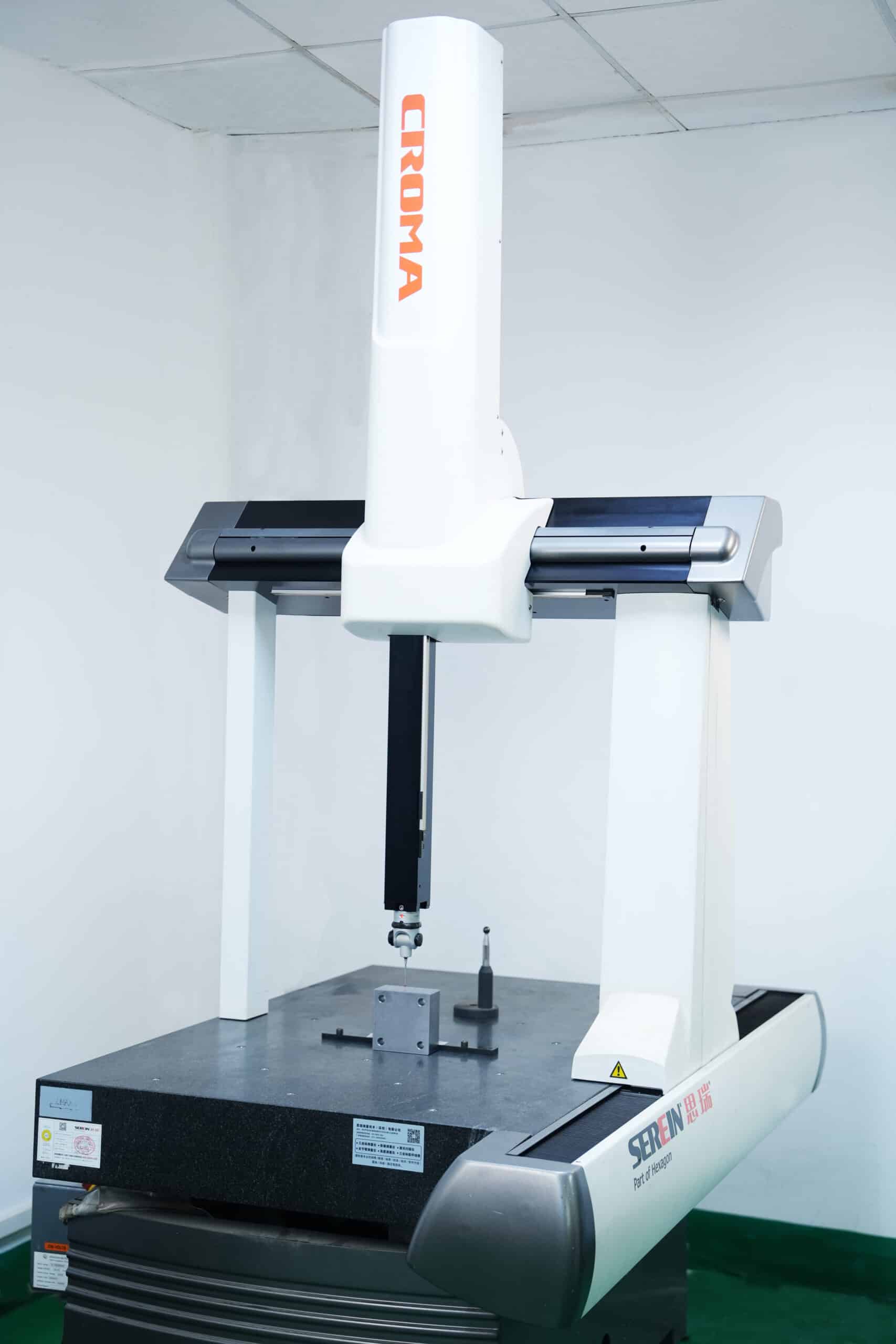
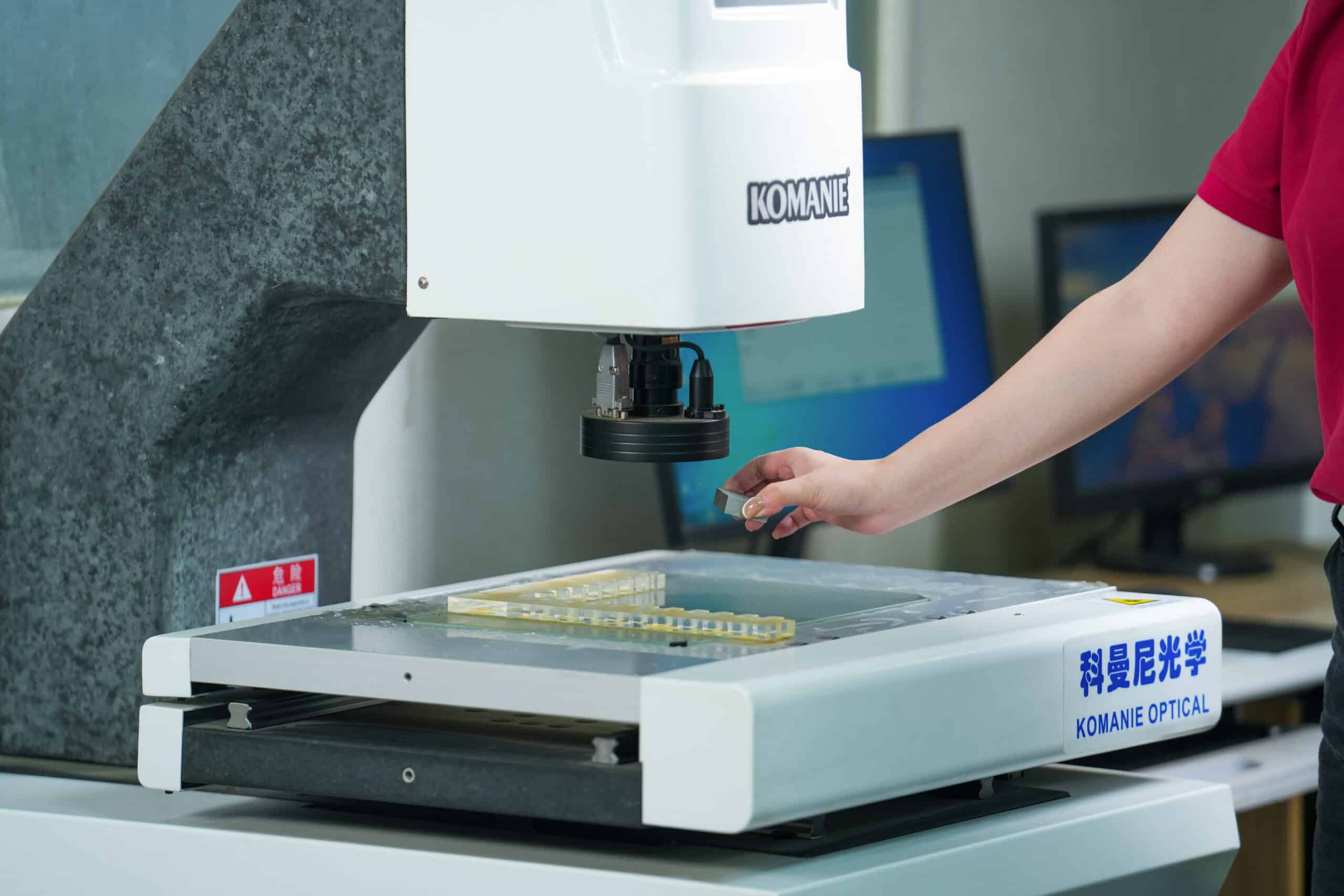
Every turned part is inspected using certified metrology workflows to ensure dimensional accuracy, surface integrity, and repeatable performance across all production volumes.
CMM inspection for critical datums, diameters, roundness, and concentricity
Bore gauges, micrometers, and height systems for fast in-process checks
Supports tight-tolerance features down to ±0.001 in (±0.025 mm)
Surface roughness checks (Ra 3.2 μm standard; Ra 0.8 μm optional)
Runout and concentricity measurement for rotational components
Compliance with turning-specific finishing standards
Inspection aligned with ISO 2768-mK and ASME Y14.5
Verification of profile, position, perpendicularity, parallelism, circularity
Ensures geometric stability under real machining conditions
FAI reports, material certificates (MTRs), and CMM data available
Lot tracking for aerospace, medical, and industrial requirements
Secure record-keeping for full audit trail and quality compliance
Surface finishing is an important part of precision CNC machining. It provides liveliness, resistance to corrosion, wear, and physical look with close dimensional capabilities. The most commonly used surface finishing options in precision components are as discussed below.
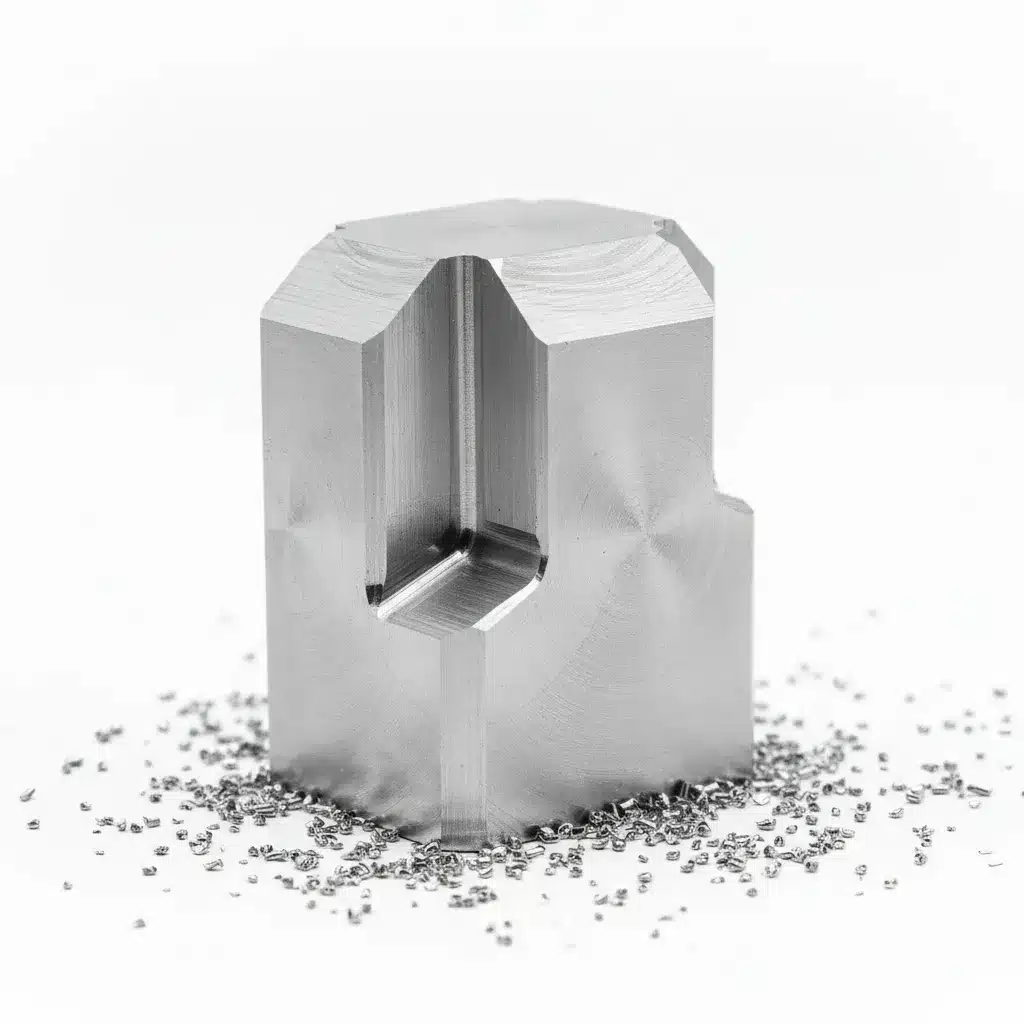
The first machining of CNC where the tool imprints can still be seen on the surface. This coating is applied to useful items that need accuracy and appearance is not critical.
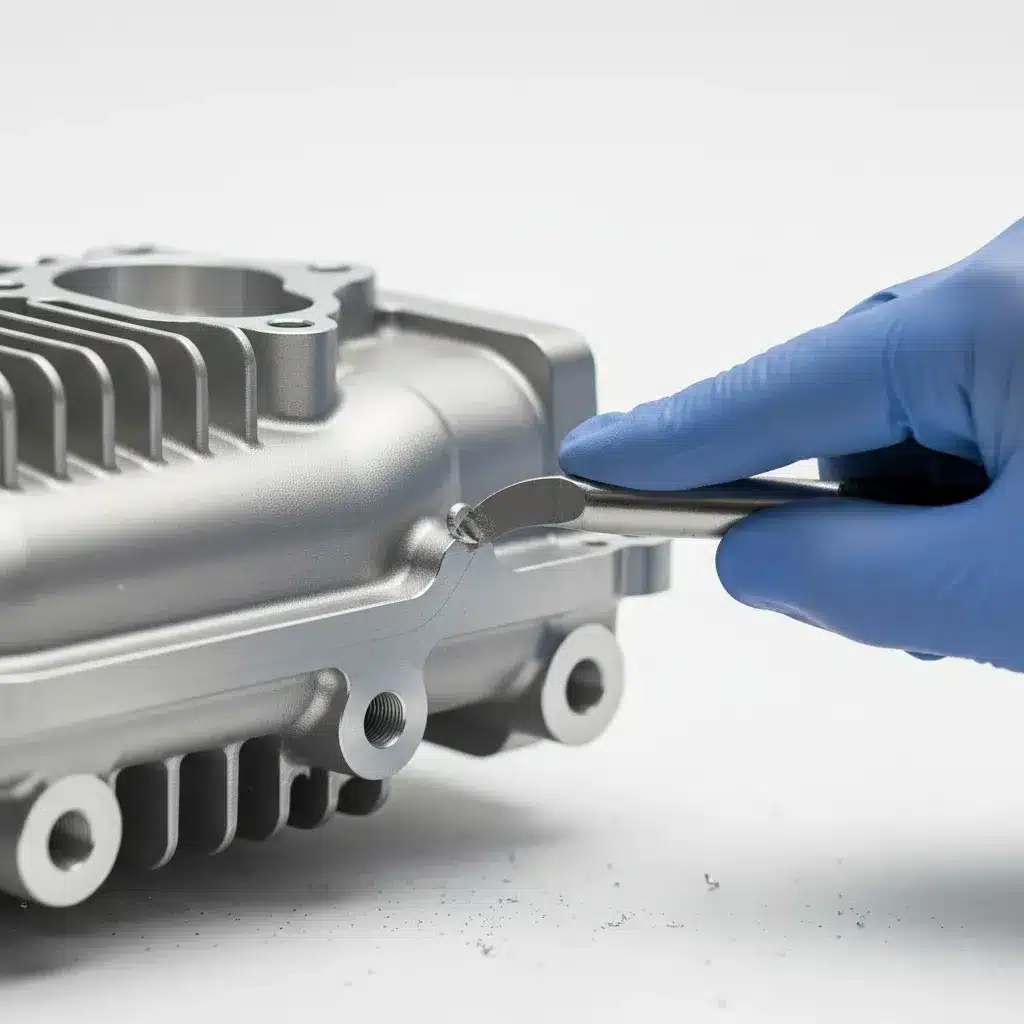
Prior to proceeding to additional finishing processes, sharp edges and burrs which arise during machining are eliminated to enhance safety, accuracy and surface quality.
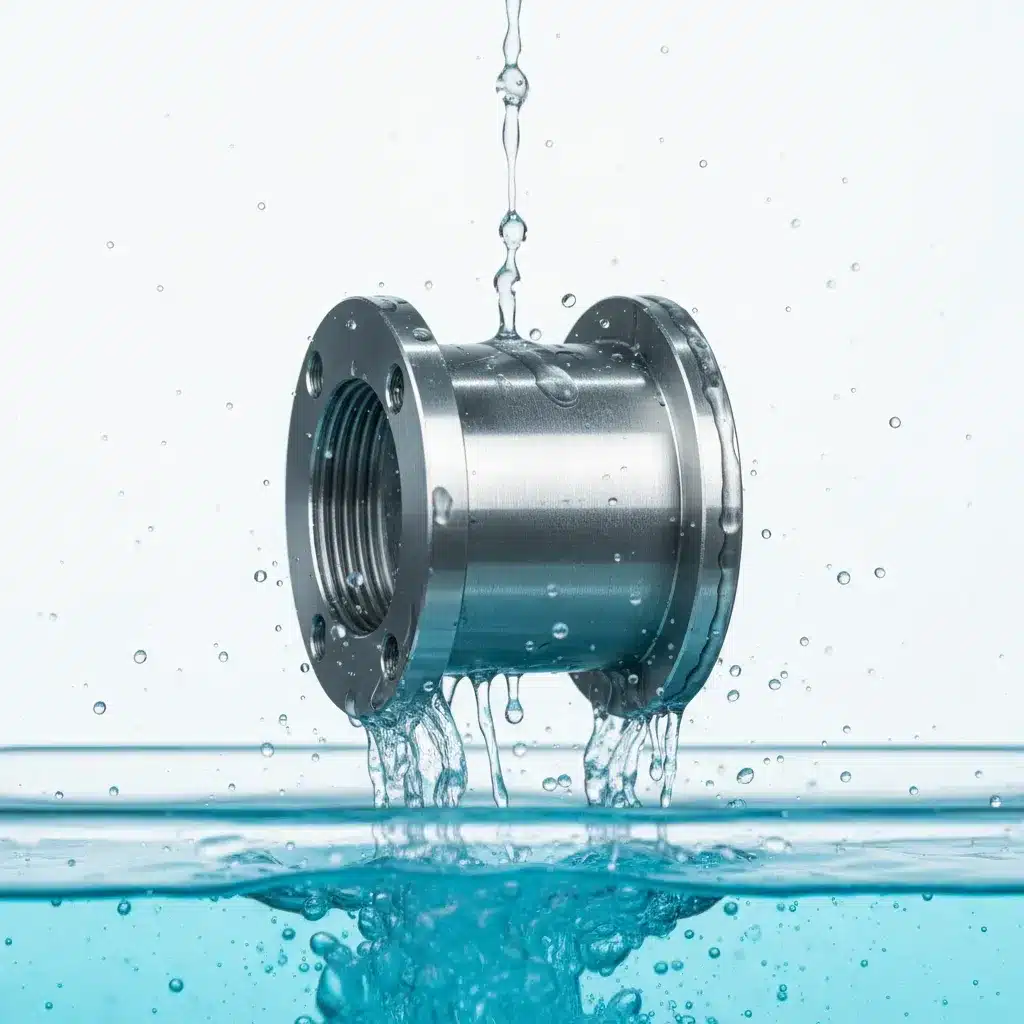
The section is also washed exhaustively to eliminate the oil, coolant, dust, and contaminants. When properly cleaned, adhesion and even finishing result is guaranteed.
The surface is ready as per the needed finish. This can be through light sanding, grinding or pre-treatment so that the results can be uniform.
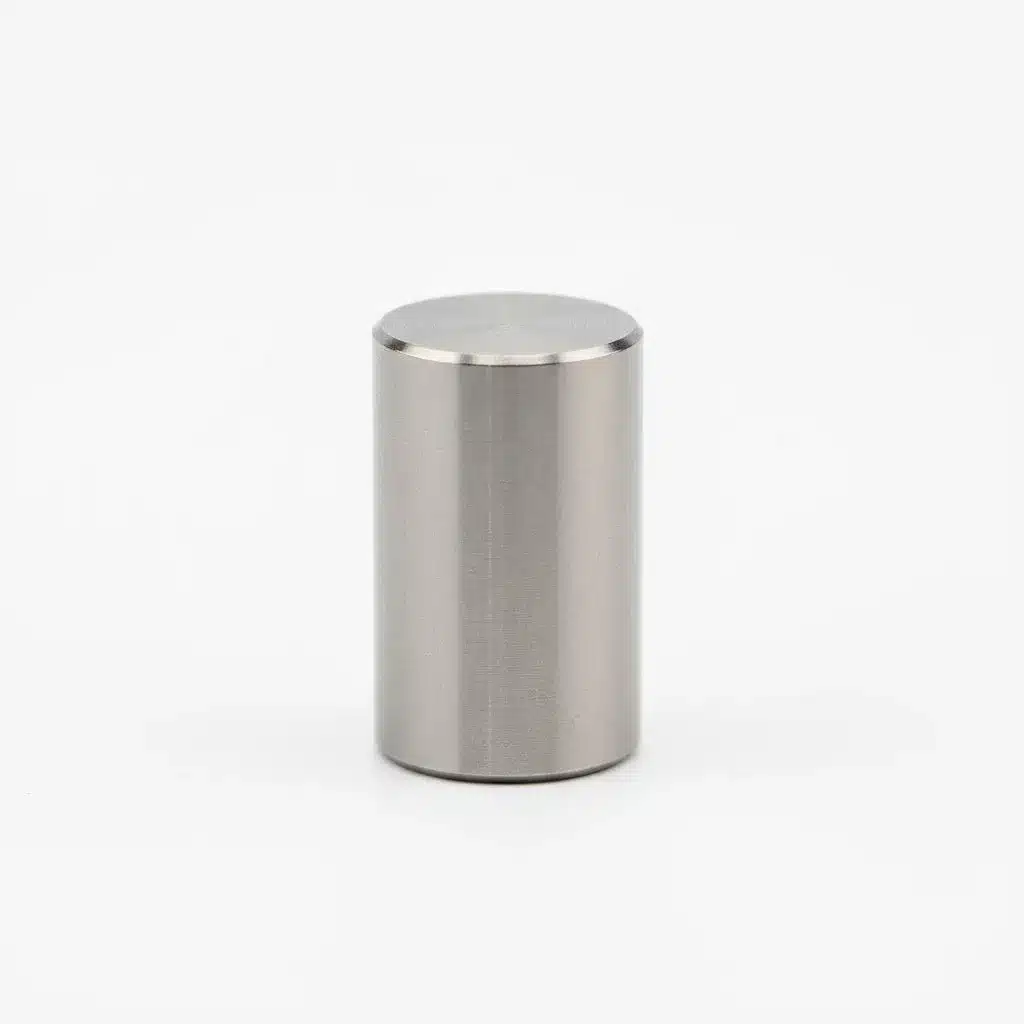
Blasting, brushing or polishing of the bead is done to enhance the texture, smoothness or physical looks.
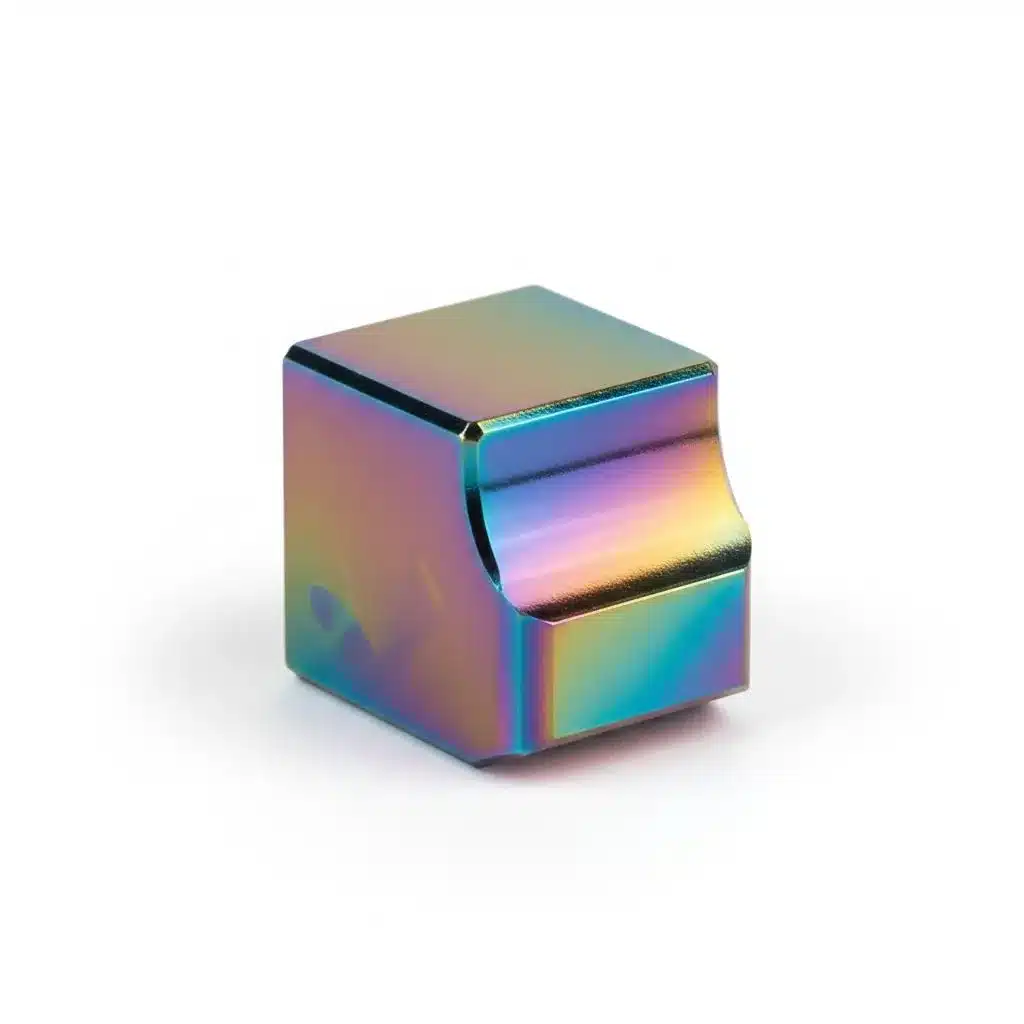
In order to increase corrosion resistance, wear resistance, and durability, protective or decorative treatments are used, such as anodizing, powder coating, passivation, or plating.
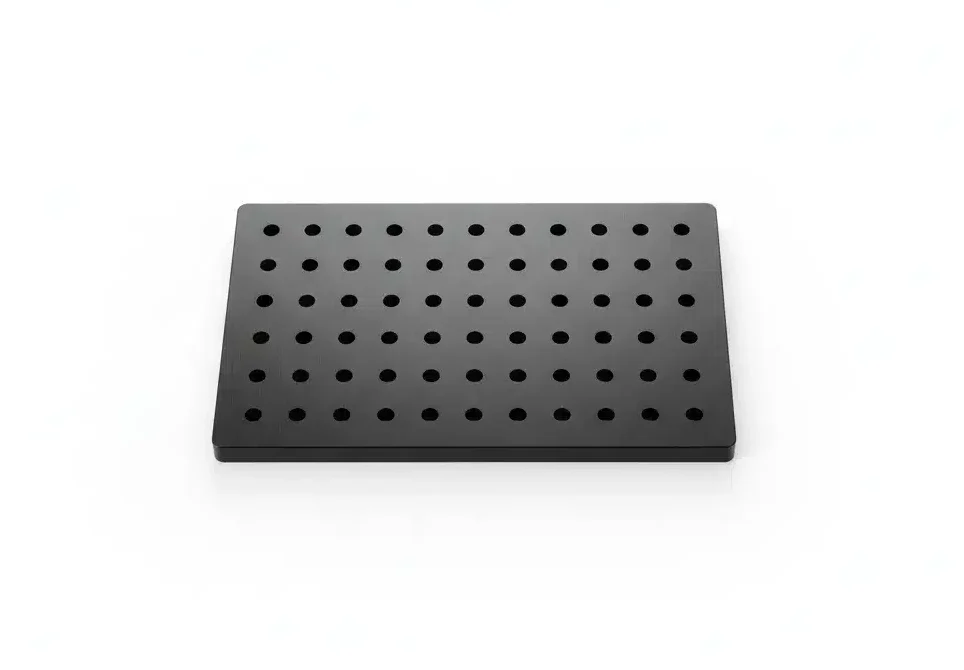
Manufactured components are checked on roughness on the surface, the thickness of the coating, color uniformity, and precision to check that they are within specification.
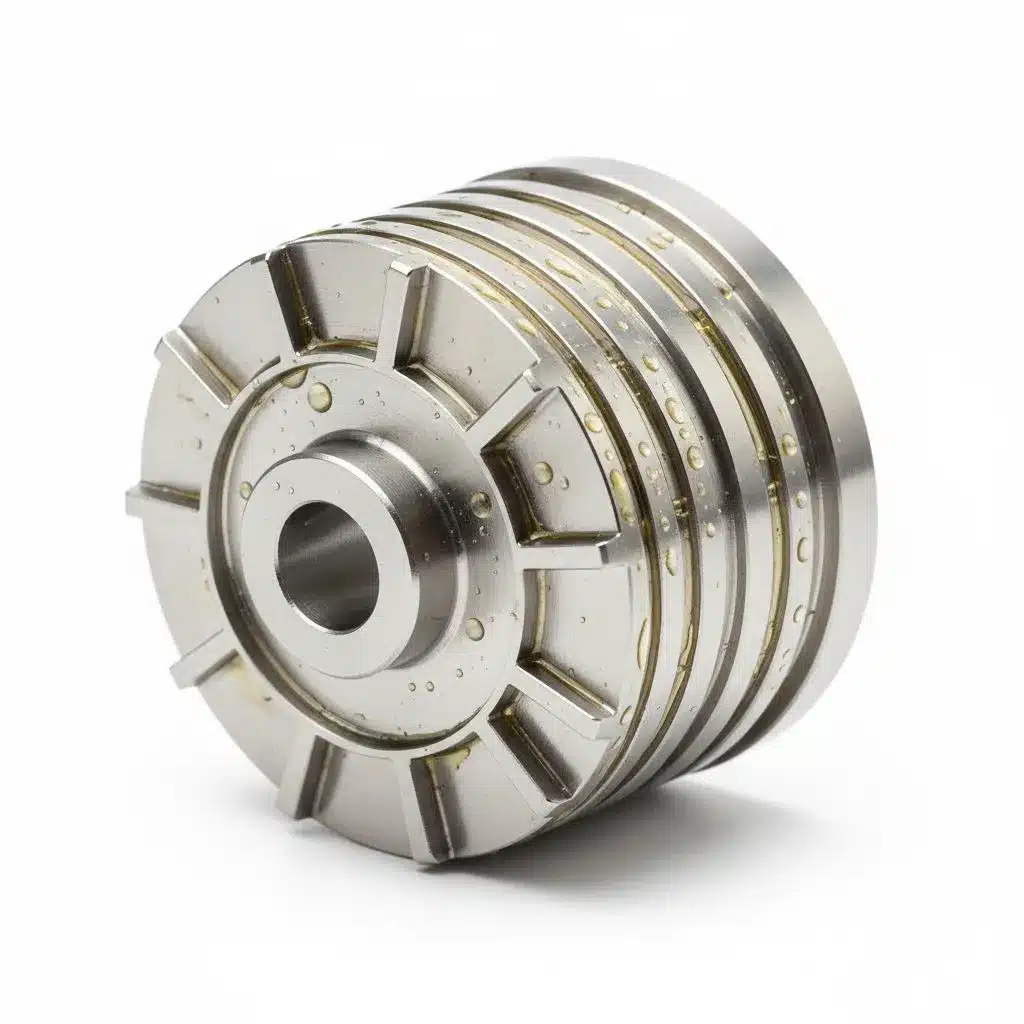
On inspection, protective steps may be taken using anti-corrosion oil, protective film, or temporary coating that ensures that the quality of the surface remains good during its storage or transportation.
Effective design choices help reduce machining time, improve accuracy, and maintain stable part geometry during 3d printing.
| Design Parameter | Recommended Guideline | Notes |
|---|---|---|
| Minimum Wall Thickness | 0.8 – 1.5 mm | Depends on material and printing technology |
| Minimum Feature Size | 0.5 – 1.0 mm | Fine details vary by process (SLA allows smaller features) |
| Minimum Hole Diameter | ≥ 1.0 mm | Small holes may require post-drilling for accuracy |
| Tolerance Allowance | ±0.1 – ±0.3 mm | Varies by technology, material, and part size |
| Clearance Between Features | ≥ 0.3 – 0.5 mm | Required for moving or mating parts |
| Overhang Angle | ≤ 45° without supports | Exceeding this typically requires support structures |
| Support Structures | Required for complex geometries | Support needs vary by process (SLS often support-free) |
| Part Orientation | Optimize for strength & accuracy | Orientation affects surface finish and mechanical properties |
| Sharp Corners | Avoid sharp internal corners | Add fillets to reduce stress and improve print quality |
| Post-Processing Allowance | Leave extra material if needed | Required for machining, polishing, or fitting |
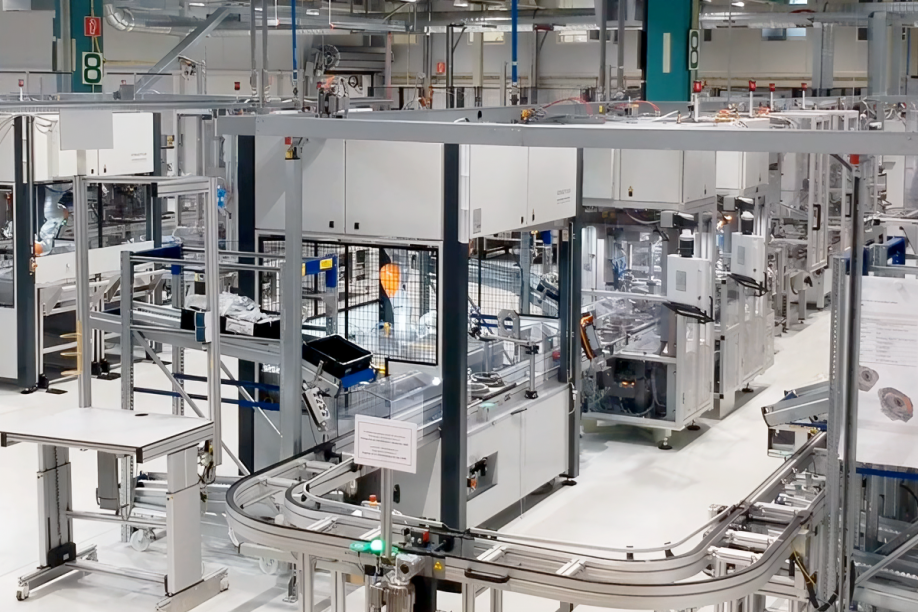
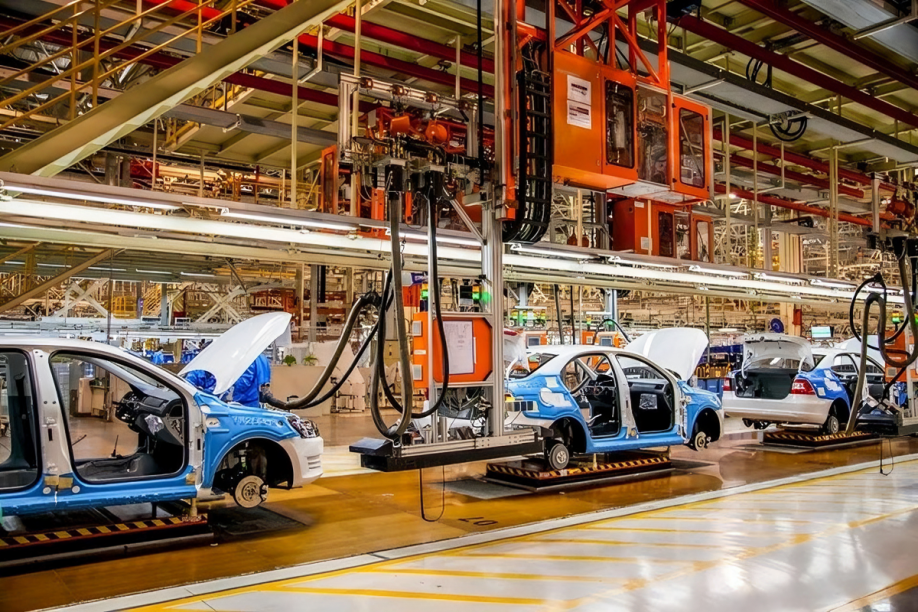
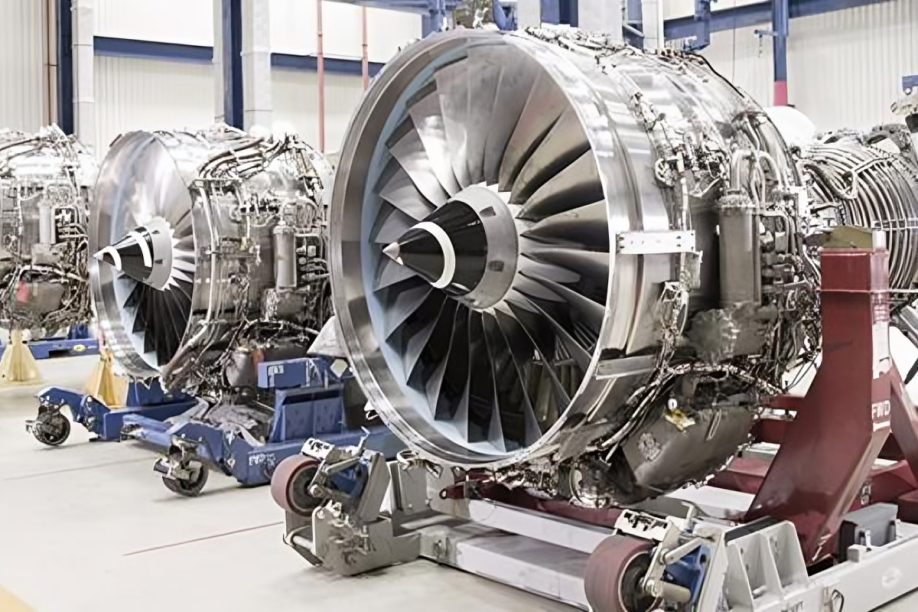
Yicen Precision is serving a broad spectrum of industries, covering aerospace, automotive, electronics, medical, and more. We specialize in providing high-quality, reliable parts tailored to meet the unique engineering challenges of each industry.
Easily upload your CAD files through our secure online platform to get started.
Choose your material, finish, tolerances, and preferred lead time to match your project needs.
Receive a real-time quote based on your design and selected specifications, no delays.
Your parts are manufactured by trusted partners, quality-checked, and delivered to your door on time.
Advantages
3D printing offers flexible, efficient manufacturing for prototypes and production parts, enabling faster development and complex designs without tooling.
Applications
3D printing is widely used across industries to manufacture prototypes, functional components, and production-ready parts.
We specialize in converting your ideas into high-quality, functional components with unparalleled speed and accuracy. With advanced technology and expert craftsmanship, we create parts that meet the most complex specifications.
What materials are used in metal 3D printing?
Common materials for metal 3D printing include stainless steel, titanium, aluminum alloys, Inconel and cobalt chrome, offering a wide range of properties like corrosion resistance and high strength.
Can metal 3D printing be used for high-temperature applications?
Yes, certain metal alloys used in 3D printing, such as Inconel 718 and Stainless Steel 316L, are suitable for high-temperature environments, making them ideal for aerospace and industrial applications.
What are the typical lead times for metal 3D printing?
Lead times typically range from 3-10 days for prototypes and 2-4 weeks for production runs, depending on the part complexity, material, and finish required.
Is metal 3D printing suitable for production?
Yes, metal 3D printing is ideal for both low-volume production and custom, complex parts. It offers fast turnaround times and flexibility compared to traditional manufacturing methods.
What tolerances can metal 3D printing achieve?
Metal 3D printing typically achieves tolerances of ±0.1 mm. For high-precision parts, post-processing can further refine the dimensions to meet stricter requirements.
 English
  French
  Spanish
  Japanese
  German
  Portuguese