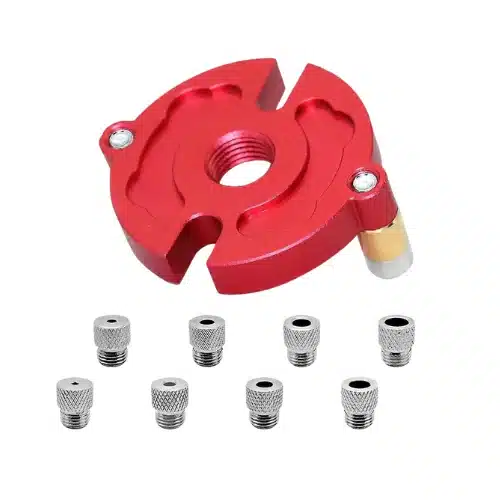
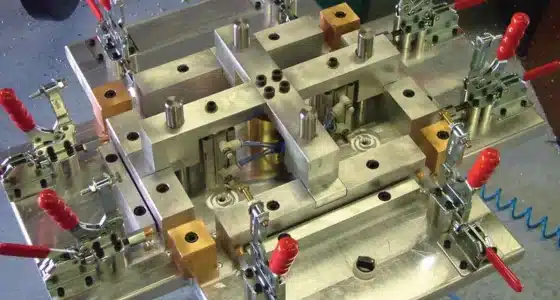
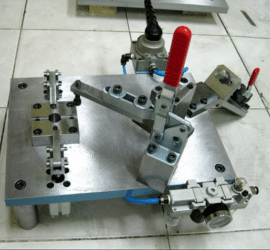


Custom Jig & Fixture Design Services

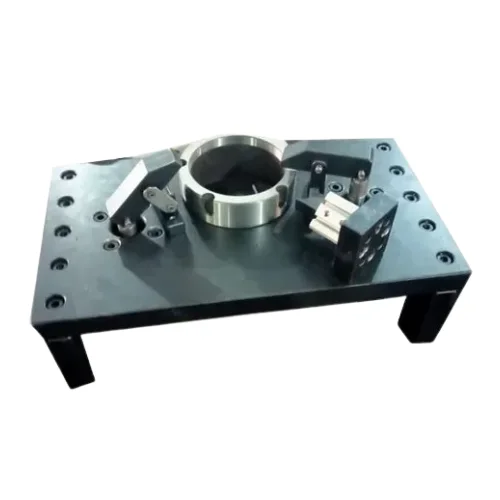
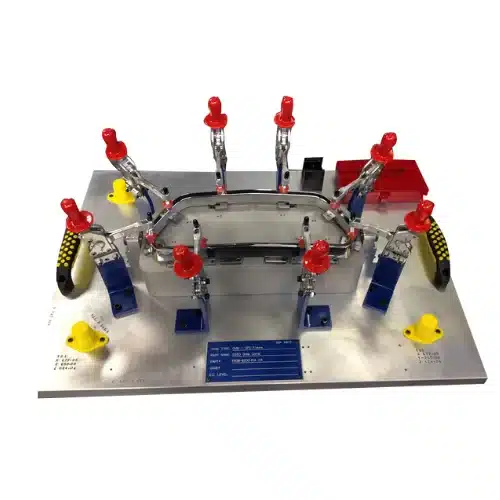
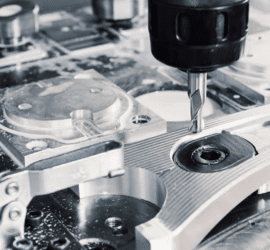
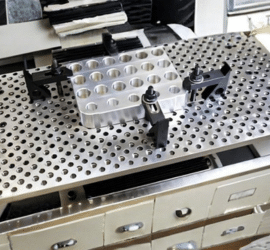
Yicen Precision ist spezialisiert auf custom jigs and fixtures konzipiert für high-precision machining, welding, assembly, and inspection workflows.
Unser jig and fixture design process ensures tight tolerances, repeatable accuracy, and stable part positioning across every production cycle.
ISO 9001:2015 | AS9100D | ISO 13485 | ITAR compliant.

cnc

Ein neues CNC-Angebot starten

ISO 9001:2015 | AS9100D | ISO 13485 | ITAR compliant.

Die Yicenprecision Instant Quoting Engine ist durch die U.S. Pat. Nr. 11,086,292, 11,347,201, 11,693,388, 11,698,623, 12,099,341, und 12,189,361. Weitere Patente anhängig.

High-Precision Jigs & Fixtures for Manufacturing Efficiency

Unser jigs and fixtures improve accuracy, repeatability, and workflow efficiency across complex manufacturing environments.
Each design enhances stability, minimizes operator variation, and delivers consistent output in machining, welding, and inspection operations.

Engineered for:

High dimensional accuracy & GD&T compliance

Repeatable positioning across long production runs

Faster cycle times and lower takt time

Reduced operator error and downtime

Trusted by automotive, aerospace, and robotics industries

Jig & Fixture Design Capabilities

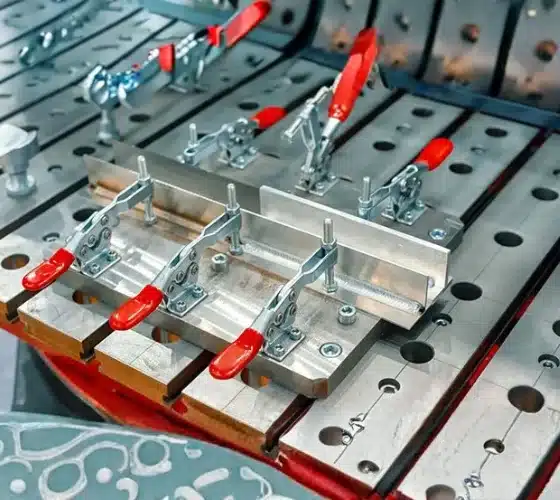
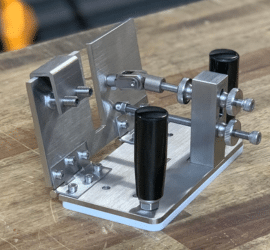
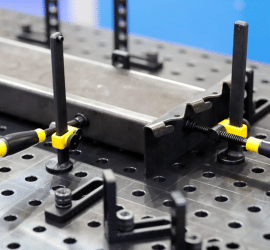
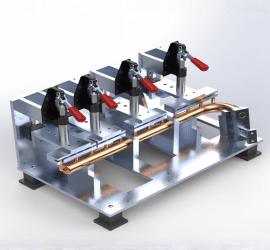
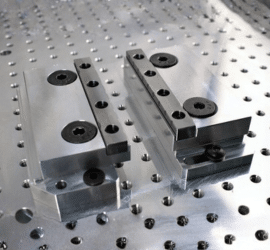
We engineer precision jigs and fixtures that support tight-tolerance machining, welding, and assembly Operationen.
Every fixture is built for rigidity, repeatability, and ergonomic usability — ensuring reliable performance in real production environments.

Benefits of Jigs & Fixtures Tooling

Benutzerdefiniert jig and fixture tooling delivers measurable performance improvements by removing variability and stabilizing your manufacturing process.

ParameterSpezifikation
Improved Accuracy & Dimensional Control– Maintains fixed datums and consistent location.
Faster Cycle Times– Optimized layout reduces setups and increases throughput.
Reduced Operator Dependency– Built-in foolproofing and guided positioning.
Consistent Repeatability– Stable alignment for long production runs.
Lower Production Costs– Fewer rejects, faster takt time, and less downtime.
Higher Throughput– Supports faster part changeovers and continuous operation.

Our Jig & Fixture Design Process

Requirement Gathering

We analyze part geometry, tolerance stack-ups, and fixture load conditions, identifying all necessary jig and fixture components based on the 3-2-1 principle of location.

Concept Design & Drafting

Initial layouts define locating points, clamping strategy, ergonomics, and operator access.

3D Modeling & Simulation

FEA and motion analysis in SolidWorks, CATIA, or NX validate rigidity, locator repeatability, and clamp forces.

Structural & Tolerance Analysis

We assess fixture stiffness, parallelism, and deflection under real machining or welding conditions

Prototyping / Pilot Build

Rapid 3D printed jigs and fixtures are used for ergonomic validation and design optimization before full build.

QC Testing & Validation

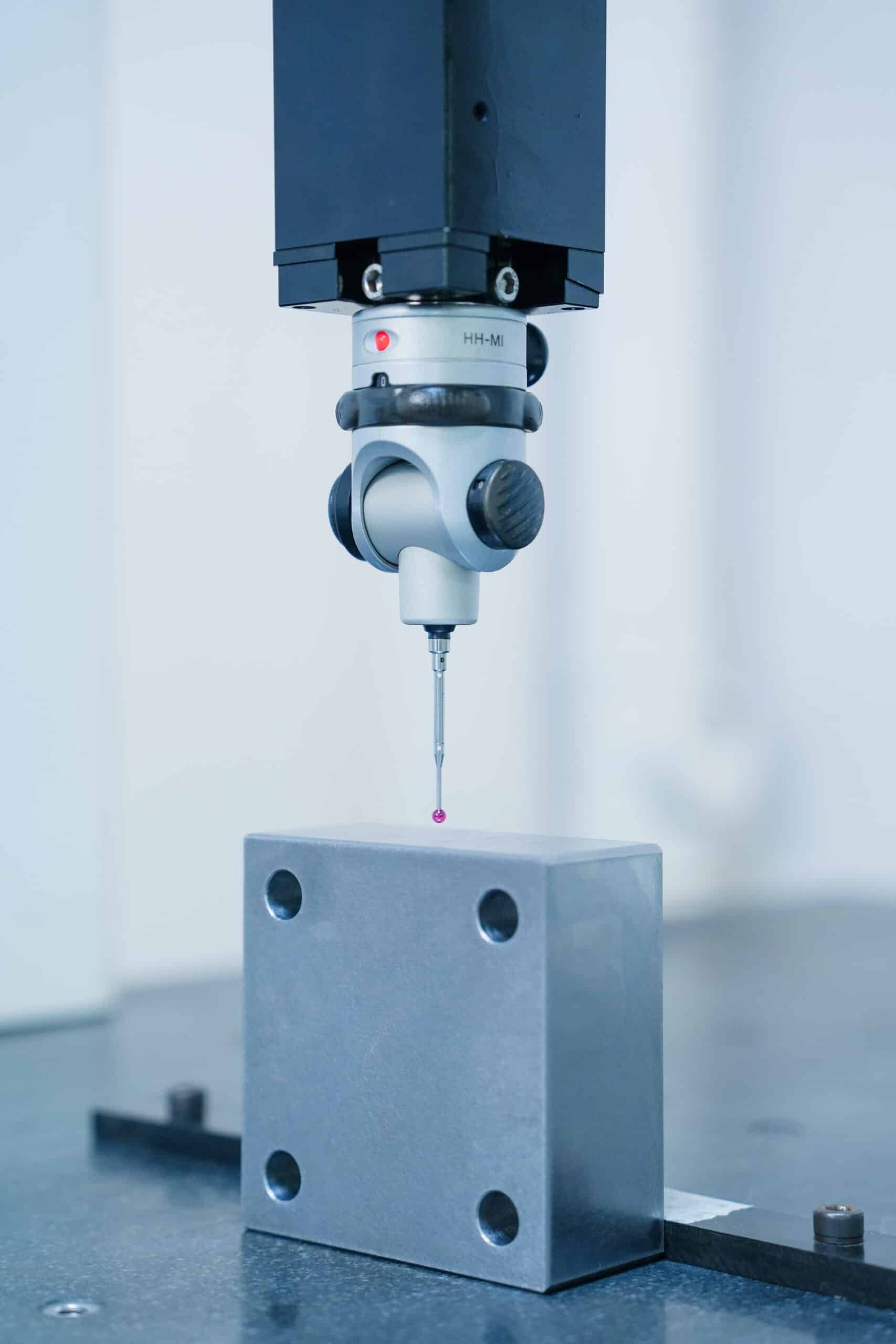
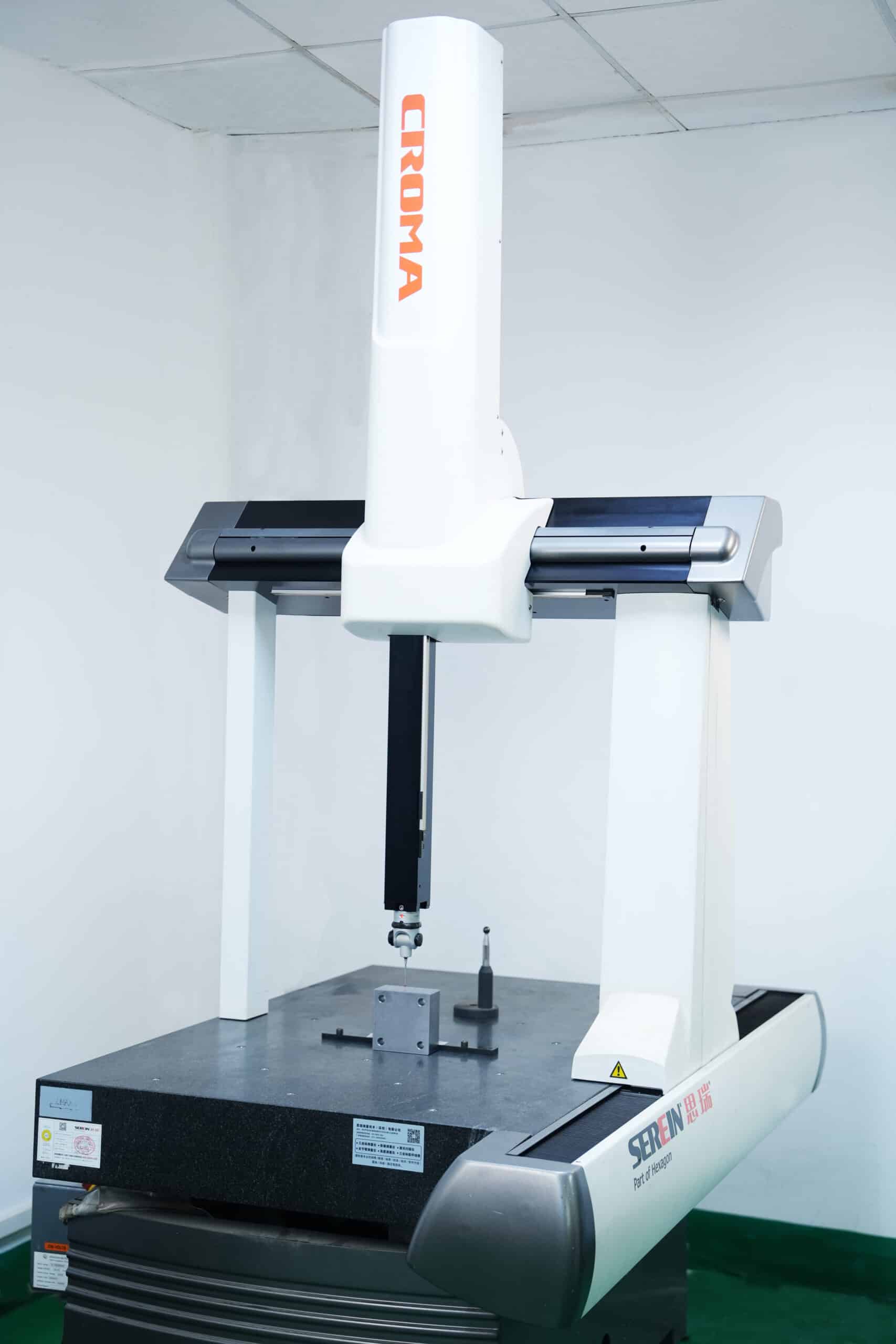
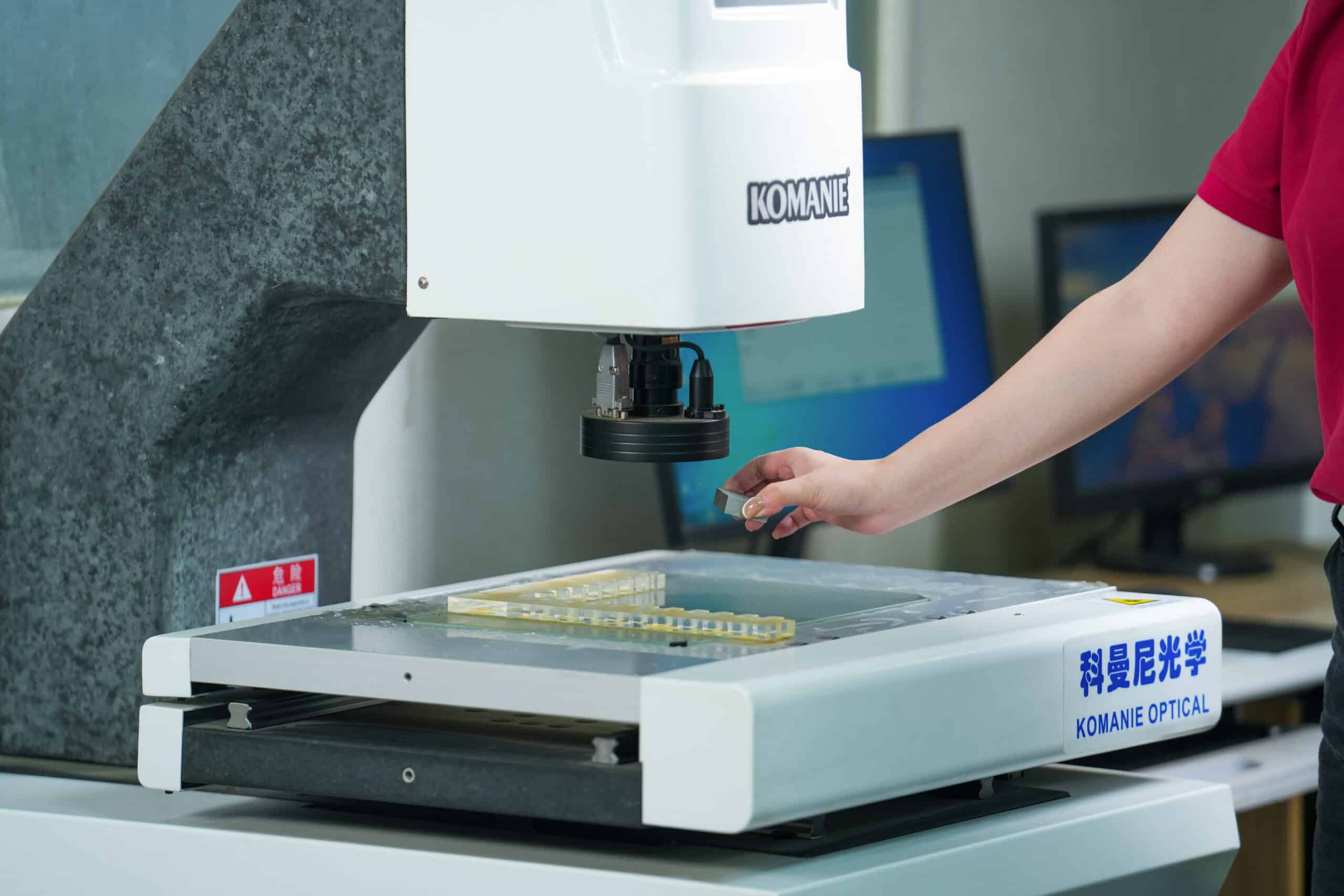
CMM and laser-based inspection confirm datum accuracy and part repeatability.

Final Delivery & Documentation

We provide full CAD data, inspection reports, calibration certificates, and maintenance recommendations.

Software & Technologies

We use advanced engineering software to ensure fixture reliability and manufacturability:
SolidWorks | CATIA | Siemens NX | AutoCAD | ANSYS (FEA)
Each tool supports multi-CAD integration, simulation, and tolerance validation to guarantee dimensional accuracy before manufacturing.

Jig & Fixture Manufacturing Support

We handle complete fixture production from design to on-site commissioning — all under ISO-certified processes.

ParameterSpezifikation
CNC-Bearbeitung– High-precision bases, hardened locators, and inserts produced within ±0.001” tolerance.
Fabrication & Welding– Structural assemblies engineered for rigidity and alignment control.
EDM & Wire Cutting– Micron-level precision for tight internal corners and fine slots.
3D Printing for Prototyping– Lightweight 3D printed jigs and fixtures for low-load assembly and validation trials.
Surface Finishing & Coatings– Grinding, anodizing, and plating for wear resistance and surface protection.
Assembly & On-Site Commissioning– Final setup, calibration, and operator training for smooth production integration.

Quality Assurance & Inspection Capabilities

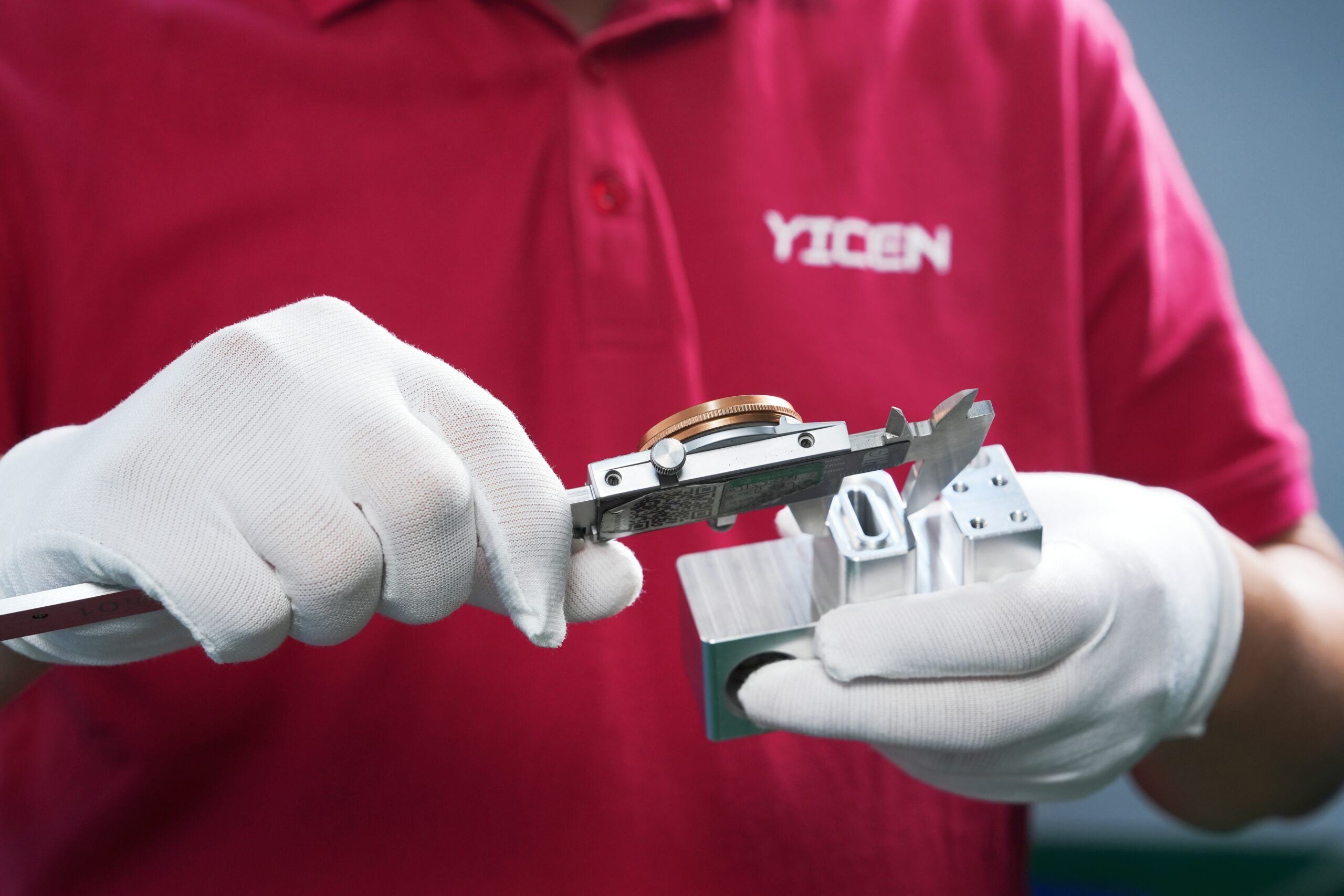
 Every turned part is inspected using certified metrology workflows to ensure dimensional accuracy, surface integrity, and repeatable performance across all production volumes.

Fixture Calibration & Verification

CMM and laser scanning validate accuracy and repeatability for all jigs and fixtures.

Dimensional & Functional Testing

Real-load validation, clamp-force measurement, and durability testing.

Inspection Fixture Validation

Correlation checks using master gauges and reference parts.

Traceability & Documentation

Every fixture is delivered with material certificates, calibration data, and QA documentation per ISO 9001 and AS9100D.

Industrien, die wir bedienen

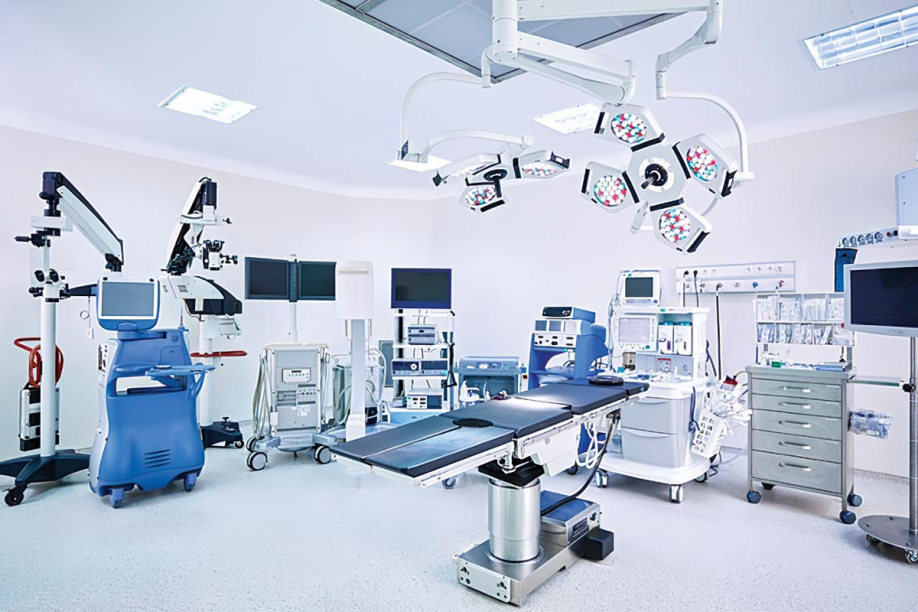
Yicen Precision beliefert ein breites Spektrum von Branchen, darunter die Luft- und Raumfahrt, die Automobilindustrie, die Elektronik und die Medizintechnik. Wir sind darauf spezialisiert, qualitativ hochwertige, zuverlässige Teile zu liefern, die auf die besonderen technischen Herausforderungen der jeweiligen Branche zugeschnitten sind.

Why Choose Yicen Precision For Jigs & Fixtures?

Our engineering approach focuses on accuracy, manufacturability, and real production performance—not theoretical design. Every fixture is built to support tight tolerance control, stable alignment, and repeatable operations in demanding industrial environments.

Experienced Engineering Team

Specialists in machining, welding, assembly, BIW tooling, and GD&T-critical fixture design, with deep understanding of locating schemes and process constraints.

ISO-Certified Quality

Design and manufacturing workflows follow ISO 9001:2015, AS9100D, and ISO 13485 quality standards to ensure consistency and traceability.

Simulation-Driven Accuracy

FEA and kinematic simulation are used to evaluate deflection, stress, clamp forces, and repeatability before fabrication begins.

Fast Design Cycles & Rapid Prototyping

Optimized workflows allow quick concept iterations, 3D modeling, and prototype fixture builds without compromising precision.

Cost-Effective Manufacturing

In-house CNC machining, fabrication, EDM, and finishing reduce lead time, improve part consistency, and avoid outsourcing delays.

End-to-End Support

From initial requirements to engineering validation, final assembly, and on-site integration, we handle the complete fixture lifecycle.

Fallstudien

Related Services

Mit unseren entwickelten Fertigungskapazitäten werden wir in der Lage sein, hochpräzise Metall- und Kunststoffteile zu produzieren, die eine gleichbleibend hohe Qualität bei Prototypen, Werkzeugen und der gesamten Produktion aufweisen. Yicen Precision hat mit der mehrachsigen Fräsbearbeitung begonnen und hat die Zuverlässigkeit der Ergebnisse auch bei den komplexesten Geometrien in Bezug auf das Drehen und die Entwicklung der Vorrichtungen sichergestellt.

Häufig gestellte Fragen

Konstruktion und Produktion von Vorrichtungen und Halterungen

  • How do I choose between CNC-machined, welded, or 3D-printed fixtures?

    • CNC-machined fixtures → highest precision, best for machining operations
    • Welded/fabricated fixtures → ideal for large, structural, or heavy-duty applications
    • 3D-printed fixtures → best for prototypes, mockups, or low-load assembly tasks
    • Hybrid approaches are often used to balance strength, weight, and cost.
       
  • What is the difference between a jig and a fixture?

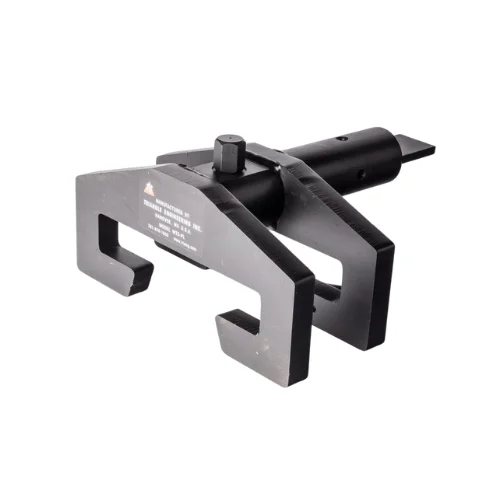
    A jig guides the cutting or drilling tool to the correct location.
    A fixture securely holds and locates the workpiece during machining, welding, or assembly but does not guide the tool.

    Use a jig when tool path accuracy is essential; use a fixture when part stability and repeatability are the priority.

  • When should I use a custom fixture instead of standard work-holding?

    Choose a custom fixture when you need:

    • Tight tolerances or GD&T-critical features
    • High repeatability across long production runs
    • Reduced setup time and human error
    • Complex or delicate part geometries
    • Better cycle time and throughput

      Standard vises and clamps cannot maintain the same datum accuracy or long-term consistency as a custom fixture. 

  • How does fixture design improve repeatability and reduce operator error?

    Custom fixtures define fixed datums, locator points, clamp positions, and engagement surfaces, so every part sits exactly the same way for every cycle.
    This eliminates:

    • Manual measuring
    • Misalignment
    • Inconsistent clamping
    • Part movement or chatter during machining

      The result is predictable accuracy and fewer production defects. 

  • Can fixtures wear out or lose accuracy over time? How do you prevent this?

    Yes. Continuous use introduces:

    • Surface wear
    • Locator damage
    • Fatigue or distortion
    • Clamp degradation

    To prevent accuracy loss, we design fixtures with: 

    • Hardened and replaceable locator surfaces
    • Wear-resistant inserts
    • Balanced clamp force distribution
    • Shim-based adjustability
    • CMM-based periodic inspection
    • A well-maintained fixture stays accurate across thousands of cycles.
        
  • Can custom fixtures reduce cycle time and production cost?

    Absolutely. Fixtures directly improve efficiency by:

    • Minimizing setup and changeover time
    • Reducing rework or scrap
    • Speeding up part loading/unloading
    • Supporting automation and semi-automation

      Over large production volumes, fixtures often deliver significant cost savings per part.  

  • Which industries benefit most from jig & fixture design?

    Our fixtures serve:

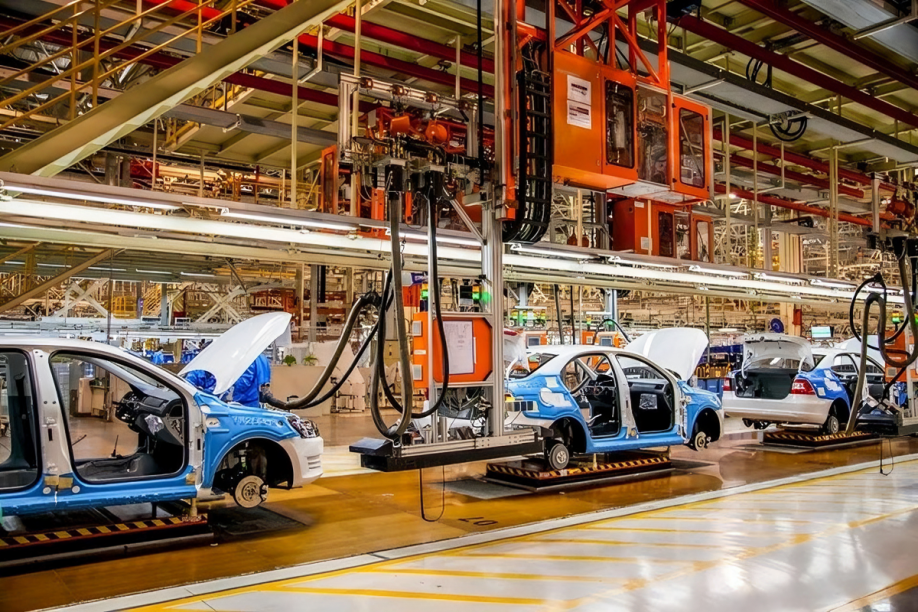
    • Automotive (welding, BIW, assembly)
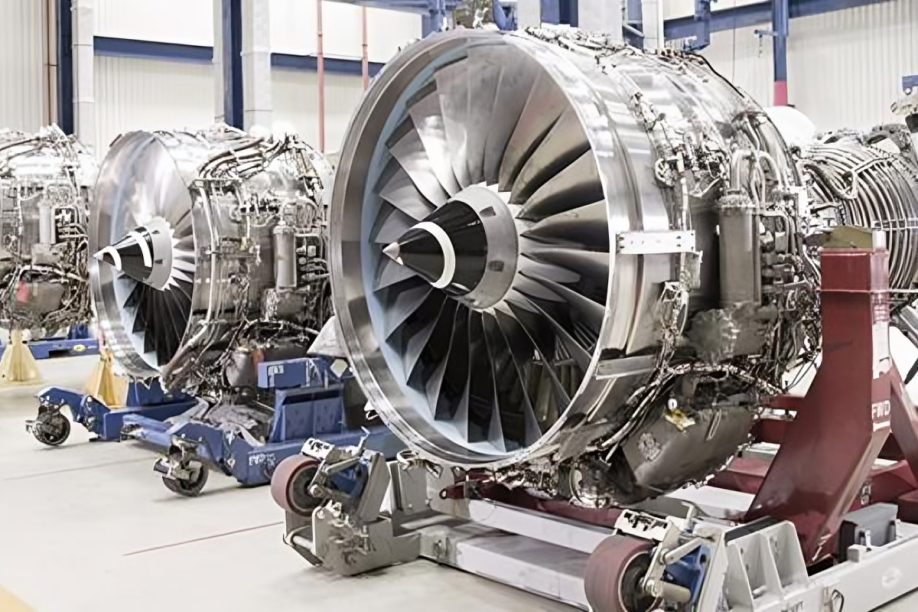
    • Aerospace (precision drilling, inspection)
    • Industrial equipment
    • Electronics & PCB assembly
    • Robotics and automation
    • Medizinische Geräte

      These sectors rely on tight tolerances, repeatability, and process stability. 

  • Are custom fixtures useful for low-volume or prototype work?

    Yes, when:

    • The part has critical tolerances
    • The geometry is complex
    • Manual alignment risks damaging the part
    • Multiple prototype cycles are expected

    Lightweight or 3D-printed prototype fixtures can also be used for early stages.


  • What design standards ensure a fixture is accurate and safe to use?

    A well-engineered fixture follows:

    • Proper datum & locating schemes
    • Zero over-constraint
    • Even clamp force distribution
    • Controlled rigidity & deflection
    • Tool clearance & ergonomic requirements
    • Wear-resistant surfaces at all high-contact zones

    These best practices ensure accuracy, operator safety, and long-term stability.
     

Verbinden Sie sich mit uns

Verwandlung von Konzepten in Präzisionsteile

Wir sind darauf spezialisiert, Ihre Ideen mit beispielloser Schnelligkeit und Präzision in hochwertige, funktionale Komponenten umzusetzen. Mit fortschrittlicher Technologie und fachmännischem Können stellen wir Teile her, die selbst die komplexesten Spezifikationen erfüllen.

Nehmen Sie Kontakt mit uns auf!
Prompte Antwort garantiert innerhalb von 12 Stunden
🔐 Alle Uploads sind sicher und vertraulich
Nehmen Sie Kontakt mit uns auf!
Prompte Antwort garantiert innerhalb von 12 Stunden
🔐 Alle Uploads sind sicher und vertraulich