1. Startseite
  2. "
  3. Industrie
  4. "
  5. Luft- und Raumfahrtindustrie

Diagnostic Device Parts CNC Machining for Medical Devices Industry

Yicen Precision manufactures high-precision diagnostic device parts with micro-tolerances to ±0.0003″ and optical-grade surface finishes. Our ISO 13485-certified facility produces critical components for blood analyzers, imaging systems, and point-of-care diagnostics that deliver accurate, reliable results. Trust our advanced CNC capabilities for diagnostic parts that ensure clinical accuracy and patient outcomes—request your precision quote today.

diagnostic device parts cnc machining for medical devices industry

Bearbeitungsdienstleistungen Lösungen für die Produktion medizinischer Geräte

 Wir von Machining Services wissen um die entscheidende Bedeutung von Präzision und Sicherheit bei der Herstellung medizinischer Geräte. Unsere CNC-Bearbeitungsdienstleistungen sind ideal für die Herstellung hochwertiger, zuverlässiger Komponenten für Geräte, die in der Diagnostik, für chirurgische Werkzeuge, Implantate und vieles mehr verwendet werden. Mit dem Schwerpunkt auf engen Toleranzen, biokompatiblen Materialien und der Einhaltung gesetzlicher Vorschriften stellen wir sicher, dass jedes Teil die strengen Standards der Gesundheitsbranche erfüllt. Unabhängig davon, ob Sie an Prototypen oder kompletten Produktionsläufen arbeiten, bieten wir Bearbeitungslösungen, die die Patientenversorgung und die Medizintechnik voranbringen.

diagnostic device parts cnc machining for medical devices industry (2)

Solutions for Diagnostic Device Parts CNC Machining Medical Devices

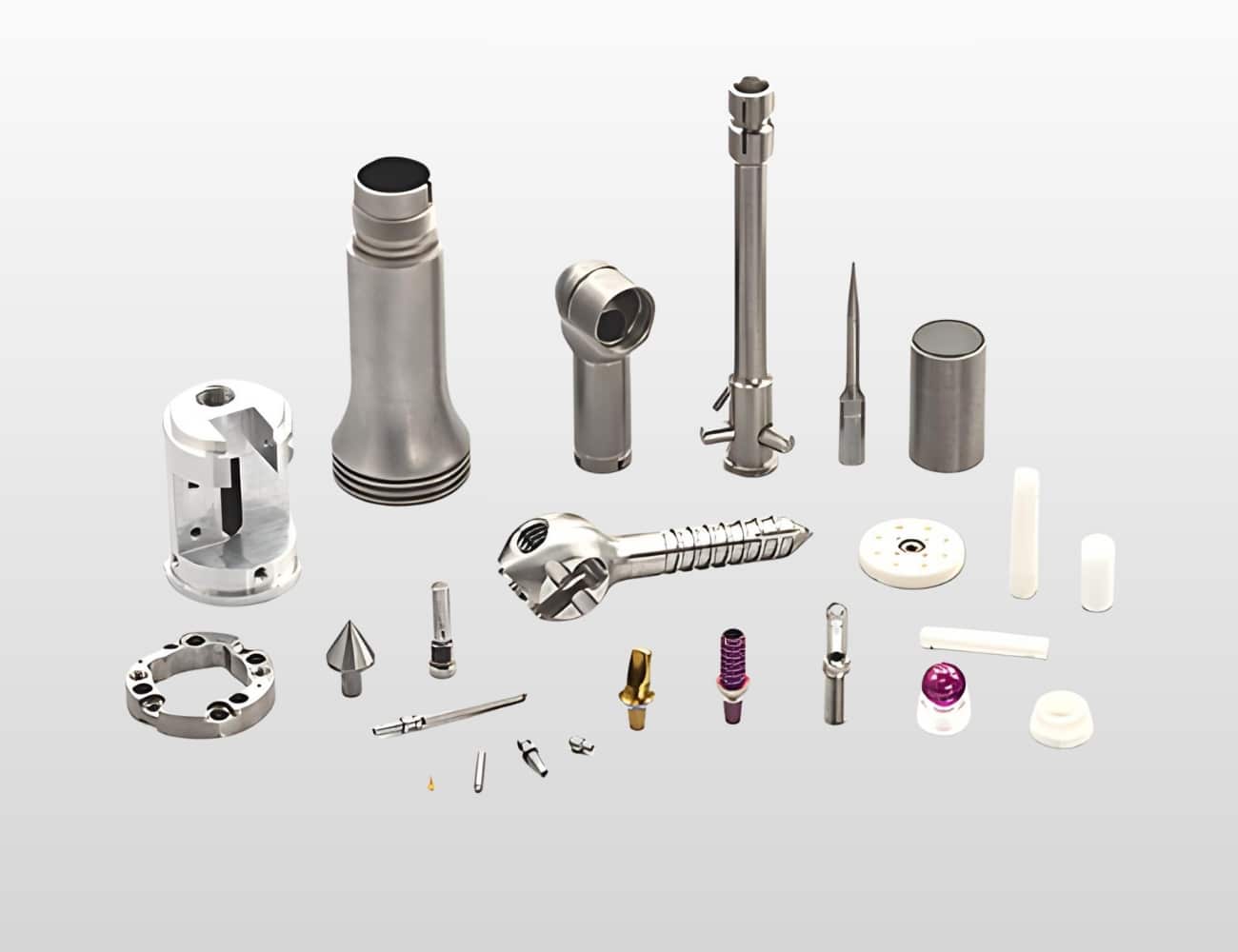
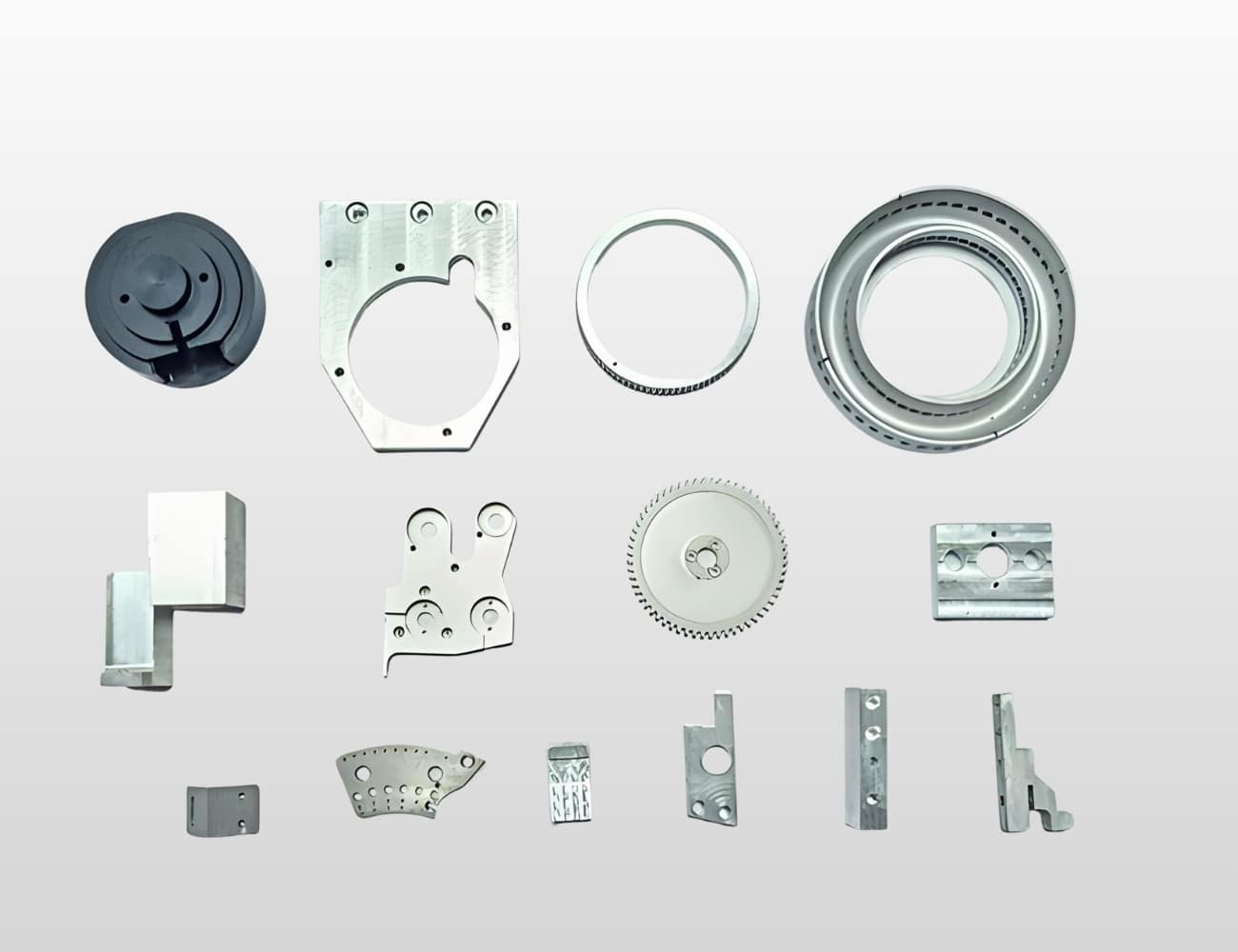
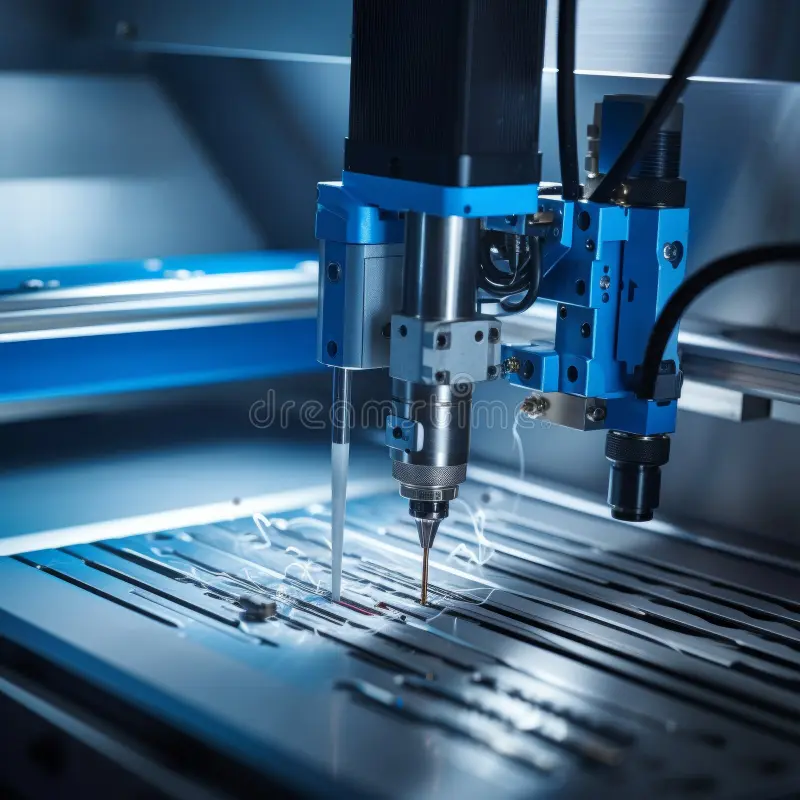
Diagnostic device parts are the foundation of accurate medical testing, requiring exceptional precision and material consistency to ensure reliable clinical results. Yicen Precision excels in diagnostic device parts CNC machining, producing critical components including flow cell chambers, optical lens mounts, sample handling mechanisms, reagent dispensing components, and sensor housings. Our advanced 5-axis milling centers and precision multi-axis lathes handle the micro-features, tight tolerances, and complex geometries essential for diagnostic accuracy and repeatability.

We specialize in machining diagnostic device parts from high-performance materials including medical-grade stainless steel (316, 17-4 PH), titanium alloys, optical-grade aluminum (6061-T6), PEEK polymers, and specialized plastics like acrylic and polycarbonate. Every diagnostic device parts CNC machining project adheres to ISO 13485, CLIA compliance requirements, and IVD (In Vitro Diagnostic) regulations. Our precision tooling, climate-controlled manufacturing environment, and advanced metrology equipment guarantee dimensional stability and repeatability from prototype development through high-volume production for leading diagnostic equipment manufacturers worldwide.

Wir liefern CNC-Teile für medizinische Geräte

Chirurgische Instrumente und Werkzeuge
Implantierbare Komponenten
Gehäuse für medizinische Geräte
Teile für Diagnostikgeräte
Kundenspezifische Steckverbinder und Halterungen
Orthopädische Komponenten
Katheter und Schläuche
Gehäuse für medizinische Elektronik
Komponenten des Medikamentenverabreichungssystems
Prototyping

Wir liefern CNC-Teile für medizinische Geräte

 Wir liefern präzisionsgefertigte Komponenten für medizinische Geräte, die die Einhaltung strenger Qualitätsstandards gewährleisten und Innovationen in der Gesundheitstechnologie unterstützen.


Chirurgische Instrumente und Werkzeuge
Implantierbare Komponenten
Gehäuse für medizinische Geräte
Teile für Diagnostikgeräte
Kundenspezifische Steckverbinder und Halterungen
Orthopädische Komponenten
Katheter und Schläuche
Gehäuse für medizinische Elektronik
Komponenten des Medikamentenverabreichungssystems
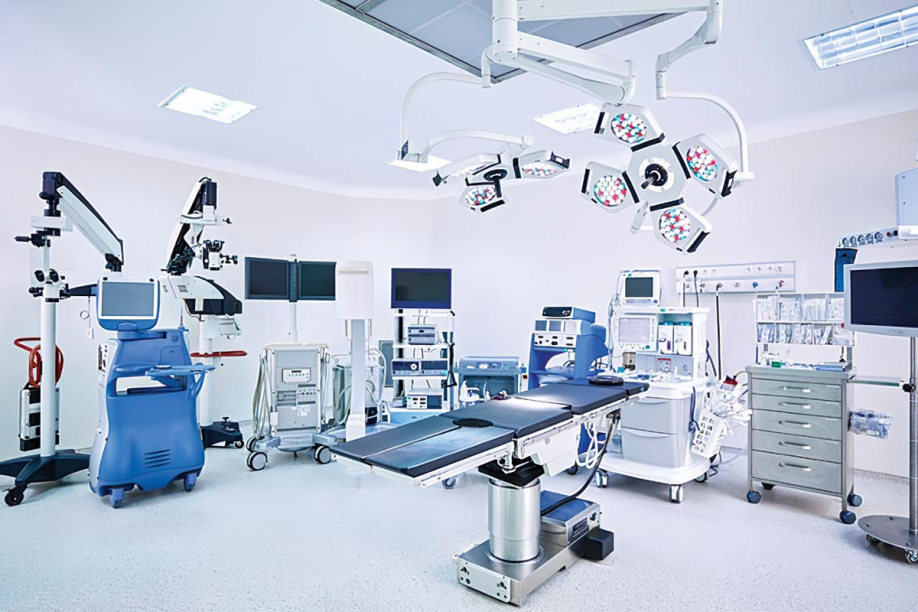
Fortgeschrittene medizinische Ausrüstung
Innovative Medizintechnik
Chirurgisches Team im Einsatz
Präzisions-CNC-Bearbeitung

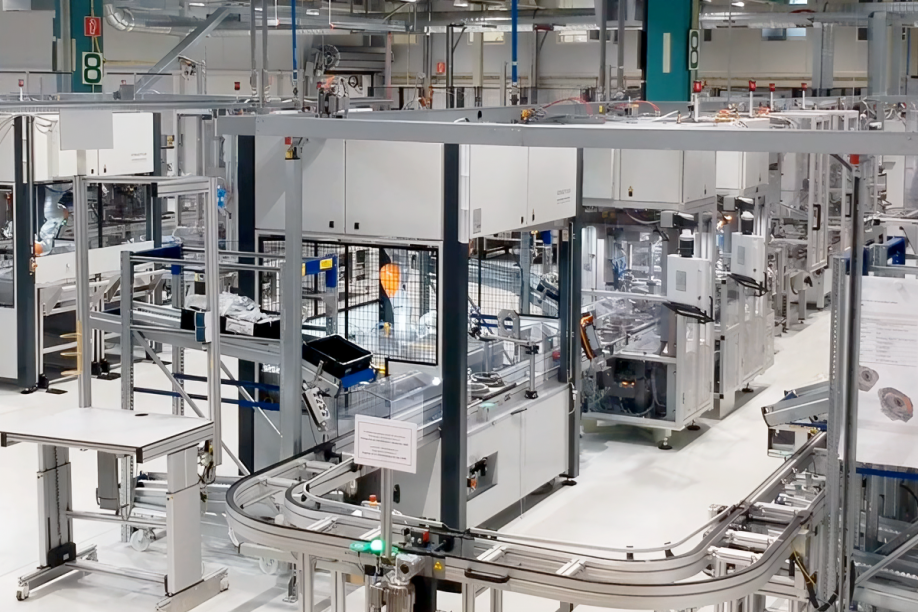
Hochmoderne Einrichtungen

Ausgestattet mit modernster Technologie und fortschrittlichen Maschinen zur Gewährleistung einer präzisen und hochwertigen Fertigung.
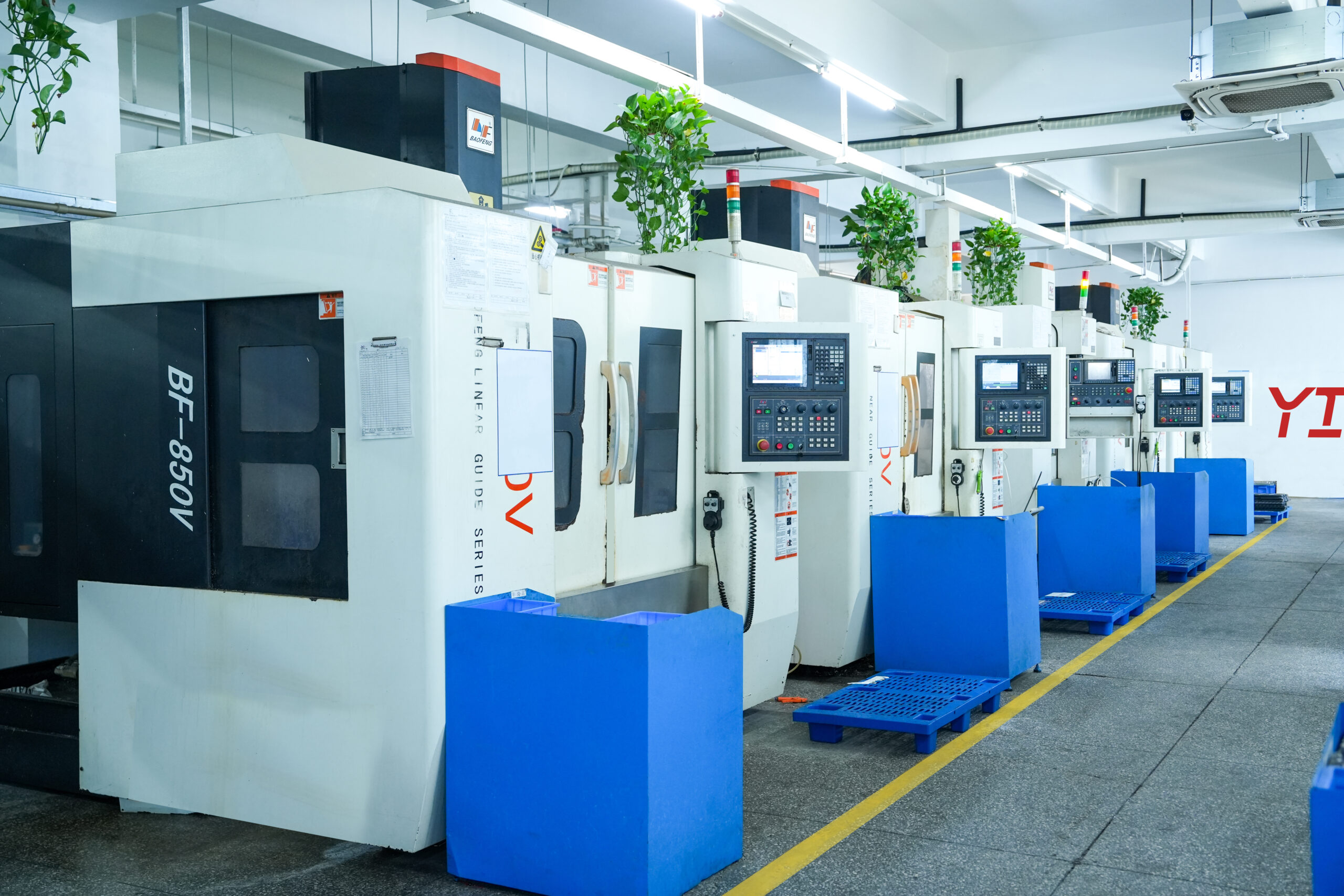
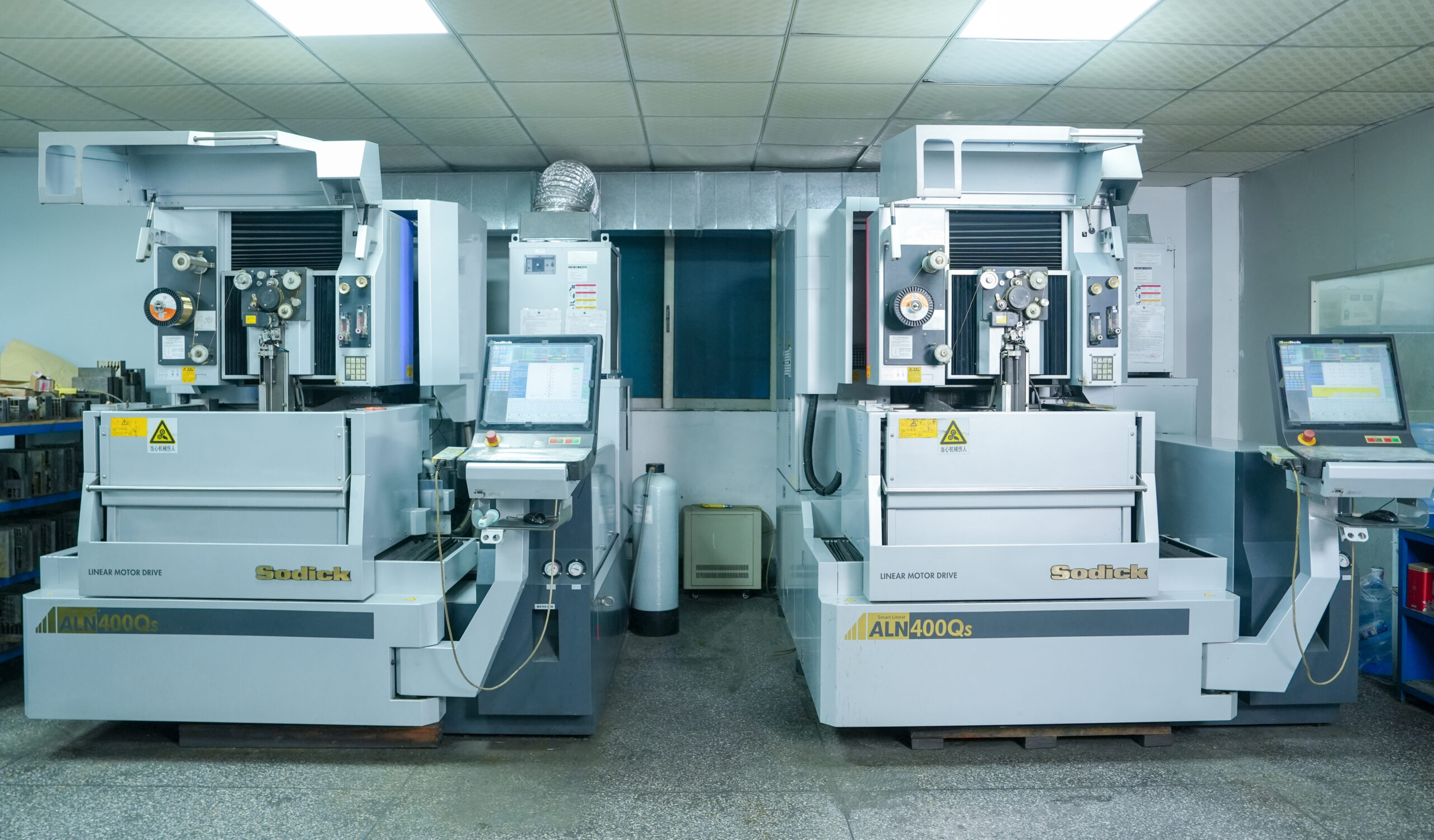
Präzisionsbearbeitungszentrum

Hochpräzise CNC-Fertigung mit fortschrittlicher Technologie und unübertroffener Effizienz.

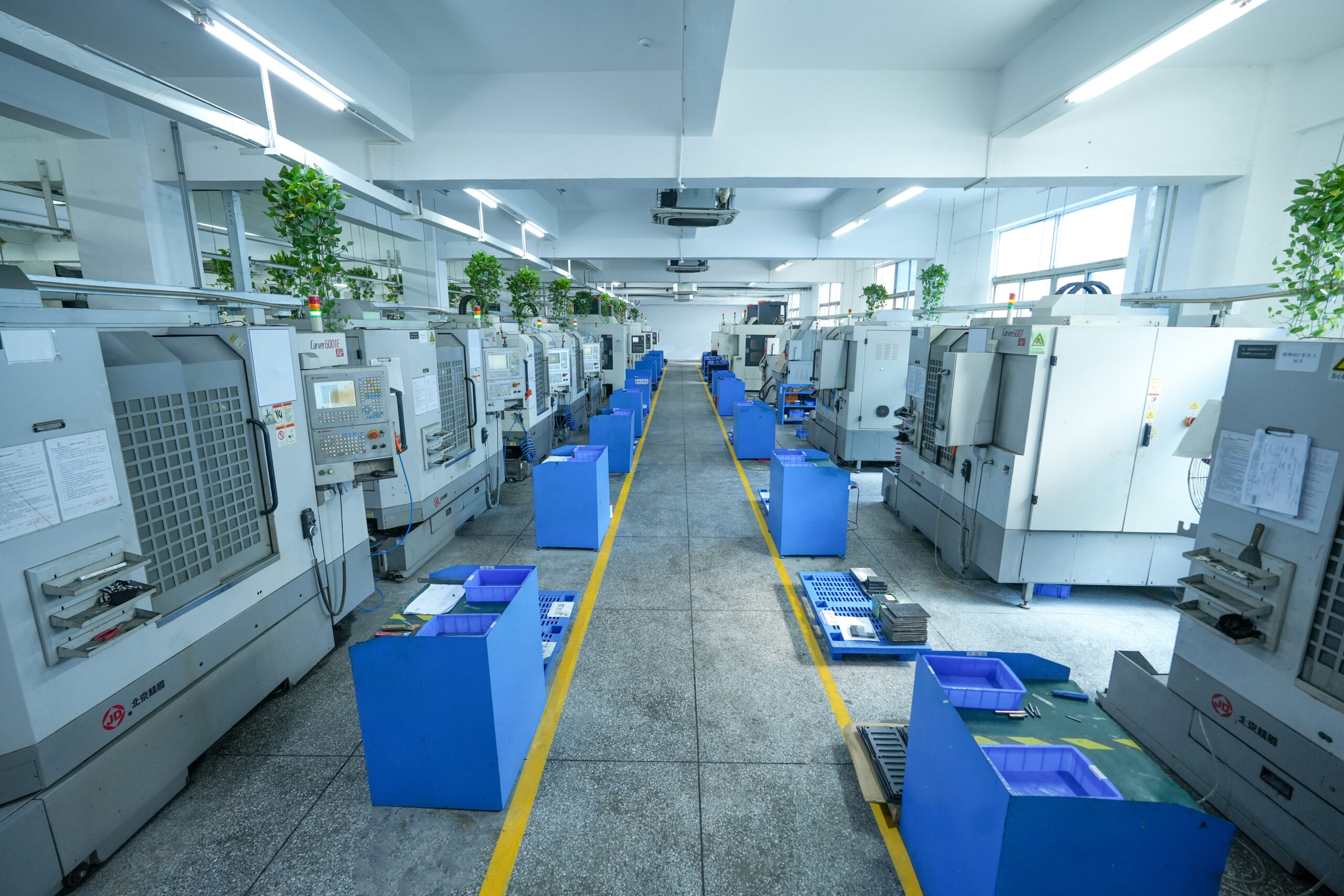
CNC-Produktionswerkstatt

Rationalisierte CNC-Produktion mit modernsten Maschinen für gleichbleibende Qualität.

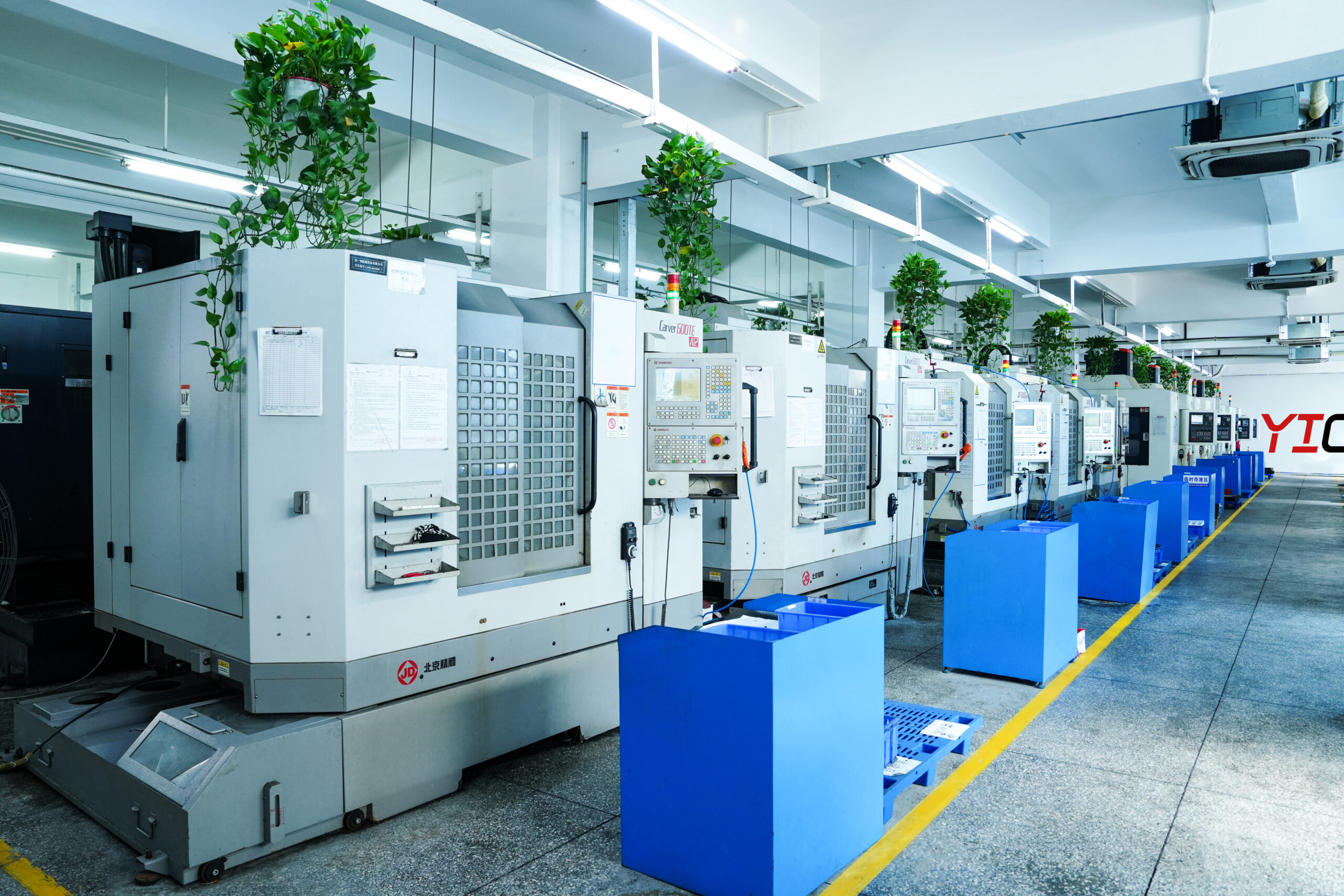
Zentrum für fortschrittliche CNC-Fertigung

Fachgerechte Fertigung und Montage komplizierter CNC-Komponenten unter einem Dach.

Automatisierte Bearbeitungsanlage

Vollautomatische CNC-Bearbeitung für eine schnelle, präzise und zuverlässige Bearbeitung.

Leistungsstarke CNC-Werkstatt

Optimiert für die Herstellung hochwertiger CNC-Teile mit hoher Geschwindigkeit und Präzision.

Integrierte CNC-Produktionsanlage

End-to-End-CNC-Fertigung mit nahtlosen Arbeitsabläufen und hervorragenden Ergebnissen.

Materialien für medizinische Geräte

Wir bieten Metalllegierungen und Hochleistungskunststoffe für medizintechnische Teile an, die Haltbarkeit, Sicherheit und Konformität für Prototypen und Produktion gewährleisten.

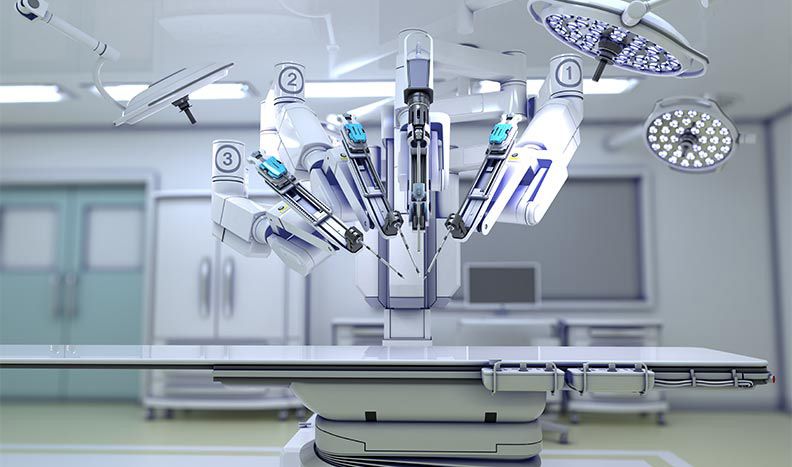
Chirurgisches Robotersystem

Aluminium: 5052, 6061-T6, 7075-T6, 2024-T351
Titan: Grad 1, Grad 2, Grad 5
Messing- und Kupferlegierungen: C360, Kupfer C110, C101
Thermoplaste: PC, ABS, PLA, PEEK, Ultem 1010, PA 12
Handelsübliche Polymere: HDPE, UHMW-PE , Garolite G-10, FR4

Oberflächenbehandlungen für medizinische Geräte

Unsere Oberflächenveredelungen, einschließlich Eloxieren und Galvanisieren, verbessern die Korrosionsbeständigkeit, Biokompatibilität und Verschleißfestigkeit von Komponenten für medizinische Geräte.

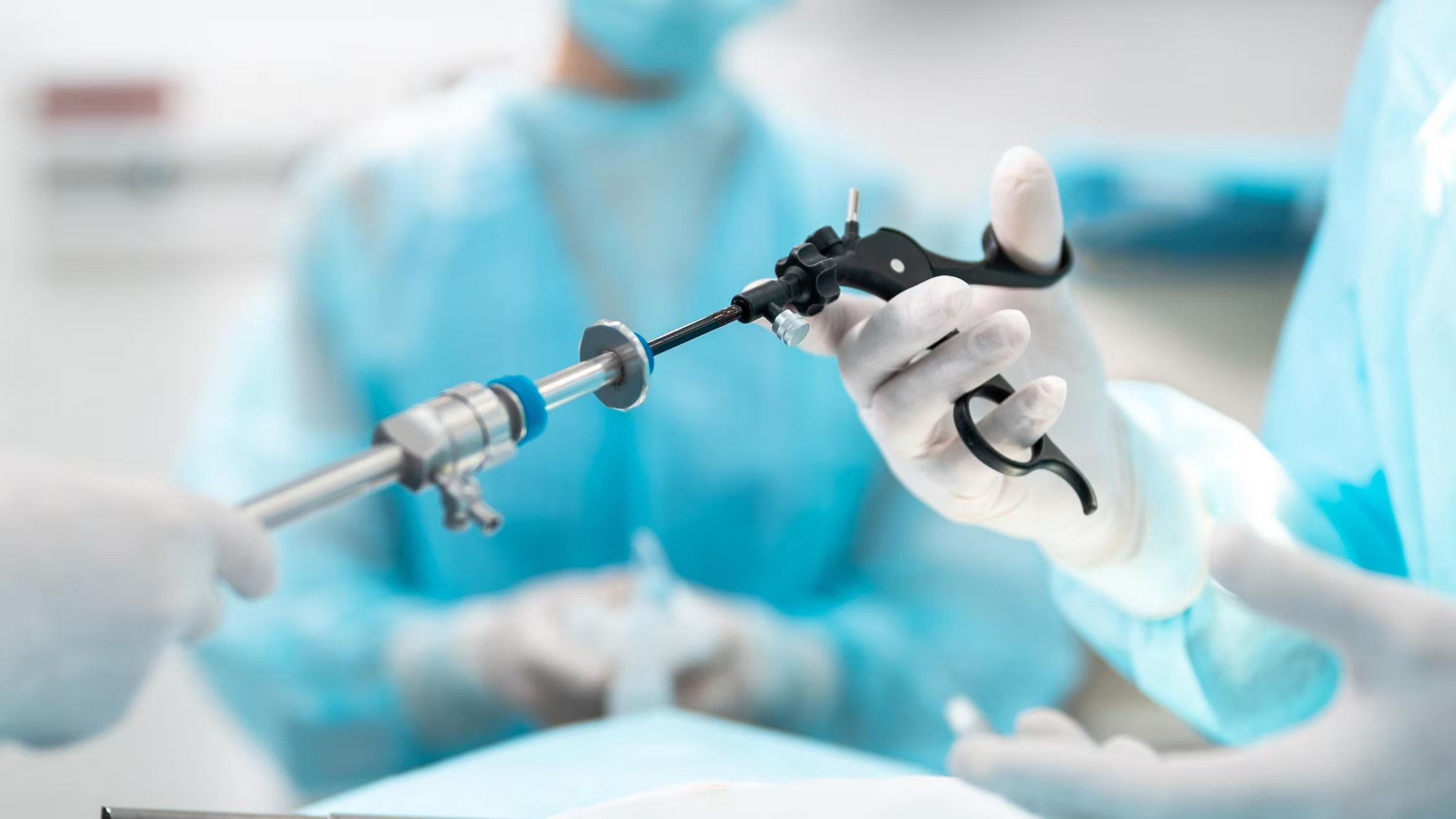
Chirurgisches Werkzeug im Einsatz

Eloxieren
Wie bearbeitet
Bred Blasting
Schwarzes Oxid
Elektropolieren
Chemische Vernickelung
Chromatierte Konversionsbeschichtung
Feinmechanische Bearbeitung
Pulverbeschichtung
Polieren
Reibungslose Bearbeitung

Industrien, die wir bedienen

Yicen Precision beliefert ein breites Spektrum von Branchen, darunter die Luft- und Raumfahrt, die Automobilindustrie, die Elektronik und die Medizintechnik. Wir sind darauf spezialisiert, qualitativ hochwertige, zuverlässige Teile zu liefern, die auf die besonderen technischen Herausforderungen der jeweiligen Branche zugeschnitten sind.

Was Kunden sagen

Sehen Sie, warum Kunden sich bei der CNC-Bearbeitung auf Yicen Precision verlassen. Unsere Referenzen unterstreichen die Zufriedenheit mit der Präzision, der Qualität, der pünktlichen Lieferung und dem engagierten Support und fördern dauerhafte Partnerschaften in verschiedenen Branchen weltweit.

Verbinden Sie sich mit uns

Verwandlung von Konzepten in Präzisionsteile

Wir sind darauf spezialisiert, Ihre Ideen mit beispielloser Schnelligkeit und Präzision in hochwertige, funktionale Komponenten umzusetzen. Mit fortschrittlicher Technologie und fachmännischem Können stellen wir Teile her, die selbst die komplexesten Spezifikationen erfüllen.

Nehmen Sie Kontakt mit uns auf!
Prompte Antwort garantiert innerhalb von 12 Stunden
🔐 Alle Uploads sind sicher und vertraulich

Detailed Information About Diagnostic Device Parts

A. What Are Diagnostic Device Parts?

Diagnostic device parts are precision-engineered components that enable accurate detection, measurement, and analysis of biological samples for disease diagnosis and patient monitoring. These critical components include microfluidic channels, optical chambers, cuvette holders, sample collection needles, reagent mixing chambers, detector mounts, calibration fixtures, and fluid handling manifolds. Used in clinical laboratories, point-of-care testing devices, imaging equipment, and home diagnostic systems, these parts must deliver consistent performance with minimal measurement variation. Precision CNC machining ensures the dimensional accuracy, surface quality, and material integrity required for reliable sample processing, optical clarity, and chemical compatibility that directly impact diagnostic accuracy and patient care decisions.

B. Wichtige technische Anforderungen

Diagnostic device parts CNC machining demands exceptional tolerances of ±0.0003″ to ±0.001″ to ensure proper fluid flow dynamics, optical alignment, and sensor positioning accuracy. Material specifications require chemical-resistant, biocompatible alloys and polymers that withstand exposure to blood, reagents, and cleaning solutions—typically 316 stainless steel for fluid contact parts, titanium for corrosion resistance, or medical-grade PEEK for chemical inertness. Surface finish requirements are particularly stringent, ranging from Ra 4-16 microinch for optical surfaces preventing light scatter to Ra 8-32 microinch for fluid channels minimizing turbulence and sample carryover.

Components must maintain dimensional stability across temperature variations (±0.0001″/°C coefficient consideration), provide leak-free sealing interfaces (flatness within 0.0005″), and ensure optical transparency or reflectivity specifications. Microfluidic channels require precise depth control (±0.0002″), consistent wall angles, and smooth surfaces to maintain laminar flow. Thread accuracy for fluid connections, precise bore dimensions for optical path lengths, and parallelism for mounting surfaces are critical for diagnostic measurement accuracy and device calibration stability.

C. Herausforderungen und Lösungen bei der Herstellung

Machining diagnostic device parts presents unique challenges including achieving micro-scale features without burrs or edge defects, maintaining optical-grade surface finishes on complex internal geometries, and producing thin-walled components without deformation. Microfluidic channels with aspect ratios exceeding 10:1 require specialized micro-tooling, while optical components demand vibration-free machining to prevent surface irregularities. Material selection challenges include balancing chemical resistance, optical properties, and machinability.

Yicen Precision addresses these challenges through ultra-precision 5-axis CNC machining in temperature-controlled facilities (±0.5°C), high-speed spindles with precision collets for micro-tools down to 0.010″ diameter, and advanced CAM strategies optimized for minimal tool deflection and consistent chip evacuation. Our optical component manufacturing employs diamond tooling for mirror finishes and single-point diamond turning for critical optical surfaces.

Quality control measures include coordinate measuring machine (CMM) inspection with sub-micron uncertainty, optical profilometry for surface finish verification, white light interferometry for flatness measurement, and functional testing of fluid flow characteristics. We perform material compatibility testing with common reagents and validate optical transmission properties for light-path components. Our cleanroom-compatible manufacturing prevents particulate contamination critical for diagnostic sensitivity. Learn more about our capabilities for your precision diagnostic component manufacturing.

D. Anwendungen und Anwendungsfälle

Precision-machined diagnostic device parts enable accurate testing across multiple diagnostic platforms:

  • Clinical Chemistry Analyzers: Cuvette holders, sample probes, reagent dispensing needles, optical chambers, and mixer components
  • Hematology Systems: Flow cell chambers, aperture plates, sheath fluid manifolds, and blood cell counting sensors
  • Molecular Diagnostics: PCR thermal block inserts, sample well plates, optical detection chambers, and microfluidic cartridge components
  • Immunoassay Analyzers: Wash station manifolds, pipette tips, reaction vessels, chemiluminescence detection chambers, and calibration fixtures
  • Point-of-Care Devices: Microfluidic channels, sample collection components, optical windows, reagent chambers, and handheld analyzer housings
  • Imaging Diagnostics: Ultrasound transducer mounts, X-ray collimators, lens assemblies, detector housings, and calibration phantoms
  • Blood Gas Analyzers: Electrode housings, sample chambers, calibration gas manifolds, and temperature control blocks

E. Why Choose Yicen Precision for Diagnostic Device Parts?

Yicen Precision delivers specialized expertise in diagnostic device parts CNC machining with ISO 13485 certification and comprehensive understanding of IVD regulatory requirements (FDA 21 CFR 809, EU IVDR). Our rapid prototyping services provide functional diagnostic components in 3-7 days, enabling accelerated design validation, performance testing, and regulatory pathway preparation. We offer flexible production scaling from R&D prototype quantities through commercial high-volume manufacturing with validated processes ensuring measurement consistency.

Our engineering team provides Design for Manufacturability (DFM) consultation optimized for diagnostic performance, including fluid dynamics analysis for microfluidic components, optical design support for light-path optimization, and material selection guidance based on chemical compatibility requirements. We coordinate secondary operations including optical polishing for transparent components, passivation for corrosion resistance, precision coating for optical filters, and ultrasonic cleaning for contamination-free delivery.

Complete material traceability includes certifications with lot tracking, dimensional inspection reports with statistical analysis, surface finish validation data, and certificates of conformance supporting regulatory documentation. We maintain cost-effective diagnostic device parts manufacturing through optimized toolpaths for micro-machining, efficient setup reduction strategies, and streamlined inspection protocols—delivering precision components that ensure diagnostic accuracy without compromising quality or budget. Request your comprehensive technical consultation and quote for diagnostic device parts today.

Einblicke & Artikel

Erkunden Sie Bearbeitende Dienstleistungen Blog finden Sie Expertenwissen über CNC-Bearbeitung, Branchentrends, Fertigungstipps und Technologie-Updates - damit Sie informiert und inspiriert bleiben und in der Präzisionstechnik einen Schritt voraus sind.

Häufig gestellte Fragen

Diagnostic Device

  • How do you ensure contamination-free manufacturing for diagnostic components?

    Our diagnostic device parts manufacturing employs cleanroom-adjacent facilities with ISO Class 7 cleanliness levels, dedicated tooling for medical diagnostic applications, and validated cleaning protocols preventing cross-contamination. We use filtered coolants, implement clean material handling procedures, and conduct final ultrasonic cleaning followed by nitrogen blow-off drying. Components are packaged in sealed cleanroom bags or containers. We provide certificates of cleanliness and can perform particle count validation. For critical applications, we offer manufacturing in controlled environments with documented particulate monitoring supporting IVD regulatory requirements.
     

  • Which materials work best for fluid-contact diagnostic device parts?

    Material selection depends on the specific diagnostic application and reagent chemistry. 316 stainless steel provides excellent corrosion resistance for most aqueous solutions and biological samples. PEEK offers superior chemical inertness for aggressive reagents and maintains dimensional stability across temperature cycling. Titanium provides optimal biocompatibility for blood-contact applications. For optical components, we machine optical-grade acrylic, polycarbonate, or sapphire. Our engineering team can recommend materials based on your chemical compatibility requirements, optical properties, and biocompatibility needs, and we provide material certifications for regulatory compliance.
     

  • Can you machine optical-grade surfaces for diagnostic components?

    Yes, we specialize in optical-grade surface finishes for diagnostic device parts requiring light transmission, reflection, or minimal scatter. Our capabilities include achieving Ra 4-8 microinch finishes using diamond tooling, single-point diamond turning for precision optical surfaces, and optical polishing for transparent windows and lenses. We machine optical-grade aluminum, acrylic, polycarbonate, and specialized optical plastics. Surface quality is verified using white light interferometry and optical profilometry to ensure flatness within λ/4 (0.00006″) and surface roughness meeting your optical performance specifications.
     

  • What tolerances can you achieve for diagnostic device parts CNC machining?

    For diagnostic device components, we routinely achieve tolerances of ±0.0003″ to ±0.001″ on critical dimensions including microfluidic channel depths, optical mounting surfaces, and sensor positioning features. For specialized optical components or ultra-precision fluid channels, we can hold tolerances to ±0.0001″ using diamond turning and temperature-controlled manufacturing (±0.5°C). Our advanced 5-axis CNC machines with laser tool measurement and in-process gauging ensure consistent dimensional accuracy across production batches, critical for diagnostic measurement repeatability and device calibration stability.
     

Nehmen Sie Kontakt mit uns auf!
Prompte Antwort garantiert innerhalb von 12 Stunden
🔐 Alle Uploads sind sicher und vertraulich