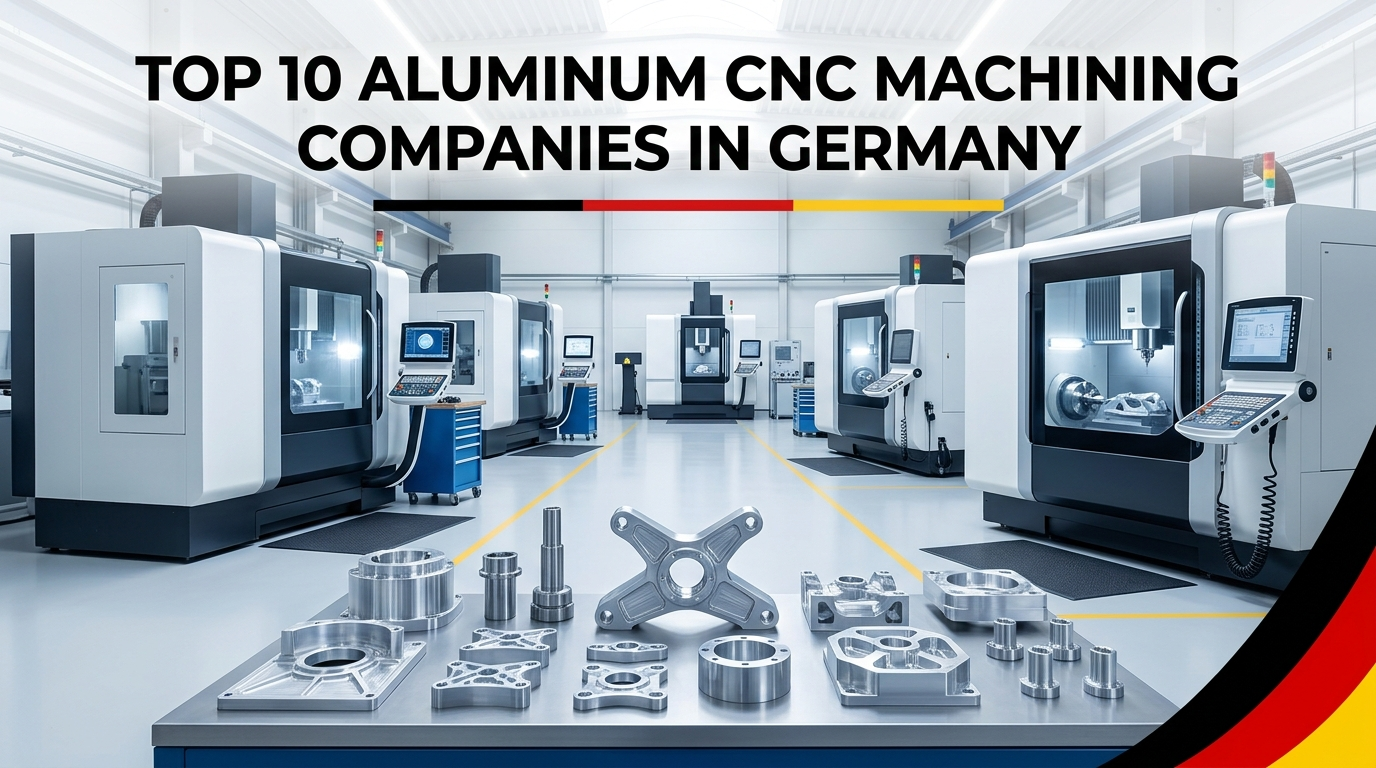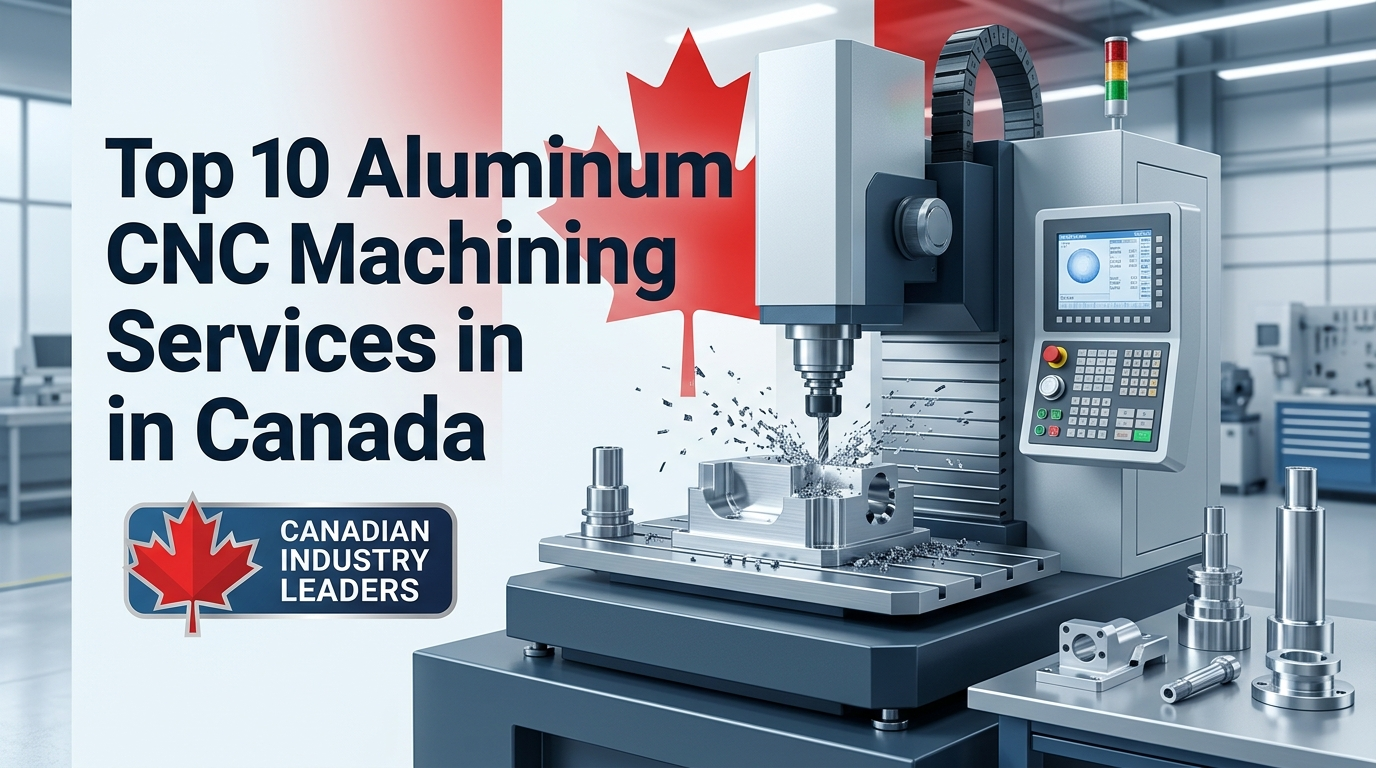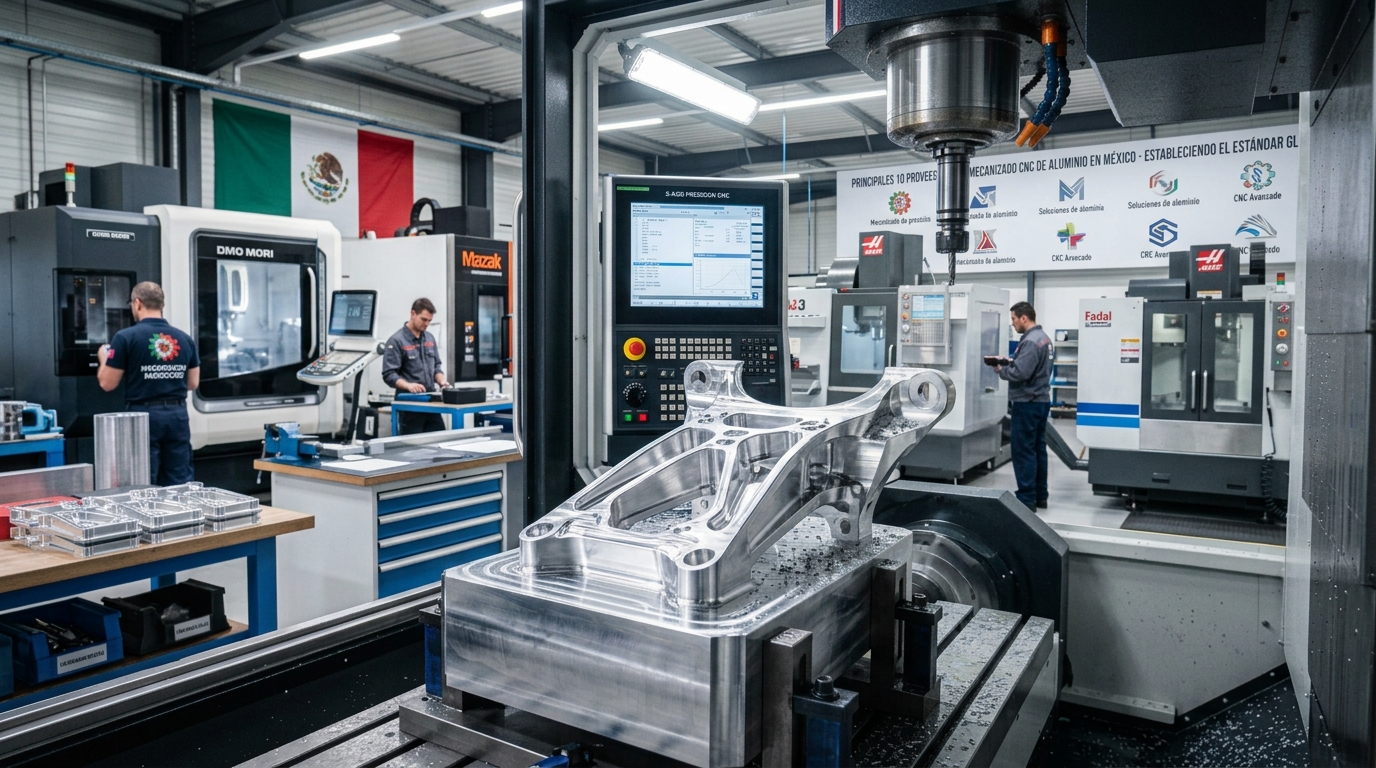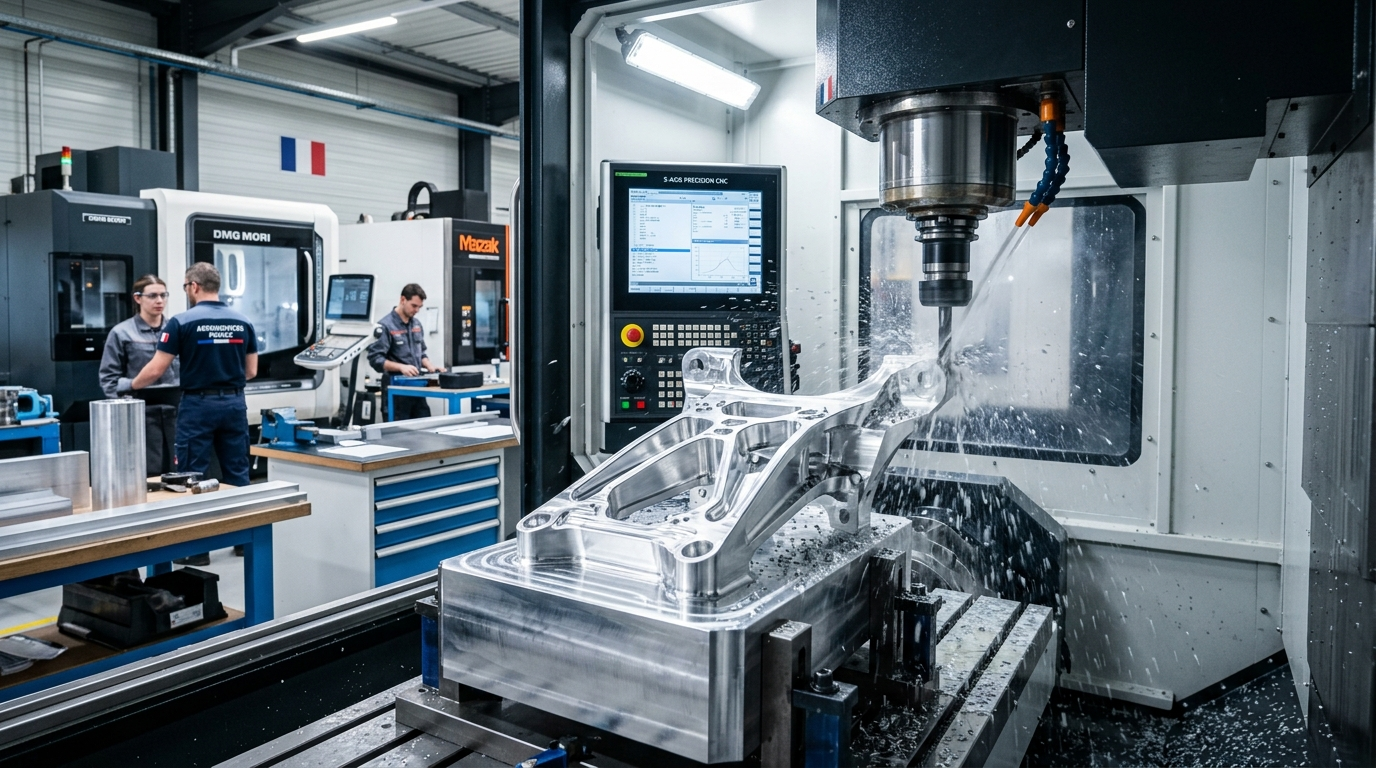
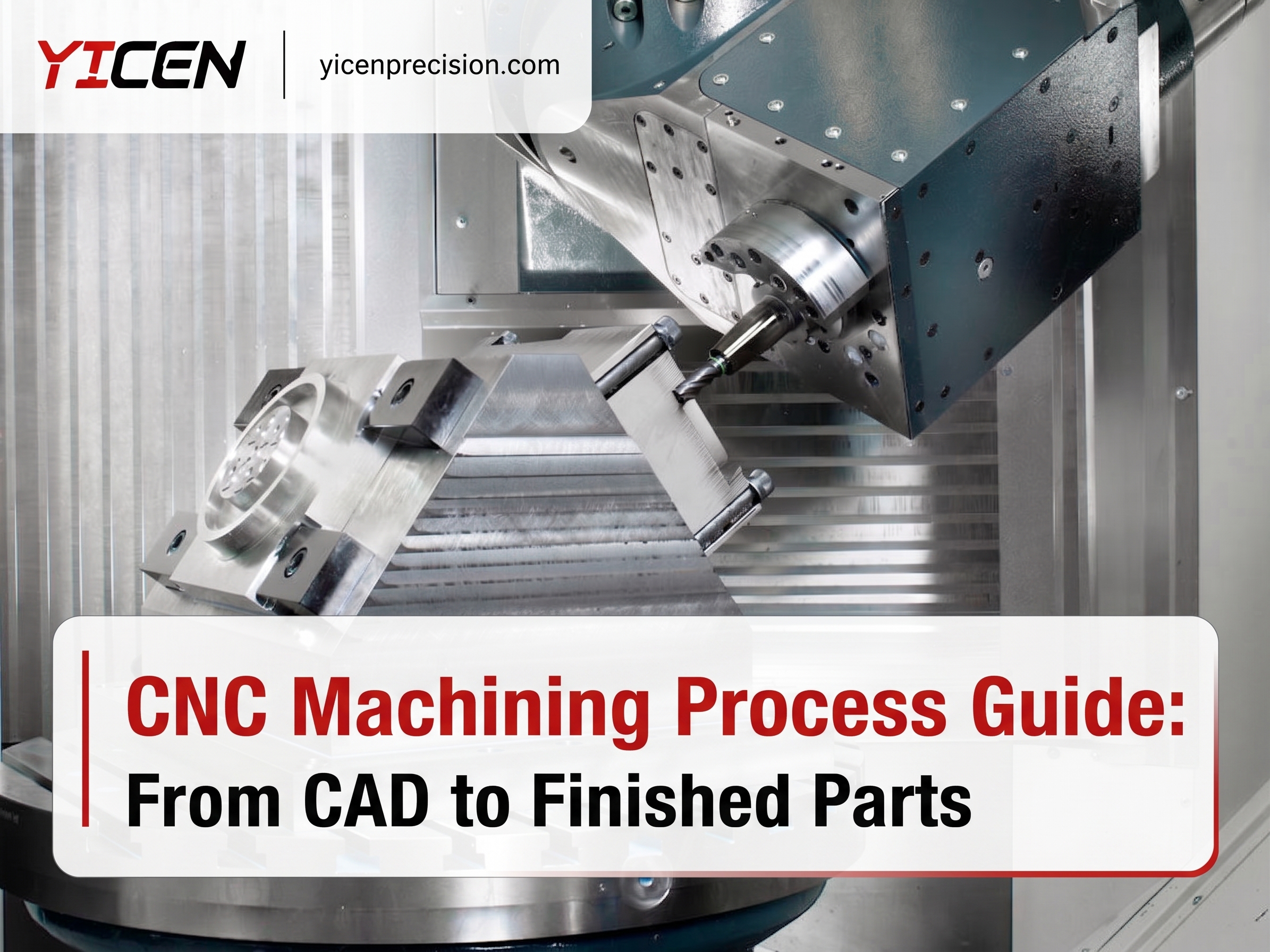
Was ist der CNC-Bearbeitungsprozess? Wie wird aus einem digitalen CAD-Entwurf ein präzises Fertigungsteil? Was sind die wichtigsten Schritte der CNC-Bearbeitung in der modernen Fertigung? Wie gewährleistet der CNC-Fertigungsprozess Genauigkeit, Qualität und Wiederholbarkeit?
Der CNC-Bearbeitungsprozess beginnt mit einem digitalen CAD-Modell, das durch CAM-Programmierung in Maschinenbefehle umgewandelt wird. Die CNC-Maschine trägt dann mithilfe automatisierter Schneidwerkzeuge Material vom Werkstück ab, bis das fertige Teil die gewünschte Form, Größe und Toleranz erreicht hat.
Die CNC-Bearbeitung hat sich zu einem der wichtigsten Fertigungsverfahren für Branchen entwickelt, die präzise und zuverlässige Bauteile benötigen. Von Bauteilen für die Luft- und Raumfahrt und die Automobilindustrie bis hin zu medizinischen Geräten und Industrieanlagen – Unternehmen setzen auf die CNC-Technologie, um komplexe Konstruktionen mit gleichbleibender Qualität herzustellen. Bei Yicen Precision helfen CNC-Bearbeitungslösungen den Herstellern dabei, technische Ideen in hochwertige Endprodukte umzusetzen.
Was ist der CNC-Bearbeitungsprozess?
Der CNC-Bearbeitungsprozess ist ein computergesteuertes Fertigungsverfahren, bei dem Maschinen anhand programmierter Anweisungen Rohmaterialien schneiden, bohren, fräsen oder formen, um daraus fertige Bauteile herzustellen. CNC steht für „Computer Numerical Control“ (computergesteuerte numerische Steuerung), was bedeutet, dass die Bewegungen der Werkzeugmaschinen durch Computersoftware statt durch manuelle Bedienung gesteuert werden.
Im Gegensatz zur herkömmlichen Zerspanung bietet die CNC-Fertigung eine höhere Genauigkeit, eine schnellere Produktion und eine verbesserte Wiederholgenauigkeit. Sobald ein Programm erstellt wurde, kann dasselbe Design viele Male mit minimalen Abweichungen hergestellt werden.
Das Verfahren eignet sich für verschiedene Werkstoffe, darunter Aluminium, Edelstahl, Titan, Messing, Kunststoffe und technische Werkstoffe. Die Wahl des geeigneten Bearbeitungsverfahrens hängt von der Bauform des Bauteils, den Werkstoffeigenschaften, den Toleranzanforderungen und dem Produktionsvolumen ab.
Arbeitsablauf bei der CNC-Bearbeitung – vom Entwurf bis zum fertigen Bauteil
Der Arbeitsablauf bei der CNC-Bearbeitung umfasst mehrere wichtige Phasen. Jeder Schritt trägt entscheidend zur endgültigen Qualität des gefertigten Bauteils bei.
| CNC-Bearbeitungsphase | Hauptzweck | Ausgabe |
| CAD-Konstruktion | Erstellen Sie ein digitales 3D-Modell des Bauteils | Konstruktionsunterlagen |
| CAM-Programmierung | Entwurf in Maschinenbefehle umsetzen | CNC-Programm oder G-Code |
| Vorbereitung des Materials | Rohstoffe auswählen und beschaffen | Bearbeitungsvorbereitung abgeschlossen |
| CNC-Bearbeitung | Material mit Schneidwerkzeugen entfernen | Bearbeitetes Bauteil |
| Inspektion | Maße und Qualität prüfen | Freigegebenes Fertigungsteil |
Schritt 1: Erstellung des CAD-Entwurfs
Die erste Phase des CNC-Bearbeitungsprozesses beginnt mit der computergestützten Konstruktion (CAD). Ingenieure erstellen eine detaillierte 2D-Zeichnung oder ein 3D-Modell, in dem Form, Abmessungen, Bohrungen, Oberflächen und Toleranzen des gewünschten Bauteils festgelegt sind.
Mit moderner CAD-Software können Konstrukteure die Geometrie von Bauteilen bereits vor Beginn der Fertigung überprüfen. Dies verringert Fehler und hilft dabei, mögliche Herausforderungen bei der Bearbeitung frühzeitig zu erkennen.
Eine vollständige CAD-Datei enthält in der Regel:
- Abmessungen der Teile
- Materialspezifikationen
- Anforderungen an die Oberfläche
- Angaben zur Toleranz
- Montagedetails
Ein gut vorbereitetes CAD-Modell ist unerlässlich, da jeder nachfolgende Schritt von der Genauigkeit des ursprünglichen Entwurfs abhängt.
Schritt 2: Konvertierung von CAD-Dateien durch CAM-Programmierung
Eine effiziente Programmierung spielt eine wichtige Rolle bei der Verkürzung der Bearbeitungszeit und der Verbesserung der Genauigkeit. Erfahren Sie mehr darüber, wie professionelle CNC-Bearbeitung von Prototypen hilft Ingenieuren dabei, Entwürfe vor der Serienfertigung zu testen und zu optimieren.
In dieser Phase entscheiden die Programmierer:
- Auswahl von Schneidwerkzeugen
- Bearbeitungsreihenfolge
- Schnittgeschwindigkeit
- Vorschubgeschwindigkeit
- Werkzeugbewegungsbahnen
Die CAM-Software generiert G-Code, der der CNC-Maschine genau vorgibt, wie sie sich bewegen und welche Bearbeitungsschritte sie ausführen soll.
Diese Phase ist wichtig, da eine effiziente Programmierung die Bearbeitungszeit verkürzt und gleichzeitig die Genauigkeit der Werkstücke gewährleistet.
Schritt 3: Materialauswahl und Maschineneinrichtung
Vor Beginn der Bearbeitung muss das richtige Rohmaterial ausgewählt werden. Die Materialauswahl hängt vom späteren Verwendungszweck des Bauteils ab.
Zum Beispiel:
- Aluminium ist bei Leichtbauteilen sehr beliebt.
- Edelstahl kommt dort zum Einsatz, wo Festigkeit und Korrosionsbeständigkeit gefragt sind.
- Titan wird für Hochleistungsanwendungen bevorzugt.
- Plastics are used for lightweight prototypes and special applications.
The machinist then prepares the CNC machine by installing cutting tools, fixing the material securely, and setting machine parameters.
Proper setup prevents vibration, reduces tool wear, and improves final surface quality.
Step 4: CNC Machining Operations
This is the main production stage of the CNC machining process. The CNC machine follows programmed instructions and removes material from the workpiece.
Common CNC operations include:
| Machining Operation | Beschreibung | Häufige Verwendungszwecke |
| CNC-Fräsen | Uses rotating cutting tools to remove material | Komplexe Formen, Schlitze, Taschen |
| CNC-Drehen | Rotates the workpiece against a cutting tool | Cylindrical components |
| CNC-Bohren | Creates accurate holes | Fasteners and assemblies |
| CNC-Schleifen | Improves surface finish | High precision components |
Manufacturers may use different machines depending on the part requirements. For example, CNC milling is suitable for complex geometries, while turning is ideal for round components.
Yicen Precision provides advanced CNC-Bearbeitungsdienstleistungen for businesses requiring accurate prototypes and production parts.
Step 5: Quality Inspection and Testing
Advanced inspection methods help manufacturers maintain strict quality standards. Companies can also review our precision machining solutions to understand how accuracy is maintained throughout the production process.
Quality control may include:
- Dimensional measurement
- Prüfung der Oberflächengüte
- Tolerance verification
- Visual inspection
- Funktionsprüfung
Advanced inspection equipment such as coordinate measuring machines (CMM) helps manufacturers verify extremely precise measurements.
Inspection ensures that finished parts perform correctly before delivery.
Step 6: Surface Finishing and Final Processing
Some CNC machined parts require additional finishing processes after machining. Surface treatment improves appearance, durability, corrosion resistance, or performance.
Common finishing options include:
- Eloxieren
- Pulverbeschichtung
- Polieren
- Plating
- Wärmebehandlung
The correct finishing method depends on the material and application requirements.
For example, aluminum components may receive anodizing for better protection, while steel parts may require coating to prevent corrosion.
Benefits of CNC Manufacturing Process
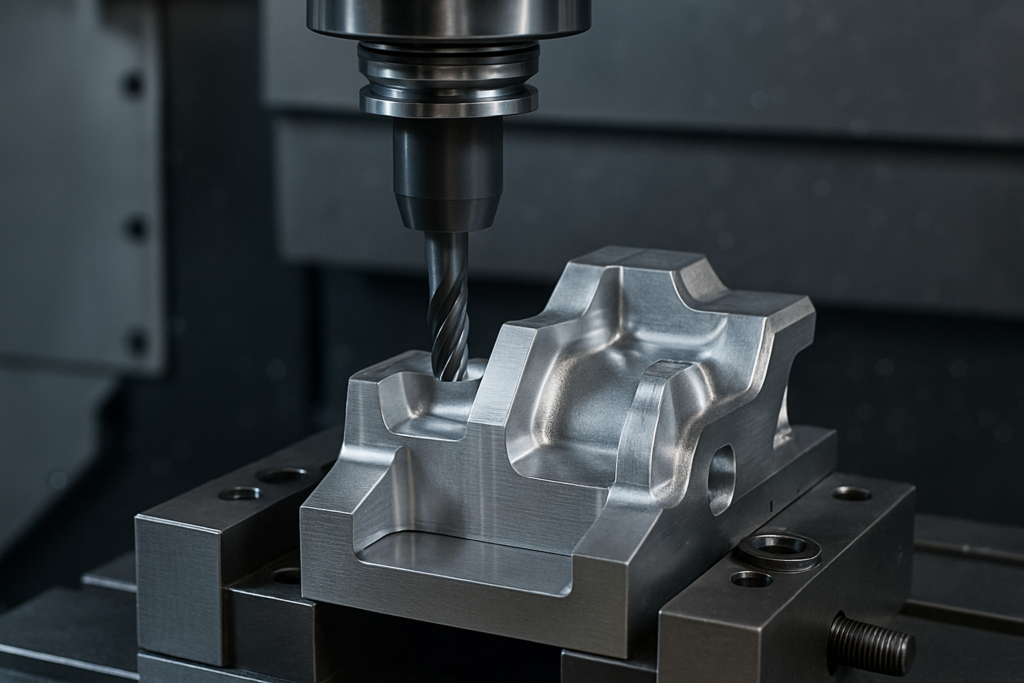
CNC manufacturing provides better accuracy and repeatability compared with traditional methods. For more information about different production methods, read our guide on CNC machining capabilities and applications.
High Accuracy
CNC machines follow programmed instructions with exceptional precision. This makes them suitable for industries where small measurement differences can affect performance.
Consistent Production Quality
Once a CNC program is created, manufacturers can produce identical parts repeatedly. This is especially useful for large production orders.
Complex Part Production
CNC technology allows manufacturers to create detailed designs that would be difficult or impossible to produce manually.
Reduced Human Error
Automation reduces mistakes caused by manual machining and improves overall production reliability.
Factors That Affect CNC Machining Quality
Several factors influence the final quality of CNC machined parts.
Materialeigenschaften
Different materials react differently during machining. Hard materials may require slower cutting speeds and specialized tools.
Machine Condition
Regular machine maintenance helps maintain accuracy and prevents production issues.
Auswahl der Werkzeuge
The right cutting tools improve surface finish, machining speed, and tool life.
Programming Accuracy
Poor programming can lead to incorrect dimensions, longer production times, or damaged components.
CNC Machining Process Timeline
The production timeline depends on part complexity, material, quantity, and finishing requirements.
| Production Stage | Estimated Time Factors |
| CAD-Konstruktion | Depends on design complexity |
| CAM-Programmierung | Based on machining requirements |
| Einrichten der Maschine | Depends on tooling and material |
| Bearbeitung | Depends on part size and operations |
| Inspection and Finishing | Depends on quality requirements |
A simple prototype may take a short time, while complex production parts require more planning and testing.
CNC-Bearbeitungsanwendungen in verschiedenen Branchen
CNC machining is widely used across aerospace, automotive, medical, and electronics industries. Businesses interested in custom component production can learn more about our custom CNC parts manufacturing services.
Luft- und Raumfahrtindustrie
Aircraft manufacturers use CNC machining for lightweight and strong components that require strict tolerances.
Autoindustrie
Automotive companies use CNC manufacturing for engine parts, transmission components, and prototypes.
Medizinbranche
Medical equipment manufacturers rely on CNC machining for precise surgical tools and device components.
Elektronikindustrie
CNC processes help produce housings, connectors, and precision components for electronic products.
You can also read more about related manufacturing topics through Yicen Precision’s CNC machining guides to improve your understanding of modern production methods.
How Yicen Precision Supports CNC Manufacturing Projects
Choosing the right manufacturing partner is important for achieving reliable results. Yicen Precision combines advanced CNC equipment, skilled engineers, and quality control processes to support prototype development and production manufacturing.
The company helps customers with:
- CNC-Fräsen
- CNC-Drehen
- Prototypenfertigung
- Maßanfertigung
- Quality inspection
From initial design review to final production, professional CNC support helps reduce manufacturing challenges and improve product quality.
CNC Machining Process vs Traditional Machining
CNC machining provides several improvements compared with manual machining methods.
| Merkmal | CNC-Bearbeitung | Traditionelle Zerspanung |
| Genauigkeit | Very high precision | Depends on operator skill |
| Reproduzierbarkeit | Excellent consistency | More variation |
| Produktionsgeschwindigkeit | Faster for repeated jobs | Langsamer |
| Complex Designs | Suitable for advanced shapes | Limited by manual control |
Schlussfolgerung
The CNC machining process connects digital engineering designs with real-world manufactured components. From CAD modeling and CAM programming to machining, inspection, and finishing, every stage affects the final quality of a part.
A reliable CNC machining workflow helps businesses produce accurate, durable, and consistent components for different applications. With advanced technology and professional manufacturing support, companies can transform complex designs into high quality finished products.
Yicen Precision provides complete CNC machining solutions for businesses looking for precision manufacturing, prototypes, and production-ready components.
Häufig gestellte Fragen
What are the main CNC machining steps?
The main CNC machining steps include CAD design, CAM programming, material preparation, machine setup, machining, inspection, and finishing. Each stage helps create accurate finished components.
How long does the CNC machining process take?
The production time depends on part complexity, material, quantity, and finishing requirements. Simple parts may be completed quickly, while complex components need more programming and inspection time.
What materials can be used in CNC machining?
CNC machines can process many materials including aluminum, stainless steel, titanium, brass, plastics, and other engineering materials based on project needs.
Why is CNC machining used in manufacturing?
CNC machining is used because it provides high accuracy, repeatable results, faster production, and the ability to create complex parts for different industries.
What is the difference between CAD and CAM in CNC machining?
CAD is used to create the digital design of a part, while CAM converts that design into machine instructions that control CNC equipment during manufacturing.
Verfasst vom Yicen Precision Engineering-Team. Zusammen verfügen wir über mehr als zehn Jahre Erfahrung in den Bereichen Toleranzkontrolle und Qualitätssicherung sowie in der Bearbeitung von Präzisionsteilen für Kunden aus der Automobil-, Medizin- und Halbleiterbranche. Yicen Precision betreibt in Shenzhen mehr als 300 Maschinen, ist nach ISO 9001:2015, ISO 13485, ISO 14001 und IATF 16949 zertifiziert und führt Prüfungen mit Koordinatenmessgeräten (CMM) und Röntgenfluoreszenzspektrometern (XRF) durch. Entdecken Sie unser Hochpräzise CNC-Bearbeitung oder Wenden Sie sich an unsere Ingenieure.