...

Custom CNC Turning Services

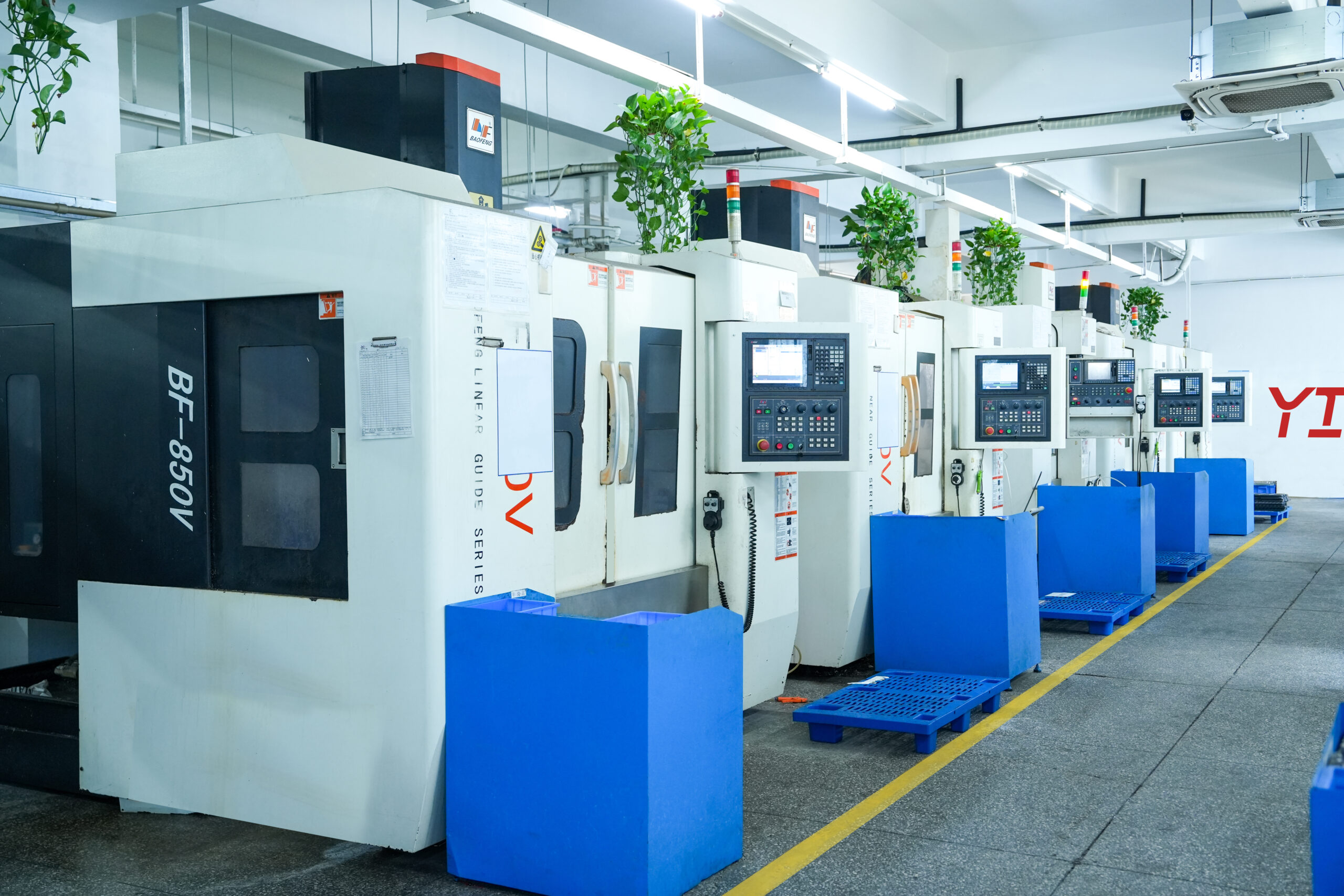
High-precision CNC turning solutions for prototypes and production parts that demand consistent accuracy, smooth surface finishes, and stable dimensional performance. Our multi-axis turning centers deliver reliable results across metals and engineering plastics, supported by ISO-certified quality processes and fast global turnaround.

cnc

Ein neues CNC-Angebot starten

ISO 9001:2015 | AS9100D | ISO 13485 | ITAR-konform

Die Yicenprecision Instant Quoting Engine ist durch die U.S. Pat. Nr. 11,086,292, 11,347,201, 11,693,388, 11,698,623, 12,099,341, und 12,189,361. Weitere Patente anhängig.

What Is CNC Turning?

CNC turning is a precision machining process used to create accurate cylindrical and concentric components by removing material from rotating stock. The controlled toolpaths deliver stable diameters, clean surface finishes, and consistent dimensional repeatability for both prototypes and production parts.

How CNC Lathes Operate

A spindle rotates the raw material while cutting tools shape external and internal features such as profiles, bores, grooves, and threads. This method ensures stable geometry and predictable accuracy.

Turning Configurations

Different types of lathes handle different levels of work, from basic turning of round parts to advanced machines that produce very small or complex shapes. Each type helps improve stability, tool control, and accuracy during machining.

Turning Workflow

The machine executes programmed feeds, speeds, and tool motions to achieve precise dimensions.

Key Features of CNC Turning

Our CNC turning capabilities are engineered for consistent accuracy, smooth finishes, and efficient production cycles across metal and plastic components. Each setup supports reliable machining for both prototypes and large-batch manufacturing.

HeadingBeschreibung
High Dimensional AccuracyStable spindle control and rigid toolpaths maintain tight diameter, roundness, and concentricity requirements.
Smooth Surface FinishesRotational cutting produces clean surfaces ideal for sealing fits, sliding interfaces, and precision assemblies.
Efficient for Cylindrical GeometriesCost-effective machining for shafts, bushings, pins, connectors, and other rotational components.
Fast Setup & Short Lead TimesTurning centers allow quick tool changes and reduced cycle time, supporting rapid prototyping and scaling.
Live Tooling SupportAdd milled flats, threads, grooves, slots, or cross-holes in a single setup for better accuracy and lower cost.
Stable Repeatability for ProductionRigid fixturing and automated toolpath control deliver consistent part geometry across long production runs.

Maximum CNC Turning Capabilities

Our CNC turning capabilities are engineered for consistent accuracy, smooth finishes, and efficient production cycles across metal and plastic components. Each setup supports reliable machining for both prototypes and large-batch manufacturing.

Why Choose Yicen Precision to CNC Turning ?

 We deliver reliable, production-ready turned parts with consistent accuracy, fast lead times, and engineering support built around real manufacturing requirements.

Micron-Level Precision

Stable, repeatable accuracy down to ±0.001″ for rotational components requiring controlled runout and concentricity.

Advanced Multi-Axis Turning Centers

Live tooling, Swiss-type, and multi-axis equipment allow complex features, reduced setups, and better dimensional consistency.

Support for Manufacturability

Our team reviews geometry, material selection, tolerances, and thread standards to ensure optimal machining and lower cost.

ISO-Certified Quality Systems

ISO-Certified Quality Every part passes through controlled inspection workflows aligned with ISO 9001:2015, AS9100D, and ISO 13485 standards.

Reliable Global Delivery

Secure logistics, protective packaging, and validated workflows ensure parts arrive on time and within specification.

Fast Prototyping & Scalable Production

From rapid prototypes to high-volume production runs, we maintain stable lead times with predictable output.

CNC Turning Tolerances

Our turning centers support a wide range of diameters, lengths, and feature types, ensuring reliable machining for small precision components and larger rotational parts.

OperationMax DiameterMax Length
Standard TurningØ300 mm500 mm
Live ToolingØ250 mm400 mm
Swiss-Type TurningØ32 mm150 mm

Materialien für das CNC-Drehen

Ingenieure und führende Hersteller vertrauen auf Yicen Precision, wenn es um schnelle Iterationen und langlebige, leistungsstarke Teile geht. Ob für Prototypen oder für die Großserienproduktion, unsere umfangreiche Materialauswahl gewährleistet Präzision, Festigkeit und Zuverlässigkeit für jedes CNC-Bearbeitungsprojekt.

Aluminium 5052
Aluminium 7075 und 7075-T6
Aluminium 6063-T5
Aluminium 7050-T7451
Aluminium MIC-6
Aluminium 6061-T6
Aluminium 2024-T3

Messing C360
Messing 260
C932 M07 Lager Bronze

H59
H60

ABS
Acetal [Delrin]
Acryl, G-10 Garolite
Nylon 6/6
PEEK
Polycarbonat
PTFE [Teflon]
Polypropylen
Polyethylen mit ultrahohem Molekulargewicht

Legierter Stahl 4130
Legierter Stahl 4140
ASTM A36
Rostfreier Stahl 15-5
Rostfreier Stahl 17-4
Rostfreier Stahl 18-8
Rostfreier Stahl 303
Rostfreier Stahl 304
Rostfreier Stahl 316/316L
Rostfreier Stahl 416
Rostfreier Stahl 420
Stahl 1018
Stahl A36

Titan Grad 2
Titan 6Al-4V

Zinkblech Legierung 500

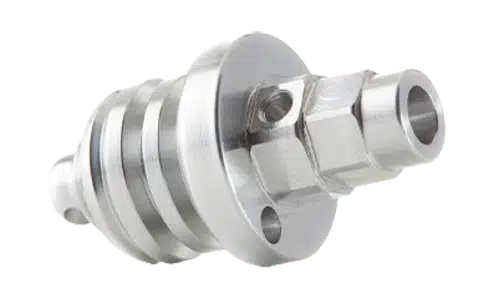
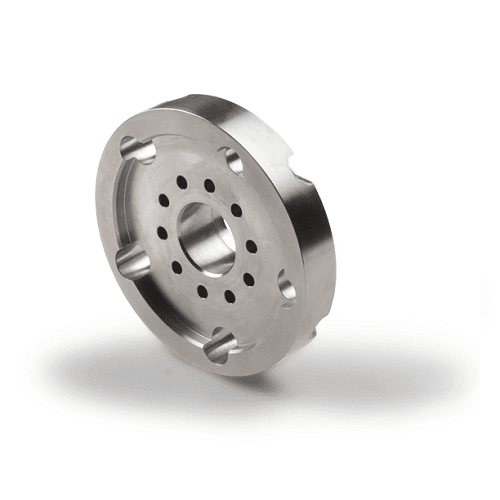
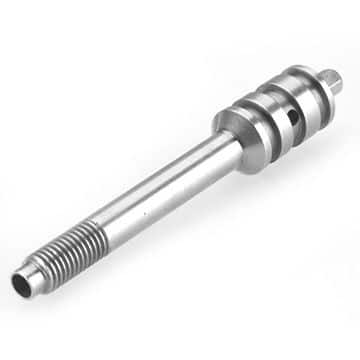
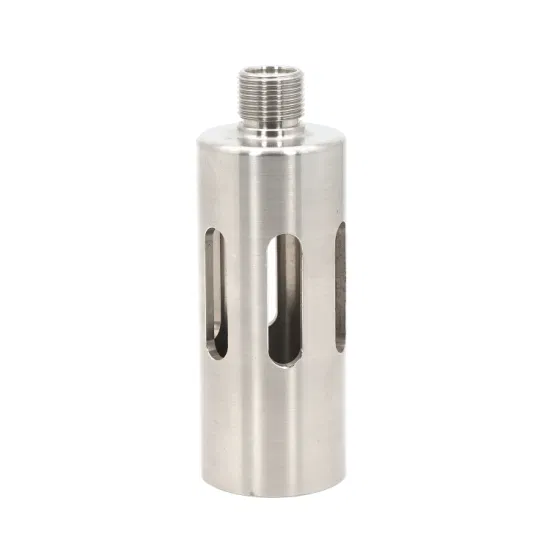
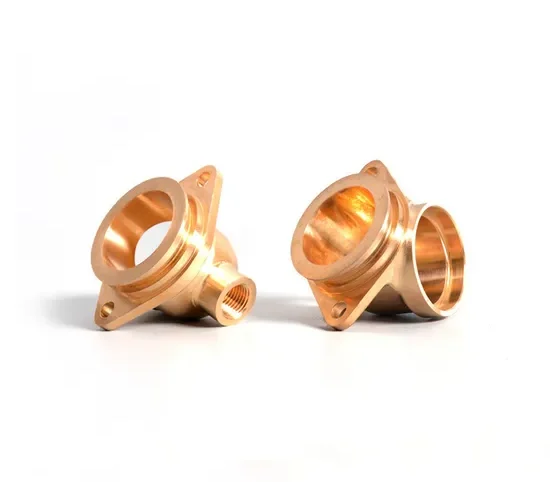
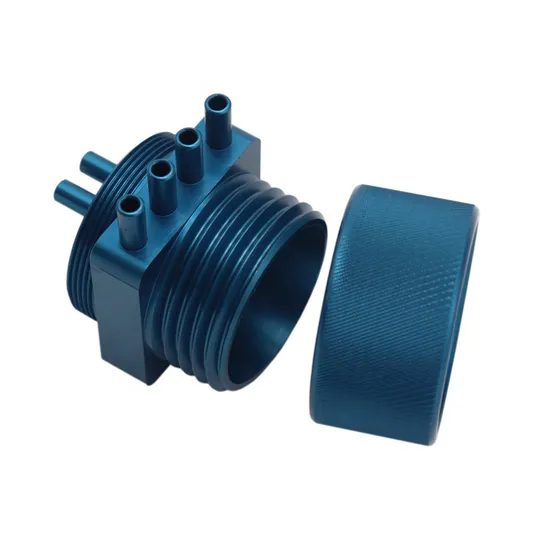
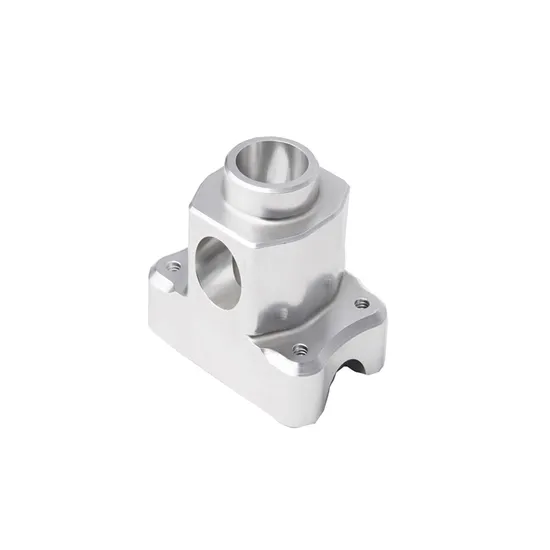
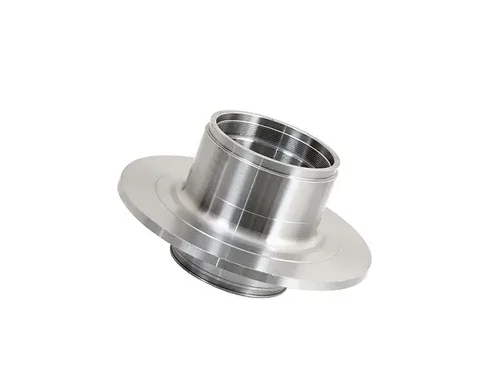
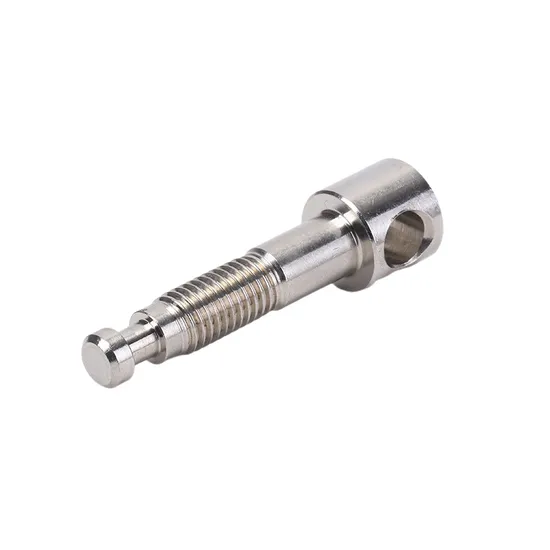
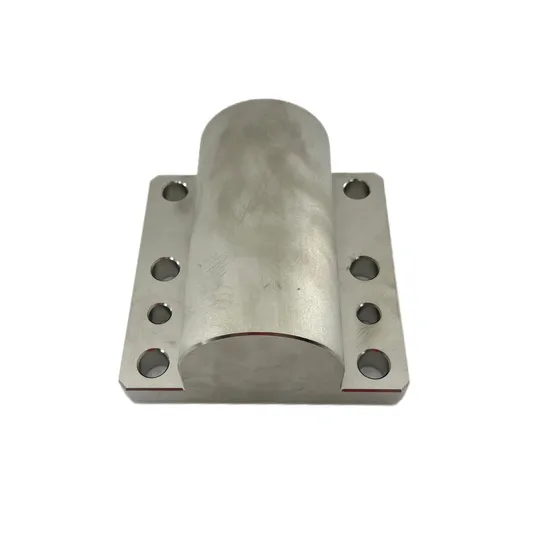
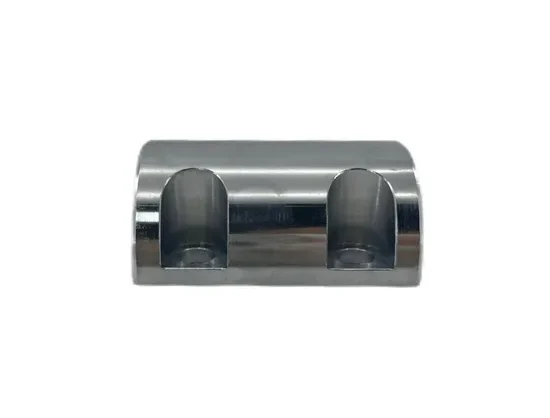
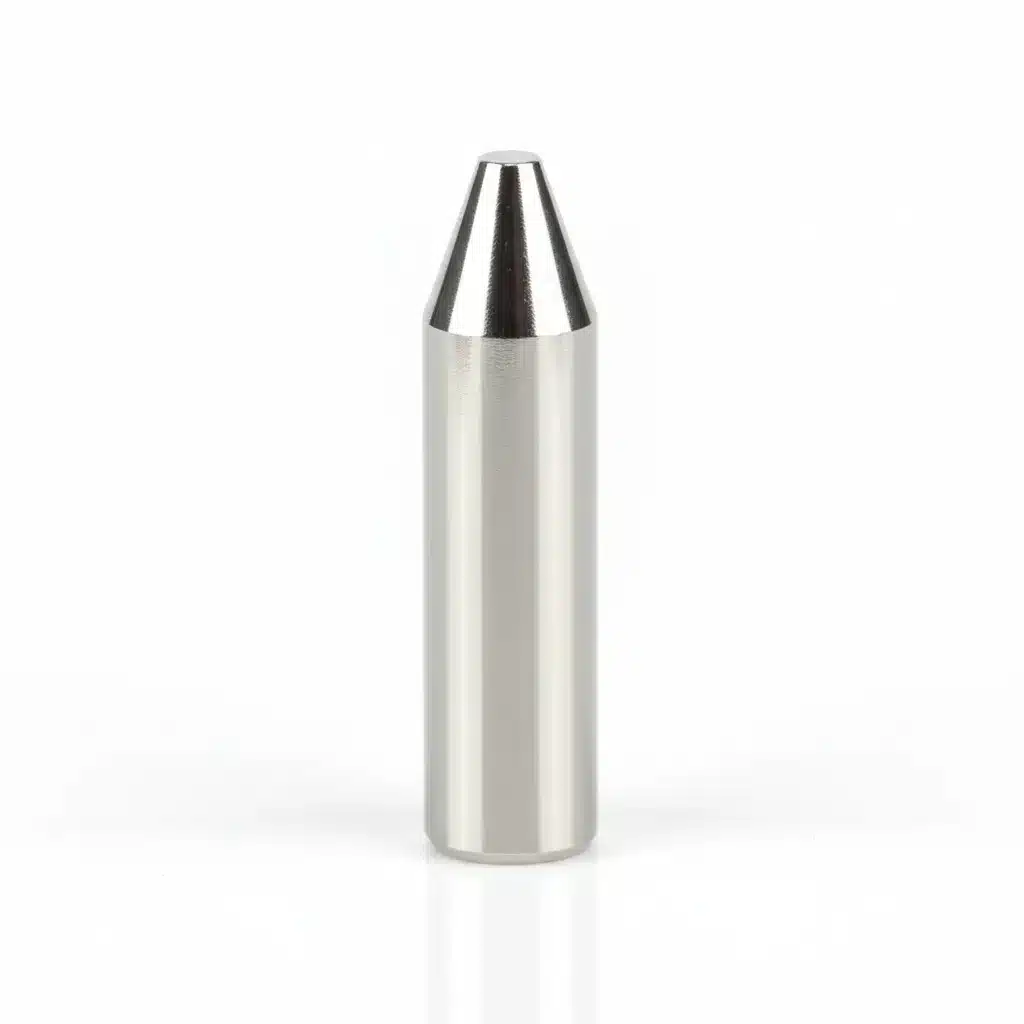
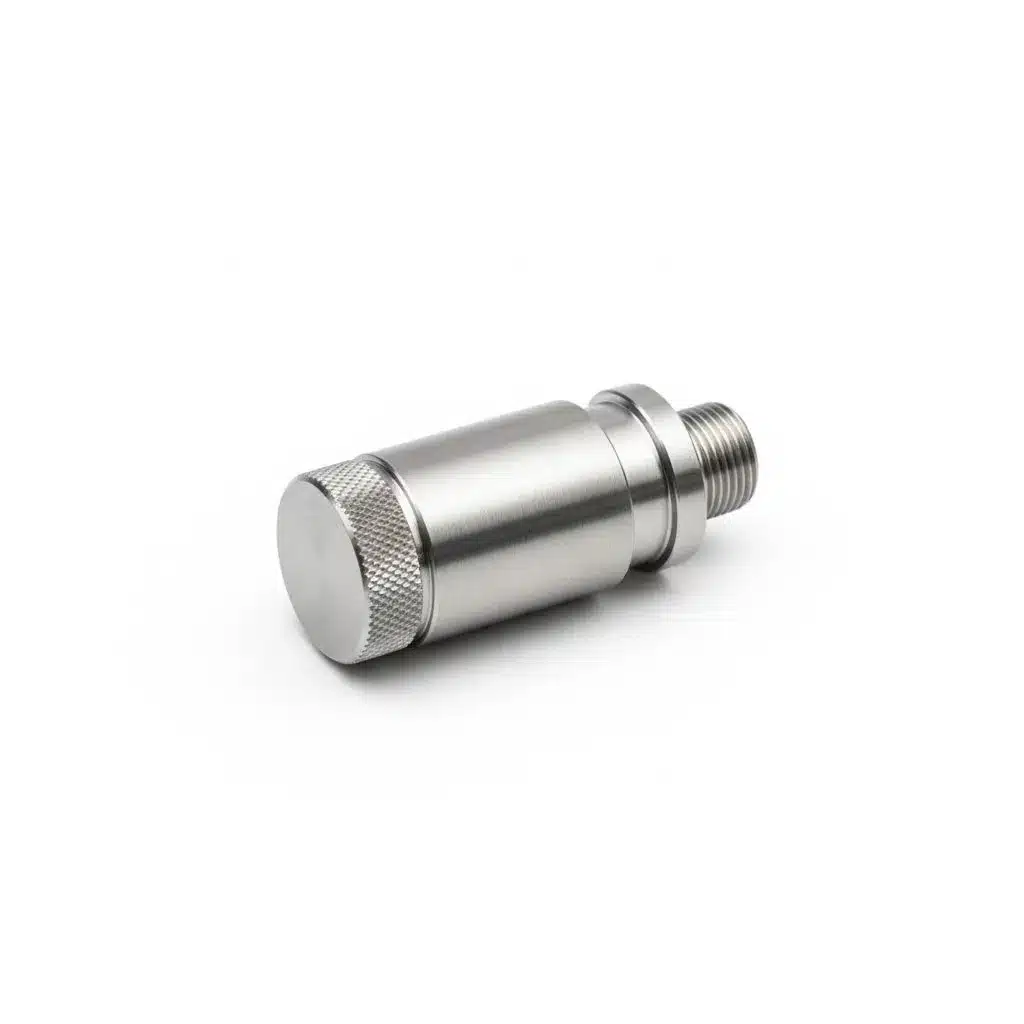
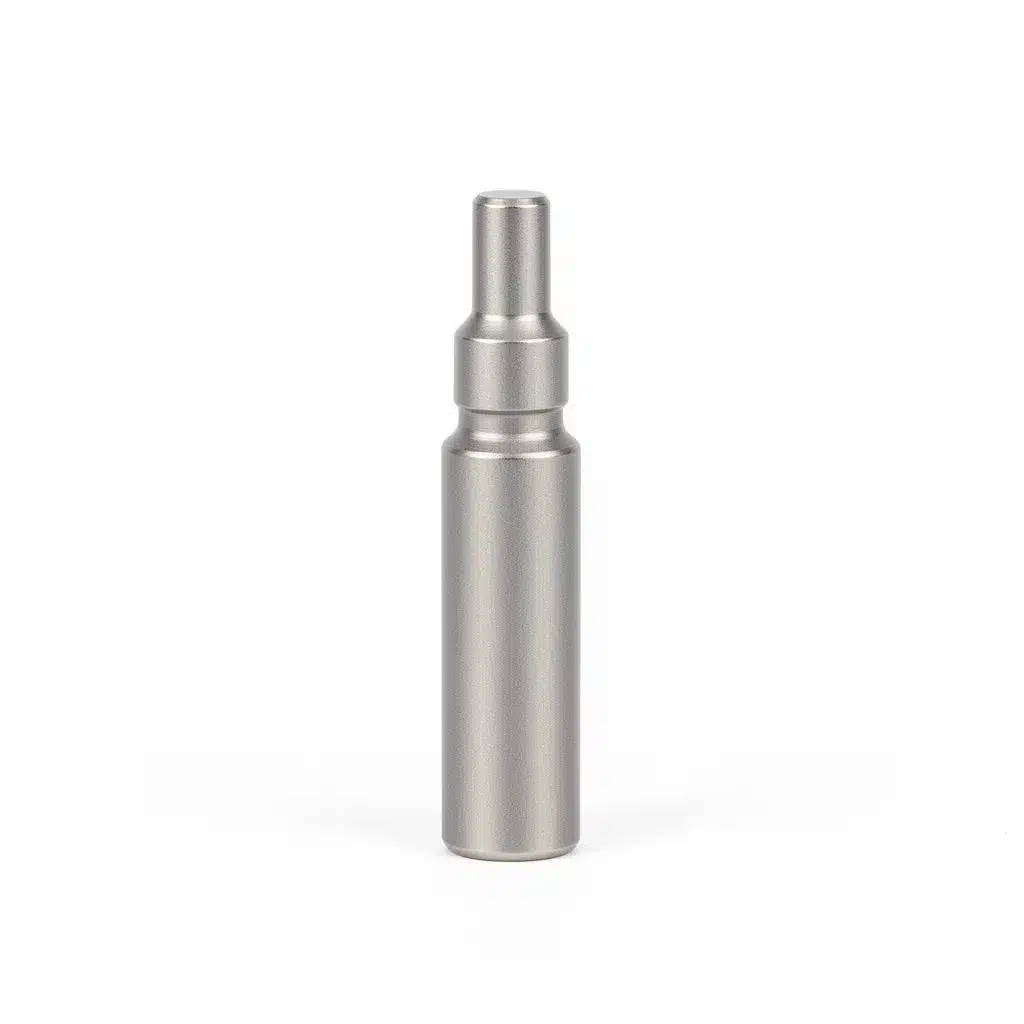
CNC Turning Services for Precision Components

Entdecken Sie unseren Experten precision cnc machining services, where accuracy meets performance at every stage. From intricate prototypes to production-ready components, our custom cnc machining services deliver high-accuracy parts. Every cut, every contour, crafted with exceptional quality, consistency, and attention to detail.

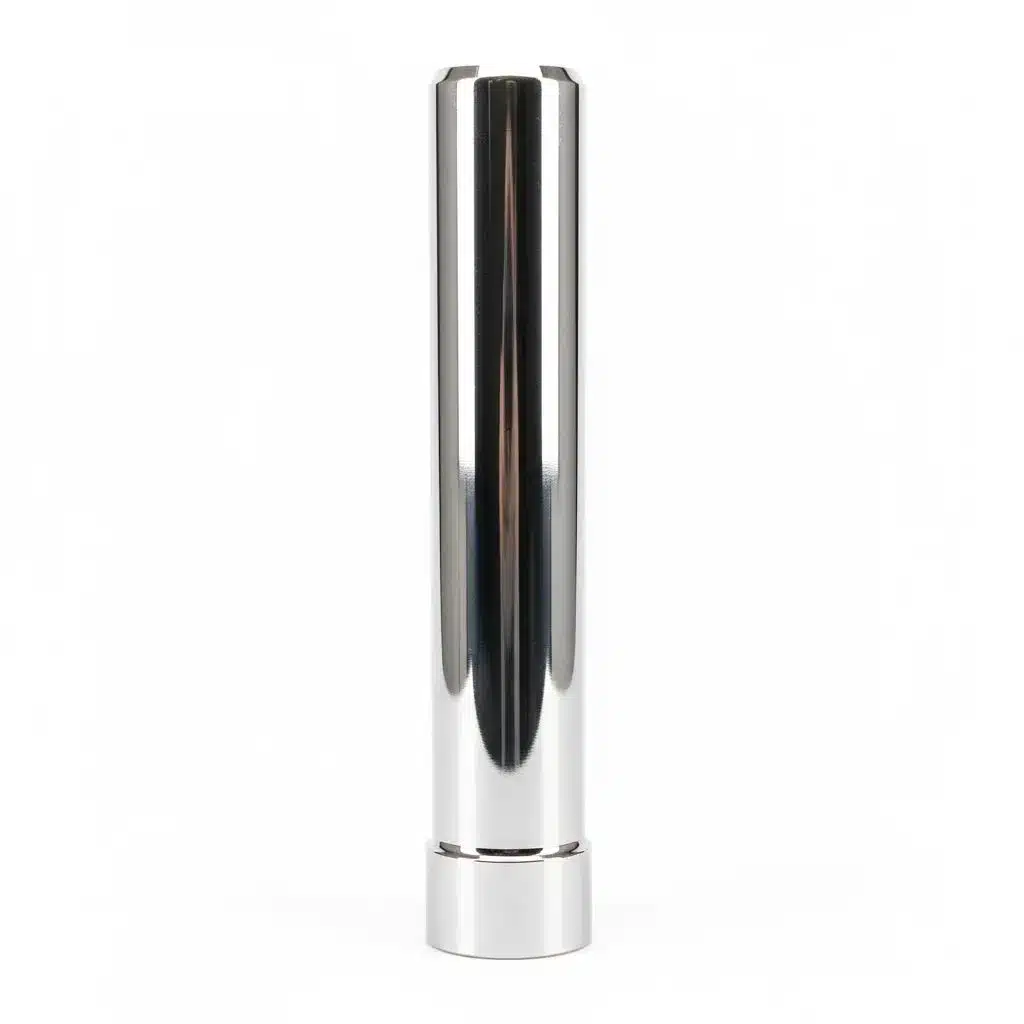
turing g1
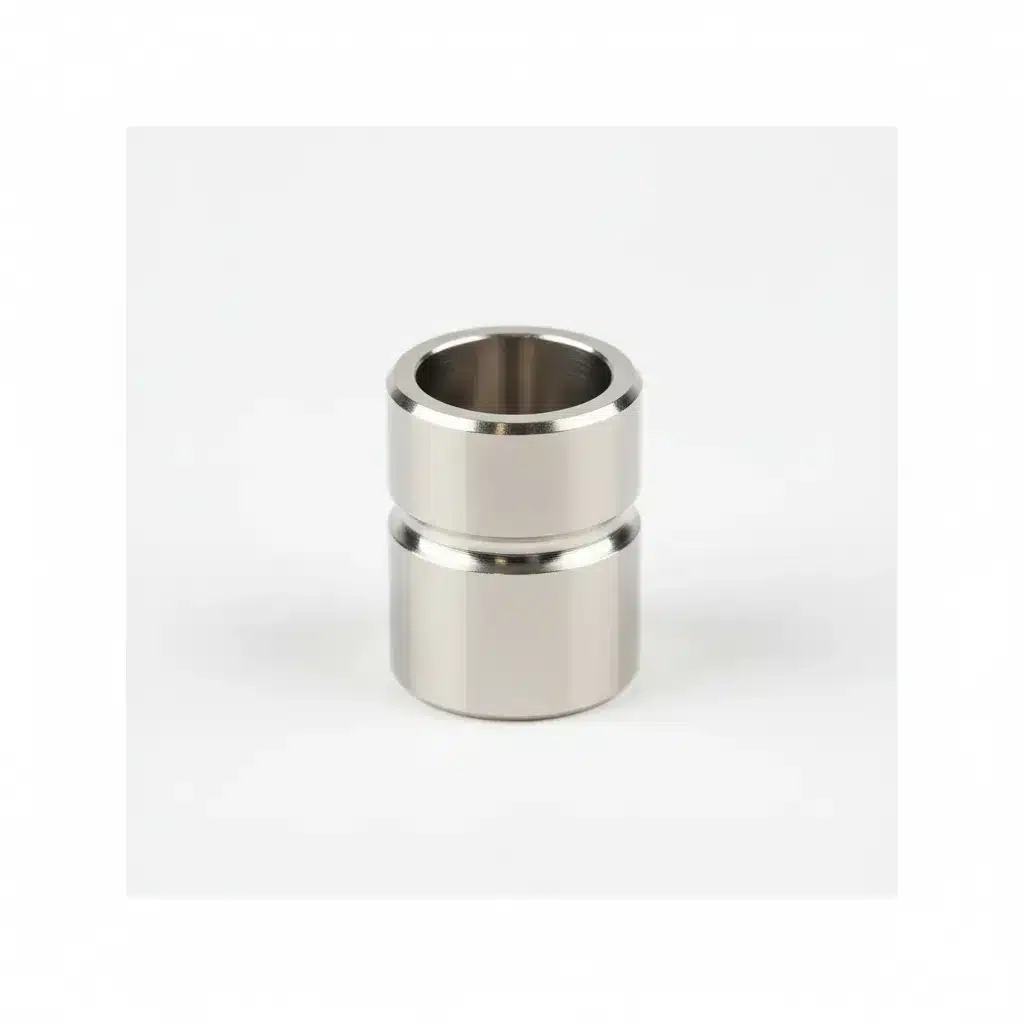
turing g2
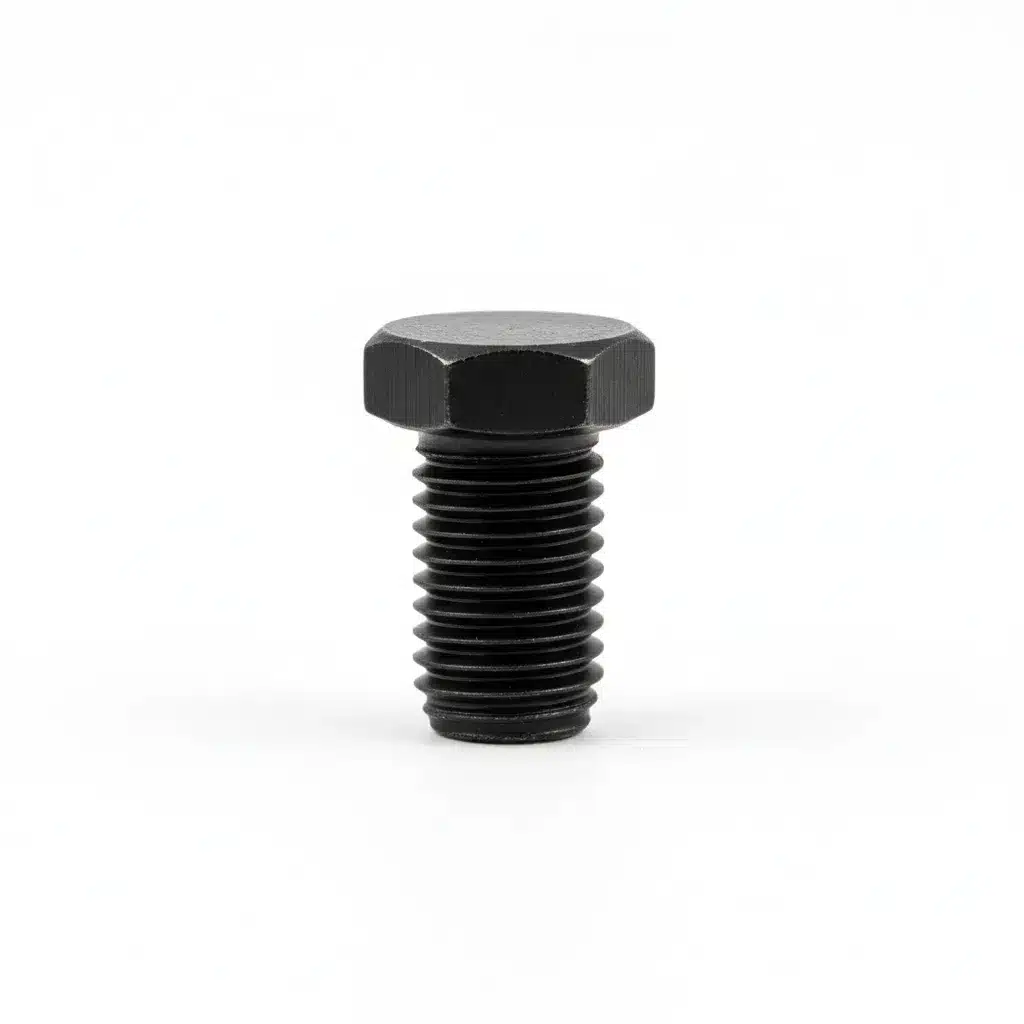
turing g3
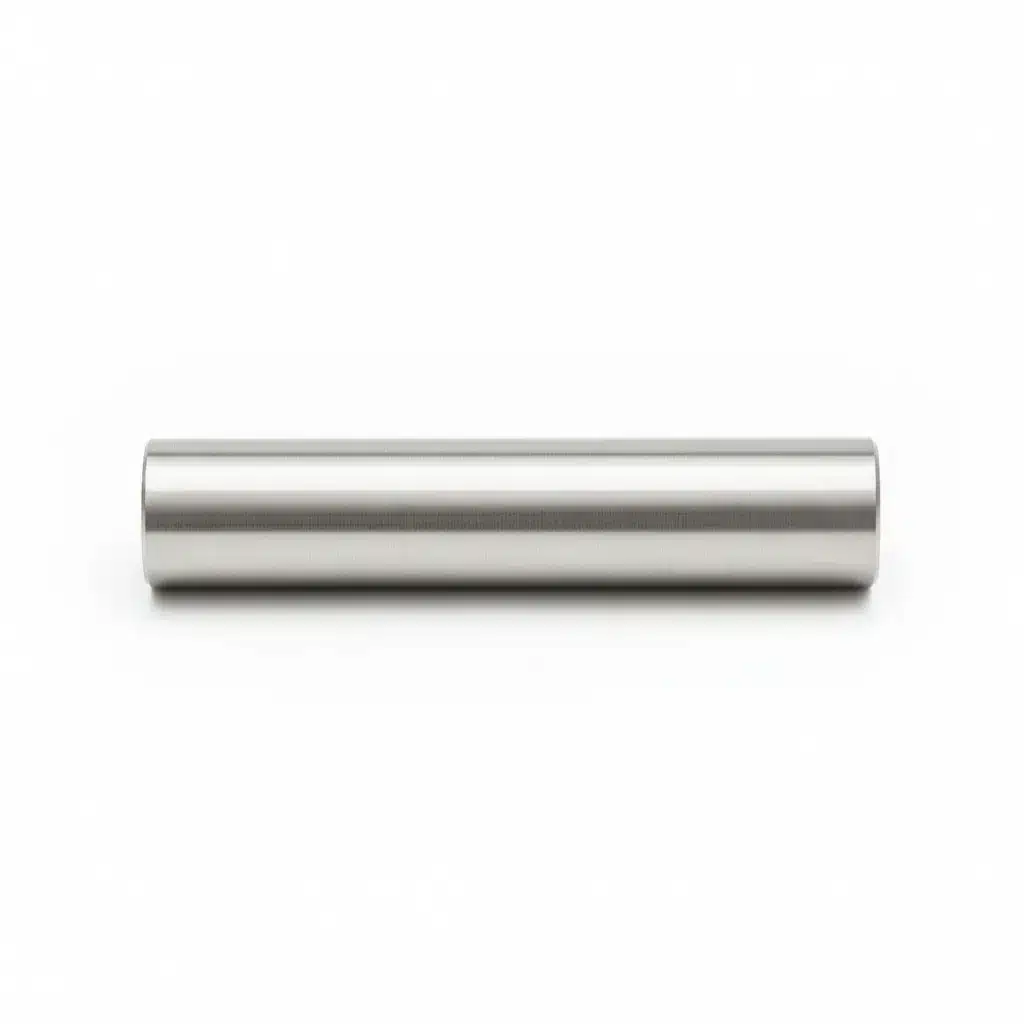
turing g4
turing g5
turing g6
turing g7
turing g8

CNC Turning Design Guidelines

 Effective design choices help reduce machining time, improve accuracy, and maintain stable part geometry during turning.

ParameterSpezifikation
Internal Radii– Avoid sharp internal corners; CNC tools naturally create radii. – Recommended internal radius: 2.6 × tool diameter. – Deep pockets: tool length should not exceed 10× diameter for stability.
Threads & Tapped Holes– For threads Ø1.5-6 mm: depth = 3× diameter. – For threads Ø6 mm: depth = 4× diameter. – Custom threads and fine-pitch threads available upon request. – For turned parts, laser marking is recommended for identification.
Mindestwanddicke– Metals: 0.3-1.0 mm. – Plastics: 1.2-1.5 mm. – Thin walls increase vibration, deflection, and machining marks.
Hole Sizes & Depth– Minimum hole diameter: 0.020″ (0.50 mm) depending on tool availability. – Recommended maximum depth: 4× diameter for reliable chip evacuation. – For precision bores, reaming or boring improves tolerance accuracy (±0.002″ typical).
Unterschneidet– Supported profiles: square, full radius, dovetail, and custom reliefs. – Specialized tools may increase machining time or cost.
Text & Engraving– CNC milling text: minimum 0.6 mm width and 0.1 mm depth. – For turned parts or finer marking, laser engraving is preferred.
Avoid Over-Constraint– Parts should not require excessive fixturing; design for stable flat surfaces and supported geometries. – Avoid ultra-thin features, unsupported tabs, and unnecessary complexity.
DFM Review Available– Our engineers check your part for manufacturability, tolerance risks, tool access, and stability — ensuring efficient machining and high-quality output.

Oberflächenveredelung für CNC-Drehen

Präzisionsdrehteile profitieren von speziellen Oberflächenbehandlungen, die die Festigkeit, Haltbarkeit und Gesamtleistung verbessern. Diese Behandlungen sind ideal für die Optimierung der Funktionalität von Wellen, Buchsen und zylindrischen Komponenten.

Wie gemahlen

 Die schnellste und wirtschaftlichste Option, die sichtbare Werkzeugspuren und möglicherweise scharfe Kanten oder Grate hinterlässt. Die Oberflächenrauhigkeit beträgt etwa 125 µin Ra, und Grate können auf Wunsch entfernt werden.

Hartverchromung

Eine dicke Chrombeschichtung, die die Härte, Verschleißfestigkeit und Haltbarkeit erhöht. Perfekt für stark beanspruchte Teile wie Wellen und Kolben.

Vernickeln

Eine dünne, galvanisch aufgebrachte Nickelschicht, die die Verschleiß- und Korrosionsbeständigkeit erhöht. Bietet eine helle, attraktive Oberfläche für Funktionsteile.

Black Oxide

Eine chemische Behandlung, die eine dunkle, mattschwarze Oberfläche auf Stahlteilen erzeugt. Bietet eine geringe Korrosionsbeständigkeit und reduziert die Lichtreflexion.

Polierte Oberfläche

Eine glatte, glänzende Oberfläche, die durch mechanisches Polieren erzielt wird. Ideal für dekorative Teile, die erhöhten Glanz und geringe Rauheit erfordern.

Gebürstetes Finish

Eine lineare, satinartige Textur, die mit Schleifbändern oder Bürsten erzeugt wird. Sie reduziert kleinere Unebenheiten und bietet ein sauberes, dekoratives Aussehen.

Benutzerdefiniert

Benötigen Sie eine bestimmte Oberfläche? Senden Sie uns eine Anfrage, und wir werden gemeinsam mit Ihnen eine maßgeschneiderte Lösung für Ihr Projekt finden.

Perlenknall

 Erzeugt eine glatte, matte Oberfläche durch Strahlen, in der Regel mit Glasperlen, und bietet eine verbesserte Ästhetik und gleichmäßige Oberflächenstruktur.

Quality Assurance & Inspection Capabilities

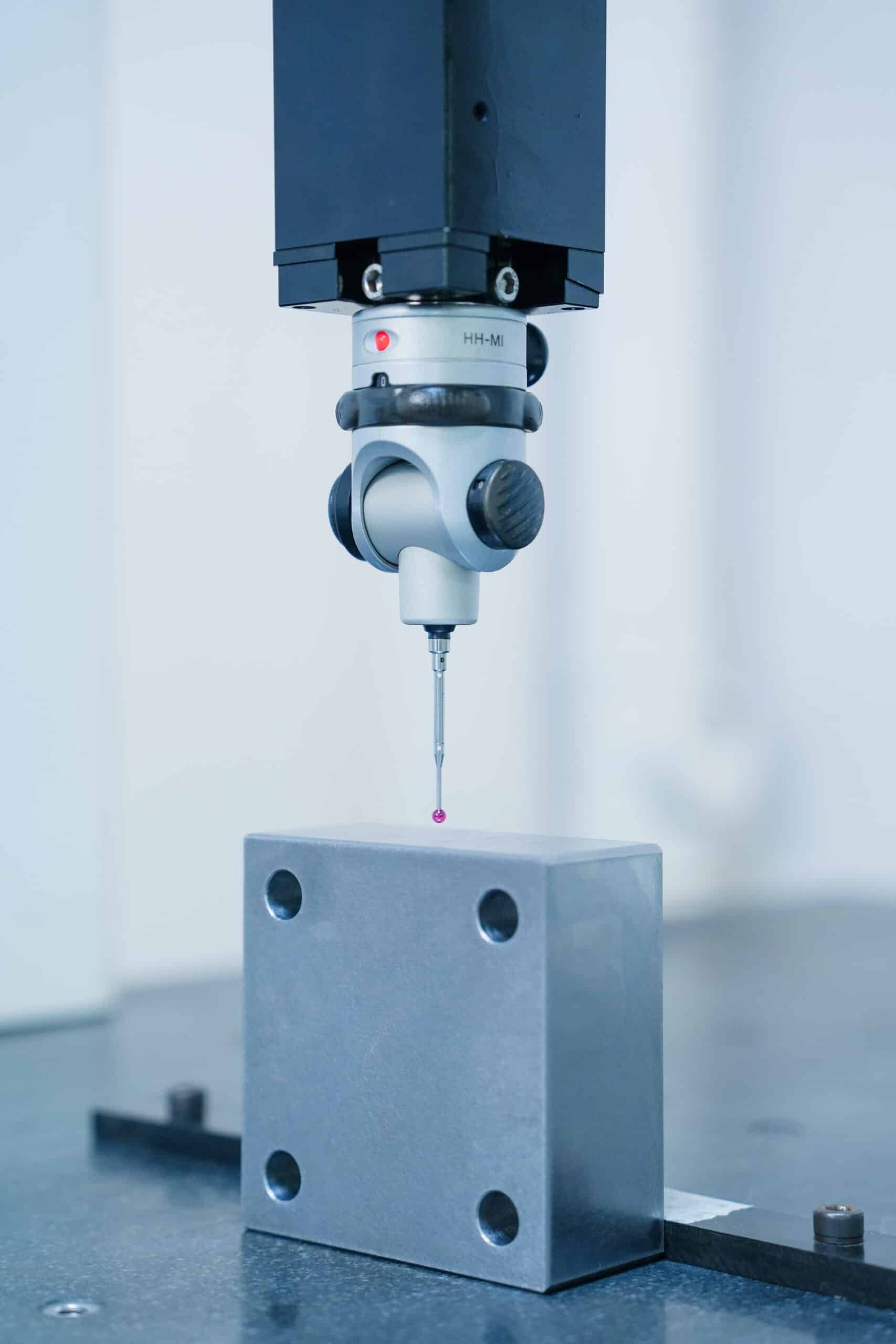
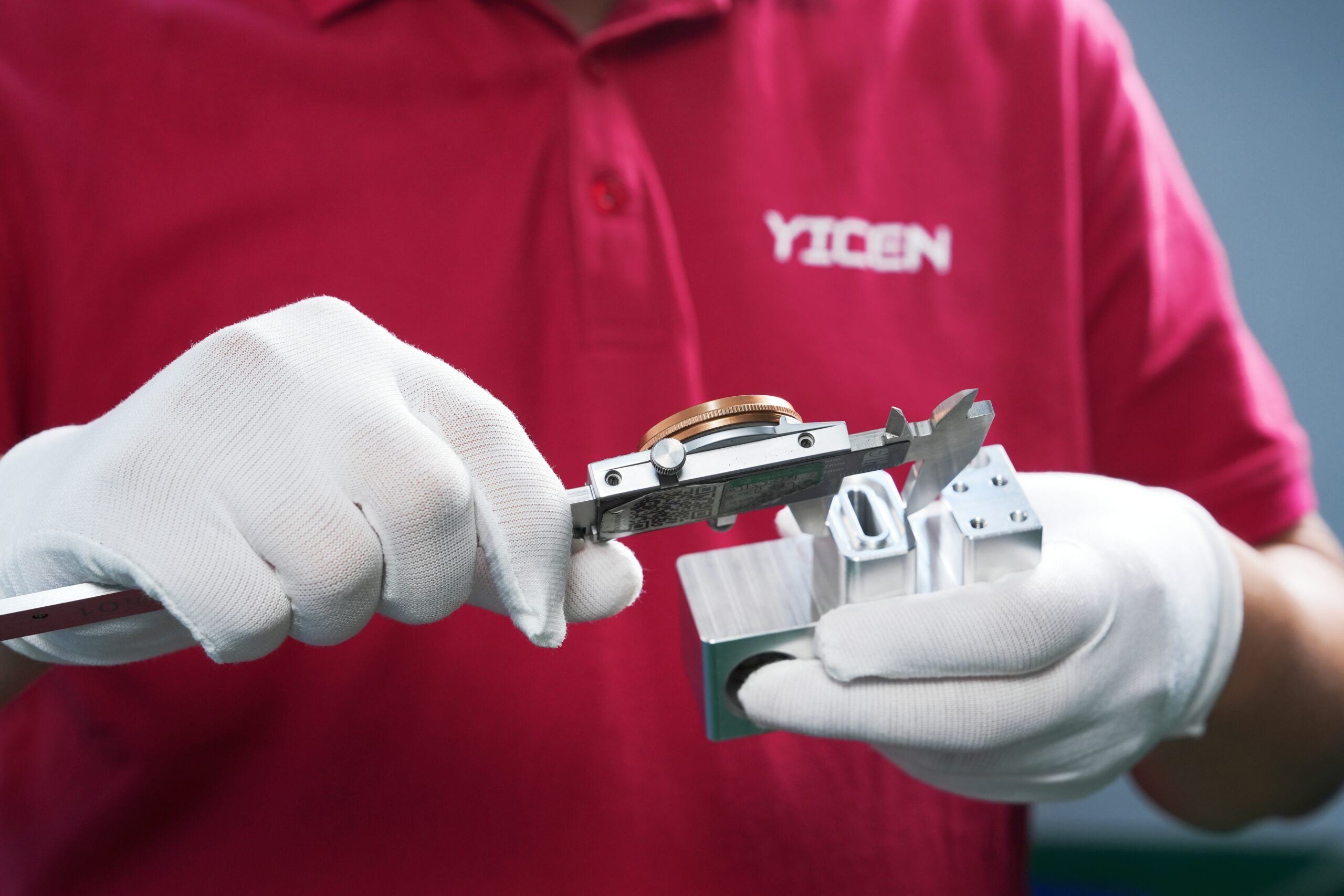
 Every turned part is inspected using certified metrology workflows to ensure dimensional accuracy, surface integrity, and repeatable performance across all production volumes.

Maßgenauigkeit

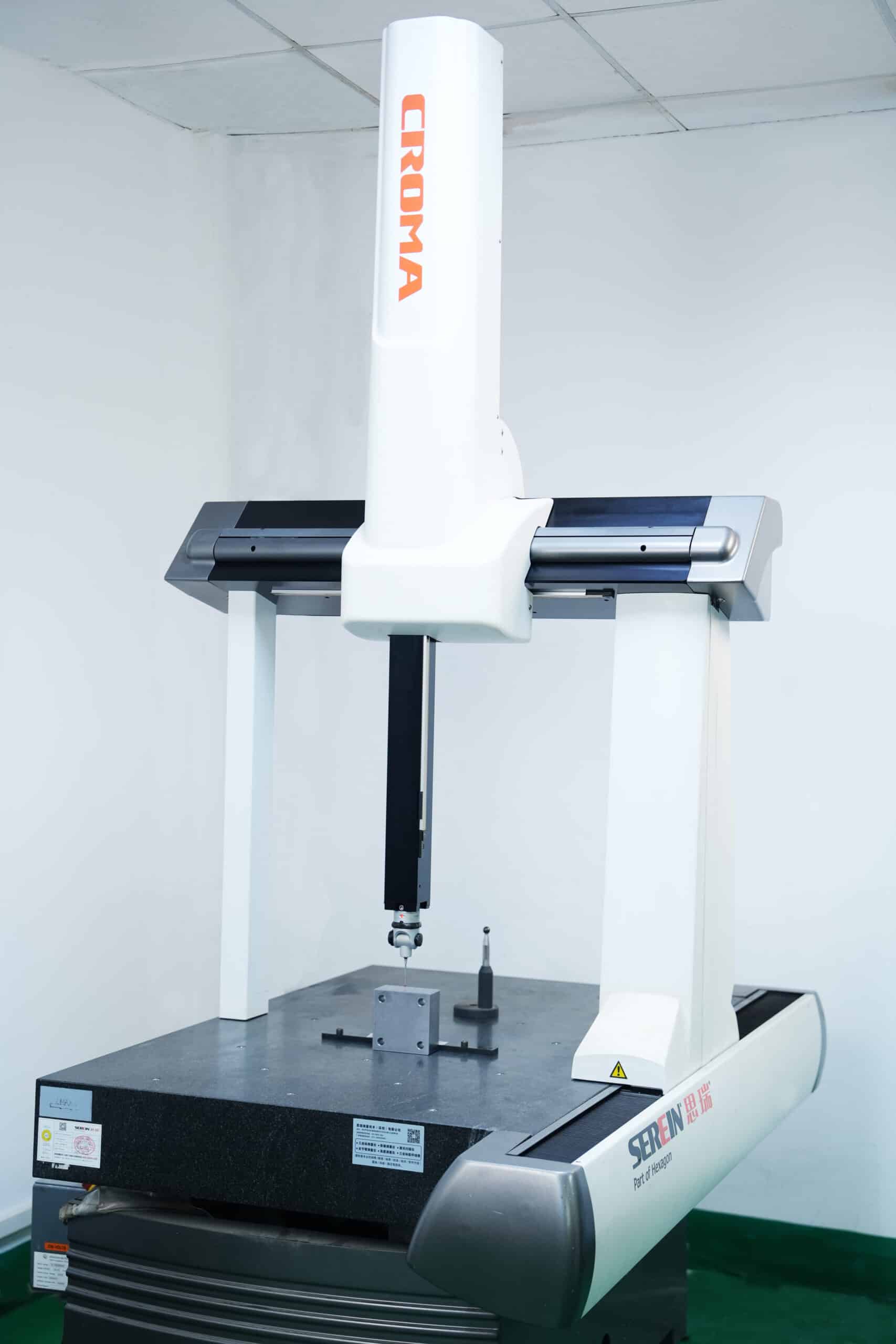
CMM inspection for critical datums, diameters, roundness, and concentricity
Bore gauges, micrometers, and height systems for fast in-process checks
Supports tight-tolerance features down to ±0.001 in (±0.025 mm)

GD&T & Tolerance Verification

Surface roughness checks (Ra 3.2 μm standard; Ra 0.8 μm optional)
Runout and concentricity measurement for rotational components
Compliance with turning-specific finishing standards

Surface & Finish Testing

Inspection aligned with ISO 2768-mK and ASME Y14.5
Verification of profile, position, perpendicularity, parallelism, circularity
Ensures geometric stability under real machining conditions

Traceability & Reporting

FAI reports, material certificates (MTRs), and CMM data available
Lot tracking for aerospace, medical, and industrial requirements
Secure record-keeping for full audit trail and quality compliance

Applications of CNC Turning

CNC turning is ideal for precision rotational components where concentricity, smooth surface finishes, and consistent dimensional control are critical.

Shafts & Axles

For motors, gear assemblies, automation systems, and drive mechanisms where straightness, runout, and load-bearing interfaces matter.

Bushings & Spacers

High-accuracy cylindrical components for reducing friction, maintaining alignment, and supporting rotational motion.

Threaded Connectors & Fittings

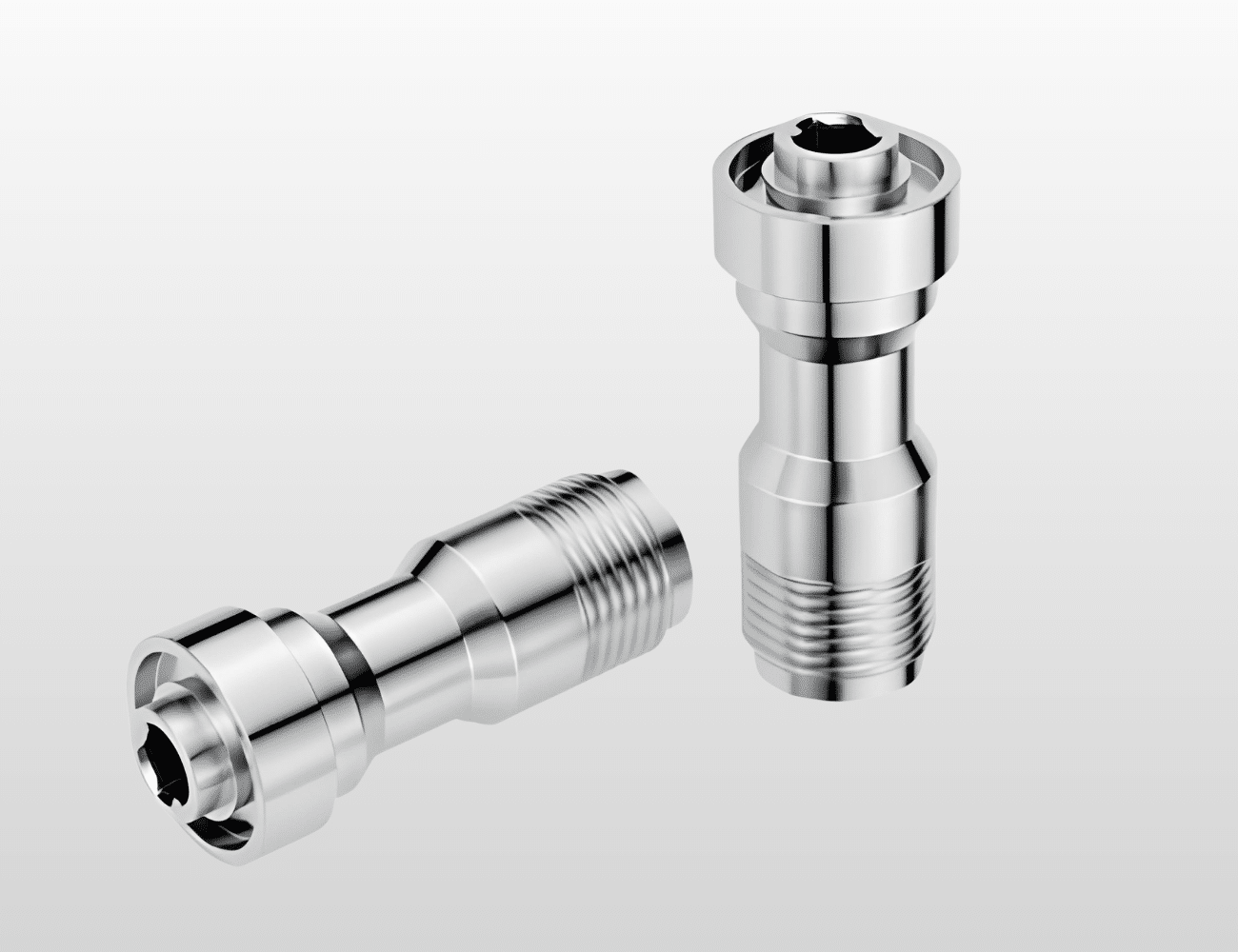
Precision internal/external threads for hydraulic, pneumatic, and mechanical systems; supports ISO/ASME thread standards.

Pins, Dowels & Couplers

Used for alignment, load transfer, and joining mechanisms in automotive, aerospace, and machinery assemblies.

Sleeves, Housings & Collars

Turned enclosures and structural rings requiring tight diametrical tolerances and smooth surface profiles.

Hydraulic & Pneumatic Components

Valves, adapters, and pressure-line components requiring concentric sealing surfaces and controlled tolerances.

Custom Rotational Components

Specialized geometries, stepped profiles, and multi-diameter parts for prototypes, tooling, and production assemblies.

Industrien, die wir bedienen

Yicen Precision beliefert ein breites Spektrum von Branchen, darunter die Luft- und Raumfahrt, die Automobilindustrie, die Elektronik und die Medizintechnik. Wir sind darauf spezialisiert, qualitativ hochwertige, zuverlässige Teile zu liefern, die auf die besonderen technischen Herausforderungen der jeweiligen Branche zugeschnitten sind.

Fallstudien

Yicen Bearbeitende Lösungen

Ganz gleich, ob Sie eine kleine Charge kundenspezifischer Teile herstellen oder eine Großserienproduktion anstreben, die Bearbeitungsdienstleistungen von Yicen bieten die Flexibilität, die Sie benötigen.

Schnelles Prototyping

Die CNC-Schnellbearbeitung von Prototypen eignet sich perfekt für die Herstellung von technischen oder Produktionsprototypen, die dem Endprodukt in Aussehen und Funktionalität sehr ähnlich sind. Bei Yicen bieten wir Ihnen sofortige Angebote und eine schnelle Lieferung, damit Sie präzise und qualitativ hochwertige CNC-gefertigte Prototypen für Ihren Bedarf erhalten.

Kleinserienfertigung

Die CNC-Bearbeitung von Kleinserien dient oft als Brücke zwischen Prototyping und Massenproduktion für neue und aufkommende Produktionen. Mit Yicen wird dieser Prozess einfacher, effizienter und kostengünstiger, so dass Sie die Produktion schnell skalieren und gleichzeitig hohe Qualitätsstandards einhalten können.

Endverwendung Produktion

Die CNC-Produktionsbearbeitung ist die beste Lösung für die effiziente Herstellung von tausend oder mehr Teilen. Yicen nutzt eine vielfältige Auswahl an Werkstoffen sowie Automatisierungs- und Mehrachsenkapazitäten, um Großserien mit engen Toleranzen, überragender Maßgenauigkeit, hoher Zuverlässigkeit und kurzen Durchlaufzeiten zu fertigen.

Verbinden Sie sich mit uns

Verwandlung von Konzepten in Präzisionsteile

Wir sind darauf spezialisiert, Ihre Ideen mit beispielloser Schnelligkeit und Präzision in hochwertige, funktionale Komponenten umzusetzen. Mit fortschrittlicher Technologie und fachmännischem Können stellen wir Teile her, die selbst die komplexesten Spezifikationen erfüllen.

Nehmen Sie Kontakt mit uns auf!
Prompte Antwort garantiert innerhalb von 12 Stunden
🔐 Alle Uploads sind sicher und vertraulich

Häufig gestellte Fragen

CNC-Drehen

  • What file formats do you accept?

    We accept all standard CAD and engineering formats used in CNC machining: 

    • STEP (.step / .stp)
    • IGES (.igs / .iges)
    • Parasolid (.x_t / .x_b)
    • SolidWorks (.sldprt)
    • DXF / DWG for 2D drawings
    • PDF for dimensioned technical drawings 

    Providing a technical drawing with GD&T improves accuracy, especially for parts needing precision CNC turning. 

  • What materials can be turned?

    We machine a wide range of metals and engineering plastics commonly used in precision CNC turning. Metals include aluminum (6061, 7075), stainless steel (304, 316, 17-4), carbon steels, brass, copper, titanium, and high-temperature alloys such as Inconel. Plastics such as POM, Nylon, PEEK, PTFE, PVC, and ABS are also supported for custom CNC turned parts. Material selection is validated based on machinability, dimensional stability, and final application requirements.
  • What tolerances can you achieve?

    Typical CNC turning tolerances are ±0.005″, while tight-tolerance CNC turning services can achieve ±0.001″ or better on critical diameters, shoulders, and mating surfaces. Roundness can be controlled to ≤ 0.002″, with concentricity typically held within ≤ 0.005″ depending on geometry and tool access. All tolerance requirements are confirmed during DFM review to ensure the design is manufacturable. 

  • Do you offer live tooling?

    Yes. Our CNC turning services include live tooling and multi-axis turning, enabling milling, drilling, slotting, and threading operations within a single setup. This improves concentricity, reduces tool changes, minimizes fixture requirements, and shortens lead time — especially for complex turned-milled components. 

  • What surface finishes do you offer?

    We provide a full range of finishing options for metal and plastic turned parts:

    1. As-turned
    2. Perlstrahlen
    3. Pulverbeschichtung
    4. Anodizing (Type II / Type III) 
    5. Polishing / Electropolishing 
    6. Schwarzes Oxid
    7. Zinc & nickel plating

      Finishes are selected based on durability, corrosion resistance, friction behavior, or cosmetic needs. Surface roughness can reach Ra 0.8 μm for high-precision turning applications. 

  • How do you ensure concentricity and runout accuracy?

    Concentricity and runout are controlled through:

    1. Precision collets, soft jaws, and balanced workholding
    2. Single-setup machining when possible
    3. Live tooling alignment verification
    4. Controlled toolpath strategies for rotational accuracy
    5. CMM inspection of critical features
      These methods allow precision CNC turning of parts that require tight alignment across multiple diameters or threaded sections.


  • Can you handle both prototypes and mass production?

    Yes. We support rapid prototype machining, low-volume batches, and high-volume production. Prototypes benefit from flexible tooling and fast machine setup, while production orders leverage automated turning centers, multi-axis operations, and consistent process control. Both small and large quantities receive identical quality assurance steps.

  • How fast is delivery?

    Prototype turned parts can ship in as fast as 1–3 days, depending on complexity, tolerances, and finishing requirements. Low-volume runs typically take 5–10 days, while mass production depends on part count and process routing. All orders follow a predictable schedule, with real-time communication throughout manufacturing. 

Nehmen Sie Kontakt mit uns auf!
Prompte Antwort garantiert innerhalb von 12 Stunden
🔐 Alle Uploads sind sicher und vertraulich