1. Startseite
  2. "
  3. Industrie
  4. "
  5. Luft- und Raumfahrtindustrie

Orthopedic Components CNC Machining for Medical Devices Industry

Yicen Precision delivers life-enhancing orthopedic components with micro-tolerances to ±0.0002″ and certified biocompatible materials. Our ISO 13485-certified facility produces hip stems, knee implants, spinal hardware, and trauma fixation devices that restore mobility and improve patient quality of life. Experience precision orthopedic manufacturing that surgeons trust—request your custom quote today.

orthopedic components cnc machining for medical devices industry

Bearbeitungsdienstleistungen Lösungen für die Produktion medizinischer Geräte

 Wir von Machining Services wissen um die entscheidende Bedeutung von Präzision und Sicherheit bei der Herstellung medizinischer Geräte. Unsere CNC-Bearbeitungsdienstleistungen sind ideal für die Herstellung hochwertiger, zuverlässiger Komponenten für Geräte, die in der Diagnostik, für chirurgische Werkzeuge, Implantate und vieles mehr verwendet werden. Mit dem Schwerpunkt auf engen Toleranzen, biokompatiblen Materialien und der Einhaltung gesetzlicher Vorschriften stellen wir sicher, dass jedes Teil die strengen Standards der Gesundheitsbranche erfüllt. Unabhängig davon, ob Sie an Prototypen oder kompletten Produktionsläufen arbeiten, bieten wir Bearbeitungslösungen, die die Patientenversorgung und die Medizintechnik voranbringen.

orthopedic components cnc machining for medical devices industry (2)

Solutions for Orthopedic Components CNC Machining Medical Devices

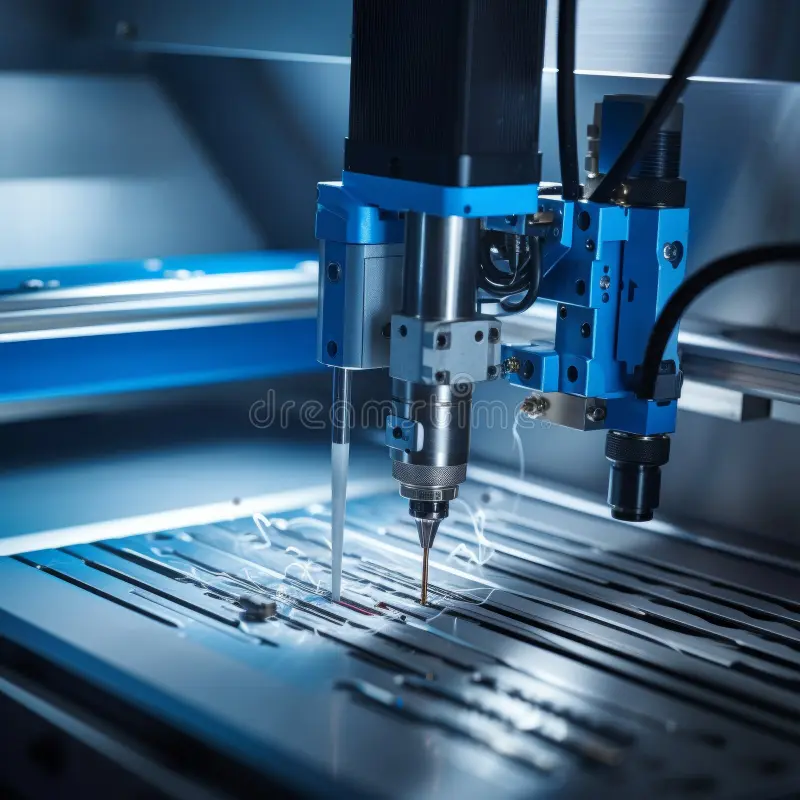
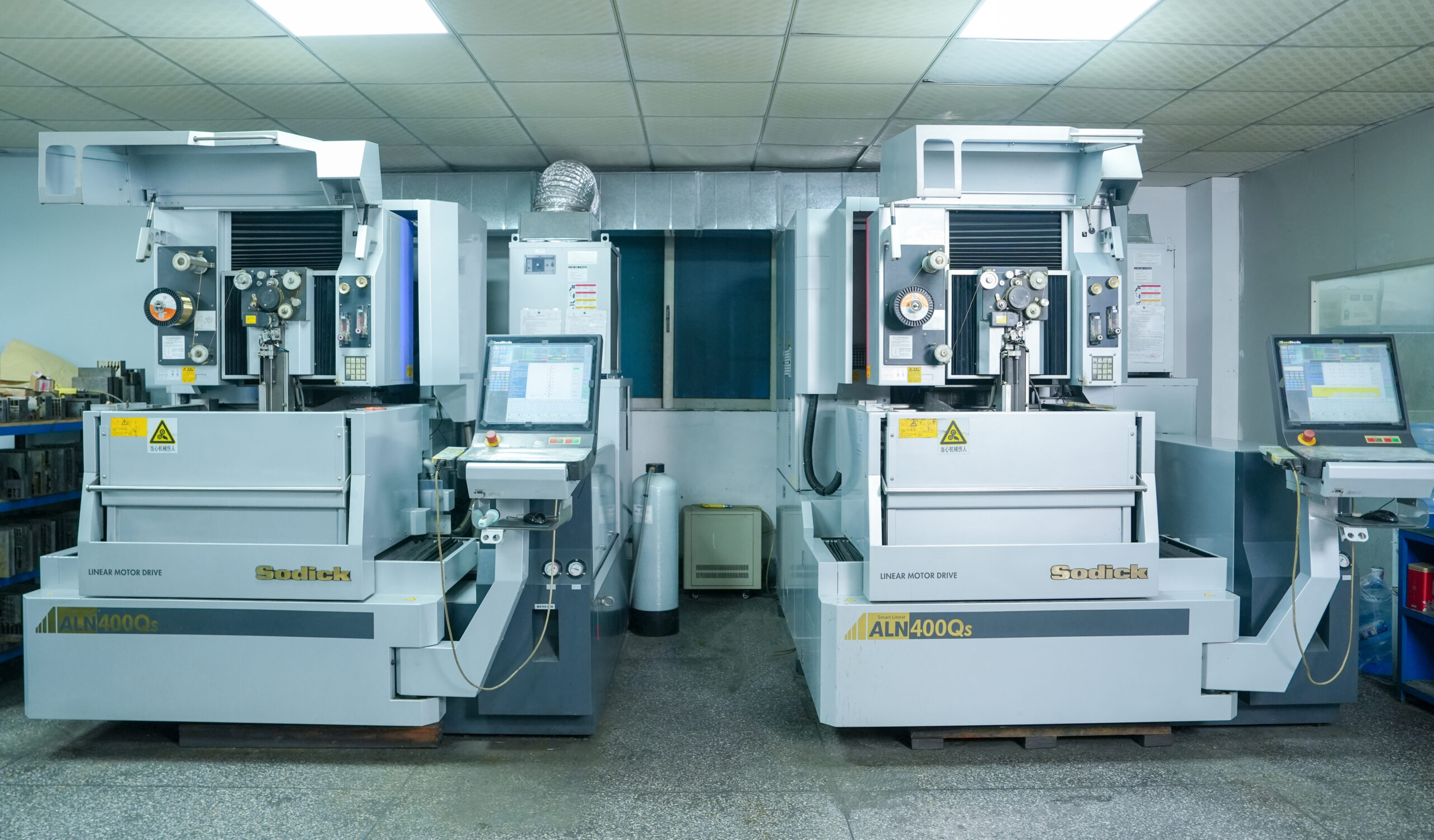
Orthopedic components represent some of the most demanding medical devices, requiring exceptional precision, biocompatibility, and mechanical strength to restore function and mobility. Yicen Precision specializes in orthopedic components CNC machining, manufacturing hip and knee joint replacements, spinal fusion hardware, bone plates and screws, intramedullary nails, and custom patient-specific implants. Our state-of-the-art 5-axis milling centers and precision multi-axis lathes produce complex anatomical geometries, porous surfaces for osseointegration, and intricate features essential for successful surgical outcomes.

We excel in machining orthopedic components from certified biocompatible materials including Ti-6Al-4V ELI (Grade 23 titanium), cobalt-chromium-molybdenum alloys (CoCrMo), medical-grade stainless steel (316LVM), and PEEK polymers for spinal applications. Every orthopedic components CNC machining project adheres to ISO 13485, FDA 21 CFR Part 820, ASTM F136/F1537 material standards, and international medical device regulations. Our precision tooling, validated manufacturing processes, and comprehensive CMM inspection ensure biomechanical accuracy and repeatability from prototype validation through commercial production for orthopedic implant manufacturers worldwide.

Wir liefern CNC-Teile für medizinische Geräte

Chirurgische Instrumente und Werkzeuge
Implantierbare Komponenten
Gehäuse für medizinische Geräte
Teile für Diagnostikgeräte
Kundenspezifische Steckverbinder und Halterungen
Orthopädische Komponenten
Katheter und Schläuche
Gehäuse für medizinische Elektronik
Komponenten des Medikamentenverabreichungssystems
Prototyping

Wir liefern CNC-Teile für medizinische Geräte

 Wir liefern präzisionsgefertigte Komponenten für medizinische Geräte, die die Einhaltung strenger Qualitätsstandards gewährleisten und Innovationen in der Gesundheitstechnologie unterstützen.


Chirurgische Instrumente und Werkzeuge
Implantierbare Komponenten
Gehäuse für medizinische Geräte
Teile für Diagnostikgeräte
Kundenspezifische Steckverbinder und Halterungen
Orthopädische Komponenten
Katheter und Schläuche
Gehäuse für medizinische Elektronik
Komponenten des Medikamentenverabreichungssystems
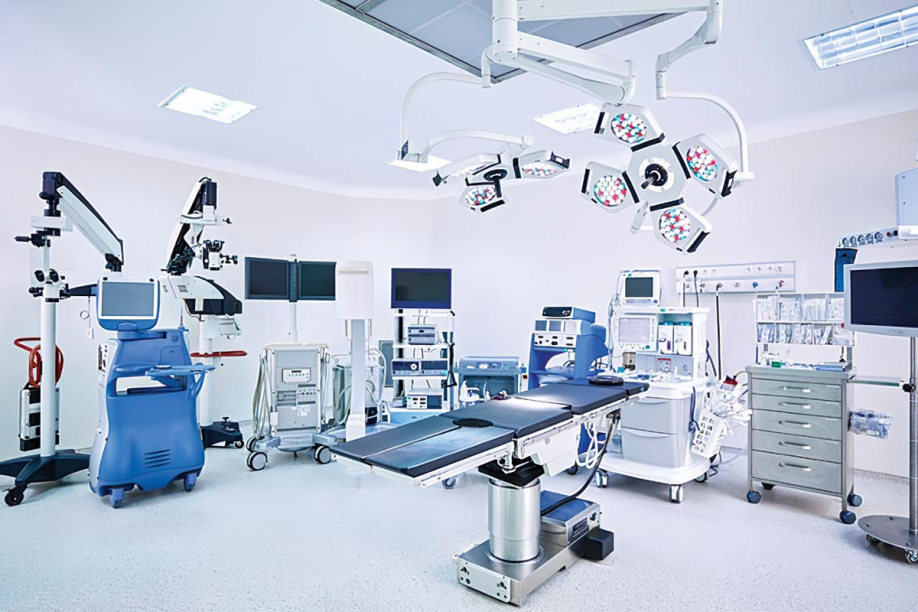
Fortgeschrittene medizinische Ausrüstung
Innovative Medizintechnik
Chirurgisches Team im Einsatz
Präzisions-CNC-Bearbeitung

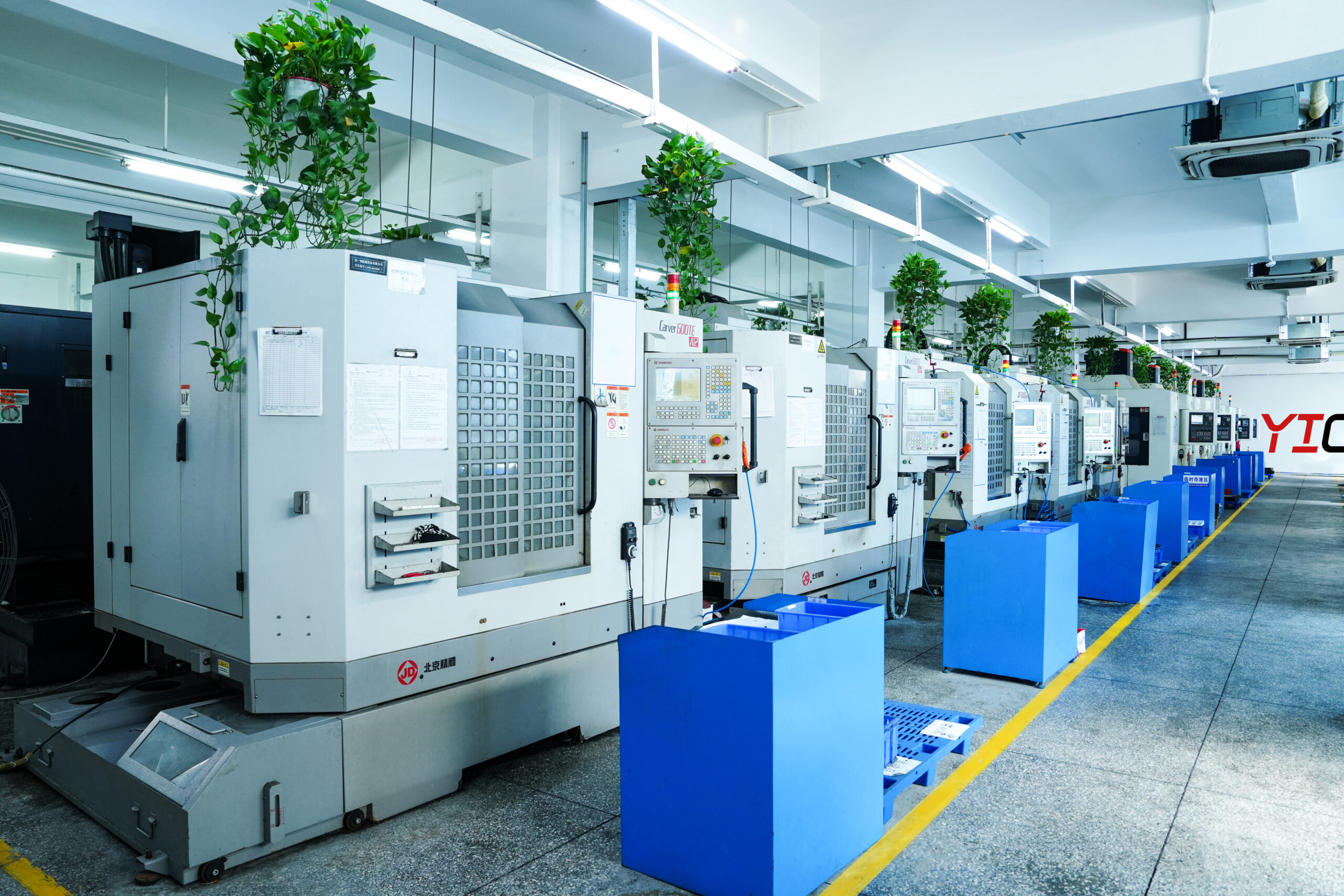
Hochmoderne Einrichtungen

Ausgestattet mit modernster Technologie und fortschrittlichen Maschinen zur Gewährleistung einer präzisen und hochwertigen Fertigung.
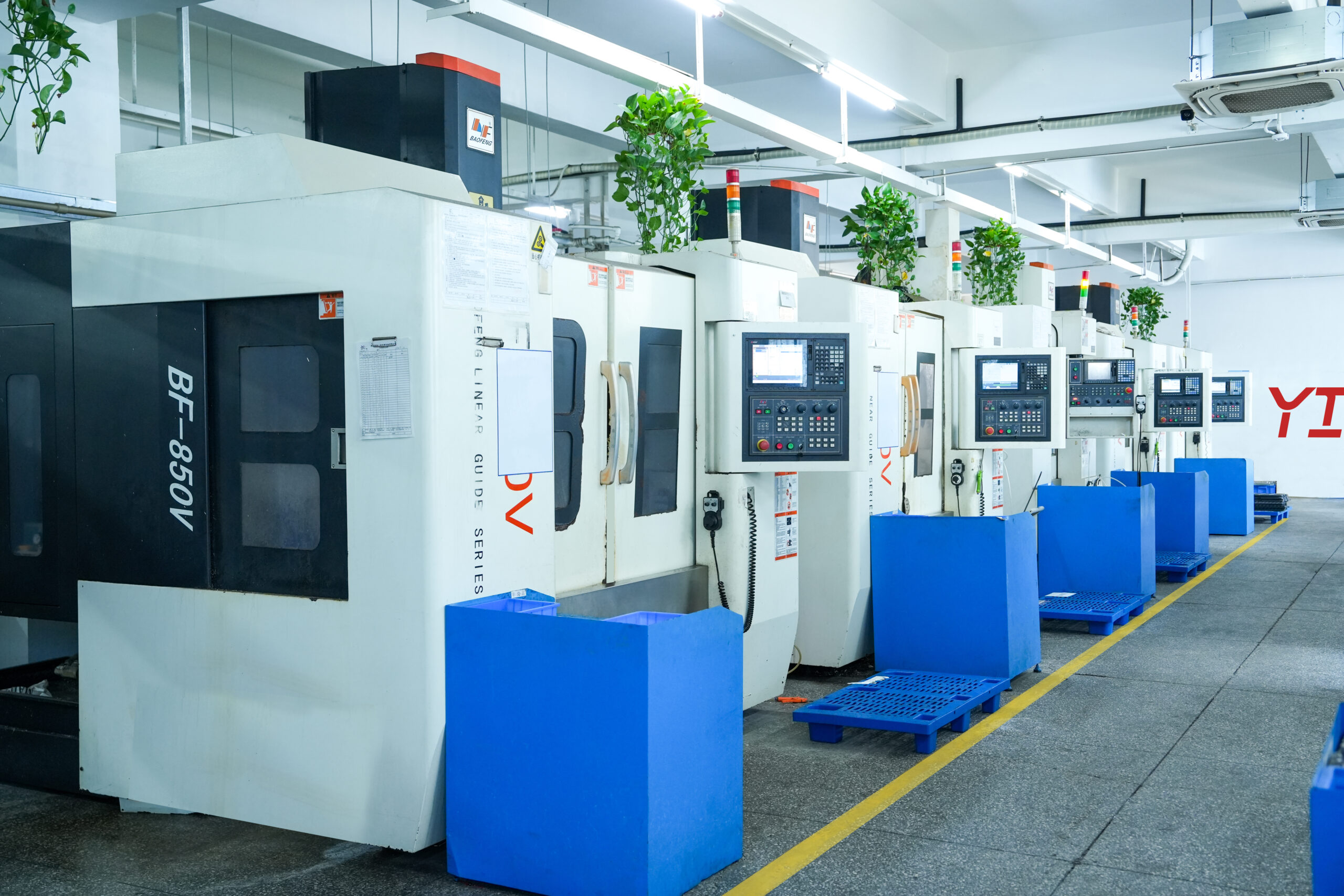
Präzisionsbearbeitungszentrum

Hochpräzise CNC-Fertigung mit fortschrittlicher Technologie und unübertroffener Effizienz.

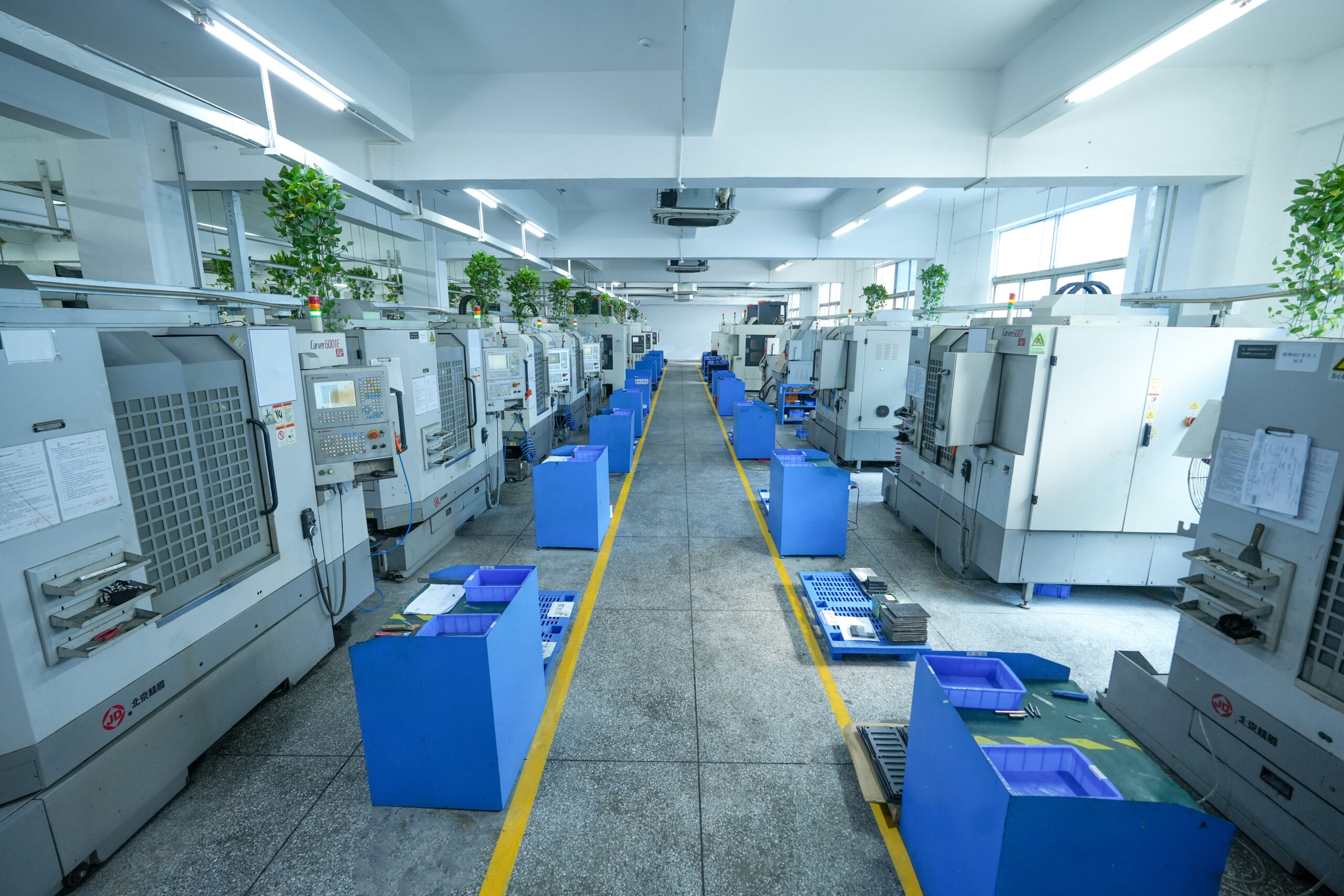
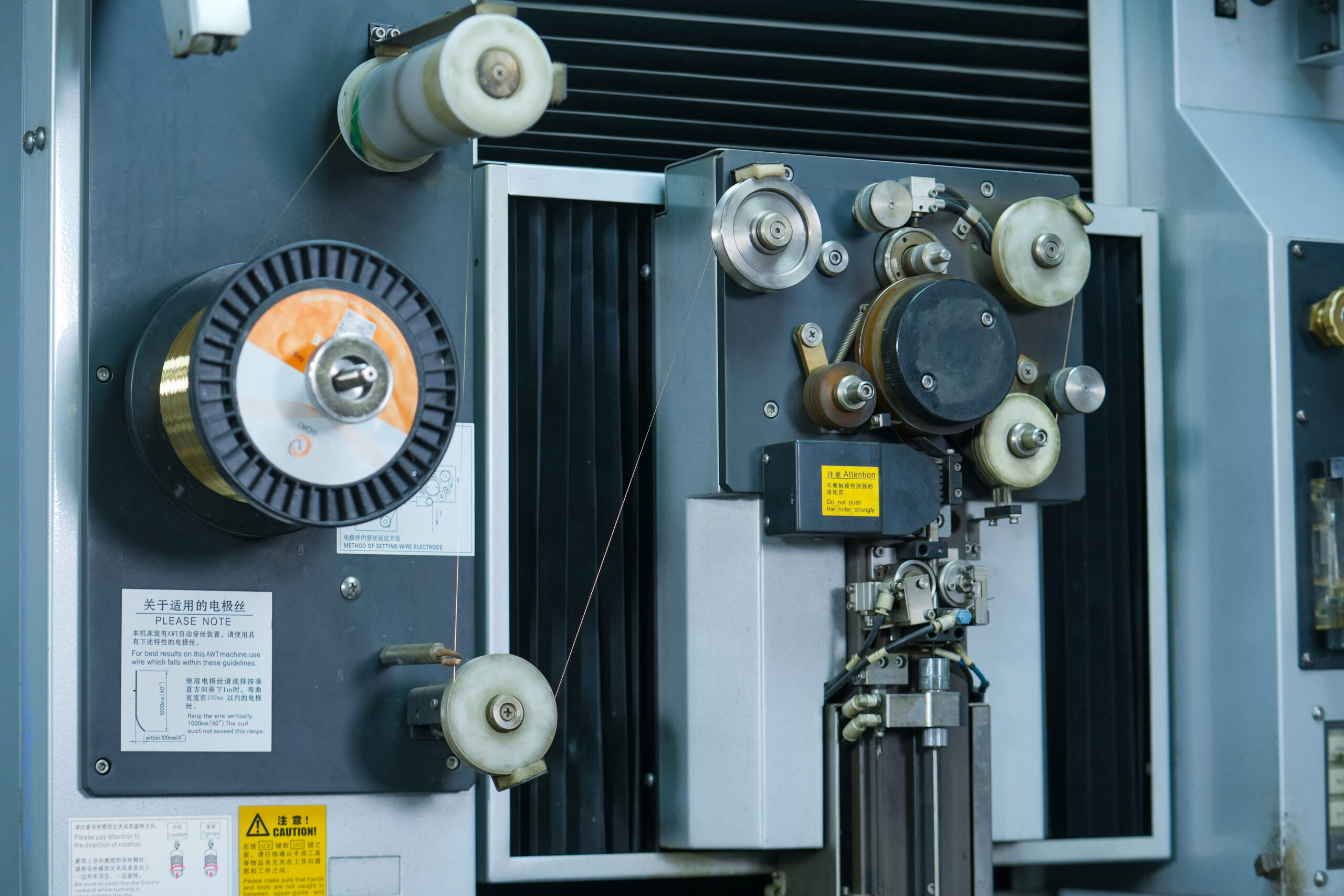
CNC-Produktionswerkstatt

Rationalisierte CNC-Produktion mit modernsten Maschinen für gleichbleibende Qualität.

Zentrum für fortschrittliche CNC-Fertigung

Fachgerechte Fertigung und Montage komplizierter CNC-Komponenten unter einem Dach.

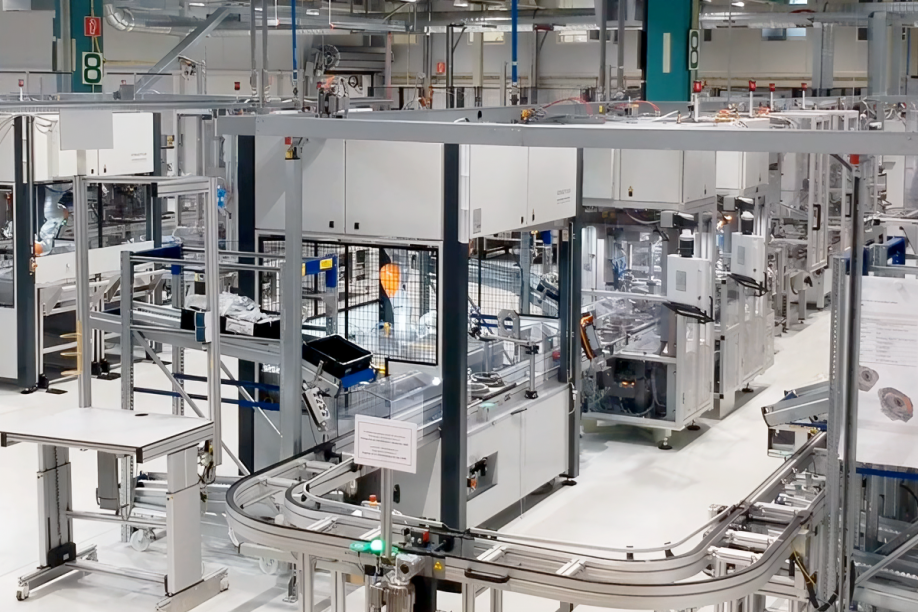
Automatisierte Bearbeitungsanlage

Vollautomatische CNC-Bearbeitung für eine schnelle, präzise und zuverlässige Bearbeitung.

Leistungsstarke CNC-Werkstatt

Optimiert für die Herstellung hochwertiger CNC-Teile mit hoher Geschwindigkeit und Präzision.

Integrierte CNC-Produktionsanlage

End-to-End-CNC-Fertigung mit nahtlosen Arbeitsabläufen und hervorragenden Ergebnissen.

Materialien für medizinische Geräte

Wir bieten Metalllegierungen und Hochleistungskunststoffe für medizintechnische Teile an, die Haltbarkeit, Sicherheit und Konformität für Prototypen und Produktion gewährleisten.

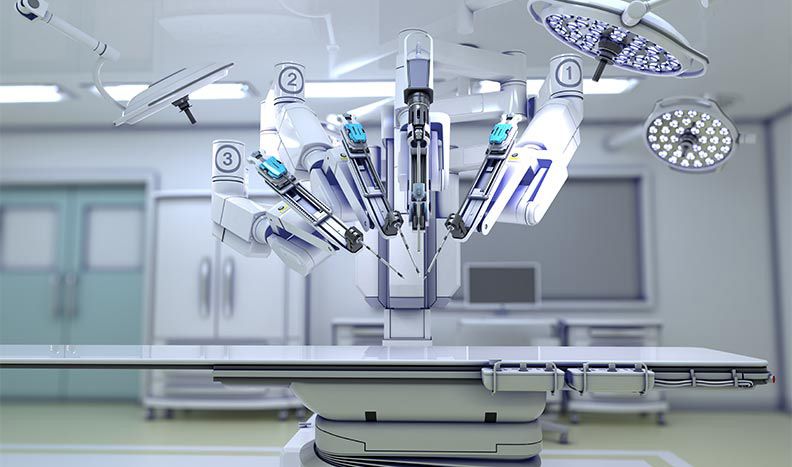
Chirurgisches Robotersystem

Aluminium: 5052, 6061-T6, 7075-T6, 2024-T351
Titan: Grad 1, Grad 2, Grad 5
Messing- und Kupferlegierungen: C360, Kupfer C110, C101
Thermoplaste: PC, ABS, PLA, PEEK, Ultem 1010, PA 12
Handelsübliche Polymere: HDPE, UHMW-PE , Garolite G-10, FR4

Oberflächenbehandlungen für medizinische Geräte

Unsere Oberflächenveredelungen, einschließlich Eloxieren und Galvanisieren, verbessern die Korrosionsbeständigkeit, Biokompatibilität und Verschleißfestigkeit von Komponenten für medizinische Geräte.

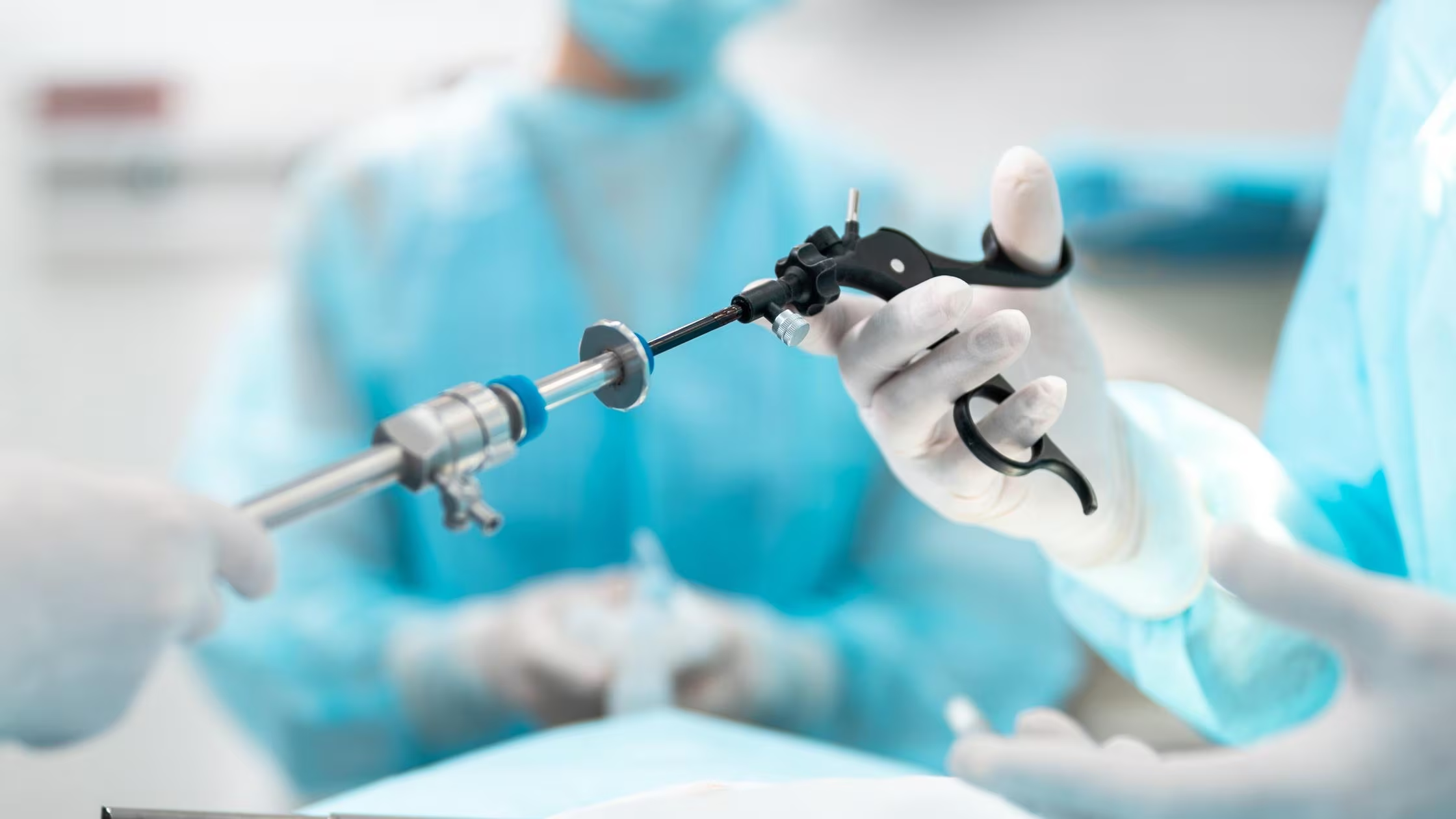
Chirurgisches Werkzeug im Einsatz

Eloxieren
Wie bearbeitet
Bred Blasting
Schwarzes Oxid
Elektropolieren
Chemische Vernickelung
Chromatierte Konversionsbeschichtung
Feinmechanische Bearbeitung
Pulverbeschichtung
Polieren
Reibungslose Bearbeitung

Industrien, die wir bedienen

Yicen Precision beliefert ein breites Spektrum von Branchen, darunter die Luft- und Raumfahrt, die Automobilindustrie, die Elektronik und die Medizintechnik. Wir sind darauf spezialisiert, qualitativ hochwertige, zuverlässige Teile zu liefern, die auf die besonderen technischen Herausforderungen der jeweiligen Branche zugeschnitten sind.

Was Kunden sagen

Sehen Sie, warum Kunden sich bei der CNC-Bearbeitung auf Yicen Precision verlassen. Unsere Referenzen unterstreichen die Zufriedenheit mit der Präzision, der Qualität, der pünktlichen Lieferung und dem engagierten Support und fördern dauerhafte Partnerschaften in verschiedenen Branchen weltweit.

Verbinden Sie sich mit uns

Verwandlung von Konzepten in Präzisionsteile

Wir sind darauf spezialisiert, Ihre Ideen mit beispielloser Schnelligkeit und Präzision in hochwertige, funktionale Komponenten umzusetzen. Mit fortschrittlicher Technologie und fachmännischem Können stellen wir Teile her, die selbst die komplexesten Spezifikationen erfüllen.

Nehmen Sie Kontakt mit uns auf!
Prompte Antwort garantiert innerhalb von 12 Stunden
🔐 Alle Uploads sind sicher und vertraulich

Detailed Information About Orthopedic Components

A. What Are Orthopedic Components?

Orthopedic components are precision-engineered medical devices designed to replace, repair, or support the musculoskeletal system including bones, joints, ligaments, and tendons. These life-changing components include total hip replacement stems and acetabular cups, knee implant femoral and tibial components, shoulder joint prostheses, spinal pedicle screws and rods, interbody fusion cages, bone fracture plates, intramedullary nails, and ankle/elbow replacement systems. Used in orthopedic surgery centers, trauma hospitals, and ambulatory surgical facilities, these components must provide long-term mechanical stability, biocompatibility for tissue integration, and resistance to wear and corrosion. Precision CNC machining delivers the anatomical accuracy, surface characteristics for bone ingrowth, and dimensional consistency required for proper biomechanical function and 20-30 year implant longevity.

B. Wichtige technische Anforderungen

Orthopedic components CNC machining demands micro-tolerances of ±0.0002″ to ±0.0005″ to ensure proper joint articulation, load distribution, and stable fixation within bone structures. Material specifications require certified biocompatible alloys with complete traceability—Ti-6Al-4V ELI (Extra Low Interstitial) provides optimal strength-to-weight ratio and bone integration for hip and knee stems, CoCrMo offers superior wear resistance for articulating bearing surfaces, while 316LVM stainless steel serves trauma fixation applications. Surface finish requirements vary dramatically by function: Ra 4-8 microinch for bearing surfaces minimizing polyethylene wear debris, Ra 100-200 microinch for bone-contacting surfaces promoting osseointegration, and specialized porous coatings (50-400 micron porosity) for biological fixation.

Components must withstand cyclic physiological loads exceeding 3-6 times body weight for millions of cycles, resist corrosion in chloride-rich body fluids, and maintain structural integrity across temperature variations. Taper accuracy for modular connections (Morse tapers to ±0.0001″), thread precision for locking screws (Class 3A tolerance), angular accuracy for anatomical alignment (±0.5°), and uniform wall thickness for stress distribution are critical. Zero surface defects, complete subsurface integrity, and validated fatigue performance ensure patient safety and implant longevity.

C. Herausforderungen und Lösungen bei der Herstellung

Machining orthopedic components presents extraordinary challenges including achieving anatomical contours with micro-tolerance accuracy, maintaining surface integrity without subsurface damage that could initiate fatigue cracks, and producing complex features like porous surfaces while preserving bulk material properties. Titanium’s work-hardening characteristics and low thermal conductivity create heat buildup and tool wear. Complex geometries like femoral stems with metaphyseal flares, acetabular cups with screw holes, and spinal screws with multi-diameter threads demand sophisticated programming and tooling strategies.

Yicen Precision overcomes these manufacturing challenges through dedicated 5-axis simultaneous CNC machining enabling continuous toolpath optimization for complex anatomical surfaces, ultra-precision tooling with optimized cutting parameters specific to biomedical alloys, and cryogenic or high-pressure coolant systems preventing thermal damage. Our climate-controlled manufacturing (±1°C) eliminates thermal expansion errors during machining. Advanced CAM software with morphing strategies maintains consistent chip loads across complex contours.

Quality assurance includes coordinate measuring machine (CMM) inspection with GD&T analysis, surface roughness verification at multiple locations, non-destructive testing (fluorescent penetrant inspection) for surface defects, and X-ray or ultrasonic inspection for subsurface integrity. We perform dimensional validation on first articles and maintain statistical process control throughout production. Material certifications include complete chemistry analysis, mechanical property testing, and biocompatibility documentation (ISO 10993, ASTM F136/F1537). Contact us for specialized engineering consultation on your orthopedic component manufacturing requirements.

D. Anwendungen und Anwendungsfälle

Precision-machined orthopedic components restore mobility and relieve pain across multiple surgical specialties:

  • Total Hip Arthroplasty: Femoral stems (cemented/cementless), femoral heads, acetabular shells, liner inserts, and modular neck components
  • Total Knee Replacement: Femoral components, tibial baseplates, tibial inserts, patellar buttons, and cruciate-retaining/substituting designs
  • Spinal Fusion Systems: Pedicle screws, spinal rods, interbody cages (TLIF, PLIF, ALIF), lateral plate systems, and vertebral spacers
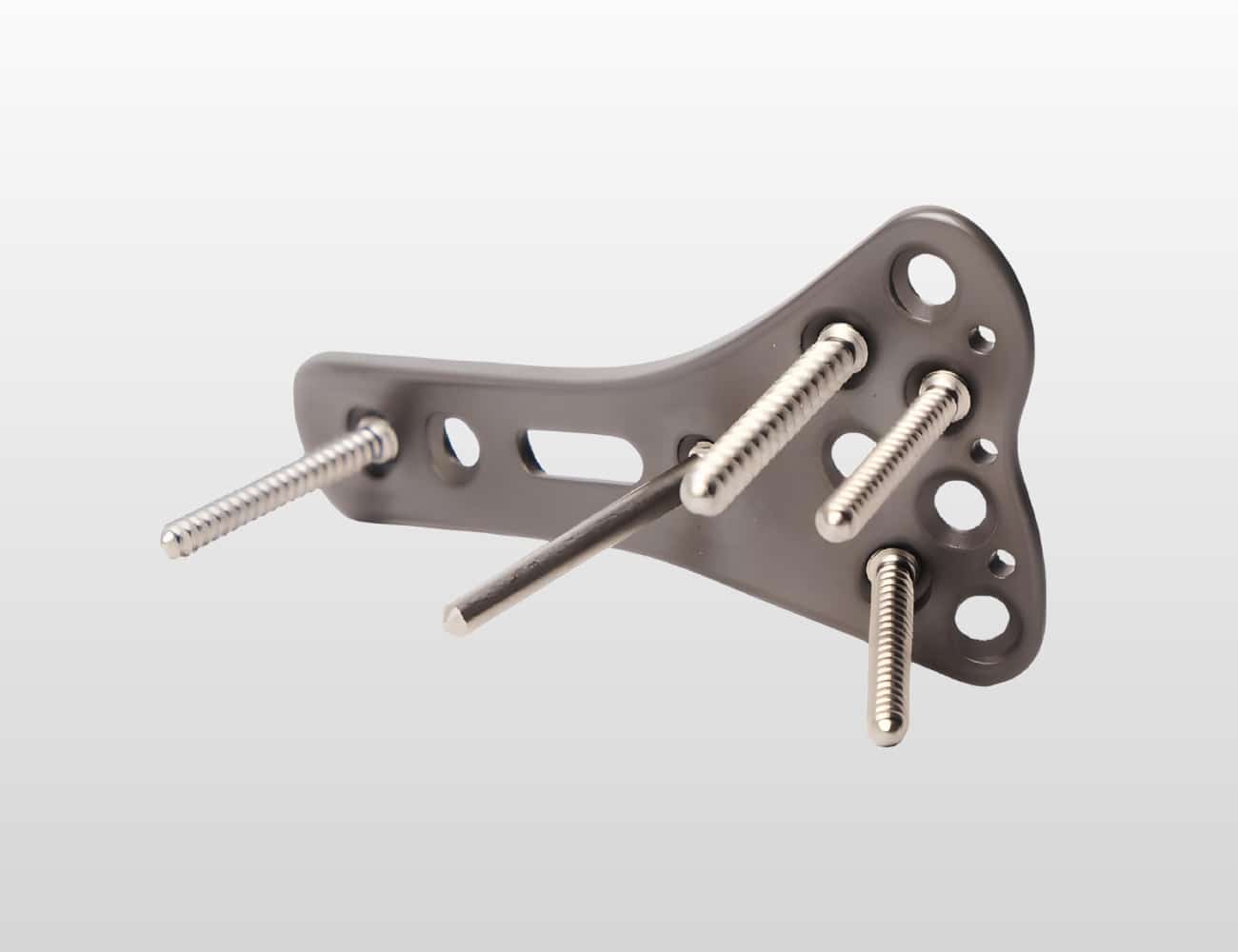
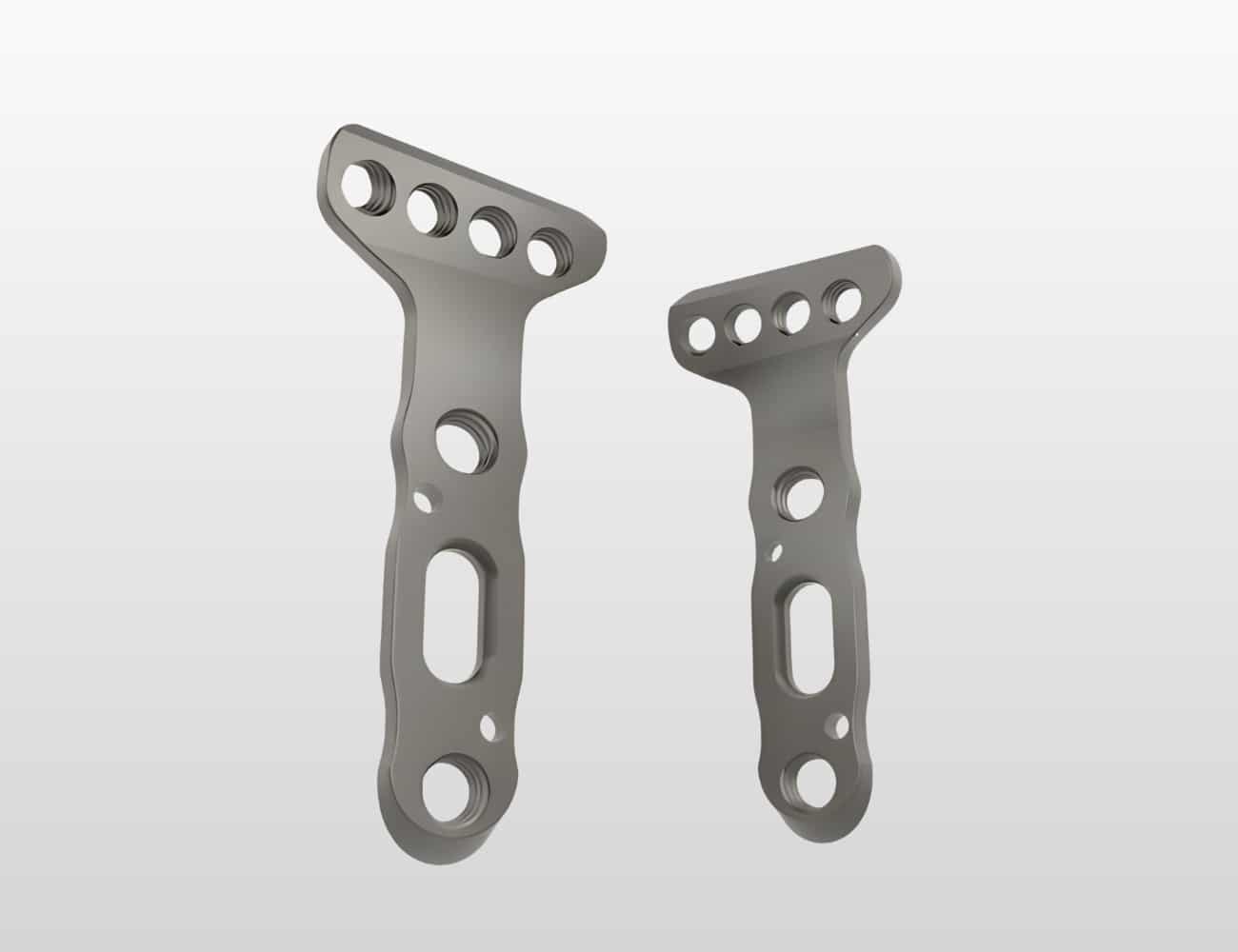
  • Trauma Fixation: Bone plates (compression, locking, anatomical), cortical and cancellous screws, intramedullary nails, and external fixation pins
  • Shoulder Arthroplasty: Humeral stems, glenoid components, reverse shoulder baseplates, and rotator cuff repair anchors
  • Extremity Implants: Ankle replacement components, elbow prostheses, wrist fusion plates, and small joint implants
  • Revision Implants: Extended stems, augments, tumor prostheses, and custom patient-specific implants for complex reconstructions

E. Why Choose Yicen Precision for Orthopedic Components?

Yicen Precision brings deep expertise in orthopedic components CNC machining with ISO 13485 certification and extensive experience supporting FDA regulatory submissions (510(k), PMA pathways). Our rapid prototype development delivers functional orthopedic components in 7-10 days, enabling design iteration, biomechanical testing, and cadaver study preparation. We provide scalable manufacturing from R&D quantities through validated commercial production with process capability studies (Cpk ≥1.33) ensuring consistent quality.

Our engineering support includes Design for Manufacturability (DFM) analysis optimized for orthopedic biomechanics, finite element analysis (FEA) consultation for stress distribution optimization, and material selection guidance based on clinical performance requirements. We coordinate value-added services including plasma spray coating for porous surfaces, hydroxyapatite application for enhanced osseointegration, titanium nitride coating for wear resistance, and passivation for corrosion protection.

Complete material traceability includes certified biocompatible materials with mill test reports meeting ASTM standards, chemical composition certificates, mechanical property verification, and batch genealogy for implant registry compliance. We provide comprehensive documentation supporting Design History Files (DHF), Master Device Records (MDR), and post-market surveillance requirements. Our cost-effective orthopedic components manufacturing employs optimized toolpaths, efficient material utilization, and validated processes—delivering life-changing implants without compromising safety, quality, or patient outcomes. Request your detailed technical consultation and manufacturing quote for precision orthopedic components today.

Einblicke & Artikel

Erkunden Sie Bearbeitende Dienstleistungen Blog finden Sie Expertenwissen über CNC-Bearbeitung, Branchentrends, Fertigungstipps und Technologie-Updates - damit Sie informiert und inspiriert bleiben und in der Präzisionstechnik einen Schritt voraus sind.

Häufig gestellte Fragen

Orthopädische Komponenten

  • What regulatory documentation do you provide for orthopedic implants?

    Yicen Precision provides comprehensive regulatory documentation including Certificate of Conformance with full dimensional inspection data, material certifications with heat/lot traceability to mill test reports, biocompatibility certificates (ISO 10993 testing), mechanical property verification (tensile strength, yield strength, elongation), process validation documentation demonstrating manufacturing consistency, and non-destructive testing reports (FPI, X-ray). We support Design History File (DHF) requirements, provide supplier qualification packages, and maintain Device Master Records (DMR). Our ISO 13485 quality system supports FDA 510(k), PMA submissions, and international regulatory pathways (EU MDR, Health Canada, PMDA).
     

  • How do you ensure surface quality for osseointegration and bearing surfaces?

    Surface quality is critical for orthopedic component performance. For bearing surfaces in hip and knee implants, we achieve Ra 4-8 microinch finishes using precision grinding and polishing to minimize polyethylene wear debris. For bone-contacting surfaces promoting osseointegration, we create controlled roughness (Ra 100-200 microinch) through grit blasting or specialized machining. We coordinate plasma spray coating (50-200 micron thickness) for porous surfaces enabling biological fixation. Surface quality is verified using profilometry, visual inspection under magnification, and adhesion testing for coatings. All surface preparation follows validated processes with documented parameters.
     

  • Which biocompatible materials do you specialize in for orthopedic components?

    We specialize in certified biocompatible materials specifically approved for orthopedic implants. Ti-6Al-4V ELI (Grade 23 titanium per ASTM F136) is our primary material for hip stems, knee components, and spinal hardware due to excellent osseointegration and fatigue strength. Cobalt-chromium-molybdenum (ASTM F75, F1537) provides superior wear resistance for bearing surfaces in hip and knee joints. 316LVM stainless steel (ASTM F138) serves trauma fixation applications. PEEK polymers offer radiolucency for spinal cages. All materials include complete biocompatibility certifications (ISO 10993), material test reports, and chemical composition verification required for FDA submissions.
     

  • What tolerances are required for orthopedic components CNC machining?

    Orthopedic components demand exceptional precision with tolerances of ±0.0002″ to ±0.0005″ on critical features including modular tapers, bearing surfaces, and anatomical contours. Morse taper connections require ±0.0001″ for proper mating and load transfer. Thread tolerances must meet Class 3A specifications for locking screws and pedicle screws. Angular tolerances of ±0.5° ensure proper anatomical alignment and joint kinematics. Our temperature-controlled manufacturing, precision 5-axis CNC machines, and validated measurement procedures consistently achieve these demanding tolerances across production batches, ensuring proper implant function and long-term clinical performance.
     

Nehmen Sie Kontakt mit uns auf!
Prompte Antwort garantiert innerhalb von 12 Stunden
🔐 Alle Uploads sind sicher und vertraulich