Top-Quality CNC Routing Services for Precision and Speed
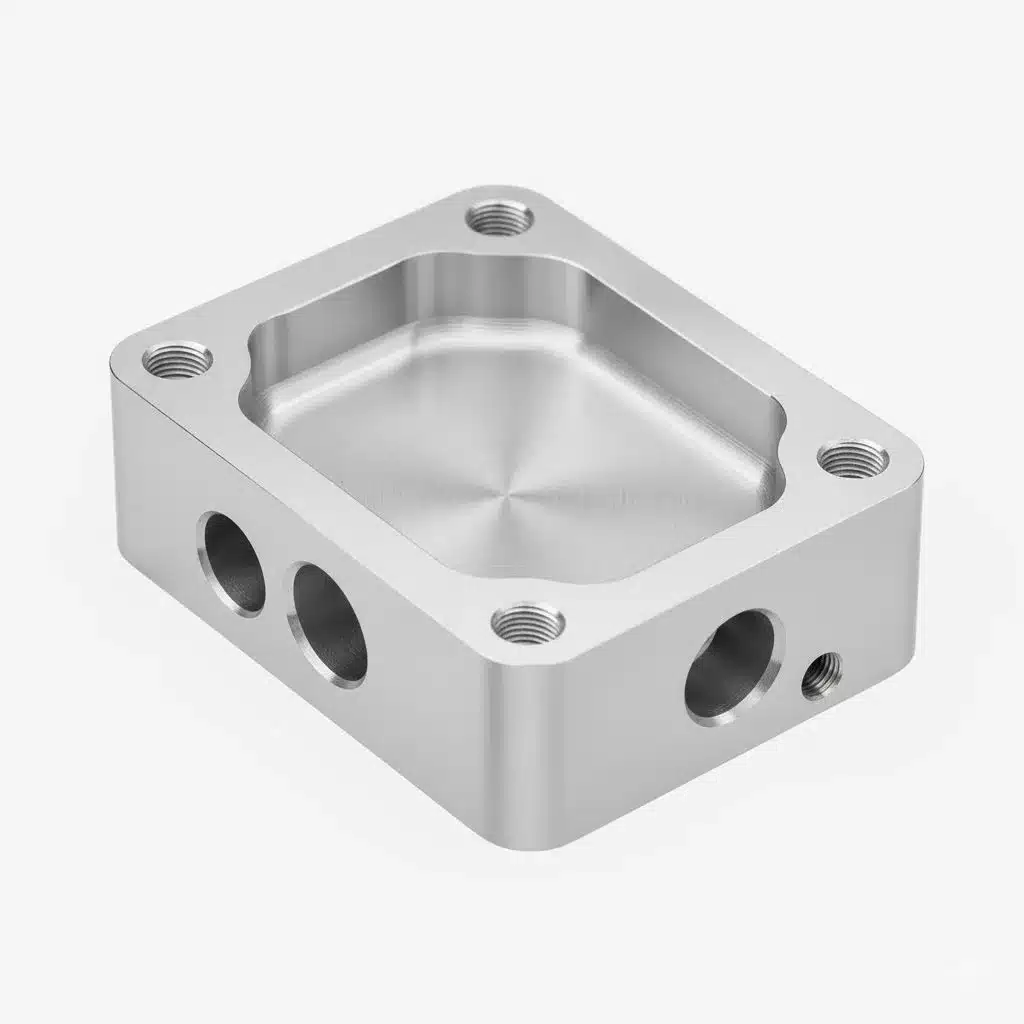
Nuestra CNC Routing Services deliver high-precision machining for a wide range of materials, including metals, plastics, and composites. We handle large sheets with fast turnaround times, achieving tolerances as tight as ±0.001” (±0.025mm). Serving industries like automotive, aerospace, and signage, we ensure top-quality results backed by ISO 9001:2015 and AS9100D certifications. Request a quote or upload your CAD file today to get started.
Yicenprecision Instant Quoting Engine está amparado por las Pat. Nos. 11,086,292, 11,347,201, 11,693,388, 11,698,623, 12,099,341, y 12,189,361. Otras patentes pendientes.
CNC Routing Tolerances & Accuracy
Capability
Standard Tolerance
Precision / High-End
Factors Affecting Accuracy
Linear Dimensions
±0.127 mm (0.005″)
±0.05 mm (0.002″)
Thermal Expansion, Machine Calibration, Material Hardness
Hole Diameters
±0.05 mm (0.002″)
±0.025 mm (0.001″)
Tool Wear, Spindle Runout, Chip Clearance
Edge Finish (Ra)
3.2 – 6.3 µm
< 1.6 µm
Feed Rate, Cutting Speed, Tool Sharpness
Positional Accuracy
±0.10 mm (0.004″)
±0.05 mm (0.002″)
Gantry Alignment, Lead Screw Pitch, Drive System Backlash
Angular Accuracy
±0.5°
±0.1°
Squareness of Axes, Fixture Stability, Part Orientation
Materials for CNC Routing Service Parts
At Yicen Precision, we offer a wide range of materials to suit your CNC routing needs, ensuring the highest precision and durability for your parts. Whether you’re working with metals or plastics, we provide expertly crafted solutions to meet your project’s specific requirements. Explore the materials we work with and find the perfect match for your next project.
Material
Descripción
Opciones de acabado
Aplicaciones
Aluminum 6061
Structural Strength, Weldable
Anodizing, Powder Coating
Construction, Automotive
Aluminum 7075
High Strength, Durable
Anodizado, pulido
Aerospace, Military
Aluminum 2024
Fatigue Resistant, Lightweight
Cladding, Painting
Aircraft Frames, Structures
Aluminio 5052
Marine Grade, Formable
Anodizing, Painting
Marine Tanks, Sheet Metal
Aluminio 5083
Chemical Resistant, Tough
Anodizado, pulido
Industrial Gear, Marine
Material
Descripción
Opciones de acabado
Aplicaciones
Latón C360
Low Friction, Machinable
Brushing, Polishing
Decorative Hardware, Gears
Brass C464
Corrosion Resistant, Strong
Polishing, Lacquering
Naval Fittings, Fasteners
Brass C260
Highly Ductile, Formable
Brushing, Lacquering
Electrical Parts, Cartridges
Material
Descripción
Opciones de acabado
Aplicaciones
Copper C101
High Thermal Conductivity
Polishing, Plating
Heat Sinks, Electronics
Copper C110
High Electrical Conductivity
Plating, Passivation
Busbars, Electrical Wiring
Material
Descripción
Opciones de acabado
Aplicaciones
Cast Acrylic
Superior Optical Clarity
Flame Polishing
Signage, Luxury Displays
Extruded Acrylic
High Impact Resistance
Machine Polishing
Guards, Window Glazing
Material
Descripción
Opciones de acabado
Aplicaciones
General Purpose ABS
Rigid, Impact Strong
Painting, Sanding
Protective Enclosures
Flame Retardant ABS
Heat Resistant
Textured Coating
Carcasas electrónicas
Material
Descripción
Opciones de acabado
Aplicaciones
GP Polycarbonate
Virtually Unbreakable
Vapor Polishing
Machine Shields
Optical Grade PC
High Light Transmission
Buffing, Polishing
Face Shields, Lenses
Material
Descripción
Opciones de acabado
Aplicaciones
High Density PE
Chemical Resistant
Edge Trimming
Chemical Tanks
Food Grade HDPE
Moisture Resistant
Machining
Cutting Boards
Material
Descripción
Opciones de acabado
Aplicaciones
UHMW-PE
Ultra-Low Friction
Precision Cutting
Wear Strips, Guides
Material
Descripción
Opciones de acabado
Aplicaciones
Rigid PVC
High Stiffness
Solvent Welding
Industrial Piping
Flexible PVC
Corrosion Resistant
Machining
Gaskets, Seals
Material
Descripción
Opciones de acabado
Aplicaciones
Nylon 6 (Cast)
Wear Resistant
Annealing, Polishing
Heavy Duty Gears
Nylon 66 (Extruded)
Low Friction
Precision Machining
Bushings, Bearings
Material
Descripción
Opciones de acabado
Aplicaciones
PETG Sheet
Food Safe, Strong
Die Cutting
Medical Packaging
PET (Polyester)
High Dimensional Stability
Pulido
Precision Components
Directrices de diseño para el fresado CNC
For precise and cost-effective CNC routing, follow key design guidelines like optimizing tool diameter, minimizing thin walls, and ensuring proper fixturing. These tips help streamline production, reduce waste, and improve part quality, making your projects faster and more efficient.
Guideline
Especificación
File Preparation
Use vector files (DXF/SVG) with closed paths for clean CNC Routing results.
Part Orientation
Align parts to maximize material yield and simplify the CNC Routing path.
Minimum Inside Radius
Maintain a 0.125″ (3.2mm) radius for smooth and stable CNC Routing cuts.
Tool Diameter Limits
Keep tool diameter under 1/3 material thickness for accurate CNC Routing precision.
Minimize Thin Walls
Maintain at least 1/4″ (6mm) wall thickness to prevent vibration during routing.
Nesting Clearance
Leave at least one tool diameter space between nested parts for structural integrity.
Kerf & Compensation
Factor tool radius into designs for accurate dimensions and CNC Routing cuts.
Fixturing & Tabs
Use tabs to stabilize parts; ensure secure fixturing for CNC Routing.
Avoid Over-Constraining
Simplify part geometry to ensure stable and cost-effective CNC Routing setup.
CNC Routing Surface Finishes by Yicen Precision
En Precisión Yicen, we offer a variety of CNC routing surface finishes designed to meet the aesthetic and functional needs of your parts. Whether you need a smooth, polished finish or added protective coatings, we have the right option for your project.
Rough Finish
Rough finish is ideal with bigger bits and higher feed rates and results in a more textured surface.
Smooth Finish
Fine bits will also produce a smooth finish when the speed is lower to reduce roughness in order to produce a clean surface that is polished.
Sanded Finish
Routine sanding of tools after routing creates a more homogeneous look and finishes wood and plastic, which is preferable.
Matte Finish
The finish type can be matte finishes which are produced by slowing cutting speed or particular tooling to produce a slight non-reflective surface.
Bead Blasted Finish
The Bead blasting involves the use of abrasives such as sand or glass beads to produce a plain, rough surface on the metals and plastics.
Acabado pulido
Polishing is a finishing process of coating a surface, especially an acrylic, metal, and plastic surface, with finer abrasives to give it a mirror-like polish.
Flame Polished Finish
Flame polishing is mainly applied to acrylic and plastics in which heat is used to flatten and give the surface a gloss to eliminate tool marks.
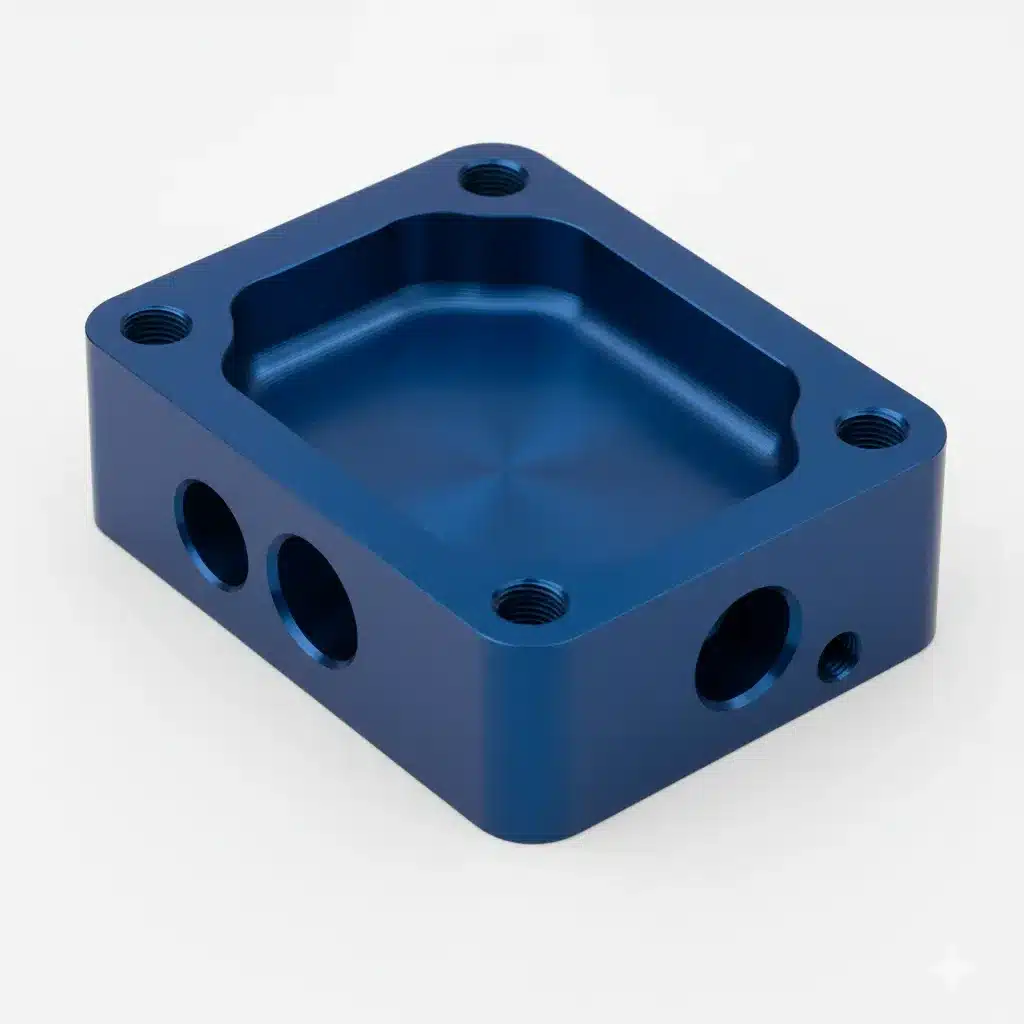
Anodized Finish
Depending on the process, the anodizing process improves corrosion resistance and gives aluminum a matte or a glossy finish.
Quality Control & Inspection at Yicen Precision
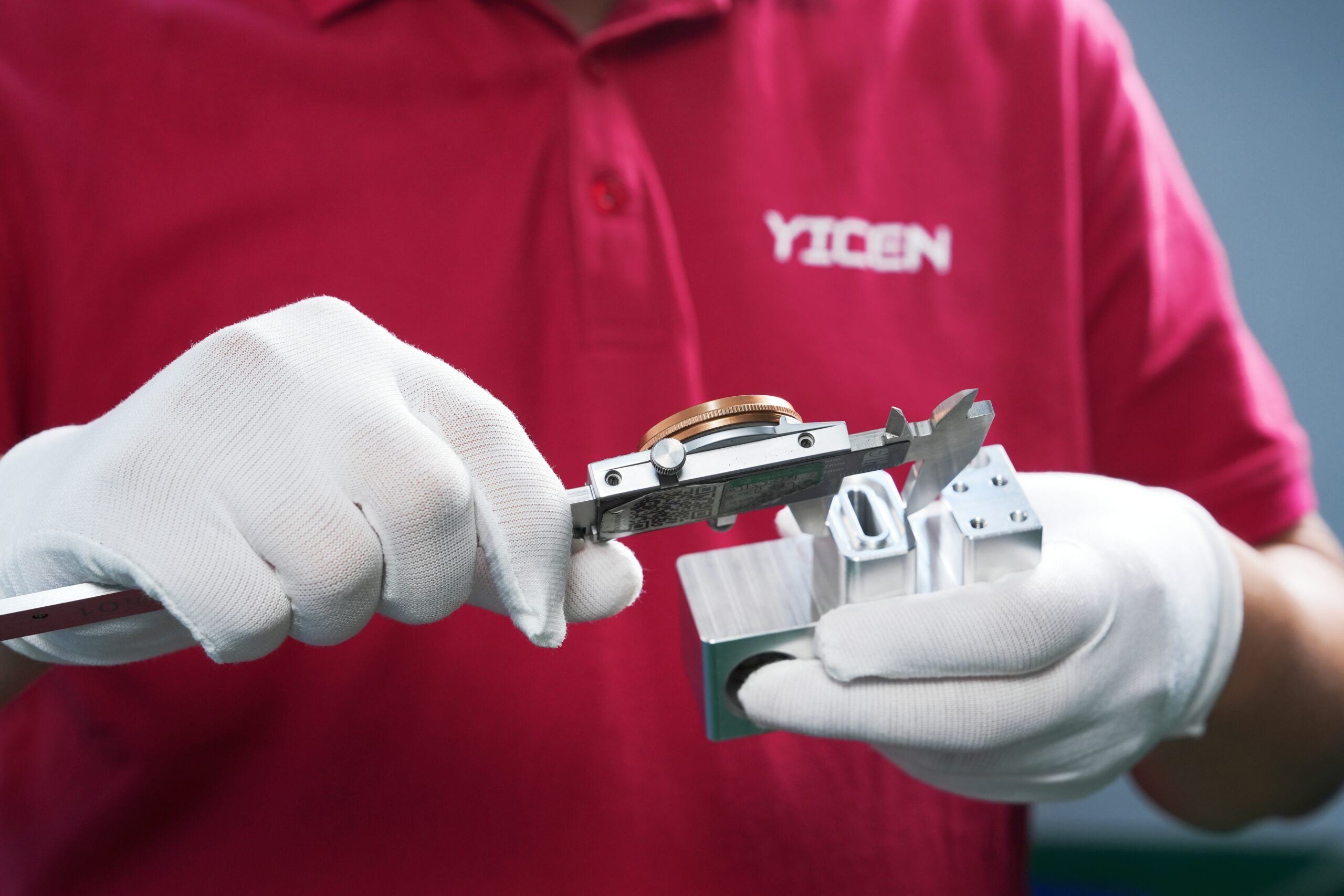
En Precisión Yicen, we ensure every CNC machined part meets the highest quality standards through a rigorous inspection process. Our team conducts comprehensive checks throughout the manufacturing cycle to guarantee dimensional accuracy and surface finish, ensuring your parts meet your specifications.
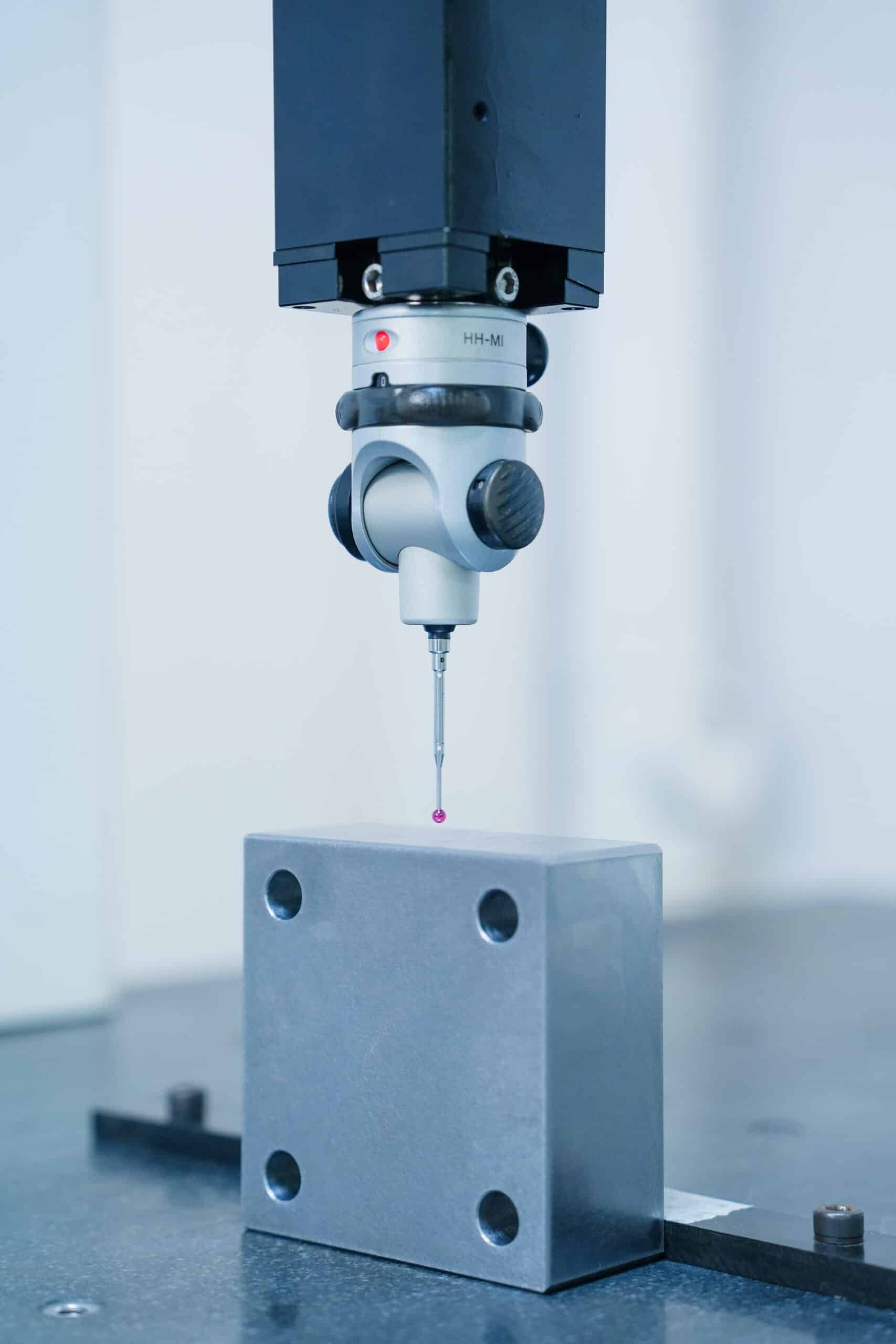
Dimensional Checks
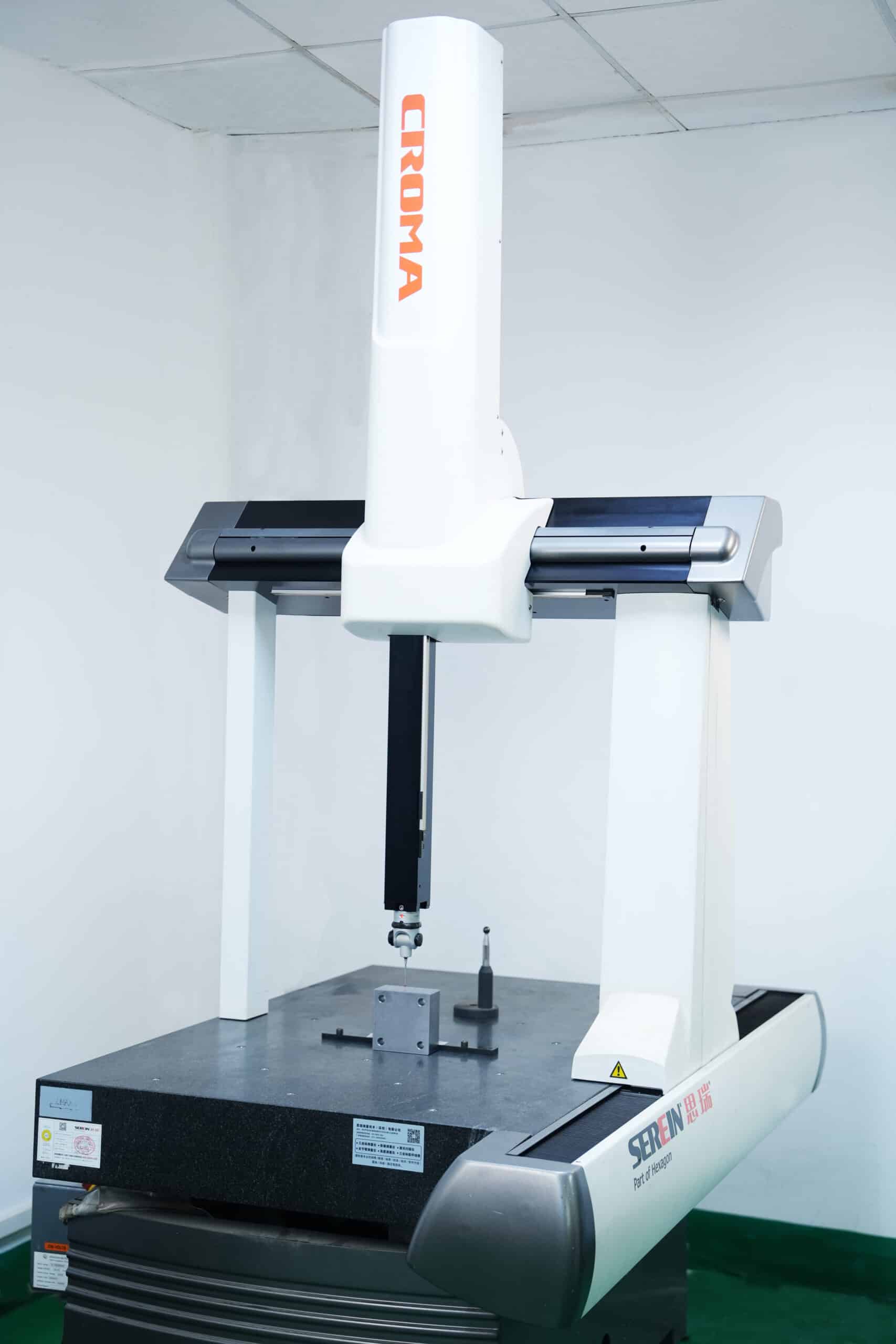
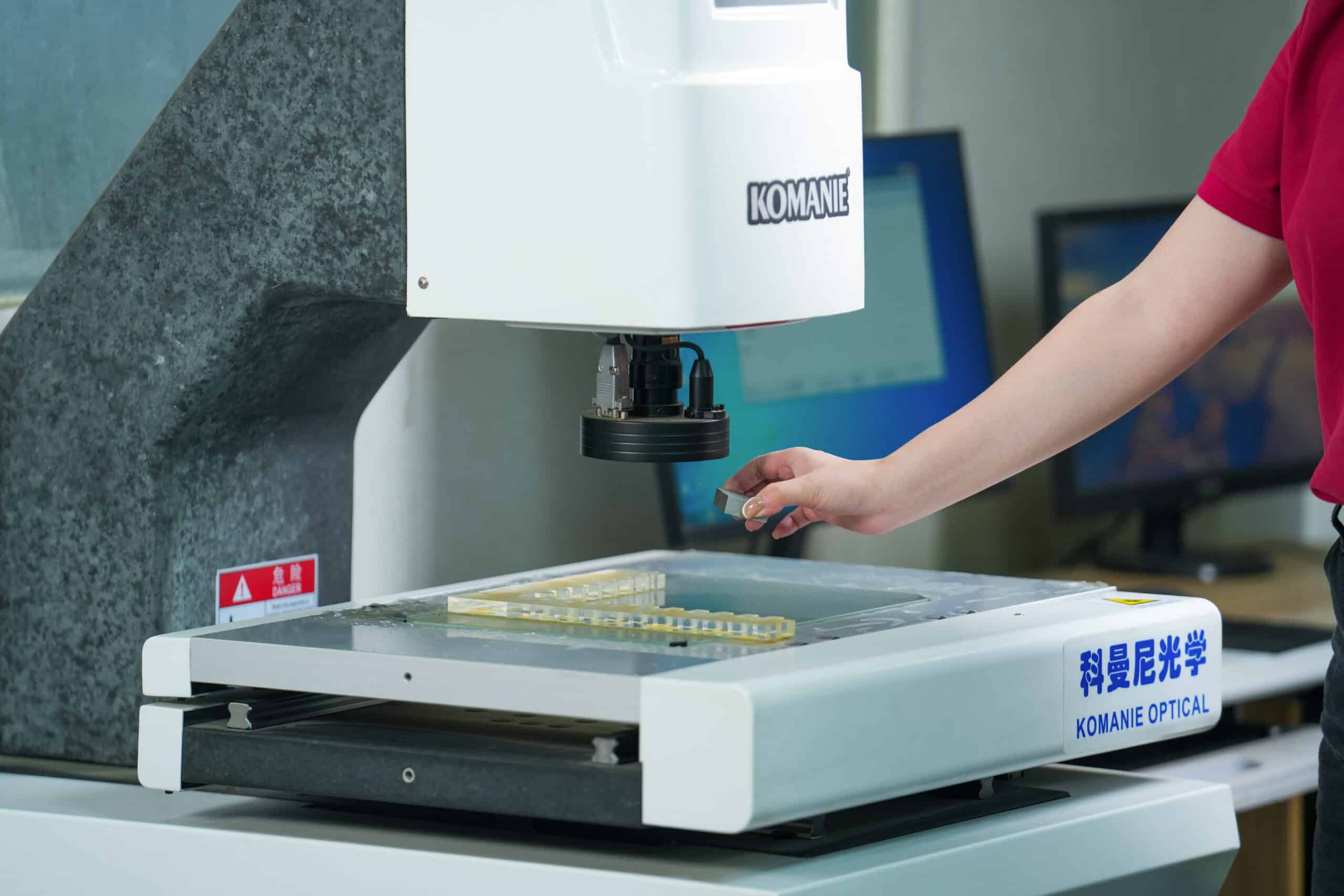
Using advanced CMM and digital measurement systems, we ensure every part meets tight tolerances with precision at the micron level.
Visual Inspection
Thorough visual checks ensure that every part is free from defects, scratches, and other visual imperfections.
Batch Consistency
Each batch of parts undergoes strict quality verification to ensure consistency and performance across high-volume runs.
Documentation (if required)
We provide detailed material certificates, FAI reports, and CMM data sheets for full transparency and traceability.
Our expert precision CNC services deliver high-performance results at every stage. From intricate prototypes to production-ready components, we provide custom high-accuracy parts crafted with exceptional quality and consistency. Every cut and contour is designed with strict attention to detail to meet your project’s exact needs.
Nuestro ágil proceso de pedido
Cargue su diseño
Cargue fácilmente sus archivos CAD a través de nuestra plataforma en línea segura para empezar.
Personalice sus requisitos
Elija el material, el acabado, las tolerancias y el plazo de entrega que mejor se adapte a las necesidades de su proyecto.
Solicitar presupuesto
Reciba un presupuesto en tiempo real basado en su diseño y las especificaciones seleccionadas, sin retrasos.
Producción y entrega
Sus piezas son fabricadas por socios de confianza, sometidas a controles de calidad y entregadas a tiempo en su puerta.
Why Choose Yicen Precision for CNC Routing?
En Precisión Yicen, we offer unmatched CNC routing capabilities for projects of any size. Here’s why you should choose us:
Experience with Large Sheets
We specialize in handling large-format sheets for precise, high-quality cuts.
Experiencia en materiales
Our team works with a wide range of materials, including metals, plastics, and composites, to meet your exact requirements.
Tight Tolerance Capability
We deliver high-precision parts, achieving tolerances as tight as ±0.001” (±0.025mm).
Entrega rápida
Get your parts quickly without compromising on quality, ensuring timely delivery for your project.
Soporte técnico
Our experts provide ongoing support throughout the design and manufacturing process to ensure optimal results.
Cost-Effective Solutions
We optimize your designs to reduce material waste and production time, providing cost-efficient solutions without sacrificing quality.
Industrias a las que servimos
Yicen Precision presta servicio a un amplio espectro de industrias, que abarcan la aeroespacial, la automoción, la electrónica y la médica, entre otras. Estamos especializados en el suministro de piezas fiables y de alta calidad adaptadas a los retos de ingeniería específicos de cada sector.
Premium Quality Assurance: High precision and quality of product.
Cost & Time Efficiency: Optimization of production time and lowering the overall cost.
Broad Material Compatibility: Is compatible with a wide range of materials and as such, it is more flexible.
Sustainable Material Usage: Reduced wastage of materials boosts cost effectiveness.
Reliable Automated Results: Automation of processes is necessary providing the same reliable results.
Aplicaciones
Applications of CNC Routing
Tailor-Made Branding: Creates comprehensive, tailor-made signage and graphics.
Rapid Component Prototyping: Enables quick prototyping of complicated shapes and components.
Precision Engraving & Carving: It is perfect when it comes to engraving and carving of different materials.
High-Efficiency Automotive Parts: Manufactures car parts in high precision and efficiency.
Bespoke Furniture Manufacturing:Applications support custom furniture design.
Conéctese con nosotros
Transformar conceptos en piezas de precisión
Estamos especializados en convertir sus ideas en componentes funcionales de alta calidad con una rapidez y precisión inigualables. Con tecnología avanzada y artesanía experta, creamos piezas que cumplen las especificaciones más complejas.
Comparison of CNC Routing vs Other Cutting Processes
CNC routing offers versatility, but there are other cutting methods like laser cutting, waterjet, and CNC milling. Each has its strengths and is suited to different project needs. This comparison helps you choose the right process based on precision, speed, and material.
Característica
Fresado CNC
Corte por láser
Corte por chorro de agua
Fresado CNC
Coste de utillaje
Low (No tooling required)
Moderate (Laser setup)
Moderate to High (Abrasive used)
High (Requires specialized tools)
Plazos de entrega
1-3 Days
1-5 Days
3-5 Days
3-7 Days
Part Quantity
Small to large volume
Small to medium volume
Medium to large volume
Medium to high volume
Tolerancia
±0.001″ to ±0.005″ (High precision)
±0,001″ a ±0,005″.
±0,005″ a ±0,010″.
±0.0005″ to ±0.005″
Opciones de material
Wood, plastics, composites, metals
Thin metals, plastics
Metals, stone, glass, composites
Metals, plastics, composites
Geometría compleja
Excellent for 2D, 2.5D, and complex cuts
Limited to 2D cuts
Handles 2D and complex cuts
Ideal for 3D shapes, detailed milling
Acabado superficial
Clean edges with post-processing
Smooth finish, minimal post-processing
Rough edges, no post-processing
Smooth finish with minimal post-processing
Velocidad
Moderate (Dependent on material)
Fast (For thin materials)
Slow (Due to water pressure)
Moderate to high depending on part size
When Not Recommended
Not ideal for very fine details
Not suitable for thick or hard materials
Not recommended for small or delicate parts
Not ideal for intricate 2D designs or thin materials
Fresado CNC
Which materials do you work with CNC Routing?
Our wood, plastics, and metals are processed by expert CNC routing.
What would be the accuracy of your professional CNC Routing Service?
Our CNC Routing Service has an accuracy of the range of 0.127mm.
Are you providing prototyping CNC Routing Services?
Yes, our CNC Routing Services specializes in high-speed custom prototyping.
Do you handle large size sheets for CNC Routing project?
Yes,We handle large-size sheets with our general-purpose services.
What is so special about Yicen that you would choose them to your CNC Routing Services?
Yicen offers quality, cost-effective, and efficient CNC Routing Services to its customers on a daily basis.






 Spanish
  English
  French
  Japanese
  German
  Portuguese