Our Selective Laser Sintering (SLS) 3D printing services produce durable, production-ready nylon parts with no support structures, ideal for complex geometries. With a wide range of materials, customizable build sizes, and precise tolerances, we ensure the highest quality standards. Certified with ISO 9001:2015, AS9100D, and ISO 13485, we guarantee reliability and compliance. Request a quote or upload your CAD file to get started today.
Selective Laser Sintering (SLS) is an advanced 3D printing technique that uses a laser to selectively sinter thermoplastic powder, layer by layer, to create strong and durable parts. The process eliminates the need for support structures, making it ideal for intricate, production-ready components.
Powder-bed fusion additive manufacturing
SLS uses a powder-bed approach, where a thin layer of powder is spread over the build platform, and a laser selectively fuses the powder to form the part layer by layer.
Laser sinters thermoplastic powder layer by layer
A high-powered laser heats and melts the thermoplastic powder in precise areas, creating a solid part with excellent detail and strength.
No support structures required
Unlike other 3D printing technologies, SLS parts do not need external support structures, as the surrounding powder acts as a natural support during the printing process. This reduces post-processing time and improves part accuracy.
SLS 3D Printing Tolerances, Resolution & Build Sizes
Selective Laser Sintering (SLS) offers precise control over dimensional tolerances, layer resolution, and part sizes. Our advanced SLS technology ensures high accuracy, minimal warpage, and reliable part quality, making it ideal for both prototypes and production parts.
パラメータ
Details
Dimensional Tolerances
±0.1 mm, ensuring high precision and consistency across parts.
Layer Thickness / Resolution
0.1 mm resolution for fine details and intricate geometries.
Feature Size Limits
Features as small as 0.5 mm, suitable for complex designs.
Warpage Considerations
Minimized warpage for larger parts, ensuring stable quality.
Part Size Constraints
Maximum build size of 300 mm x 300 mm x 300 mm, covering a wide range of applications.
SLS 3D Printing Materials
Our Selective Laser Sintering (SLS) process uses a range of high-performance materials to create durable, functional parts. From bio-based nylons to advanced thermoplastics, our materials are designed for strength, flexibility, and precision, making them ideal for a wide variety of industries and applications.
素材
説明
アプリケーション
PA11
A bio-based nylon material, ideal for rugged and durable parts.
Standard nylon material with excellent chemical resistance.
Automotive, electronics, consumer products
Glass-filled PA12
Nylon mixed with glass fibers for increased strength and stiffness.
Aerospace, automotive, functional parts requiring high strength
Mineral-filled nylon
Nylon enhanced with minerals for improved mechanical properties.
Industrial applications, wear-resistant parts
ポリプロピレン(PP)
Lightweight, chemical-resistant thermoplastic.
Medical devices, containers, automotive applications
Elastomers (TPU)
Thermoplastic polyurethane, known for flexibility and toughness.
Gaskets, seals, flexible parts in various industries
Design Guidelines for SLS 3D Printing
Effective design decisions can significantly impact the efficiency of your Selective Laser Sintering (SLS) 3D printing process. By following the right guidelines, you can improve accuracy, reduce lead times, and optimize material usage while ensuring the integrity of your parts. Below are the key design considerations for achieving the best results with SLS 3D printing.
パラメータ
仕様
最小肉厚
金属: 0.3-1.0 mm, プラスチック: 1.2-1.5 mm. Thin walls can increase vibration, deflection, and machining marks.
Feature Size Limits
Smallest feature size: 0.5 mm. Fine details can be produced, but too small may result in weak parts.
Hole Diameter Recommendations
Minimum hole diameter: 0.5 mm (recommended 0.020”/0.50 mm), with consideration for reliable chip evacuation.
Clearance for Moving Parts
Ensure clearance of at least 0.5 mm between moving parts to avoid interference and improve part functionality.
Nesting & Volume Optimization
Optimize part orientation and packing to minimize material usage and reduce print time. Efficient nesting improves overall part quality.
Internal Radii
Avoid sharp internal corners; recommended radius: 2.6 x tool diameter to ensure proper sintering.
Thread & Tapped Holes
For threads Ø1.5-6 mm: depth = 3x diameter. For Ø6 mm: depth = 4x diameter. Custom threads available on request.
Surface Finish Requirements
Choose appropriate finish types (e.g., As-sintered, Bead Blasted) to meet functional and aesthetic needs.
Text & Engraving
Recommended text depth: minimum 0.6 mm width and 0.1 mm depth, especially for turned or finer marking.
Avoid Over-Constraint
Parts should not require excessive fixturing. Design for stable flat surfaces and supported geometries. Avoid ultra-thin features.
DFM Review Available
Our engineers will review your design for manufacturability, tool access, and stability to ensure efficient printing.
Surface Finishes for SLS Parts
Our Selective Laser Sintering (SLS) 3D printing process offers a variety of surface finishes to enhance the performance, appearance, and durability of your parts. Whether you need a functional or aesthetic finish, we provide options to meet your requirements.
As-Sintered
The natural finish directly from the SLS process, providing a matte surface ideal for functional parts.
Bead Blasted
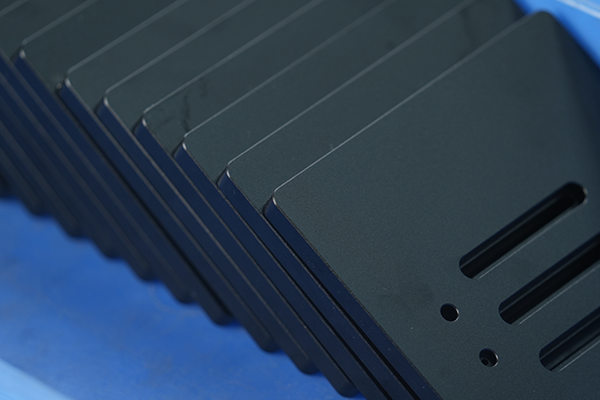
A uniform matte finish created using glass beads, which enhances surface texture and reduces light reflection.
Dyed Finish
Adds color to the part for improved aesthetics while maintaining its strength and functionality.
蒸気スムージング
A finishing technique that smooths the surface of the part by applying vaporized solvent, improving surface quality.
ポリッシュ仕上げ
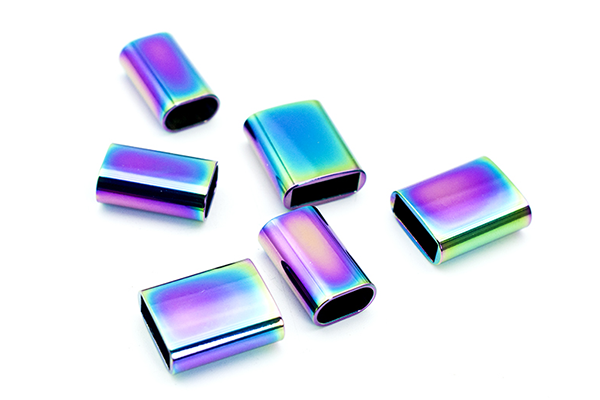
A glossy, high-shine finish achieved through mechanical buffing, perfect for decorative parts that require a sleek appearance.
ブラッシュ仕上げ
Provides a linear, satin-like texture, ideal for parts that require a clean, decorative look.
ニッケルめっき
A thin, electroplated nickel layer that enhances wear and corrosion resistance, providing an attractive finish for functional parts.
カスタム仕上げ
Need a specific finish? Submit a request, and we will collaborate with you to find the perfect solution tailored to your project’s needs.
Quality Assurance & Inspection Capabilities
At Yicen Precision, every CNC-machined unit undergoes a stringent quality control process to ensure precision and reliability. Our commitment to excellence is backed by ISO 9001:2015, AS9100D, and ISO 13485 certifications, which are vital for achieving consistent high-quality results.
寸法精度
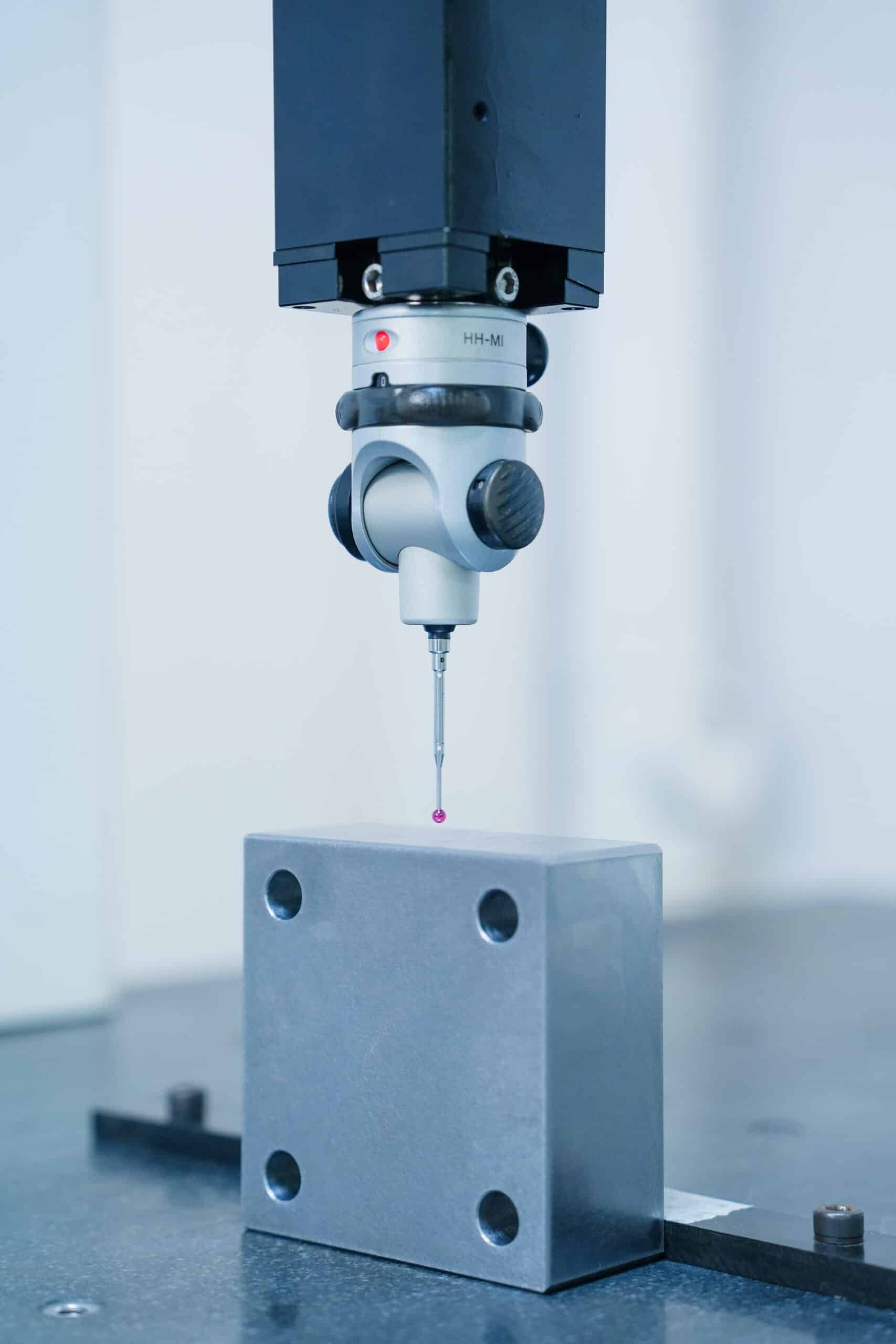
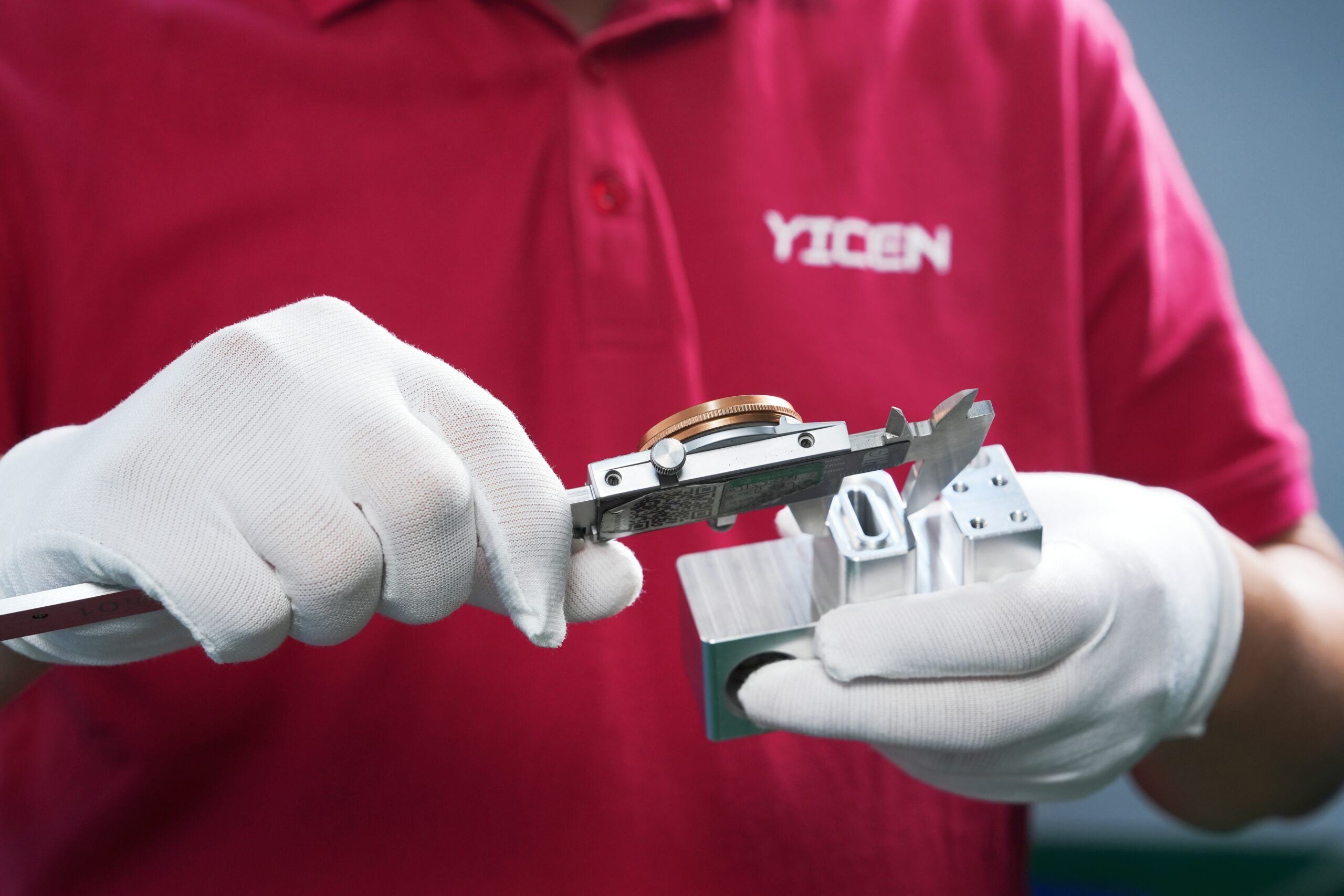
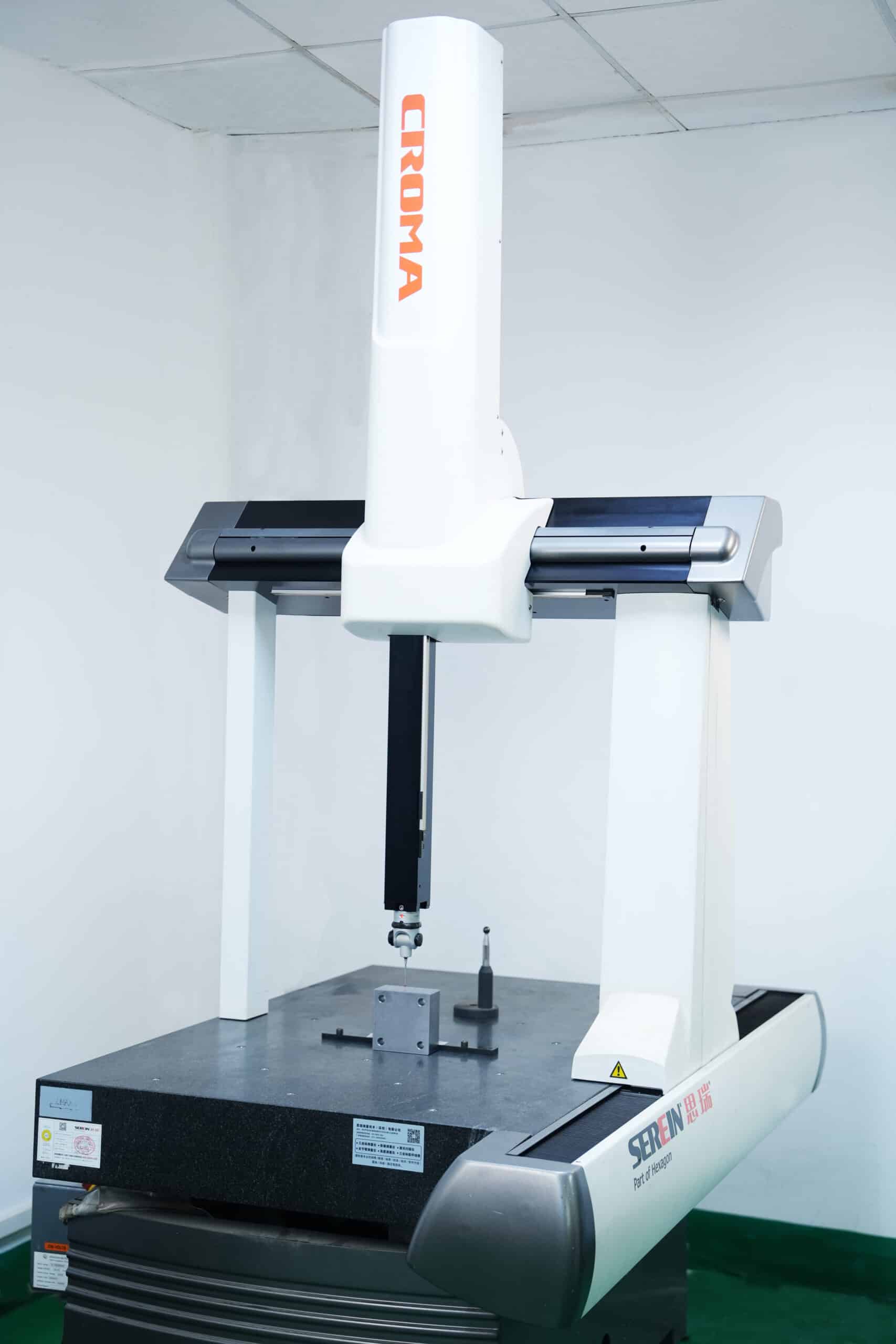
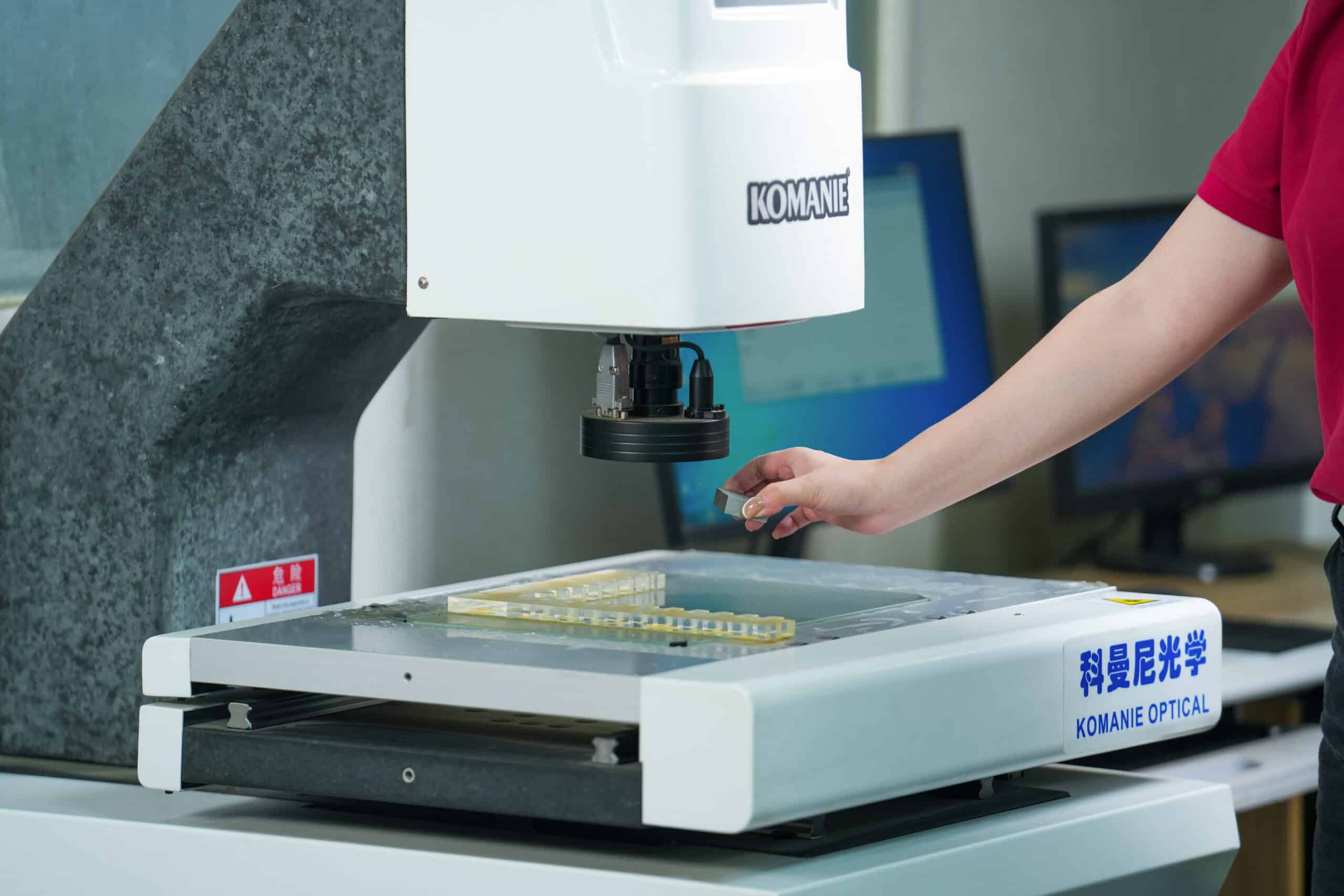
Using advanced CMM (Coordinate Measuring Machines), digital micrometers, and optical measurement systems, we check all critical features with micron-level precision, ensuring exact dimensions and tolerances.
Visual Inspection
Each part undergoes a thorough visual inspection to verify surface finish, cleanliness, and overall appearance, meeting industry standards and customer expectations.
Batch Consistency Verification
To maintain high consistency across production runs, we implement batch verification processes that adhere to ISO 2768-mK and ASME Y14.5 standards, confirming accurate form, position, and profile throughout production.
At Yicen Precision, we specialize in providing high-quality Selective Laser Sintering (SLS) 3D printing solutions, tailored to meet your precise manufacturing needs. Our expertise and state-of-the-art equipment ensure efficient production, from prototypes to end-use parts.
Industrial SLS Equipment
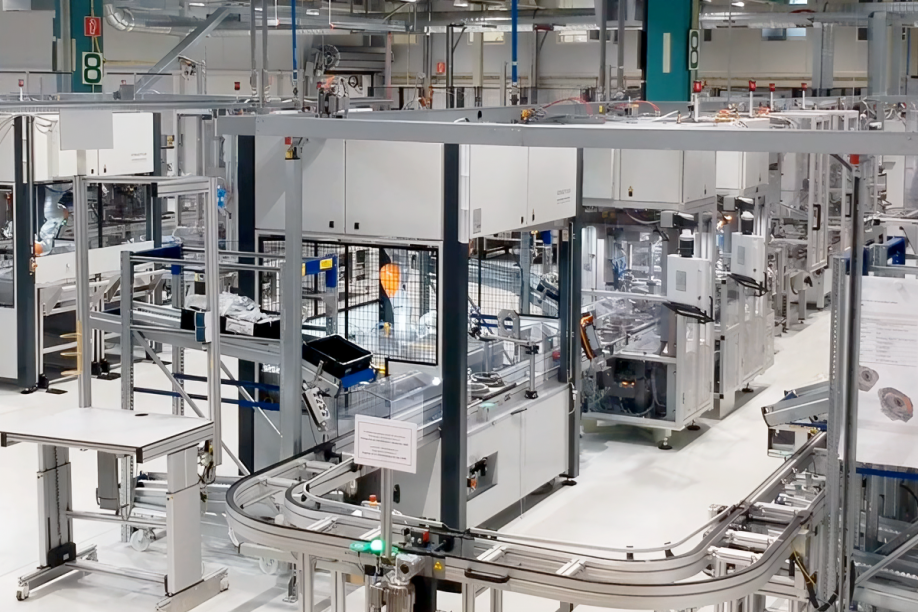
We utilize the latest industrial-grade SLS machines, ensuring high precision, reliability, and excellent surface finish for every part produced.
Nylon Material Expertise
With extensive experience working with various nylon materials, including PA11, PA12, and reinforced options, we deliver parts with exceptional strength and durability.
Support-Free Production
Our support-free production process eliminates the need for post-processing support structures, reducing costs and time, and improving overall part quality.
Prototype + Production Capability
Whether you’re developing a prototype or scaling up for full production, our SLS 3D printing services support both, offering flexibility and efficiency throughout the project lifecycle.
Engineering Support
Our engineering team provides expert guidance throughout the design and manufacturing process, ensuring your parts are optimized for performance and manufacturability.
品質保証
We adhere to strict quality control standards, with each part undergoing comprehensive dimensional checks, visual inspection, and batch consistency verification, ensuring reliability and precision in every product.
Advantages
Advantages of SLS 3D Printing
SLS 3D printing offers several advantages that make it a preferred choice for manufacturers, engineers, and designers seeking efficient, high-quality production.
No Support Structures: Unlike other 3D printing technologies, SLS doesn’t require external support, reducing post-processing time and material waste.
Strong, Isotropic Parts: SLS produces parts with equal strength in all directions, ensuring high-performance, durable components.
Excellent for Complex Geometries: SLS allows for the production of intricate and detailed designs that would be challenging with traditional methods.
Cost-Effective for Higher Volumes: SLS is a cost-effective solution for producing mid-to-high volumes of functional parts.
Production-Ready Thermoplastics: A variety of thermoplastic materials are available, making SLS suitable for both prototyping and production of end-use parts.
アプリケーション
Applications of SLS 3D Printing
Selective Laser Sintering (SLS) 3D printing is widely used in various industries to produce high-precision, functional parts. Its versatility and ability to handle complex geometries make it ideal for both prototyping and end-use applications.
Functional Prototypes: Ideal for testing form, fit, and function before mass production, ensuring designs meet specifications.
End-Use Production Parts: SLS is perfect for producing durable, production-ready parts that can withstand real-world conditions.
Jigs & Fixtures: Custom jigs and fixtures can be quickly produced, improving efficiency in manufacturing processes.
Housings & Enclosures: Robust enclosures for electronic and mechanical components, providing protection and durability.
Snap Fits & Living Hinges: Easily create snap-fit designs and flexible living hinges for functional, moving parts.
Yes, SLS excels at creating intricate and complex geometries, such as internal features, thin walls, and complex shapes, that are difficult to achieve with traditional manufacturing methods.
How is the surface finish of SLS parts?
SLS parts come with an as-sintered surface finish, but can also be bead blasted, dyed, or vapor-smoothed for improved aesthetics and functionality.
What are typical lead times for SLS parts?
SLS parts typically have lead times of 1-3 days, making it an excellent choice for rapid prototyping and short production runs.
Does SLS require support structures?
No, SLS does not require external support structures as the surrounding powder naturally supports the part during printing, reducing post-processing time.
What materials are available for SLS?
SLS supports a wide range of materials, including standard nylons (PA12), reinforced materials (glass-filled and mineral-filled nylon), and elastomers like TPU, offering versatility for different applications.




 Japanese
  English
  French
  Spanish
  German
  Portuguese