A. What Are Diagnostic Device Parts?
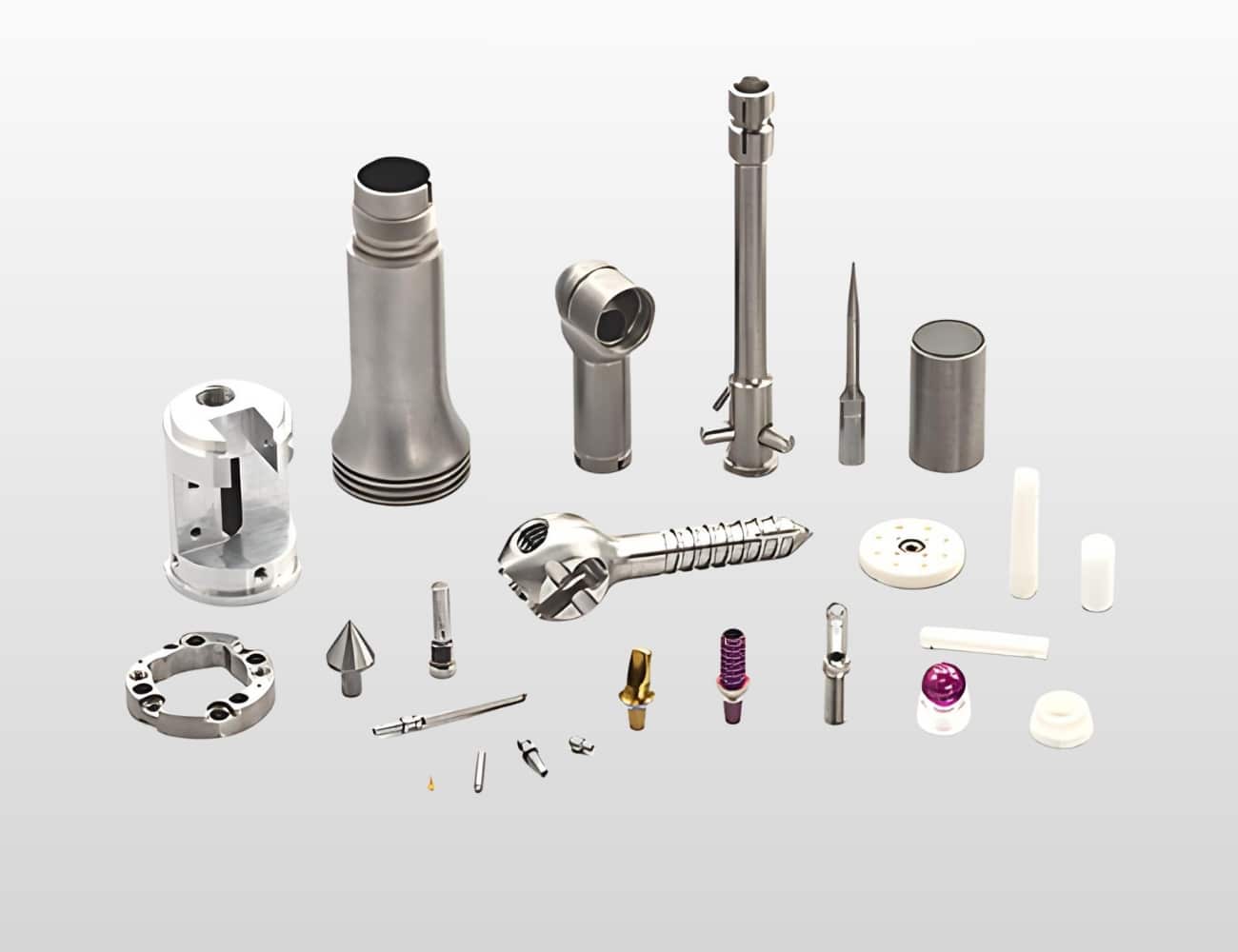
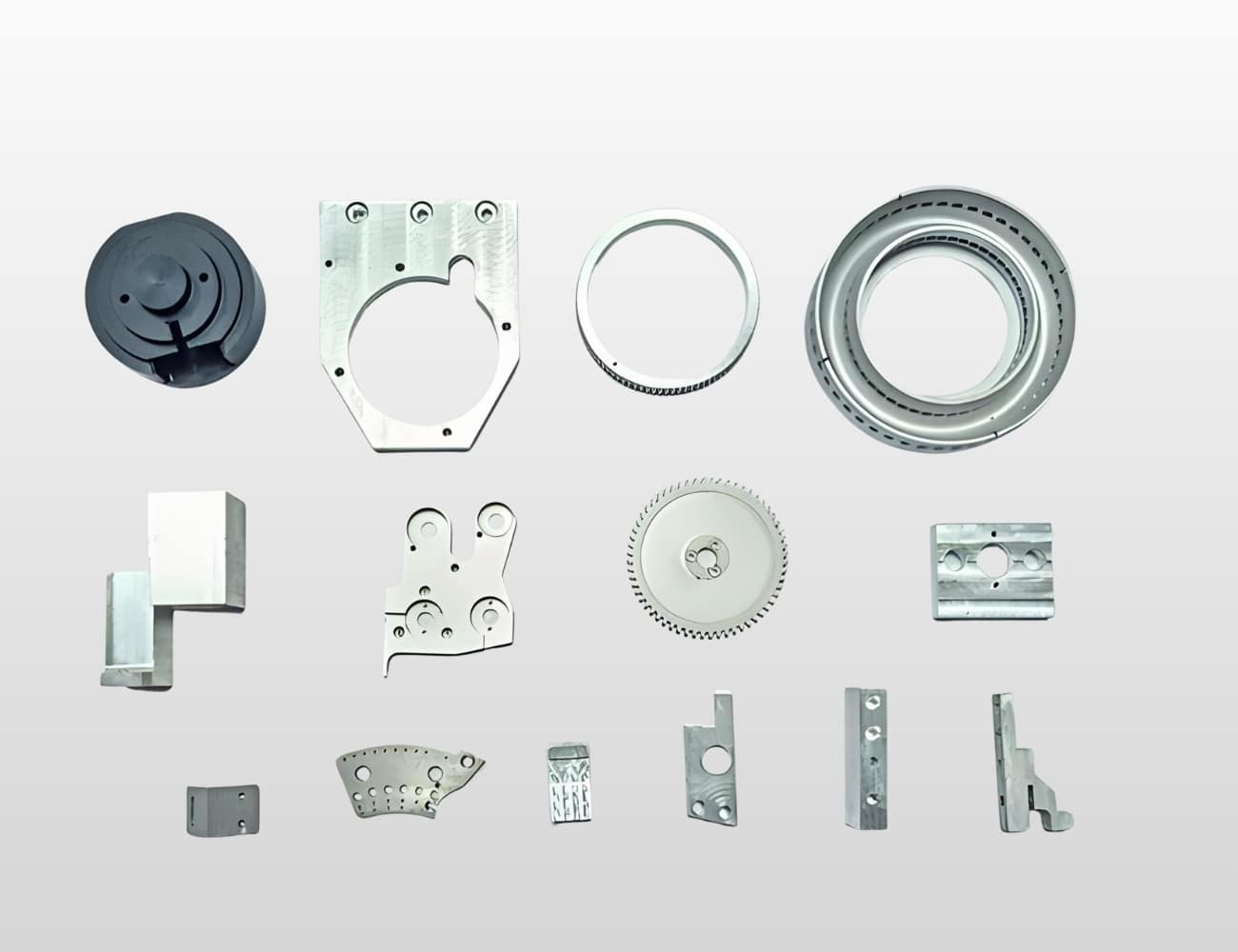
Diagnostic device parts are precision-engineered components that enable accurate detection, measurement, and analysis of biological samples for disease diagnosis and patient monitoring. These critical components include microfluidic channels, optical chambers, cuvette holders, sample collection needles, reagent mixing chambers, detector mounts, calibration fixtures, and fluid handling manifolds. Used in clinical laboratories, point-of-care testing devices, imaging equipment, and home diagnostic systems, these parts must deliver consistent performance with minimal measurement variation. Precision CNC machining ensures the dimensional accuracy, surface quality, and material integrity required for reliable sample processing, optical clarity, and chemical compatibility that directly impact diagnostic accuracy and patient care decisions.
B.主な技術要件
Diagnostic device parts CNC machining demands exceptional tolerances of ±0.0003″ to ±0.001″ to ensure proper fluid flow dynamics, optical alignment, and sensor positioning accuracy. Material specifications require chemical-resistant, biocompatible alloys and polymers that withstand exposure to blood, reagents, and cleaning solutions—typically 316 stainless steel for fluid contact parts, titanium for corrosion resistance, or medical-grade PEEK for chemical inertness. Surface finish requirements are particularly stringent, ranging from Ra 4-16 microinch for optical surfaces preventing light scatter to Ra 8-32 microinch for fluid channels minimizing turbulence and sample carryover.
Components must maintain dimensional stability across temperature variations (±0.0001″/°C coefficient consideration), provide leak-free sealing interfaces (flatness within 0.0005″), and ensure optical transparency or reflectivity specifications. Microfluidic channels require precise depth control (±0.0002″), consistent wall angles, and smooth surfaces to maintain laminar flow. Thread accuracy for fluid connections, precise bore dimensions for optical path lengths, and parallelism for mounting surfaces are critical for diagnostic measurement accuracy and device calibration stability.
C.製造上の課題と解決策
Machining diagnostic device parts presents unique challenges including achieving micro-scale features without burrs or edge defects, maintaining optical-grade surface finishes on complex internal geometries, and producing thin-walled components without deformation. Microfluidic channels with aspect ratios exceeding 10:1 require specialized micro-tooling, while optical components demand vibration-free machining to prevent surface irregularities. Material selection challenges include balancing chemical resistance, optical properties, and machinability.
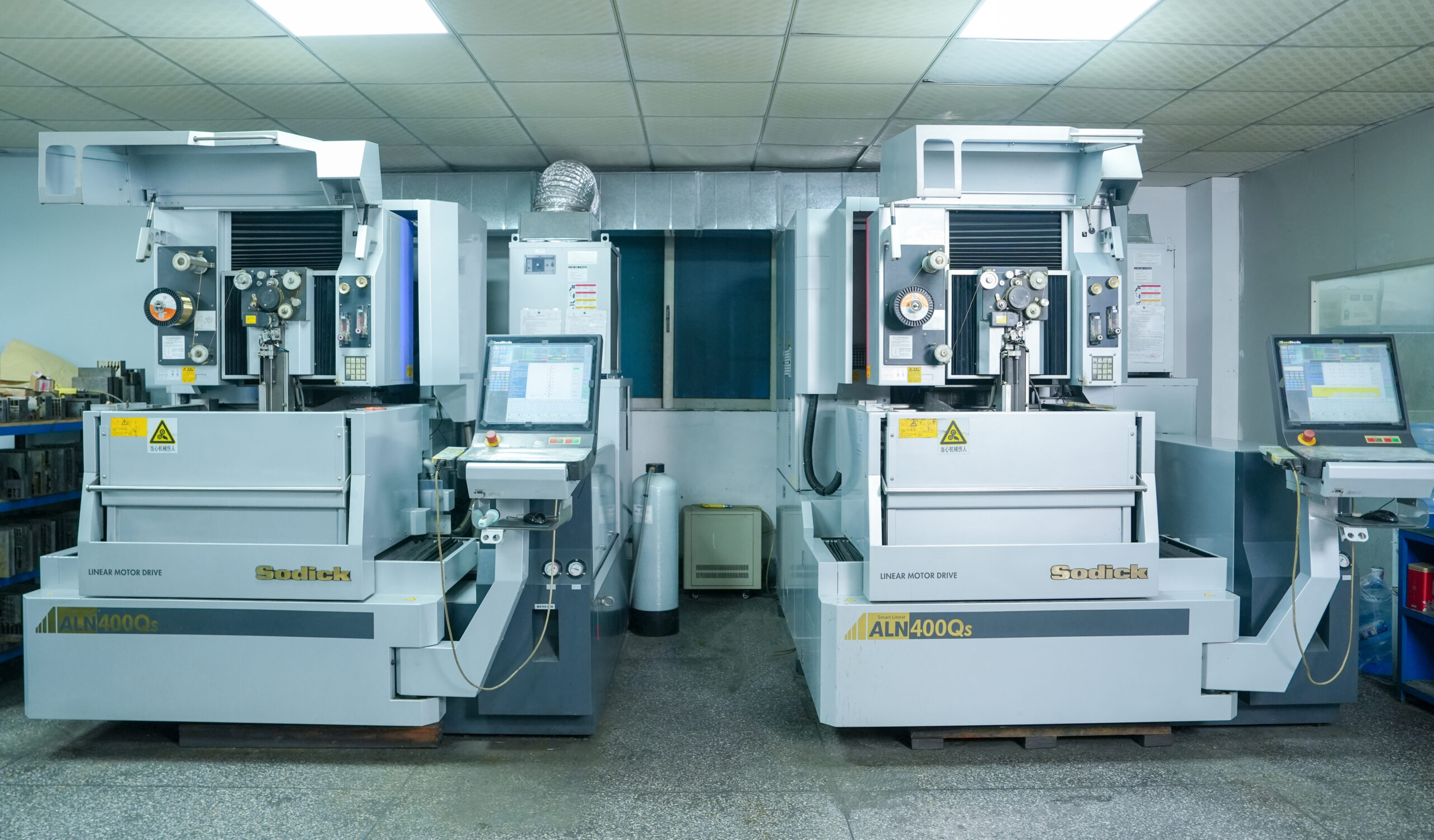
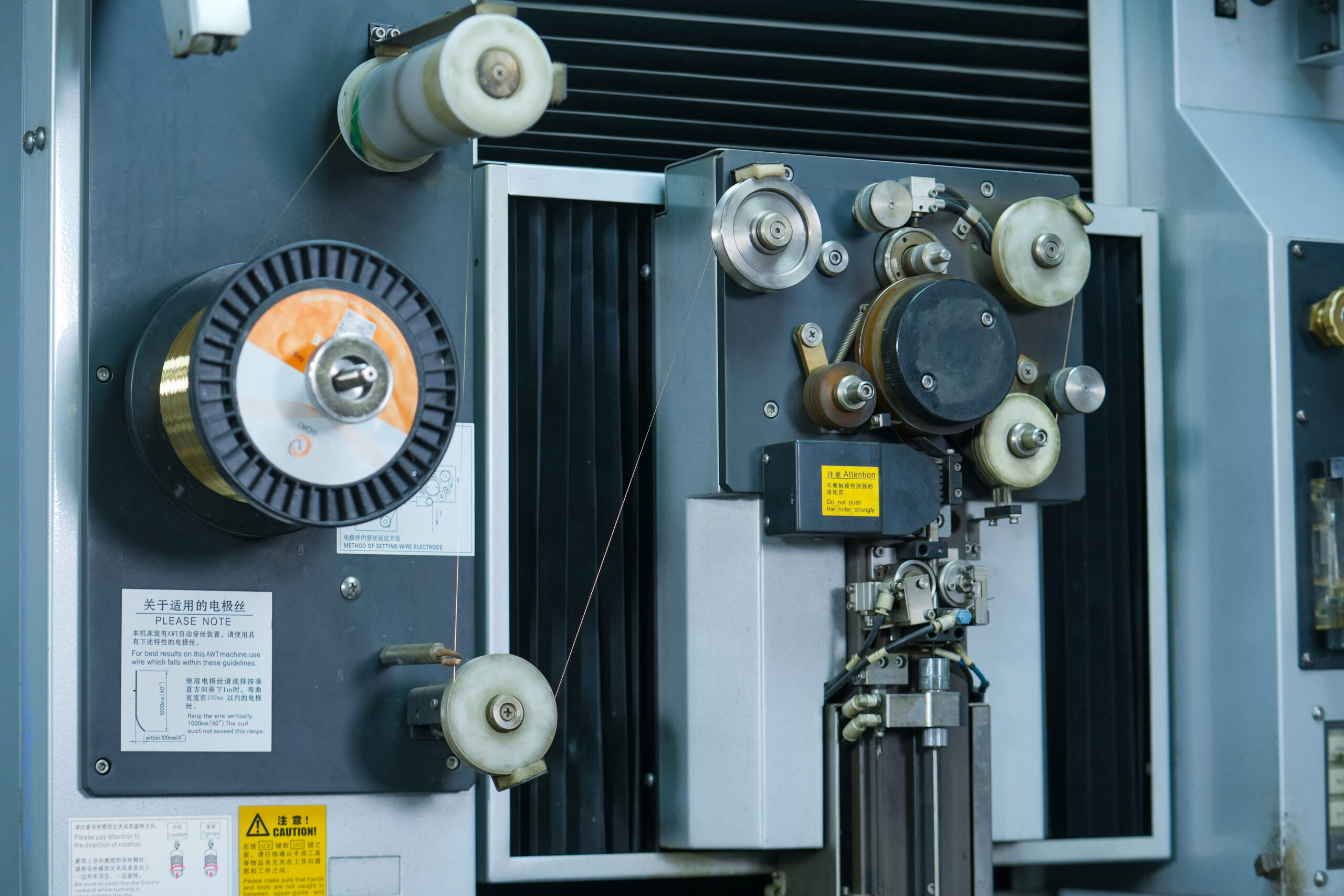
Yicen Precision addresses these challenges through ultra-precision 5-axis CNC machining in temperature-controlled facilities (±0.5°C), high-speed spindles with precision collets for micro-tools down to 0.010″ diameter, and advanced CAM strategies optimized for minimal tool deflection and consistent chip evacuation. Our optical component manufacturing employs diamond tooling for mirror finishes and single-point diamond turning for critical optical surfaces.
Quality control measures include coordinate measuring machine (CMM) inspection with sub-micron uncertainty, optical profilometry for surface finish verification, white light interferometry for flatness measurement, and functional testing of fluid flow characteristics. We perform material compatibility testing with common reagents and validate optical transmission properties for light-path components. Our cleanroom-compatible manufacturing prevents particulate contamination critical for diagnostic sensitivity. Learn more about our capabilities for your precision diagnostic component manufacturing.
D.アプリケーションとユースケース
Precision-machined diagnostic device parts enable accurate testing across multiple diagnostic platforms:
- Clinical Chemistry Analyzers: Cuvette holders, sample probes, reagent dispensing needles, optical chambers, and mixer components
- Hematology Systems: Flow cell chambers, aperture plates, sheath fluid manifolds, and blood cell counting sensors
- Molecular Diagnostics: PCR thermal block inserts, sample well plates, optical detection chambers, and microfluidic cartridge components
- Immunoassay Analyzers: Wash station manifolds, pipette tips, reaction vessels, chemiluminescence detection chambers, and calibration fixtures
- Point-of-Care Devices: Microfluidic channels, sample collection components, optical windows, reagent chambers, and handheld analyzer housings
- Imaging Diagnostics: Ultrasound transducer mounts, X-ray collimators, lens assemblies, detector housings, and calibration phantoms
- Blood Gas Analyzers: Electrode housings, sample chambers, calibration gas manifolds, and temperature control blocks
E. Why Choose Yicen Precision for Diagnostic Device Parts?
Yicen Precision delivers specialized expertise in diagnostic device parts CNC machining with ISO 13485 certification and comprehensive understanding of IVD regulatory requirements (FDA 21 CFR 809, EU IVDR). Our rapid prototyping services provide functional diagnostic components in 3-7 days, enabling accelerated design validation, performance testing, and regulatory pathway preparation. We offer flexible production scaling from R&D prototype quantities through commercial high-volume manufacturing with validated processes ensuring measurement consistency.
Our engineering team provides Design for Manufacturability (DFM) consultation optimized for diagnostic performance, including fluid dynamics analysis for microfluidic components, optical design support for light-path optimization, and material selection guidance based on chemical compatibility requirements. We coordinate secondary operations including optical polishing for transparent components, passivation for corrosion resistance, precision coating for optical filters, and ultrasonic cleaning for contamination-free delivery.
Complete material traceability includes certifications with lot tracking, dimensional inspection reports with statistical analysis, surface finish validation data, and certificates of conformance supporting regulatory documentation. We maintain cost-effective diagnostic device parts manufacturing through optimized toolpaths for micro-machining, efficient setup reduction strategies, and streamlined inspection protocols—delivering precision components that ensure diagnostic accuracy without compromising quality or budget. Request your comprehensive technical consultation and quote for diagnostic device parts today.
 コンテンツにスキップ










 Japanese
  English
  French
  Spanish
  German
  Portuguese