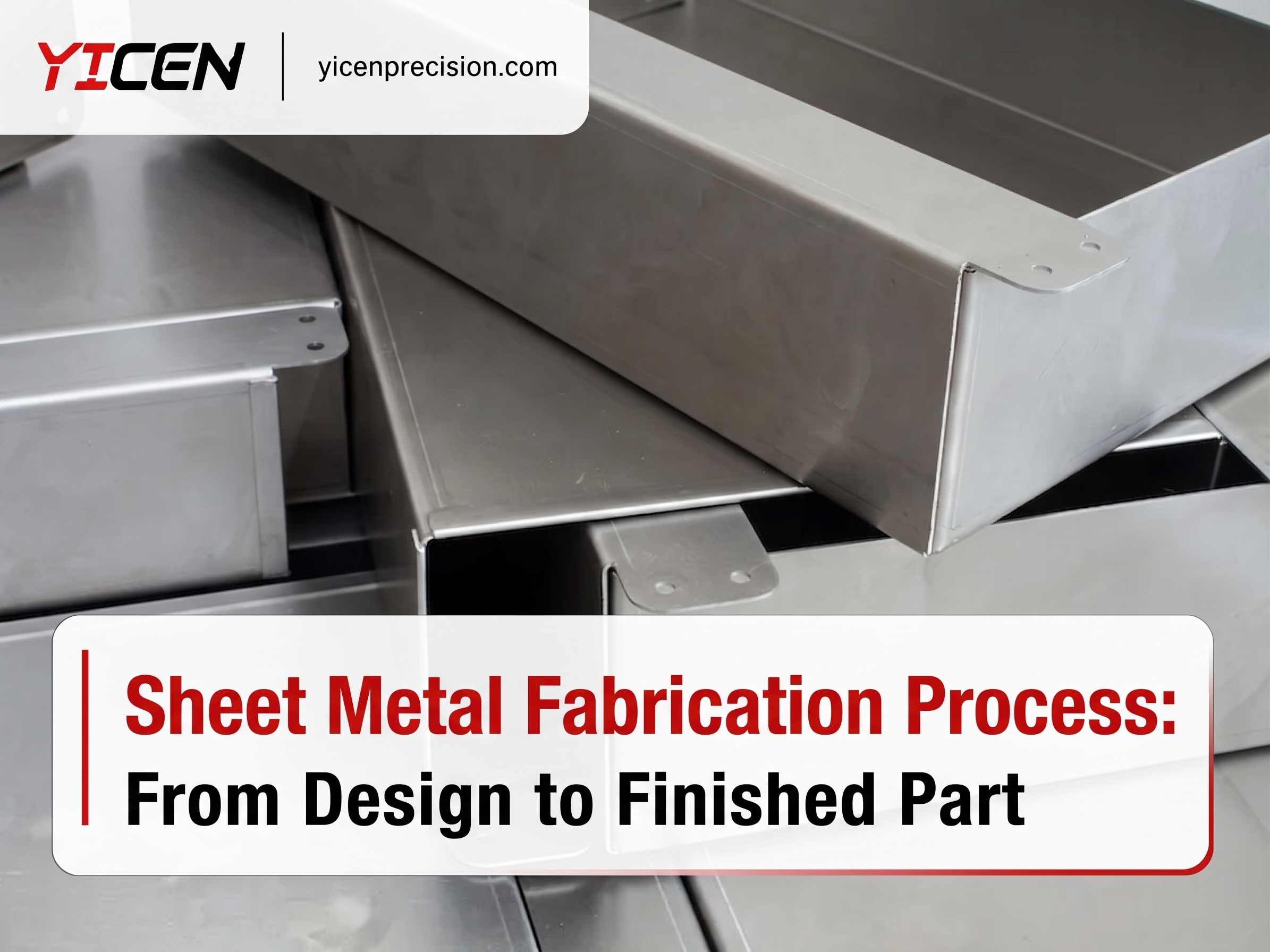
Sheet Metal Fabrication Process: From Design to Finished Part

あらゆる規模の企業にとってシンプルで簡単にご利用いただけるよう設計された専用サービスにより、業務効率の改善、コストの最適化、ブランド・エンゲージメントの向上を実現します。

目次

Sheet Metal Fabrication Process

How does the sheet metal fabrication process transform a flat metal sheet into a precise finished component? What are the main sheet metal fabrication steps involved in manufacturing? How does the sheet metal forming process improve part strength, accuracy, and functionality? What happens from the initial design stage until the final product is delivered?

The sheet metal fabrication process is a complete manufacturing workflow that converts flat metal sheets into functional components through design, cutting, bending, forming, joining, finishing, and inspection. The process combines advanced machinery, engineering knowledge, and quality control methods to produce accurate parts for industries such as aerospace, automotive, electronics, medical equipment, and industrial machinery.

From CAD design evaluation to final production, every stage of the sheet metal production process plays an important role in ensuring durability, dimensional accuracy, and cost efficiency.

Understanding the Sheet Metal Fabrication Process

Sheet metal fabrication is a manufacturing method where metal sheets are shaped into specific parts by removing material, applying controlled force, or joining multiple components together. Unlike traditional manufacturing methods that start with solid blocks, sheet metal fabrication begins with thin metal materials such as aluminum, stainless steel, carbon steel, and copper.

Modern manufacturers use advanced technologies including laser cutting, CNC bending, punching, welding, and surface finishing to create complex parts with consistent quality. Companies like Yicen Precision provide custom sheet metal fabrication solutions for prototypes and production components, including cutting, forming, and finishing operations.

The success of a sheet metal production process depends on careful planning, accurate engineering drawings, suitable material selection, and proper manufacturing techniques.

Main Stages of Sheet Metal Fabrication

The complete fabrication workflow follows several important stages. Each step affects the final quality, cost, and performance of the manufactured component.

ステージ説明目的
Design & EngineeringCreation and review of CAD models and technical drawingsEnsures manufacturability and accuracy
素材の選択Choosing suitable metals and thicknessesProvides required strength and performance
カッティングLaser cutting, waterjet cutting, or punchingCreates accurate profiles and shapes
FormingBending and shaping metal sheetsProduces required geometries
JoiningWelding, fastening, or hardware insertionCombines multiple components
仕上げCoating, polishing, or surface treatmentImproves appearance and durability
検査Dimensional and quality checksConfirms specifications are achieved

Step 1: Design and CAD Preparation

The sheet metal fabrication process begins with product design. Engineers create detailed CAD models that define dimensions, bends, holes, cutouts, and material requirements.

During this stage, manufacturers analyze whether the design is suitable for fabrication. Factors such as bend radius, material thickness, hole placement, and manufacturing tolerances are reviewed to prevent production issues.

Design optimization is essential because a manufacturing-friendly design can reduce material waste, shorten production time, and lower overall costs.

For projects requiring complex precision components, CNC machining may also be combined with sheet metal fabrication. You can learn more about precision manufacturing approaches through our CNC加工サービス.

Step 2: Material Selection

Choosing the correct material is one of the most important sheet metal fabrication steps. Different metals provide different levels of strength, corrosion resistance, weight, and flexibility.

一般的な素材は以下の通り:

素材主要物件一般的なアプリケーション
アルミニウムLightweight and corrosion resistantElectronics housings, aerospace parts
ステンレス鋼Strong and corrosion resistantMedical equipment, industrial components
炭素鋼Durable and cost-effectiveFrames, brackets, machinery parts
Excellent electrical conductivityElectrical components

Material thickness also affects the forming process. Thinner sheets are easier to bend, while thicker materials may require specialized equipment and greater forming force.

Step 3: Sheet Metal Cutting

After selecting the material, the next step is cutting the sheet into the required shape. Advanced fabrication facilities use several cutting methods depending on project requirements.

Laser cutting is widely used because it provides high accuracy, clean edges, and excellent repeatability. Waterjet cutting is another option for materials that require minimal heat impact.

The cutting stage creates the basic profile of the part before it moves to forming and assembly operations.

Step 4: Sheet Metal Forming Process

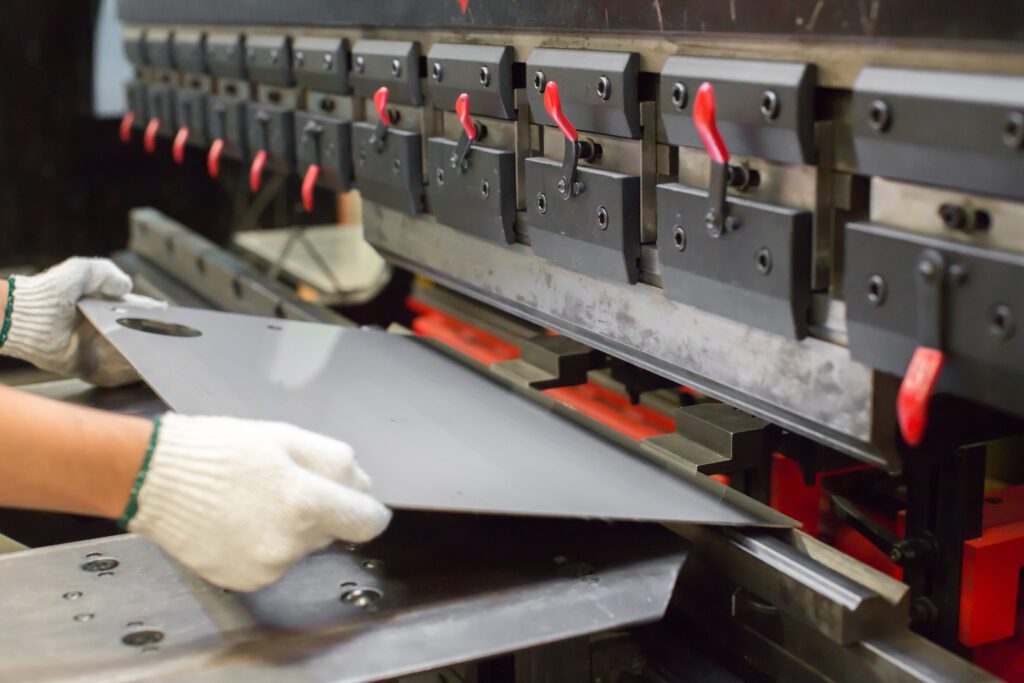
The sheet metal forming process changes the shape of flat metal sheets without removing significant material. This stage creates bends, angles, curves, and complex geometries required for the final component.

Common forming methods include:

  • Press brake bending
  • Roll forming
  • Punch forming
  • Deep drawing

Precision bending requires accurate calculations because factors such as material elasticity, bend allowance, and springback can influence final dimensions.

A properly controlled forming process ensures parts maintain structural strength while achieving the required design specifications.

Step 5: Joining and Assembly

After cutting and forming, different components may need to be combined. Joining methods depend on the application, material type, and required strength.

Common joining techniques include welding, riveting, screws, and hardware insertion. Welding is often used for permanent connections, while mechanical fastening allows easier maintenance and replacement.

Manufacturers may also integrate additional operations such as assembly, surface treatment, or finishing services to deliver complete ready-to-use components.

For additional manufacturing support beyond fabrication, explore our 組立サービス.

Step 6: Surface Finishing

Surface finishing improves both the appearance and performance of fabricated parts. Depending on requirements, manufacturers may apply coatings, polishing, anodizing, electropolishing, or powder coating.

Finishing helps protect components from corrosion, improves wear resistance, and provides the desired visual appearance.

Industries with strict requirements, such as medical and aerospace manufacturing, often require documented finishing and inspection processes.

Step 7: Quality Inspection and Final Delivery

Quality inspection is the final stage of the sheet metal production process. Manufacturers verify dimensions, surface quality, material specifications, and overall functionality before delivery.

Inspection methods may include measurement tools, dimensional reports, and quality documentation.

A strong inspection system reduces defects and ensures every manufactured component meets customer expectations.

Benefits of Professional Sheet Metal Fabrication

Professional sheet metal fabrication provides several advantages for businesses developing prototypes or large production runs.

The process offers excellent design flexibility because manufacturers can create simple brackets as well as complex enclosures and structural components. It also supports scalable production, allowing companies to move from prototype development to higher-volume manufacturing.

Another advantage is cost efficiency. Optimized designs, automated cutting technologies, and repeatable forming processes reduce waste and improve production speed.

Businesses that require both fabricated and machined parts can combine fabrication with other manufacturing methods. Our precision manufacturing services support different production requirements, from prototypes to custom industrial components.

Common Applications of Sheet Metal Fabrication

Sheet metal components are used across many industries because they provide strength, durability, and lightweight performance.

Typical applications include:

  • Electrical enclosures
  • Machine covers
  • Automotive brackets
  • Aerospace structures
  • Medical equipment housings
  • Industrial frames
  • Consumer product components

As product designs become more advanced, manufacturers continue improving fabrication techniques through automation, digital engineering, and advanced inspection technologies.

Sheet Metal Fabrication vs Other Manufacturing Methods

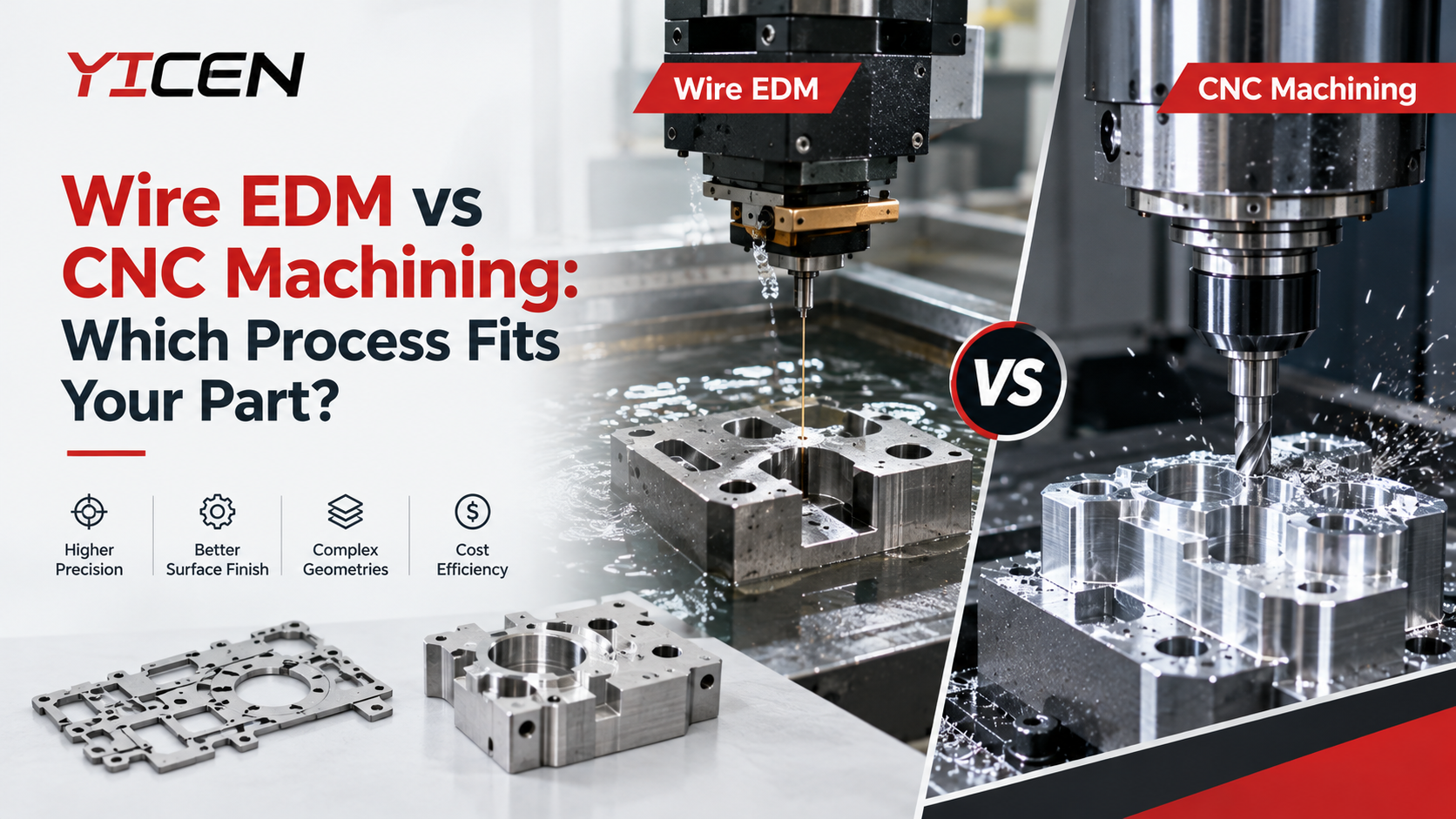
Sheet metal fabrication is often compared with CNC machining and additive manufacturing. Each process has different advantages depending on project requirements.

Manufacturing Method最適Main Advantage
板金加工Thin metal parts and enclosuresLightweight and cost-effective production
CNC加工Complex solid componentsHigh precision and tight tolerances
3DプリンティングRapid prototypesFast design validation

Choosing the right process depends on factors such as material, geometry, production volume, budget, and required performance.

For companies comparing manufacturing options, our article about CNC machining precision and applications provides additional technical guidance.

How to Improve the Sheet Metal Production Process

Manufacturers can improve efficiency by focusing on design optimization, automation, and quality management.

Early collaboration between engineers and fabrication specialists helps identify potential production challenges before manufacturing begins. Using standardized designs, selecting appropriate materials, and reducing unnecessary operations can also improve cost efficiency.

Modern fabrication facilities combine digital workflows with skilled engineering expertise to achieve reliable results for both prototypes and production orders.

最終的な感想

The sheet metal fabrication process is a carefully controlled journey that transforms raw metal sheets into precise finished components. From CAD design and material selection to cutting, forming, finishing, and inspection, every step contributes to product quality.

Understanding the sheet metal fabrication steps helps businesses choose the right manufacturing approach, reduce production challenges, and achieve reliable results.

With advanced equipment, engineering expertise, and quality-focused production methods, professional fabrication partners can support everything from rapid prototypes to large-scale manufacturing projects.

よくある質問

What are the main steps in the sheet metal fabrication process?

The main steps include design preparation, material selection, cutting, forming, joining, finishing, and inspection. Each stage contributes to producing accurate and durable metal components.

What materials are commonly used in sheet metal fabrication?

Common materials include aluminum, stainless steel, carbon steel, and copper. The best choice depends on strength requirements, corrosion resistance, weight limitations, and application needs.

What is the difference between sheet metal forming and fabrication?

Sheet metal forming focuses on changing the shape of metal sheets through bending or pressing. Fabrication includes the complete process, including cutting, forming, joining, finishing, and inspection.

How long does the sheet metal fabrication process take?

Production time depends on part complexity, material availability, finishing requirements, and quantity. Simple prototypes may require only a few days, while larger production projects require more planning.

Can sheet metal fabrication support custom designs?

Yes, sheet metal fabrication is highly suitable for custom parts. Engineers can create unique designs based on specific dimensions, materials, and performance requirements.

私たちとつながる

コンセプトを精密部品に変える

私たちは、お客様のアイデアを比類のないスピードと精度で、高品質で機能的な部品に変換することを専門としています。高度な技術と熟練した職人技で、最も複雑な仕様を満たす部品を作り出します。

お問い合わせ
12時間以内の迅速な対応を保証
🔐 すべてのアップロードは安全かつ機密です。
私たちとつながる

コンセプトを精密部品に変える

私たちは、お客様のアイデアを比類のないスピードと精度で、高品質で機能的な部品に変換することを専門としています。高度な技術と熟練した職人技で、最も複雑な仕様を満たす部品を作り出します。

お問い合わせ
12時間以内の迅速な対応を保証
🔐 すべてのアップロードは安全かつ機密です。
イーセン精密のブログ

洞察&記事

エクスペリエンス 機械加工サービス ブログでは、CNC加工、業界動向、製造のヒント、技術の最新情報など、専門家の見識をご紹介しています。
jaJapanese