


...

Reliable Fused Decomposition Molding for Precision Parts

Yicen Precision offers high-quality Fused Deposition Modeling (FDM) services, delivering durable thermoplastic parts with fast turnaround and tight tolerances. Our certified process, backed by ISO 9001:2015, AS9100D, and ISO 13485, ensures consistent, large-format production suitable for industries like automotive, aerospace, and more. Upload your CAD file today for an instant quote and start bringing your designs to life.

cnc

新しいCNC見積もりを始める

ISO 9001:2015|AS9100D|ISO13485|ITAR準拠

第11,086,292号、第11,347,201号、第11,693,388号、第11,698,623号、第12,099,341号、第12,189,361号。その他特許出願中。

What is Fused Deposition Modeling (FDM) 3D Printing?

Fused Deposition Modeling (FDM) is a material extrusion-based additive manufacturing process where thermoplastic filament is melted and deposited layer by layer. This method is perfect for creating durable parts and prototypes with high precision.

Material Extrusion–Based Additive Manufacturing

FDM uses a thermoplastic filament, melted and precisely layered to form parts.

Thermoplastic Filament

The filament is heated and extruded through a nozzle, bonding each layer to the next to create the final part.

Best Suited for Prototypes and Production Tooling

FDM is widely used for functional prototypes and production tooling, offering both speed and reliability.

FDM 3D Printing Tolerances & Build Sizes

We offer Fused Deposition Modeling (FDM) with precise tolerances and flexible build sizes to meet a wide range of applications. Whether you’re working on small, detailed prototypes or large, functional parts, our FDM capabilities provide the accuracy and consistency you need for both rapid prototyping and production.

オペレーション

Max Layer Height

Max Build Size

Typical Dimensional Tolerance

When Secondary Machining is Recommended

General-Purpose FDM

0.1 mm

300 mm x 300 mm x 300 mm

±0.2 mm

For highly detailed or high-precision features.

Engineering Materials

0.1 mm

500 mm x 500 mm x 500 mm

±0.3 mm

For tight tolerances and functional parts.

High-Performance FDM

0.05 mm

600 mm x 600 mm x 600 mm

±0.4 mm

For larger, complex, or multi-material parts.

FDM 3D Printing Materials

At Yicen Precision, we offer a comprehensive selection of FDM 3D printing materials, from general-purpose options like ABS and PLA to high-performance materials such as Nylon and ULTEM. Whether you need durable, flexible prototypes or high-strength production tooling, our materials ensure precision, durability, and versatility for a variety of applications across industries like automotive, aerospace, and healthcare.

素材

説明

仕上げオプション

アプリケーション

ABS

Widely used thermoplastic, ideal for prototyping and high-stress applications.

Sanding, Polishing, Painting

Prototypes, Consumer Products, Automotive

ASA

UV-resistant thermoplastic, ideal for outdoor use and durability.

Anodizing, Powder Coating

Outdoor Components, Automotive, Electrical

PLA

Biodegradable, easy to print with, often used for non-functional prototypes.

Polishing, Painting

Prototypes, Models, Educational Use

PETG

Strong and durable, combines the best qualities of PET and glycol.

Polishing, Painting

Consumer Products, Medical Applications, Prototyping

Nylon (PA, PA-CF)

Known for its strength and flexibility, often used for parts requiring durability.

Sanding, Polishing, Painting

Automotive, Aerospace, Functional Parts

ポリカーボネート(PC)

Tough, heat-resistant material that offers high impact strength.

Polishing, Painting

Aerospace, Electrical Components, Automotive

PC-ABS

Combines polycarbonate’s impact resistance with ABS’s ease of use.

Sanding, Painting

Automotive, Electrical Housings, Prototypes

ULTEM / High-Temp Plastics

Known for its strength at high temperatures and chemical resistance.

Polishing, Cladding

Aerospace, Medical, Industrial Parts


DM 3D Printing Design Guidelines for Optimal Results

For the best results with Fused Deposition Modeling (FDM) 3D printing, following design guidelines is essential. Whether you’re creating functional prototypes or production parts, these recommendations ensure higher quality, improved efficiency, and reduced post-processing efforts.

パラメータ

仕様

最小肉厚

Metals: 0.3-1.0 mm, Plastics: 1.2-1.5 mm. Thin walls increase deflection, vibration, and machining marks.

Feature Size Limits

Features should be at least 0.5 mm in diameter for reliability. Smaller features may be prone to inaccuracies.

Overhang & Support

Overhangs greater than 45° typically require support structures. Designs should minimize overhangs to reduce material use.

Orientation Considerations

Parts should be oriented for strength and minimize the need for support material. Orientation affects both strength and print time.

Infill Density

Higher infill percentages provide more strength but increase printing time and material costs. Lower densities reduce cost but decrease strength.

Surface Quality

Parts with intricate details should have fine layer heights (0.1-0.2 mm) for smoother surfaces and finer detail resolution.

Tolerance Limits

Typical FDM tolerances are ±0.2 mm, with more precise parts requiring secondary machining or post-processing.

Cost Optimization Tips

Reduce material usage by optimizing wall thickness and minimizing the use of support material. Efficient design will lower production costs and time.

Surface Finishing for FDM 3D Printing

Yicen Precision offers a variety of surface finishes and infill options to enhance the performance, durability, and aesthetics of your FDM 3D printed parts. Whether you need a smooth surface for functional use or a decorative finish for display, we provide tailored solutions to meet your specific requirements.

プリント仕上げ

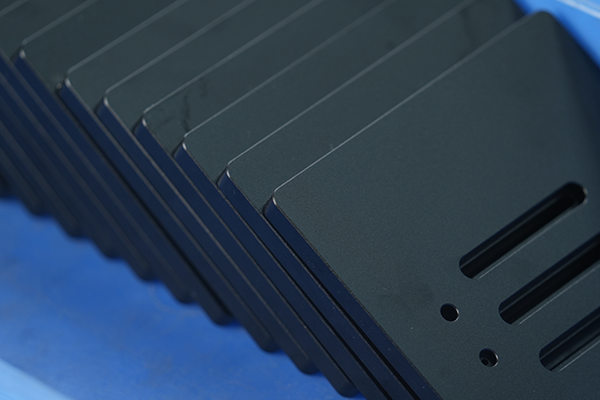
The default finish is straight from the 3D printer, offering a rougher surface with visible layer lines.

サポートの取り外し

Removal of support structures post-printing, ensuring a cleaner and smoother final surface.

Sanding / Smoothing

A post-processing step to smooth out layer lines and create a polished, uniform finish.

ポリッシュ仕上げ

A glossy, smooth surface achieved by mechanical polishing, perfect for decorative parts.

ブラッシュ仕上げ

A linear, satin-like texture created by abrasive brushing, ideal for reducing imperfections.

ニッケルめっき

Adds a thin, electroplated nickel layer that improves wear and corrosion resistance.

Custom Post-Processing

Tailored solutions based on your project needs, such as special coatings or treatments.

ビーズブラスト

A media-blasting technique that creates a smooth, matte finish with an improved aesthetic.

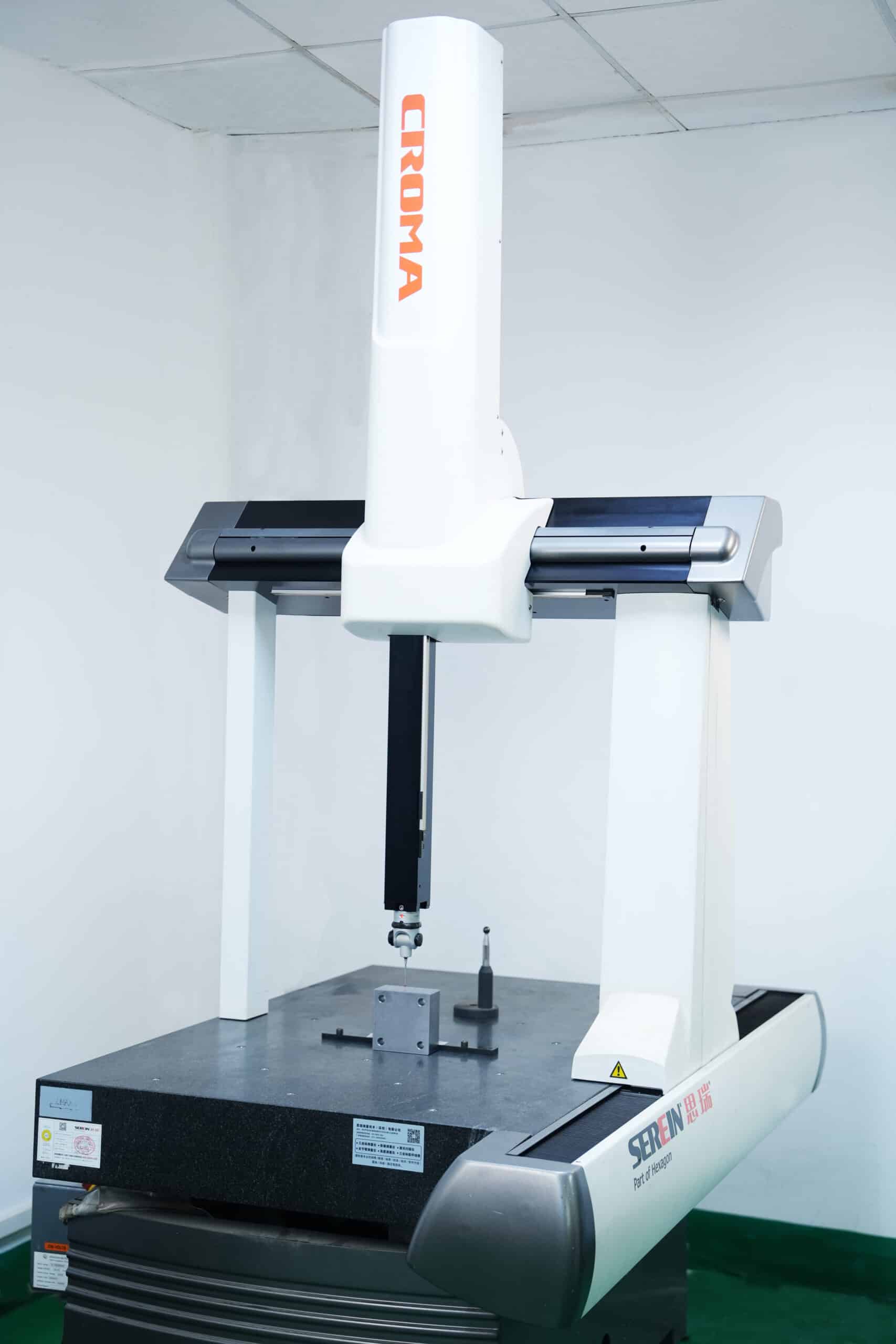
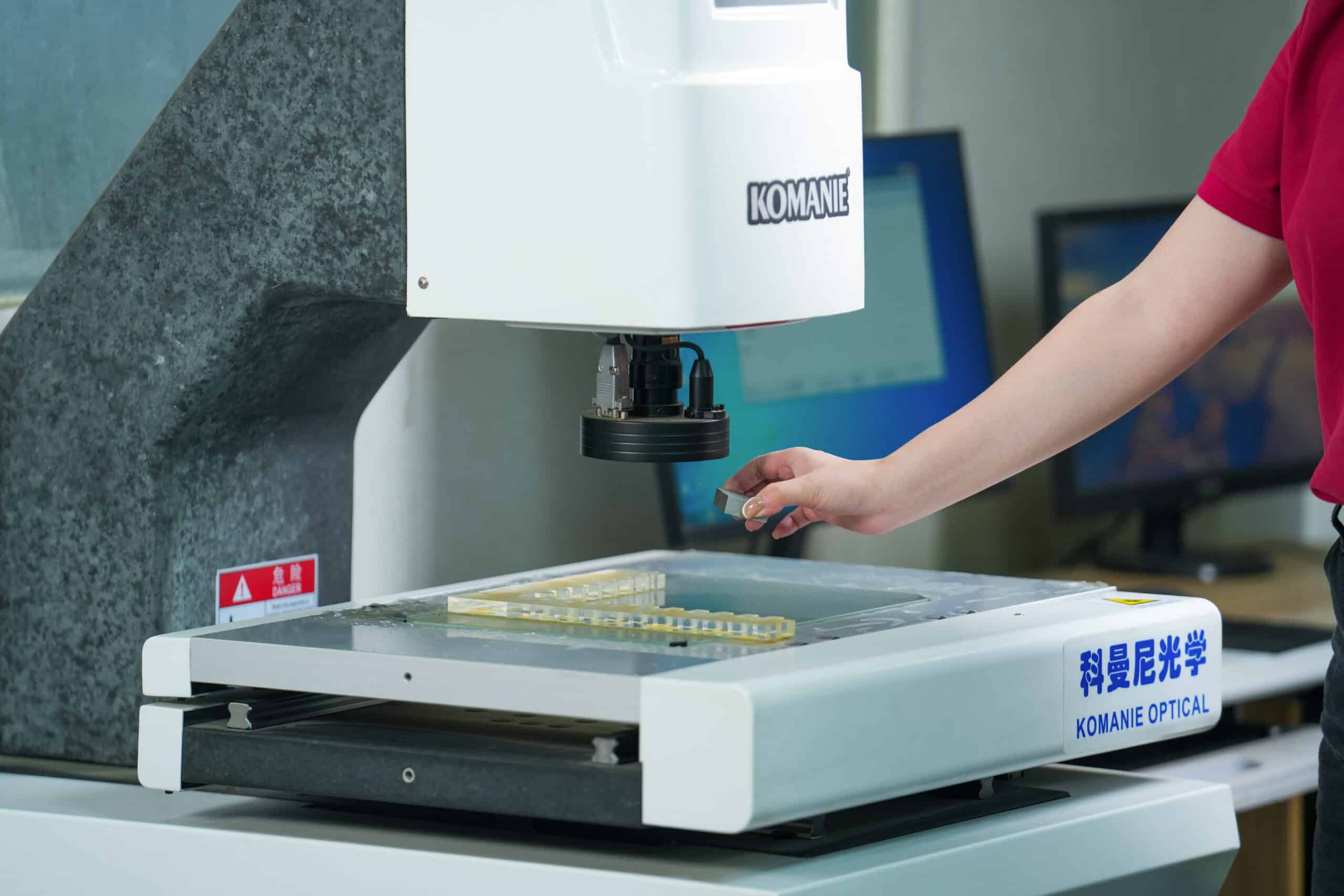
Quality Control & Inspection for FDM 3D Printing

At Yicen Precision, we prioritize quality at every stage of the FDM 3D printing process, ensuring that every part meets the highest standards of accuracy and performance. Our comprehensive quality control procedures are designed to guarantee dimensional precision, visual consistency, and repeatability for batch production.

寸法精度

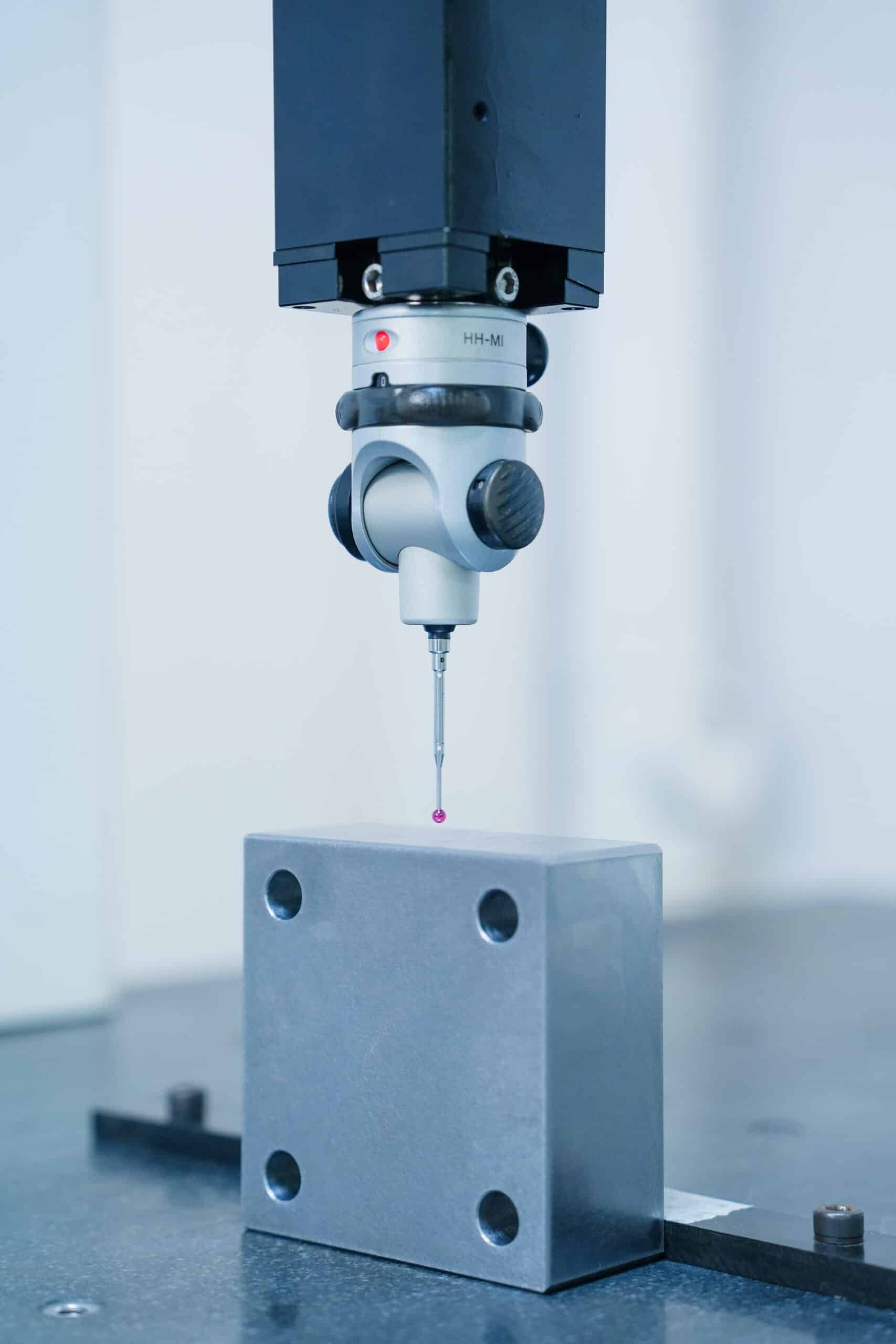
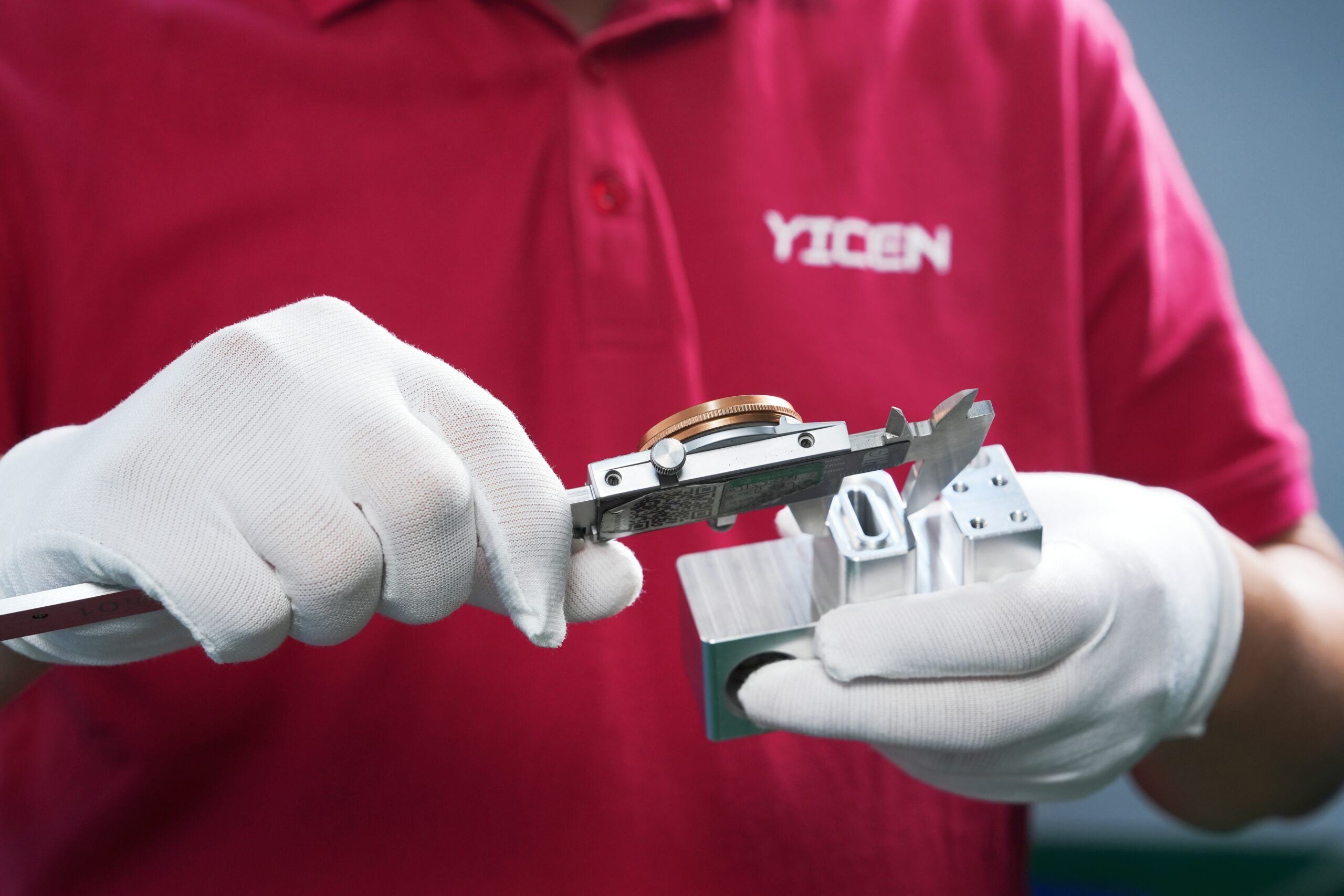
We use advanced measurement tools, including CMMs (Coordinate Measuring Machines) and digital micrometers, to ensure that all critical features meet precise tolerances, down to the micron level.

Visual Inspection

Our experienced technicians conduct thorough visual inspections to identify any surface defects, ensuring that the final part is free of imperfections and meets aesthetic requirements.

Repeatability for Batch Parts

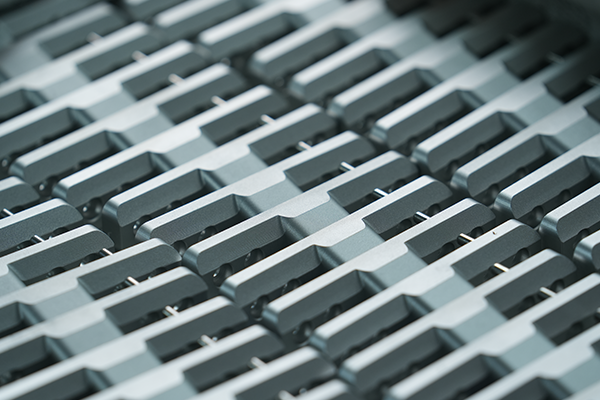
With a focus on consistent production, we verify that each batch of parts maintains uniformity and quality, minimizing errors and ensuring that all parts meet the defined specifications.

Why Choose Yicen Precision for FDM 3D Printing Services?

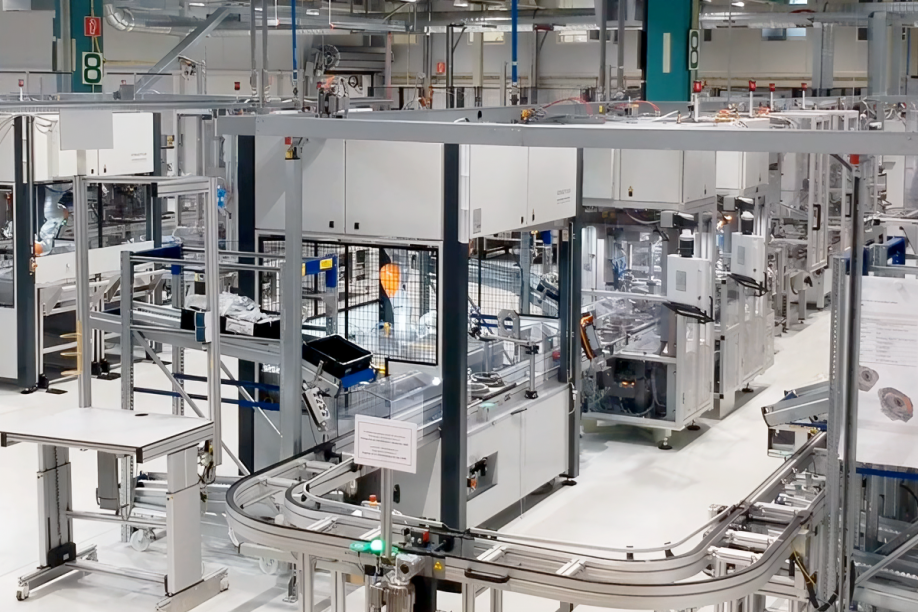
At Yicen Precision, we provide top-tier FDM 3D printing services that are reliable, cost-effective, and tailored to meet your specific needs. Here’s why our clients trust us for their 3D printing projects

Industrial-Grade Equipment

We use the latest and most reliable FDM 3D printing machines, ensuring high precision, quality, and consistent results.

素材の専門知識

Our team has extensive knowledge of FDM materials, offering a wide range of options including thermoplastics like ABS, Nylon, and PLA, each carefully selected for the best performance in your application.

Large-Format Capability

We can handle large-scale prints, making us the go-to solution for big prototypes and industrial components.

Prototype + Production Support

Whether you need a single prototype or a production run, we offer flexible services that support your entire product development cycle.

Engineering Assistance

Our engineering team is ready to help you optimize your designs for manufacturing, ensuring efficiency, accuracy, and cost-effectiveness in every project.

迅速なターンアラウンド

With streamlined processes and cutting-edge technology, we provide quick lead times without compromising on quality, helping you meet tight deadlines.

対象業界

Yicen Precisionは、航空宇宙、自動車、エレクトロニクス、医療など、幅広い業界にサービスを提供しています。私たちは、各業界のユニークなエンジニアリングの課題を満たすために調整された高品質で信頼性の高い部品を提供することを専門としています。

Advantages

Advantages of FDM 3D Printing

FDM printing offers numerous benefits, especially for rapid prototyping and low-volume production.

アプリケーション

Applications of FDM 3D Printing

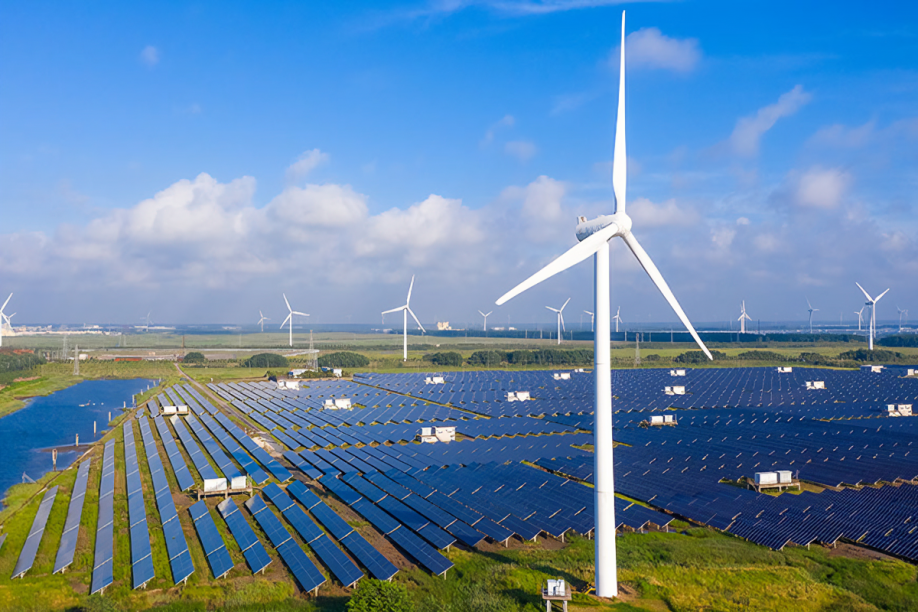
FDM 3D printing is highly versatile and can be applied across various industries to create precise, functional parts for different applications.

私たちとつながる

コンセプトを精密部品に変える

私たちは、お客様のアイデアを比類のないスピードと精度で、高品質で機能的な部品に変換することを専門としています。高度な技術と熟練した職人技で、最も複雑な仕様を満たす部品を作り出します。

お問い合わせ
12時間以内の迅速な対応を保証
🔐 すべてのアップロードは安全かつ機密です。

よくある質問

FDM(溶融堆積モデリング)

  • What are the advantages of FDM over other 3D printing technologies?

    FDM is a cost-effective 3D printing method that offers fast production times, no tooling costs, and the ability to use durable materials like ABS そして ナイロン. It’s best for low-volume production and prototyping, while other technologies like エスエルエー または SLS may be better suited for high-detail or high-precision parts. 
  • Can FDM be used for functional prototypes?

    Yes, FDM is an excellent choice for creating functional prototypes, as it allows designers to test parts for fit, form, and functionality before moving to production. ナイロン そして ポリカーボネート are particularly well-suited for parts that will undergo stress or require high durability. 

  • Typical lead times for FDM 3D printing?

    Lead times for FDM 3D printing typically range from 1 to 7 days, depending on part complexity, material selection, and build size. For larger or more intricate parts, lead times may extend, but we ensure fast production for smaller prototypes. 

  • How strong are FDM parts?

    FDM parts can be very strong, especially with materials like ポリカーボネート そして ナイロン. The strength depends on the material chosen, the infill density, and the layer bonding. ナイロン parts, for example, offer high impact resistance and flexibility, while ポリカーボネート is known for its toughness and heat resistance. 

  • Is FDM suitable for production?

    Yes, FDM is suitable for low-volume production runs, rapid prototyping, and functional parts. It’s ideal for applications where custom tooling isn’t required and quick turnaround times are necessary. However, for mass production, injection molding may be more cost-effective. 

  • What materials are best for FDM?

    Common materials for FDM include ABS, PLA, Nylon, PETGそして ポリカーボネート. Each material offers unique benefits, with ABS being ideal for strength, PLA for ease of use, and ナイロン for flexibility and durability in functional parts. 

  • What tolerances can FDM achieve?

    FDM 3D printing typically achieves dimensional tolerances of ±0.2 mm, depending on the complexity of the part and the material used. For high-precision applications, secondary machining may be required to meet tighter tolerances. 

お問い合わせ
12時間以内の迅速な対応を保証
🔐 すべてのアップロードは安全かつ機密です。